Japanese maples (Acer palmatum) are more than just a pretty tree. They're a statement. But that statement can turn into a cry for help if you don't know what you're doing. I've seen too many people bring home a stunning crimson 'Bloodgood' only to watch it struggle, get sunburned, or just never achieve that fiery color they paid for. The truth is, success with these trees isn't just about planting and hoping. It's about matching the right variety to your space and understanding a few non-negotiable care rules that most generic guides gloss over.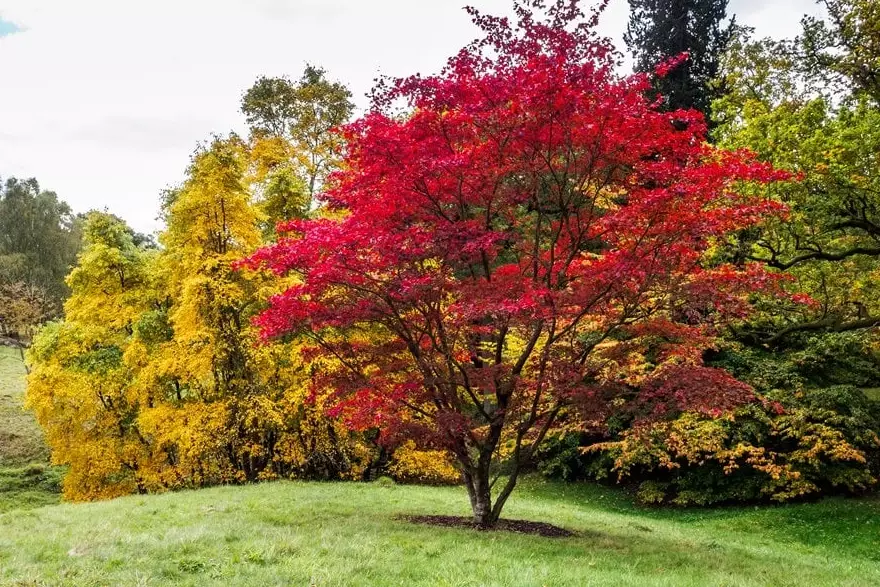
In This Guide
Picking Your Perfect Japanese Maple
Walk into any nursery and you'll be overwhelmed. Lacy leaves, bold leaves, red, green, orange, weeping forms, upright forms. The first step is to ignore the color for a second and look at the form and mature size. This is where most first-time buyers mess up. That cute little tree in the 5-gallon pot can become a 15-foot monster in a decade if it's the wrong type.
Japanese maples generally fall into a few categories. Understanding these will save you from major pruning headaches later.
By Growth Habit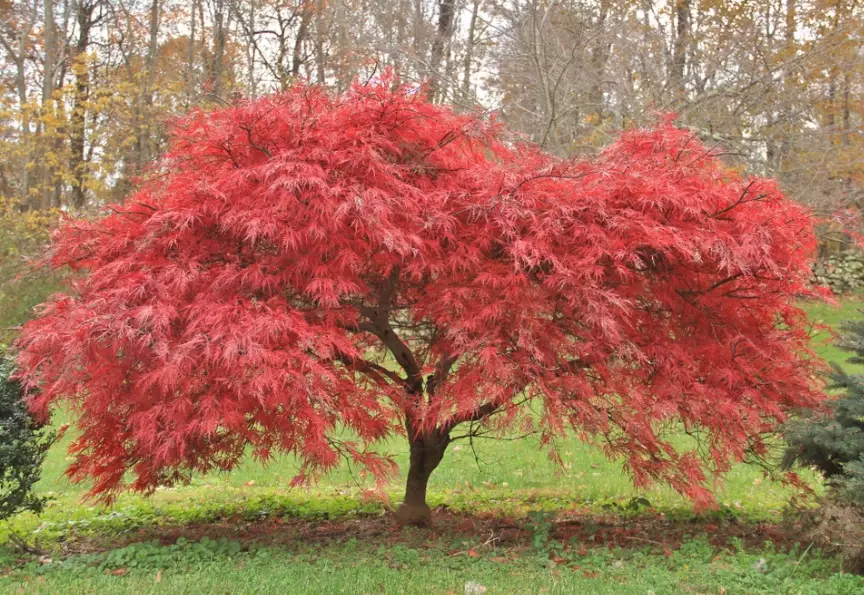
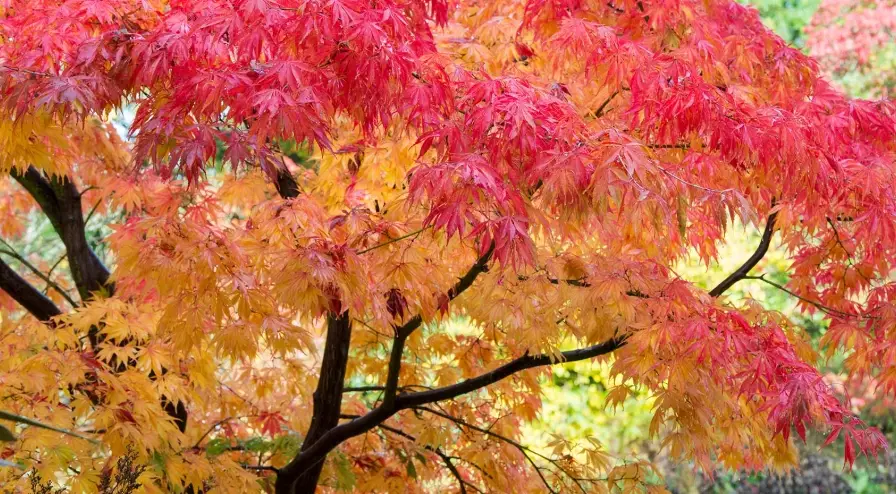
Upright (Acer palmatum): These grow like a traditional tree, with a central leader. They can get quite large (15-25 feet). Perfect as a focal point in a lawn or large border. 'Bloodgood' and 'Osakazuki' are classics here.
Weeping/Laceleaf (Acer palmatum var. dissectum): These are the cascading, mounding forms with finely cut leaves. They grow wider than tall, usually staying under 10 feet. They're ideal for containers, near water features, or spilling over a wall. 'Crimson Queen' and 'Viridis' are popular picks.
Dwarf Varieties: These stay small, often under 6 feet, making them perfect for patio pots, rock gardens, or tiny urban spaces. 'Shishigashira' (Lion's Head Maple) and 'Kiyohime' are fantastic, slow-growing dwarfs.
Popular Cultivars and What They're Really Like
| Cultivar Name | Key Feature | Best For | One Big Watch-Out |
|---|---|---|---|
| 'Bloodgood' | Deep purple-red leaves all season, robust upright grower. | A classic statement tree; holds color better than many in heat. | Can get quite large (20ft+). Needs afternoon shade in hot climates or leaves scorch. |
| 'Emperor I' | Similar to 'Bloodgood' but with better heat and sun tolerance. | Warmer zones (7-8) where other red maples fade. | Slightly more expensive, but worth it for sunnier spots. |
| 'Sango-kaku' (Coral Bark) | Stunning coral-red young branches, especially vivid in winter. Green/yellow leaves in summer, gold in fall. | Four-season interest. Winter garden standout. | Summer leaf color is fairly plain green. You're buying it for the bark. |
| 'Aconitifolium' (Full Moon Maple) | Large, deeply dissected green leaves that turn a spectacular fiery red in autumn. | Unbeatable fall color show. More tolerant of sun than delicate laceleaf types. | Grows quite broad. Give it plenty of room to spread its limbs. |
| 'Shaina' | Dense, shrub-like dwarf with tightly clustered, deep red leaves. | Small gardens, containers. Great for a bold, compact color punch. | Very slow growth. Don't expect it to fill a space quickly. |
My personal favorite for a small space is 'Seiryu'. It's the only upright-growing laceleaf maple. You get that delicate, dissected foliage but in a vase-shaped tree that won't swallow your yard. It's a conversation starter.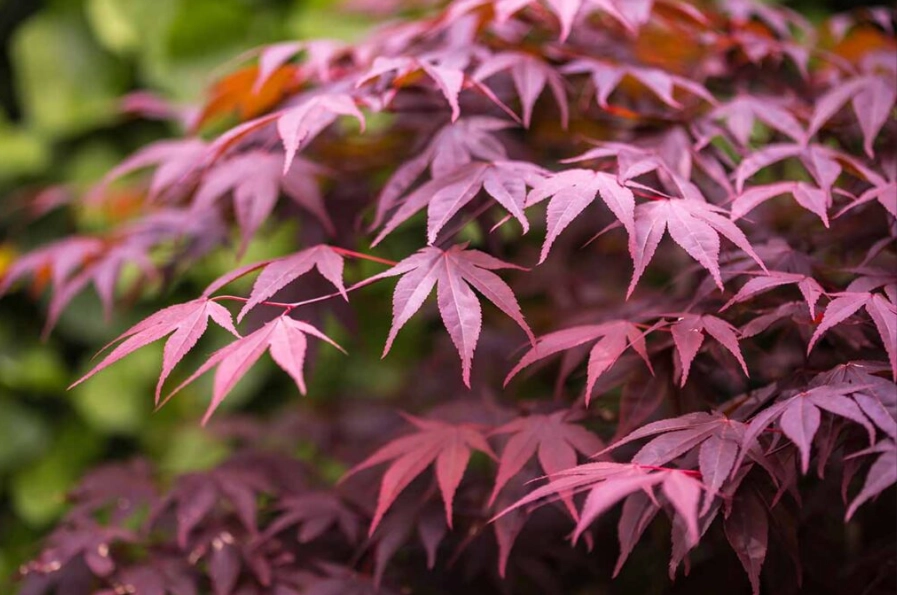
The Non-Negotiable Care Rules
Here's where I see the most mistakes, even from experienced gardeners. Japanese maples have specific needs, and treating them like any other tree is a recipe for disappointment.
Planting: Location is Everything
Think of their natural habitat: the understory of forests in Japan. They like dappled sunlight or morning sun with afternoon shade. In cooler climates (Zones 5-6), they can handle more sun. In hotter zones (7-8), afternoon shade is mandatory to prevent leaf scorch—those crispy, brown edges that ruin the look.
Soil: They demand well-drained soil. Soggy roots will kill them fast. If you have heavy clay, plant in a raised mound or bed. Amend the soil with plenty of compost, but avoid rich, water-retentive potting mixes that stay wet. A good rule is to dig a $100 hole for a $50 tree. Make it wide, not too deep.
Pro Tip I Learned the Hard Way: The north or east side of your house is usually ideal. Avoid windy, exposed spots, especially for laceleaf types, as the wind can shred those delicate leaves. I lost a beautiful 'Crimson Queen' to a windy winter because I didn't provide a windbreak.
Watering and Feeding: Less is Often More
Watering: Consistent moisture is key, especially for the first three years and for trees in containers. Deep watering once a week is better than frequent sprinkles. Let the top inch of soil dry out slightly between waterings. A mulch ring (2-3 inches of shredded bark, kept away from the trunk) is a lifesaver—it keeps roots cool and moist.
Feeding: This is a major pitfall. Japanese maples are not heavy feeders. In fact, over-fertilizing, especially with high-nitrogen fertilizers, causes weak, leggy growth and can reduce that intense fall color. If your soil is decent, you might not need to feed at all. If you do, use a slow-release, balanced fertilizer (like an organic 5-5-5) applied only in early spring, just as the buds begin to swell. Never fertilize in late summer or fall.
Pruning: The Art of Subtraction
Prune in late fall after leaves drop or in late winter/early spring before the sap starts running. This minimizes bleeding. The goal is to enhance their natural form, not to force a shape.
- Remove any dead, damaged, or crossing branches.
- For upright types, you can limb up the lower branches over time to create a graceful canopy.
- For laceleaf types, mainly just thin out interior branches to show off the structure. Never shear them like a hedge.
Most of the pruning on my trees involves me just standing back, looking, and removing one or two branches that disrupt the flow. It's more like editing a sentence.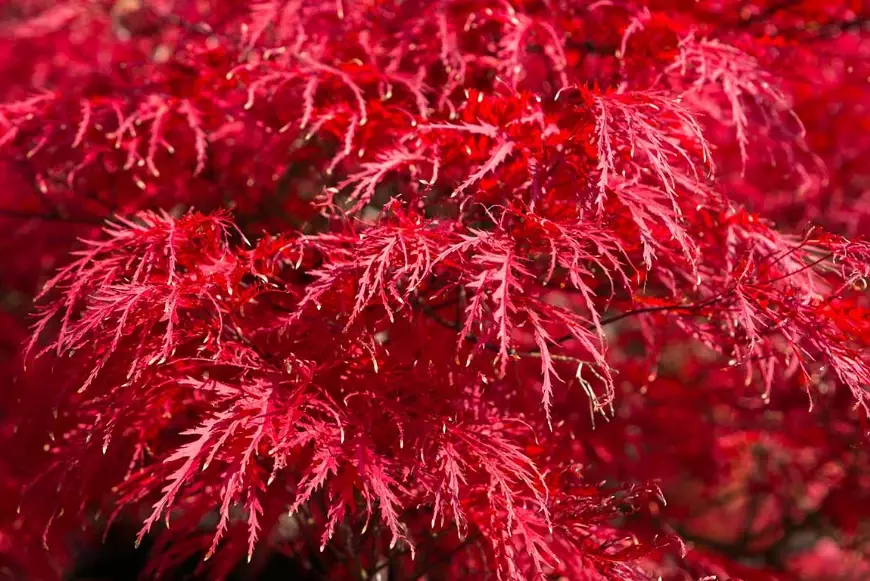
Using Japanese Maples in Your Garden Design
They're versatile. A single specimen makes a powerful focal point. A grouping of different forms and colors can create a stunning woodland vignette.
The Classic Focal Point: Plant an upright red cultivar like 'Emperor I' in the center of a lawn or at the end of a path. Underplant with shade-loving hostas, ferns, or hakone grass (Hakonechloa macra) for contrasting texture.
The Container Masterpiece: Dwarf or weeping varieties are perfect for large pots. Use a high-quality, well-draining potting mix. Container trees need more frequent watering and winter protection in very cold zones (wrap the pot to protect roots). A 'Crimson Queen' in a glazed blue pot on my patio is one of my most commented-on features.
The Zen Corner: Combine a laceleaf maple with smooth river rocks, a simple stone lantern, and a carpet of moss or mondo grass. Keep it simple and let the tree's form be the star.
The Seasonal Parade: Pair a 'Sango-kaku' (Coral Bark) with early spring bulbs (snowdrops, crocus), summer-blooming astilbes, and evergreen shrubs like boxwood. This gives you interest from the red winter bark through to fall.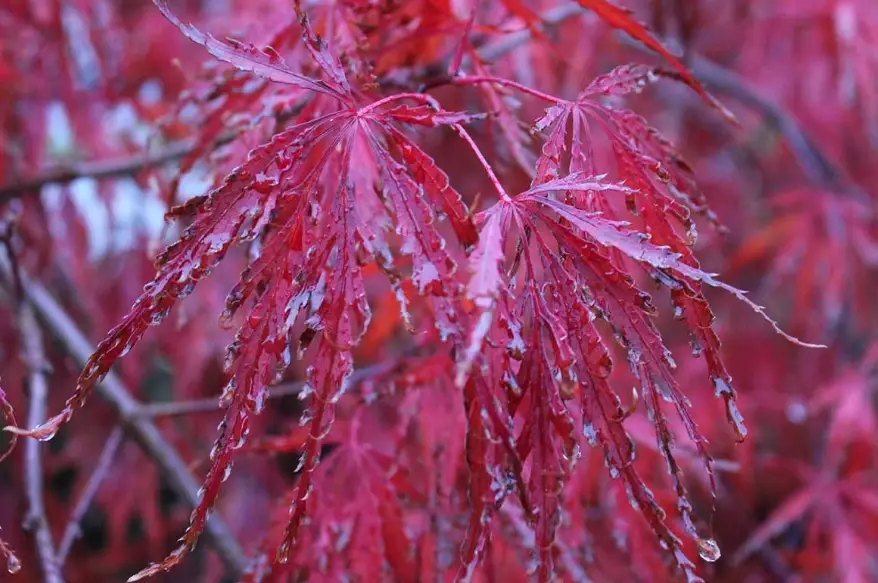
Expert Answers to Your Tricky Questions
 When is the absolute worst time to prune a Japanese maple?