Quick Guide Highlights
- Why Bother? The Real Cost of Ignoring Pests
- Know Your Enemy: The Most Common Household Pests
- The DIY Pest Control Arsenal: What Works and What's a Waste
- When to Call the Professionals: Decoding Pest Control Services
- Choosing the Right Pest Control Company: Your Checklist
- The Green Side of Pest Control: Are Natural Solutions Effective?
- Cost Breakdown: What Are You Really Paying For?
- Your Questions, Answered
- Wrapping It Up: Your Action Plan
Let's be honest, nothing ruins your peace of mind faster than spotting a cockroach scuttle across the kitchen floor or hearing the faint scratching of rodents in the attic at 2 AM. I've been there. A few years back, I had a minor ant problem I ignored. Big mistake. It turned into a full-blown colony setting up shop behind my dishwasher. That was the day I realized pest control isn't just about spraying chemicals; it's about reclaiming your space.
This guide isn't a dry manual. Think of it as a conversation with someone who's made the mistakes and learned what actually works. We'll walk through everything from why pests move in, to simple things you can do tonight, all the way to navigating the world of professional pest control services. My goal? To give you the knowledge so you're never caught off guard.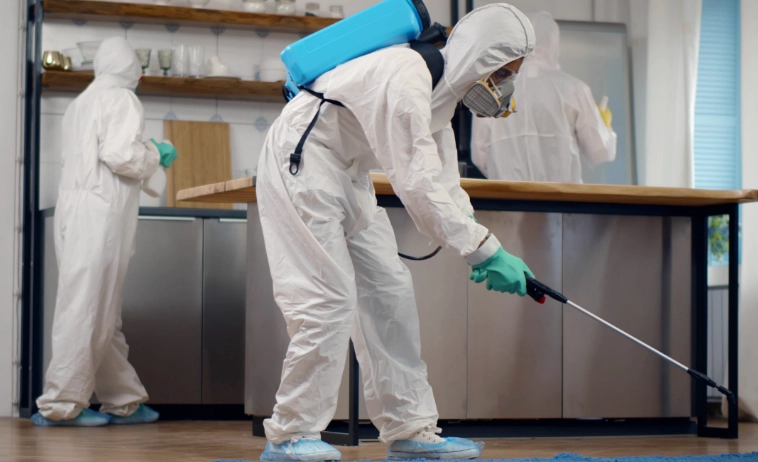
Here’s the thing most people miss: Effective pest management is more about prevention than reaction. It's a mindset shift from "How do I kill this?" to "Why is this here and how do I make my home unwelcoming?"
Why Bother? The Real Cost of Ignoring Pests
So why is pest control such a big deal? It's not just the ick factor. The consequences can be serious and expensive.
First, health risks. Rodents and cockroaches are notorious for spreading bacteria like Salmonella and E. coli. Their droppings and shed skin can trigger severe asthma and allergy attacks, especially in kids. Mosquitoes and ticks? They're vectors for diseases like West Nile Virus and Lyme disease. It's a public health issue, which is why organizations like the Centers for Disease Control and Prevention (CDC) provide extensive resources on pest-related health concerns.
Then there's property damage. Termites alone cause billions in structural damage annually in the U.S. Mice and rats will chew through electrical wiring, creating fire hazards, and ruin insulation. I once met a homeowner who had to replace an entire kitchen cabinet frame because of carpenter ants. The repair bill was staggering.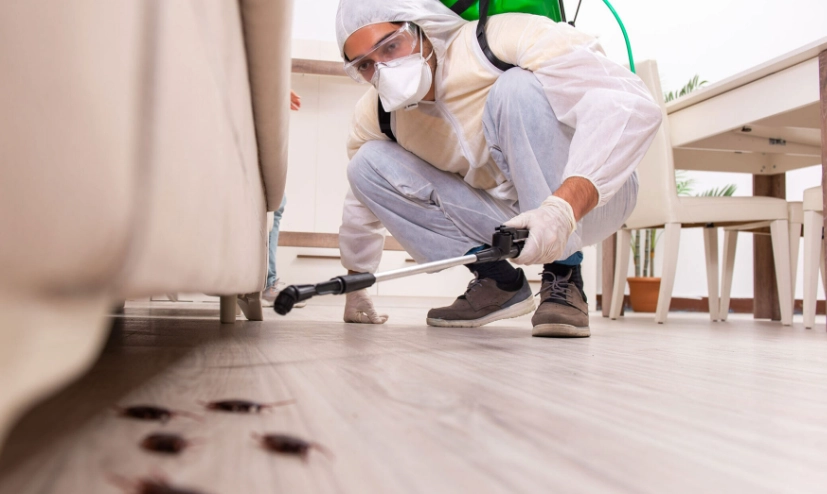
A quick but important warning: If you suspect termites or extensive structural damage, stop reading and call a professional inspector immediately. DIY won't cut it for established colonies.
Finally, the mental toll. The stress and anxiety of an infestation are real. You feel uncomfortable in your own home. It's draining.
Know Your Enemy: The Most Common Household Pests
You can't fight what you don't understand. Different pests require different strategies. Here’s a rundown of the usual suspects.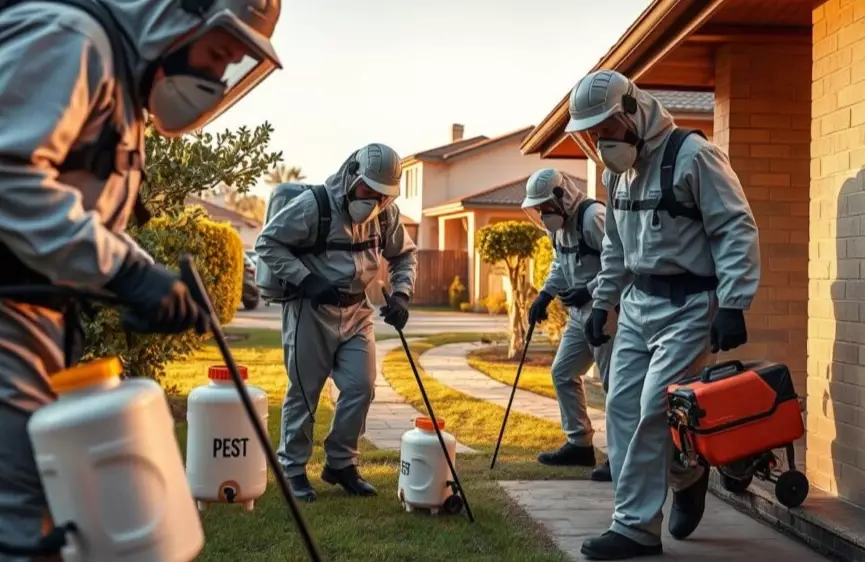
| Pest | Key Signs | Biggest Risk | Preferred Hangout |
|---|---|---|---|
| Rodents (Mice & Rats) | Droppings (small, dark pellets), gnaw marks, scratching noises at night, greasy rub marks along walls. | Disease transmission, electrical fire risk, contamination. | Attics, wall voids, basements, behind appliances. |
| Cockroaches (German/American) | Live sightings (often at night), small dark droppings resembling coffee grounds, oval egg cases (oothecae), musty odor. | Allergens, spread of pathogens like E. coli and Salmonella. | Warm, moist areas: under sinks, behind fridges, in motor compartments of appliances. |
| Ants (Carpenter, Pavement, Odorous) | Visible trails, small piles of frass (sawdust-like material for carpenters), nests in soil or wood. | Carpenter ants damage wood; others contaminate food. | Kitchens, bathrooms, near food sources, in damp or rotting wood. |
| Termites (Subterranean) | Mud tubes on foundation walls, discarded wings near windowsills, hollow-sounding wood, visible damage inside wood. | Severe structural damage to the building's frame. | Soil-to-wood contact, damp foundation areas, inside walls. |
| Spiders (Most are harmless) | Webs, egg sacs, and of course, the spiders themselves. | Most pose little threat; brown recluse and black widow bites are medically significant but rare. | Corners, basements, garages, cluttered storage areas. |
See a pattern? Moisture, food, and shelter. That's the pest trifecta. If you offer all three, you're sending an open invitation.
The DIY Pest Control Arsenal: What Works and What's a Waste
Before you call in the pros, there's a lot you can do yourself. For minor problems, a good DIY pest control strategy can be totally effective. Let's break it down.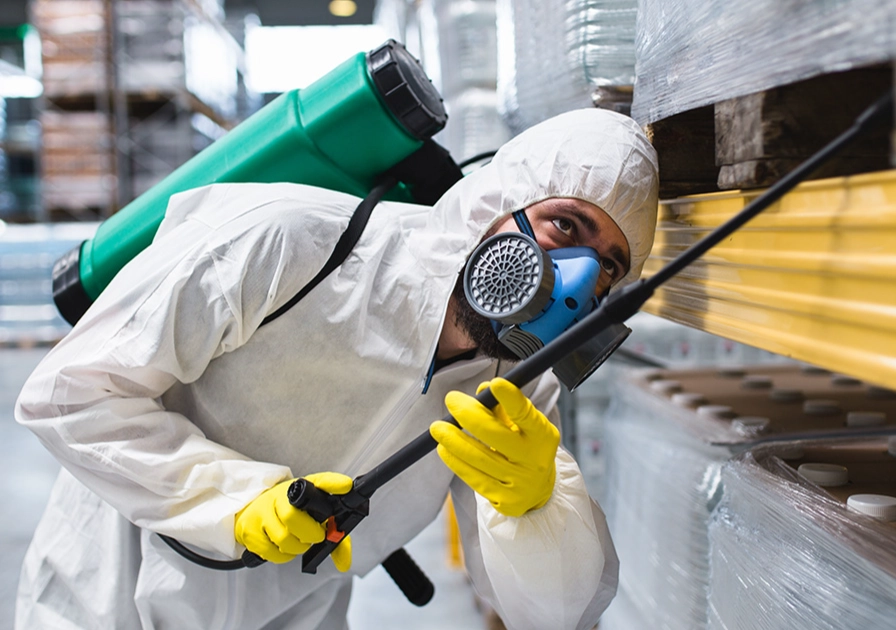
Prevention: Your First and Best Line of Defense
This is the boring but crucial stuff. It's about making your home a fortress.
- Seal It Up: Grab a tube of caulk and go on a mission. Seal cracks around windows, doors, pipes, and utility lines. Mice can squeeze through a hole the size of a dime. Use steel wool or copper mesh for gaps around pipes—they can't chew through it.
- Eliminate Food Sources: This sounds obvious, but be ruthless. Store dry goods (cereal, pasta, pet food) in airtight glass or plastic containers. Wipe down counters and sweep floors every night. Take the trash out regularly. Don't leave pet food bowls out overnight.
- Manage Moisture: Fix leaky faucets and pipes. Ensure downspouts direct water away from your foundation. Use a dehumidifier in damp basements or crawl spaces. Pests are drawn to water like magnets.
- Declutter: Reduce hiding spots. Get boxes off the garage floor, organize storage areas, and keep vegetation trimmed back from the house exterior.
I spent a weekend doing just this after my ant debacle. The difference was noticeable within days.
Direct Action: Traps, Baits, and Natural Remedies
When you see active pests, you need to respond. Here's a quick ranking of common methods based on my experience and research.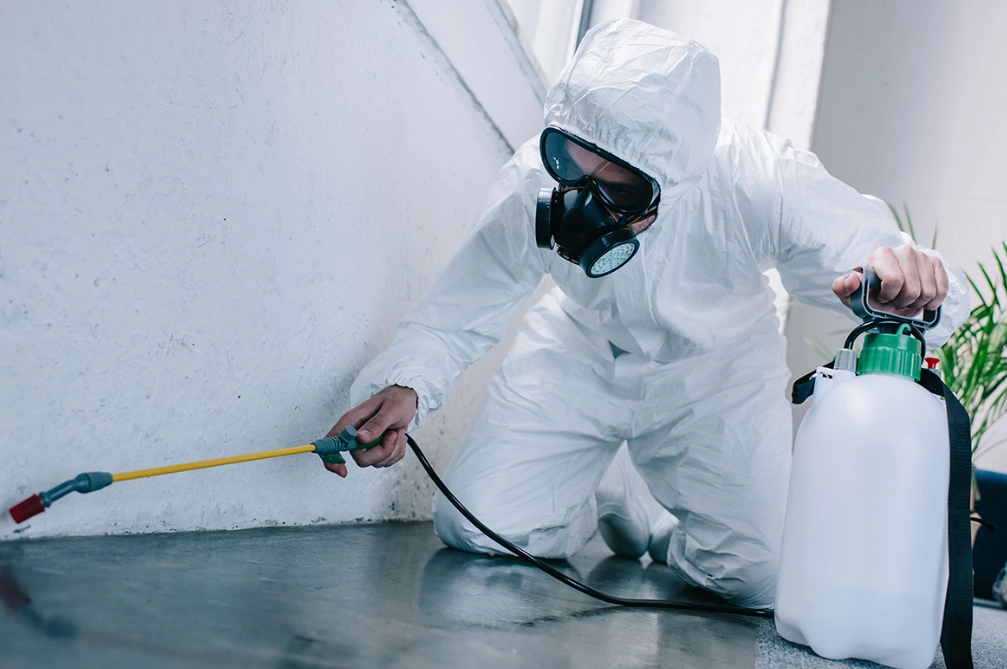
Top DIY Methods for Common Problems:
- For Ant Trails: Use borax/sugar baits. The workers take it back to the colony, eliminating the queen. Wiping the trail with vinegar disrupts their pheromone path.
- For the Odd Mouse: Good old snap traps, baited with peanut butter. Place them perpendicular to walls where you see droppings. Live traps sound nice, but then you have to deal with a live mouse... somewhere else.
- For Flying Insects: Fly swatters and electric zappers for immediate issues. For prevention, install and maintain window screens.
- For General Barrier Spray: A perimeter spray of a natural product like peppermint oil mixture can deter spiders and ants. Reapply after rain.
But what are the limits? DIY pest control hits a wall when the infestation is large, hidden, or involves dangerous pests like termites or wasps. You might kill the ones you see, but miss the nest. That's a recipe for recurrence.
It's a constant dance, not a one-time fix.
When to Call the Professionals: Decoding Pest Control Services
This is where many homeowners get stuck. How do you know it's time? And how do you pick a company that won't just take your money?
You should seriously consider professional pest control services if:
- You have a recurring problem that DIY methods fail to solve.
- You see signs of termites, carpenter ants, or other wood-destroying organisms.
- The infestation is widespread or in inaccessible areas (inside walls, deep in the attic).
- You're dealing with potentially dangerous pests (wasps, hornets, venomous spiders).
- You simply don't have the time, desire, or comfort level to handle it yourself.
Professional services bring expertise, stronger (and often more targeted) products, and ongoing monitoring plans. They can identify the root cause, not just treat the symptom.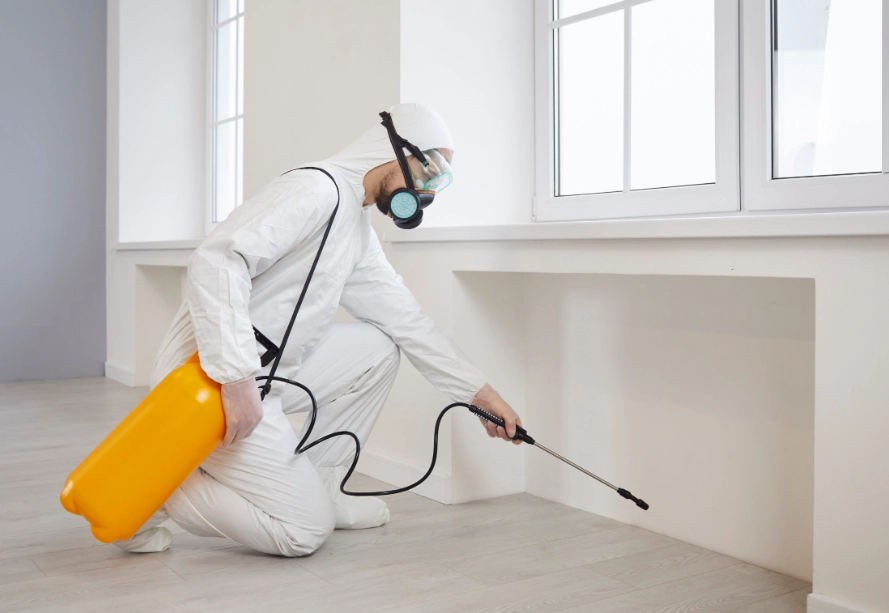
What to Expect During a Professional Service
A good technician will start with a thorough inspection, inside and out. They should point out what they're seeing, explain the pest's biology, and propose a treatment plan. Ask questions! A reputable company welcomes them.
Treatments vary. It could be interior crack-and-crevice treatments, exterior perimeter sprays, bait station placement for rodents, or termite soil treatments. The National Pest Management Association (NPMA) sets standards and provides great consumer guides on what constitutes proper service.
Red Flags in a Pest Control Company: High-pressure sales tactics, refusing to show a license, quoting a price over the phone without an inspection, guaranteeing complete elimination of all pests forever (nothing is forever), or using scare tactics about immediate structural collapse.
Choosing the Right Pest Control Company: Your Checklist
Don't just pick the first name in a Google ad. Do a little homework. It pays off.
- Get Multiple Quotes: Talk to at least three companies. The price range can be surprising.
- Verify Licensing and Insurance: This is non-negotiable. Ask for their state pesticide applicator license number and proof of insurance. You can usually verify licenses online through your state's Department of Agriculture.
- Ask About Their Methods: Are they using sprays, baits, or Integrated Pest Management (IPM) techniques? IPM focuses on long-term prevention with minimal chemical use—it's often the smarter approach. The U.S. Environmental Protection Agency (EPA) has excellent resources explaining IPM principles.
- Read the Contract Carefully: Understand what's included. Is it a one-time treatment or a yearly plan? What pests are covered? What's the re-treatment policy if pests return? Get everything in writing.
- Check Reviews & Ask for References: Look beyond the company's website. Check Google, Yelp, and the Better Business Bureau. A good company will have a mix of reviews and be responsive to negative ones.
I made the mistake of not checking reviews once. The guy showed up late, was rude, and did a shoddy job. I learned my lesson.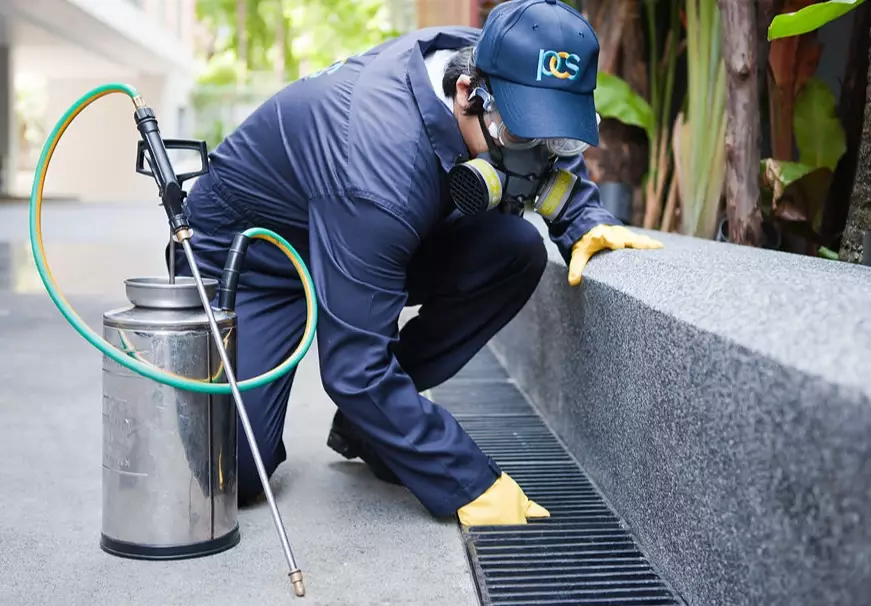
The Green Side of Pest Control: Are Natural Solutions Effective?
With growing concerns about chemicals, many people ask about natural or green pest control. It's a valid question.
Yes, many natural methods are effective, particularly for prevention and minor issues. Diatomaceous earth (a fine powder that dehydrates insects), essential oil sprays (peppermint, citrus), and proper sanitation can work wonders.
But you need to be realistic. A severe German cockroach infestation or a termite colony will likely require more potent, professionally applied products. The key is that professionals today have access to a new generation of targeted, low-toxicity products that are much safer for people and pets than the broad-spectrum sprays of the past.
The term "green" isn't regulated in pest control, so ask companies to specify what they mean. Do they use EPA-designated "reduced-risk" pesticides? Do they prioritize IPM? That's more telling than a vague marketing term.
Cost Breakdown: What Are You Really Paying For?
Let's talk money. Costs vary wildly by region, pest, and property size.
- One-Time General Treatment: For a standard insect problem (ants, spiders, roaches), you might pay $150-$350 for an initial treatment of an average-sized home.
- Ongoing Quarterly/Annual Plans: These are popular for maintenance. Expect $300-$600 per year. They typically include 3-4 visits and cover common pests.
- Specialized Treatments: Termite treatments can range from $1,200 to $4,000+ depending on the method (liquid vs. bait) and home size. Bed bug eradication is notoriously expensive, often $1,000-$2,500 for heat or chemical treatment.
- Rodent Exclusion/Removal: This can be a few hundred dollars for trapping and sealing entry points, or several thousand for a full-home exclusion if the problem is severe.
Think of it as an investment in your home's health and your family's comfort.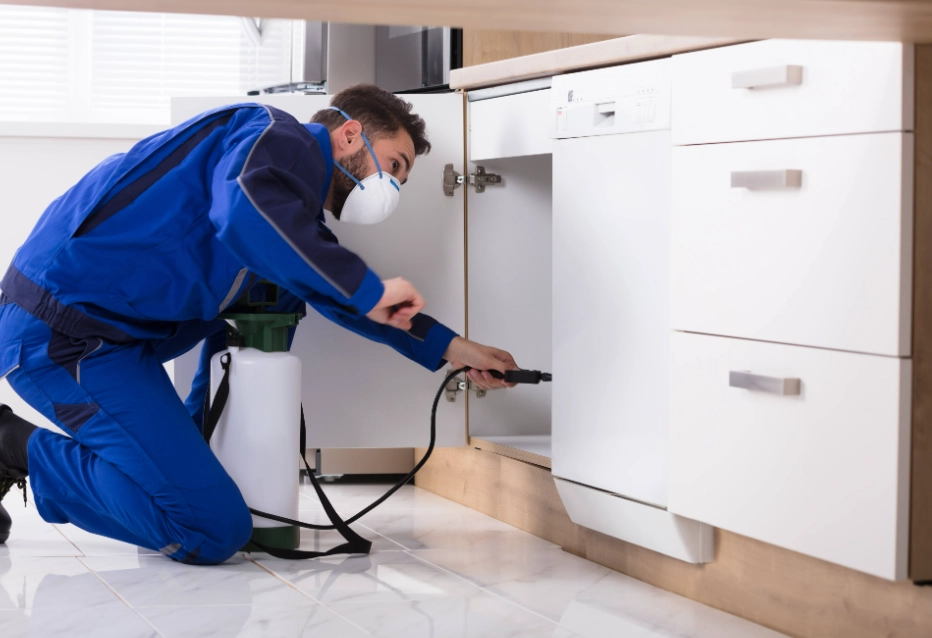
Your Questions, Answered
Here are some of the most common questions I get about pest control.
How often should pest control be done?
For prevention, a professional treatment every quarter (3-4 times a year) is standard. In warmer climates, you might need it more often. DIY maintenance should be ongoing—checking seals, managing moisture, etc.
Are pest control chemicals safe for my pets and kids?
When applied correctly by a licensed professional using modern products, the risk is very low. Technicians use targeted applications, not whole-house fogging. The key is following the label instructions for re-entry time. Always ask the company about their specific safety protocols.
I just had my house treated, but I still see pests. Is that normal?
Sometimes, yes. You might see increased activity shortly after treatment as pests are driven out of hiding before they die. For baits (like for ants or roaches), it can take days or weeks for the colony to be affected. Give it some time, but don't hesitate to call your provider if activity continues beyond what they told you to expect.
What's the difference between extermination and pest control?
This is a great question. "Extermination" implies a one-time, kill-everything approach. Modern pest control is more about ongoing management. It's a long-term strategy of monitoring, prevention, and targeted intervention. Management is usually more effective and sustainable.
Can I do pest control myself if I'm pregnant?
You should be extremely cautious. It's best to avoid handling pesticides and doing extensive treatments yourself. Focus on non-chemical prevention (sealing, cleaning) and have someone else handle any necessary pesticide application, or better yet, hire a pro and discuss your concerns with them beforehand.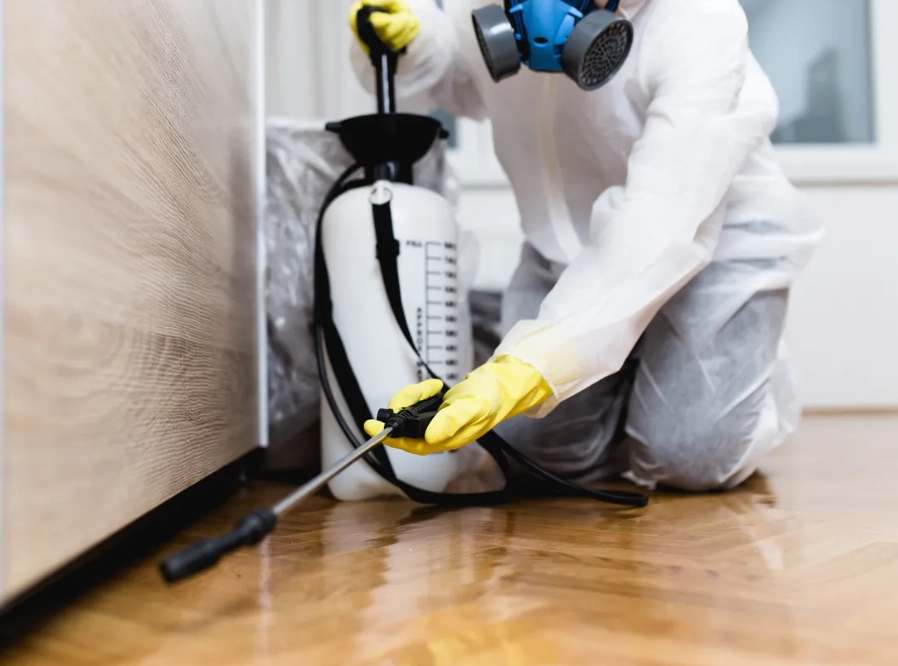
Wrapping It Up: Your Action Plan
Alright, let's bring this home. If you take nothing else from this guide, remember these three steps:
- Inspect and Prevent. Walk around your home's interior and exterior this weekend. Look for cracks, moisture, and clutter. Seal, fix, and clean. This is 80% of the battle.
- Identify and Act. If you have pests, figure out what they are. Use the table above. Start with targeted DIY methods for small problems.
- Know Your Limits. If the problem is big, dangerous, or keeps coming back, call a professional. Use the checklist to vet them.
Effective pest control is a partnership. You do your part with maintenance, and you partner with professionals when needed. It's not about having a perfectly sterile home—that's impossible. It's about being the least attractive house on the block to pests.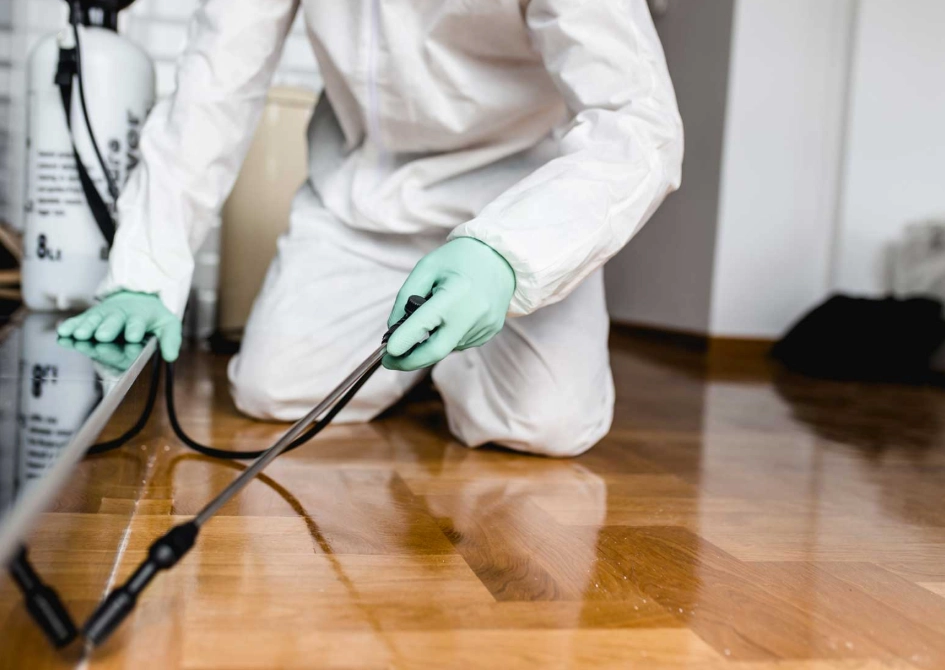
It took me a while to get there, but now pest management is just another part of homeownership, like changing the air filter. It's proactive, not panicked. And that's a much more peaceful way to live.