Quick Guide
- The Unseen Engine of Your Plate: Why Bees Matter More Than You Think
- Who's Who in the Hive? (Spoiler: It's Not All Honey Bees)
- The Perfect Storm: What's Actually Killing the Bees?
- From Worry to Action: What You Can Actually Do to Help
- Beekeeping: Savior or Sidetrack?
- Answering Your Bee Questions
- Wrapping It Up: A Change in Perspective
You've probably heard the headlines. "Bees are dying." "Save the bees!" It's everywhere, from documentaries to cereal boxes. But after a while, those messages just become noise. You might even think, "Okay, but what does that actually mean for me?" I used to feel the same way. Then, a few summers ago, I tried to grow tomatoes on my balcony. The plants flowered like crazy, but almost every blossom just fell off. No fruit. A gardener friend took one look and said, "No bees around here, huh?" That was my lightbulb moment. This wasn't just a sad story about nature; it was a problem happening right outside my window, affecting my pathetic little tomato dream. So let's cut through the noise. What's really happening to bees, why should you genuinely care, and more importantly, what can any of us actually do about it?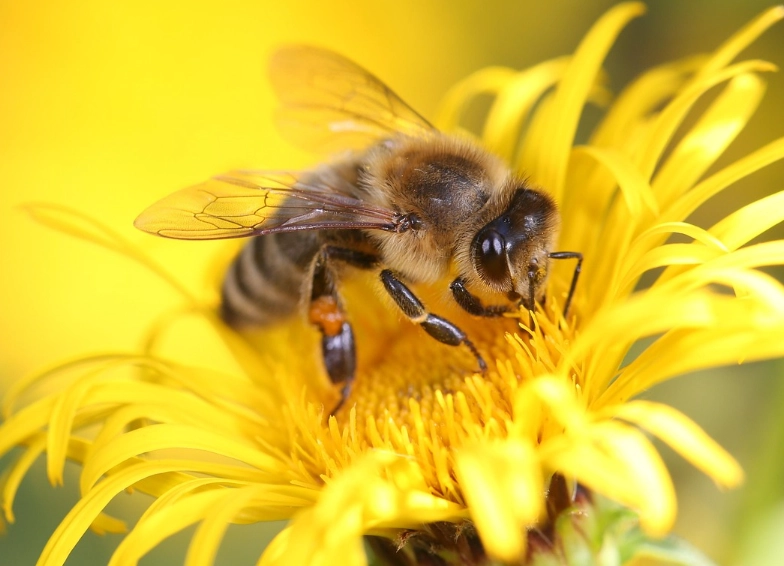
The Unseen Engine of Your Plate: Why Bees Matter More Than You Think
We often reduce bees to honey makers and occasional stingers. That's like calling a smartphone a fancy flashlight. It misses the point entirely. The real magic of the bee is pollination. As they move from flower to flower collecting nectar and pollen for food, they accidentally transfer pollen grains, enabling plants to produce seeds and fruit. This isn't just a helpful service; for many crops, it's non-negotiable.
The numbers are staggering. According to the Food and Agriculture Organization of the United Nations, over 75% of the world's food crops depend to some extent on animal pollination, with bees being the superstar pollinators. We're talking about almonds, blueberries, cherries, cucumbers, and a huge list of other foods. The U.S. Department of Agriculture estimates that honey bees alone contribute over $15 billion to the value of U.S. crop production each year. That's not just an environmental issue; it's an economic one that hits farmers' livelihoods and our grocery bills.
But it goes beyond farms and supermarkets. Wild bees and other pollinators are crucial for the reproduction of most flowering plants in natural ecosystems. These plants provide food and habitat for other wildlife, prevent soil erosion, and produce the oxygen we breathe. The humble bee is a keystone species, holding up a vast and complex web of life. Lose the bee, and that web starts to unravel in ways that are difficult to predict but easy to fear.
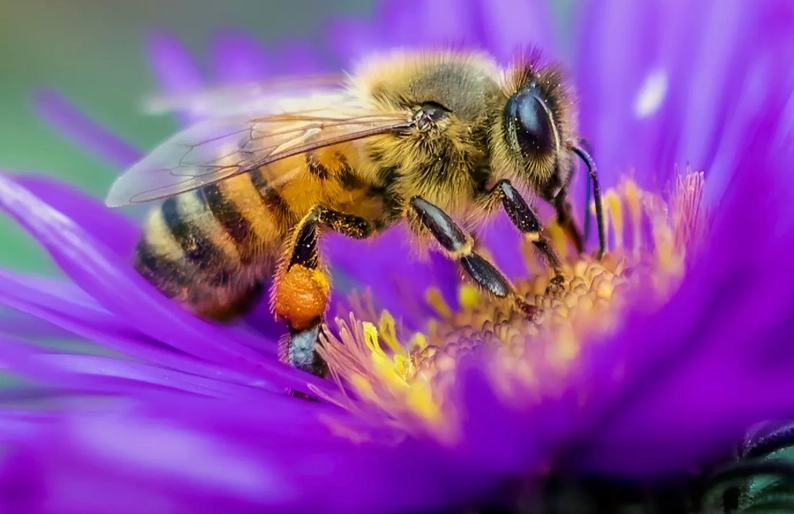 No bees, no blueberries. It really can be that simple.
Who's Who in the Hive? (Spoiler: It's Not All Honey Bees)
Here's a common misconception: all bees live in hives, make honey, and work for a queen. Actually, that describes only honey bees, which are just one species (Apis mellifera) introduced to places like North America from Europe. Focusing solely on them ignores a breathtaking diversity of native bees that are often even more effective pollinators for specific plants.
Most bee species are solitary. The female does all the work: she builds a nest (often in the ground or in hollow stems), collects pollen and nectar, lays an egg on the food pile, seals the chamber, and then does it all over again. She never meets her offspring. Then there are bumble bees, which are social but in much smaller, annual colonies that die out in winter, with only new queens surviving. These native bees are vital, and many are in even steeper decline than honey bees because they have more specific habitat needs.
| Bee Type | Social Structure | Where They Live | Key Pollination Role | Conservation Status Note |
|---|---|---|---|---|
| Honey Bee (Apis mellifera) | Highly social, large perennial colonies | Managed hives, sometimes wild swarms in cavities | Generalist, crucial for many commercial crops (almonds, etc.) | Managed by beekeepers, but suffering high colony losses. |
| Bumble Bee (e.g., Bombus spp.) | Social, small annual colonies (50-400 bees) | Abandoned rodent holes, grassy tussocks | Excellent for tomatoes, peppers, blueberries ("buzz pollination") | Many species in serious decline due to habitat loss. |
| Mason Bee (Osmia spp.) | Solitary | Hollow stems, holes in wood, bee hotels | Super-efficient spring fruit tree pollinator (apple, cherry) | Great candidate for backyard conservation with bee houses. |
| Leafcutter Bee (Megachile spp.) | Solitary | Hollow plant stems, soft wood | Important for alfalfa, beans, peas, wildflowers | Uses leaf pieces to build nest cells. Fascinating to observe. |
| Mining Bee (Andrena spp.) | Solitary | Small burrows in bare, sandy soil | Critical early-spring pollinators for fruit trees and berries | Often mistaken for flies. Requires undisturbed ground. |
Looking at that table, it's clear the story is bigger than one species. When we talk about "saving the bees," we need to think about this whole community. A managed honey bee hive might be trucked into an almond orchard for pollination season, but the native mason bees and mining bees are the ones quietly ensuring your local apple trees and berry bushes fruit year after year.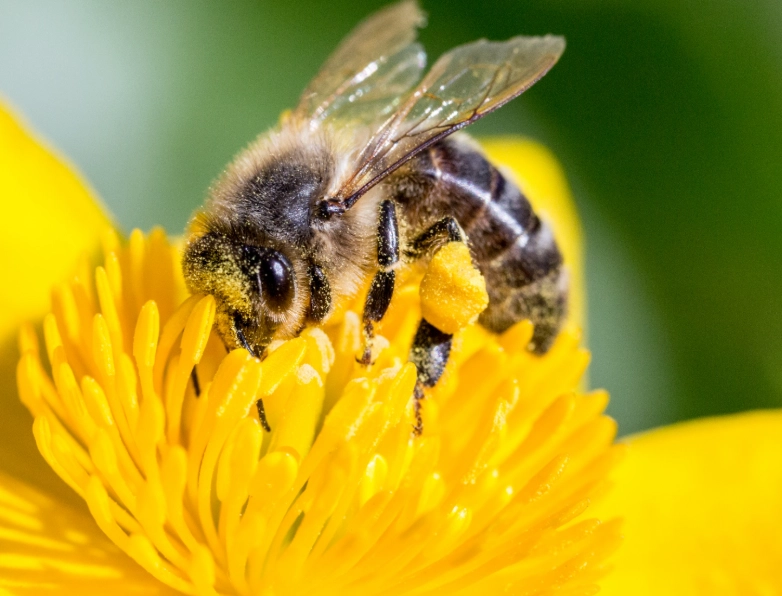
The Perfect Storm: What's Actually Killing the Bees?
There's no single villain. It's a combination of pressures that creates a deadly synergy. Think of it like a person trying to run a marathon while fighting the flu, breathing polluted air, and only getting junk food to eat. Any one stressor is bad; together, they can be catastrophic.
Habitat Loss and Fragmentation
This is the big one, in my opinion. We've turned sprawling meadows, wild hedgerows, and diverse forests into manicured lawns, monoculture farms, and concrete sprawl. For a bee, a suburban lawn is a food desert. There's nothing to eat. They need a continuous supply of pollen and nectar from early spring to late fall. No food means no bees. It's that simple. The Xerces Society for Invertebrate Conservation does fantastic work highlighting this issue, noting that the loss of foraging and nesting sites is a primary driver of decline.
Pesticides, Specifically Neonicotinoids
This is the issue that gets the most press, and for good reason. Neonicotinoids are a class of systemic insecticides. This means the plant absorbs them, and they're present in pollen and nectar. Bees are exposed to low doses continuously. The science is pretty damning. These chemicals don't always kill bees outright; they impair navigation, reduce reproduction, and weaken immune systems, making bees more susceptible to other threats. It's a slow poison. While some regulations have tightened, their widespread use in agriculture and even in common garden center plants remains a huge problem.
Diseases and Parasites
The Varroa destructor mite is a nightmare for honey bees. This tiny parasite latches onto bees, weakening them and spreading viruses. It's a major factor in Colony Collapse Disorder (CCD), where worker bees abandon a seemingly healthy hive. For wild bees, fungal diseases and other parasites can also take a toll, especially when their immune systems are compromised by pesticides or poor nutrition.
Climate Change
This is the wildcard. Changing temperatures and weather patterns can desynchronize bees and the flowers they rely on. A bee might emerge from hibernation too early, only to find its food flowers haven't bloomed yet. Or a late frost might wipe out a critical early bloom. Extreme heat can also be deadly. Climate change amplifies all the other stressors.
So you see, it's a mess. A bee dealing with poor nutrition from habitat loss is far more likely to succumb to a low dose of pesticide or a mite-borne virus. The solutions, thankfully, need to be just as interconnected.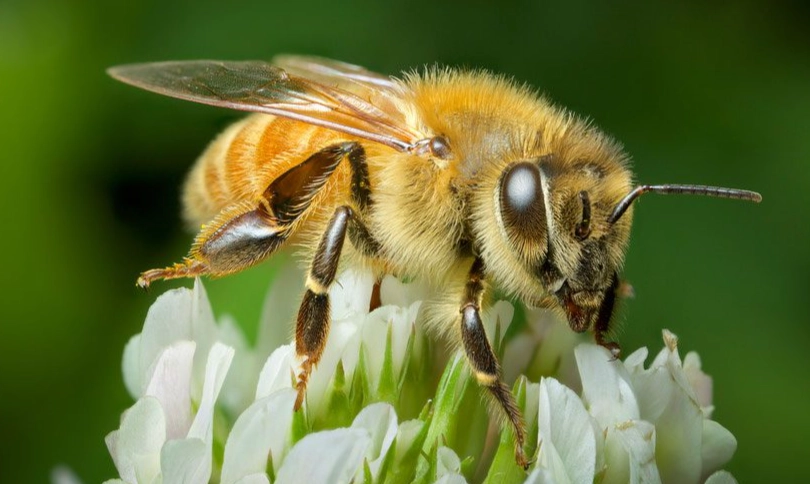
From Worry to Action: What You Can Actually Do to Help
Okay, enough with the doom and gloom. This is where we roll up our sleeves. You don't need 50 acres or a beekeeping suit to make a real difference. In fact, some ecologists argue that our cities and suburbs, with thoughtful intervention, could become havens for pollinators.
Plant for Bees, Not Just for Looks. Ditch the sterile, flowerless shrubs and the overly hybridized, double-petaled flowers that often produce no pollen or nectar. Go for native plants. They've co-evolved with your local bees and are perfectly suited to feed them. Goldenrod, coneflower, bee balm, salvia, sunflowers, lavender (if it suits your climate) – these are all fantastic. The key is to have something blooming in every season. Don't know where to start? The Pollinator Partnership has regional planting guides that are incredibly helpful.
Leave the "Weeds." I know, it goes against every gardening instinct. But clover and dandelions in your lawn are bee superfoods, especially in early spring when little else is blooming. Consider mowing less often, or letting a section of your lawn grow wild. You'll be amazed at what native flowers pop up.
For solitary bees, you can buy or build a simple "bee hotel" – a block of wood with holes drilled in it, or a bundle of hollow bamboo canes. Place it facing the morning sun, and secure it so it doesn't swing. But here's a bigger tip: leave some bare, undisturbed ground. About 70% of native bees nest in the ground. A perfectly manicured, mulched garden leaves them nowhere to go.
For bumble bees, leave piles of leaves, old rodent holes (if you can stand it), or even install a specially designed bumble bee box. They're less picky than you'd think.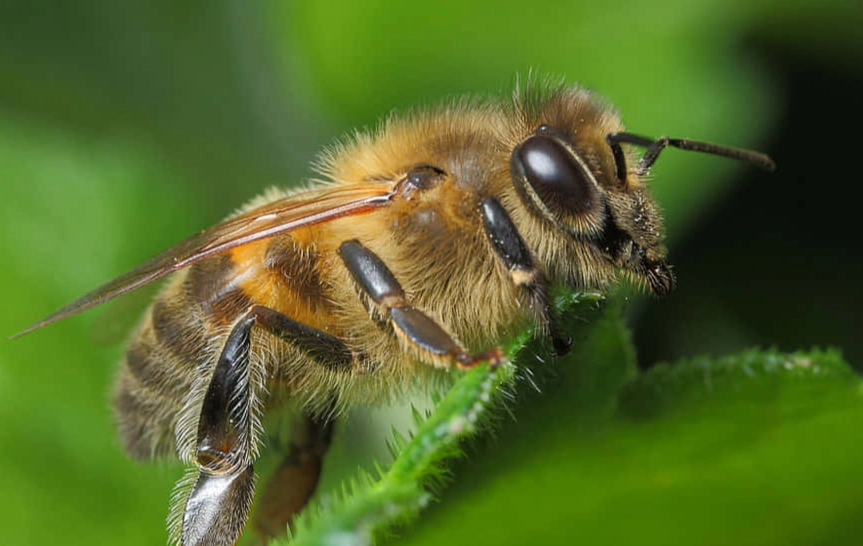
Stop using insecticides in your garden. Full stop. If you have a pest problem, look into integrated pest management (IPM) techniques. Encourage natural predators like ladybugs and birds. Use physical barriers or hand-pick pests. Your garden will become a more balanced, resilient ecosystem. And remember to ask about neonicotinoids when buying plants or soil amendments.
Beekeeping: Savior or Sidetrack?
This is a touchy subject. Many people hear "save the bees" and immediately think of getting a honey bee hive. I considered it myself. But here's the nuanced truth: keeping honey bees is like keeping chickens. You're managing a livestock animal, not saving wildlife.
Honey bees are important for agriculture, and responsible beekeepers play a key role. But in many areas, introducing more honey bee hives can actually put pressure on native bees by competing for the same scarce floral resources. It's like releasing a herd of very efficient cows into a meadow where wild deer are already struggling to find grass.
My take? If you're passionate about honey and want to take on the significant commitment (it's not cheap or easy – trust me, I've seen friends struggle), take a course from your local beekeepers' association, like the British Beekeepers' Association or a regional equivalent in your country. Do it to be a beekeeper, not just a bee saver. For most of us, the best way to save bees is to create habitat for all pollinators, not just manage one species.
Answering Your Bee Questions
Wrapping It Up: A Change in Perspective
This isn't about turning everyone into a hardcore environmentalist. It's about a simple shift in perspective. See your outdoor space not just as *yours*, but as a piece of a shared ecosystem. That dandelion isn't an enemy; it's a spring meal for a hungry bee. That bare patch of soil isn't ugly; it's a potential apartment building for mining bees.
The fate of the bee is intricately tied to our own food security and the health of the natural world. The solutions are hands-on, local, and deeply gratifying. It starts with a single plant. It starts with tolerating a little "messiness" in the name of life. My tomato yield is still nothing to brag about, but now my balcony is buzzing with all sorts of small bees and flies. That buzz, to me, is the sound of success. It's the sound of a system working. Let's make that sound louder, one garden, one balcony, one community at a time.