Quick Guide to Beetle Topics
- Meet the Neighbors: Common Beetles You Might Know
- Why Beetles Actually Run the World (The Good Stuff)
- When Beetles Become a Problem (The Less-Good Stuff)
- Beetle Life Cycle: A Transformation Story
- Friend or Foe? A Quick-Reference Guide for Gardeners
- Living With Beetles: Smart Strategies, Not War
- Beetles in Culture and History
- Answering Your Beetle Questions (FAQs)
- Wrapping It Up: A New Lens to Look Through
Let's talk about beetles. You've seen them. That little iridescent green one zipping past your porch light on a summer evening. The clumsy black one that bumbles against your window screen. The tiny red one with spots, perched on a leaf in your garden. They're everywhere, and I mean everywhere. From the deepest rainforest to the crack in your sidewalk, beetles have claimed the planet as their own. But what's the big deal? Why should we care about these often-overlooked six-legged creatures?
I used to just swat them away or barely give them a second glance. Then I spent a summer helping a friend who's an entomologist, and my whole perspective flipped. The world of beetles is wild, complex, and utterly essential. It's not just about pests eating your roses. It's about a hidden workforce that keeps our ecosystems ticking. This guide is my attempt to unpack all of it—the good, the bad, the weird, and the wonderful—so you can see your garden, and the world, a little differently.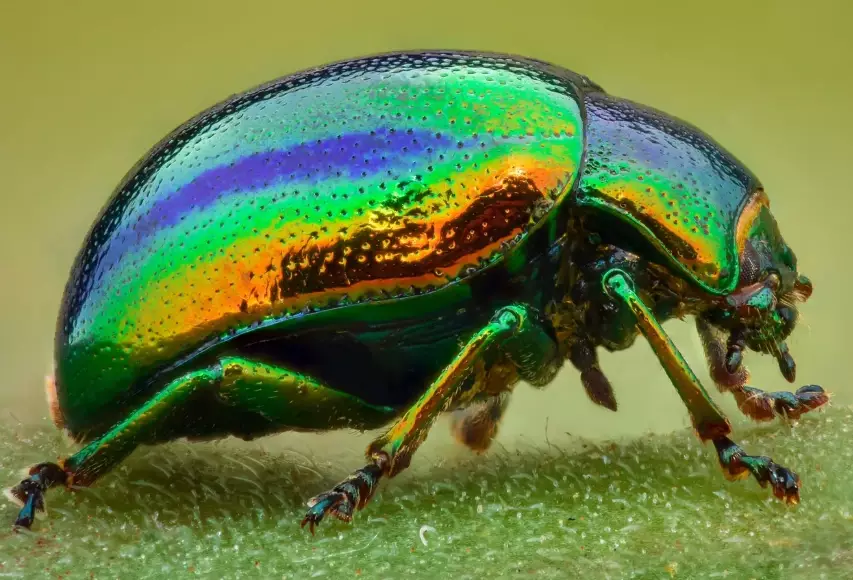
Here's a mind-bender to start with: One out of every four animals on Earth is a beetle. Let that sink in. For every bird, mammal, fish, and reptile you can think of, there are countless beetles. Scientists have described over 400,000 species, and they suspect millions more are waiting to be found. They win the diversity game, hands down.
Meet the Neighbors: Common Beetles You Might Know
You don't need to go on a safari to start beetle spotting. Your backyard is a prime habitat. Here are a few characters you're likely to run into.
The Garden's Best Friend: Ladybugs
Everyone loves a ladybug. That classic red shell with black polka dots is just cheerful. But their real value isn't their looks—it's their appetite. A single ladybug larva can munch through 50 aphids a day. I once had an aphid infestation on my pepper plants that was getting depressing. I bought a container of live ladybugs from a garden center (yes, you can do that), released them in the evening, and within a week, the aphids were just… gone. The ladybugs had cleaned house and moved on. They're efficient, voracious, and completely organic pest control. If you see them, consider yourself lucky and leave them be.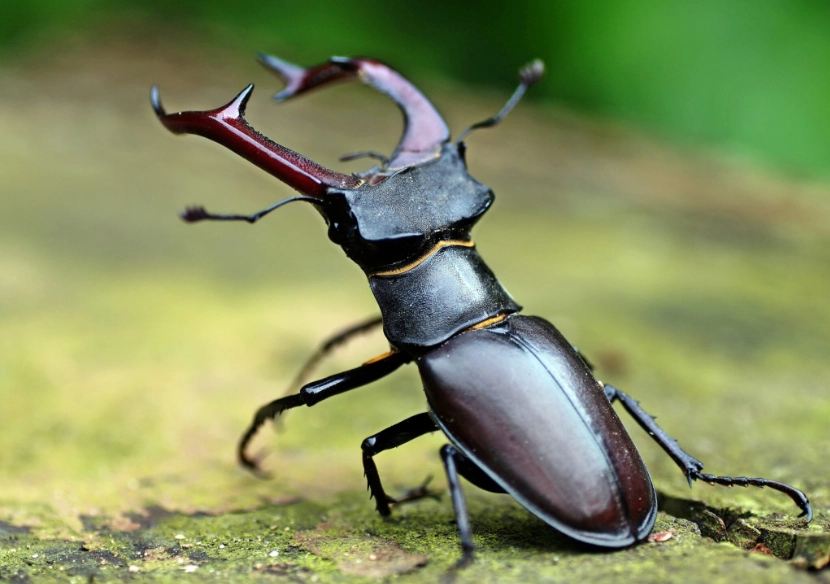
The Gentle Giant: The Stag Beetle
Now, these can be startling. The males have those huge, antler-like mandibles that look like they could take off a finger. The truth is much less dramatic. They're mostly for show—wrestling other males for mates. They can't even bite down with much force. I found one once, a magnificent, glossy black creature, just sitting on a log. It looked prehistoric. They spend most of their lives, up to seven years, as fat, creamy grubs munching on rotten wood underground. That's a long childhood! They're harmless and, sadly, becoming rarer in many places due to habitat loss. If you find one, it's a special event.
The Night's Lantern: Fireflies
Bet you didn't think of fireflies as beetles, did you? They are! They're soft-bodied beetles that have turned their rear ends into magical light shows to attract mates. Watching them on a warm night is pure nostalgia. But their populations are dipping, and it's a real shame. The main culprit seems to be light pollution—our bright porch lights and streetlights confuse them, messing up their dating signals—and habitat loss. Turning off unnecessary outdoor lights on summer nights is a small thing we can do to help these living fairy lights.
And that's just three. There are weevils (the ones with the long snouts), ground beetles (speedy predators that hunt at night), dung beetles (nature's ultimate recyclers), and thousands more.
Why Beetles Actually Run the World (The Good Stuff)
It's easy to label any bug a pest. But most beetles are working tirelessly behind the scenes doing jobs we'd be lost without. Think of them as nature's cleanup crew, security detail, and delivery service all rolled into one.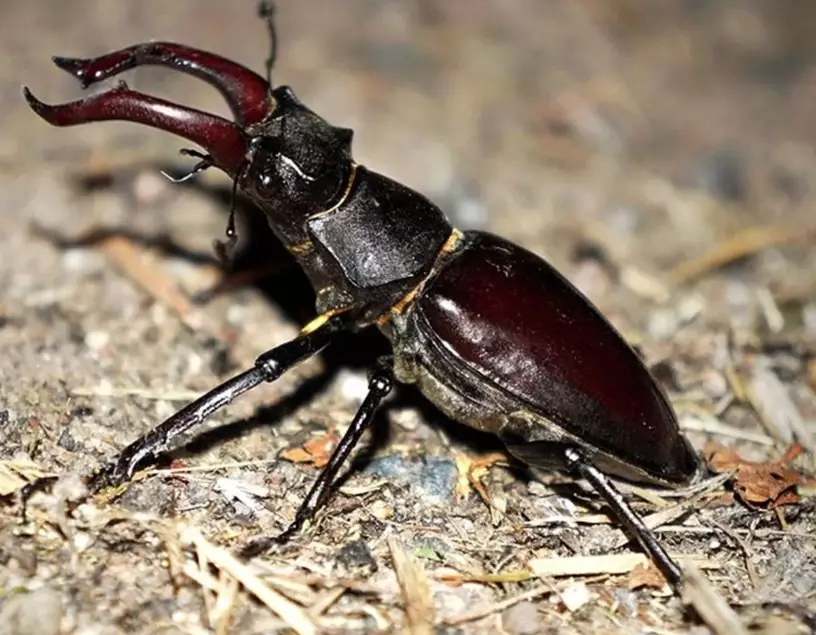
The Decomposers: This is a big one. What happens to fallen trees, dead leaves, and animal waste? Beetles like burying beetles, dung beetles, and many larvae are primary recyclers. They break down this organic matter, returning nutrients to the soil so plants can use them again. Without them, we'd be buried in literal waste, and forests would struggle. The Royal Entomological Society has loads of research on how vital these ecosystem services are. They're the reason the world isn't a giant, stagnant compost heap.
The Pest Police: Remember the ladybug? It's not alone. Ground beetles, rove beetles, and soldier beetles are all predatory hunters. They target slugs, snails, caterpillars, and other insects that can damage crops and gardens. They provide a free, 24/7 pest control service. Encouraging these beetles is a cornerstone of integrated pest management (IPM), a smart farming and gardening approach that reduces the need for chemicals.
The Pollinators: Bees get all the credit, but many beetles are ancient pollinators. They were visiting flowers long before bees evolved. Some, like flower chafers and soldier beetles, are still important pollinators for certain plants, including magnolias and some fruit trees. They might be a bit messier than a bee, but they get the job done.
I have a confession. I used to be terrified of the big, fast ground beetles that sometimes wandered into my basement. They looked like mini tanks. Learning they were hunting down cellar spiders and other critters I liked even less completely changed my reaction. Now I gently escort them back outside. Perspective is everything.
When Beetles Become a Problem (The Less-Good Stuff)
But let's be fair. Not all beetle press is good press. Some species have earned their bad reputations, especially when they turn up where we don't want them.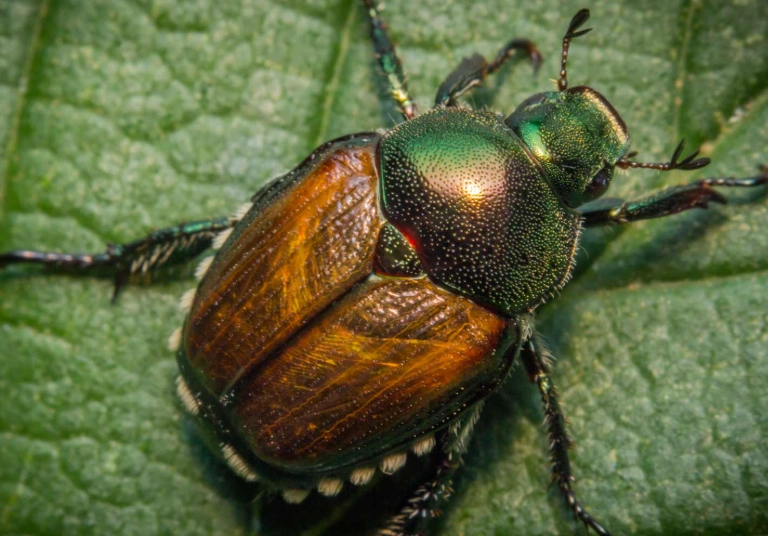
The Household Invaders
This is where people usually start searching for answers. You find small, brown beetles in your flour (probably drugstore beetles or saw-toothed grain beetles). Or you notice odd, pinpoint holes in your wood furniture, with fine dust underneath (a telltale sign of powderpost beetles). Carpet beetles are another common one—their tiny, hairy larvae feed on natural fibers like wool, silk, and even pet hair, damaging clothes and carpets.
The key here isn't panic, but identification and targeted action. Is it actually a beetle? Is it coming from inside or outside? Blanket spraying insecticide is often overkill and can harm the good guys too.
The Garden Munchers
Japanese beetles are the poster children for garden rage. They emerge in midsummer and can skeletonize rose leaves, grapevines, and dozens of other plants in a shockingly short time. Colorado potato beetles can devastate potato and tomato plants. Asparagus beetles do what their name suggests.
Here's my take, after years of gardening: a little damage is okay. It means your garden is part of an ecosystem. The problem starts when the balance tips. Often, an outbreak of a "pest" beetle is a symptom of a bigger issue—monoculture planting, lack of predator habitat, or poor plant health.
A quick rant on pesticides: I made the mistake early on of reaching for a spray can at the first sign of a bug. It felt like a quick fix. What it actually did was wipe out the ladybug larvae and the lacewings that were just starting to get the situation under control. The pest population bounced back faster because their natural enemies were gone. It was a lesson learned the hard way. Chemicals should be an absolute last resort, and always the most targeted option available.
Beetle Life Cycle: A Transformation Story
Understanding how a beetle grows up explains a lot about where you find them and what they're doing. They undergo complete metamorphosis, just like butterflies: egg, larva, pupa, adult.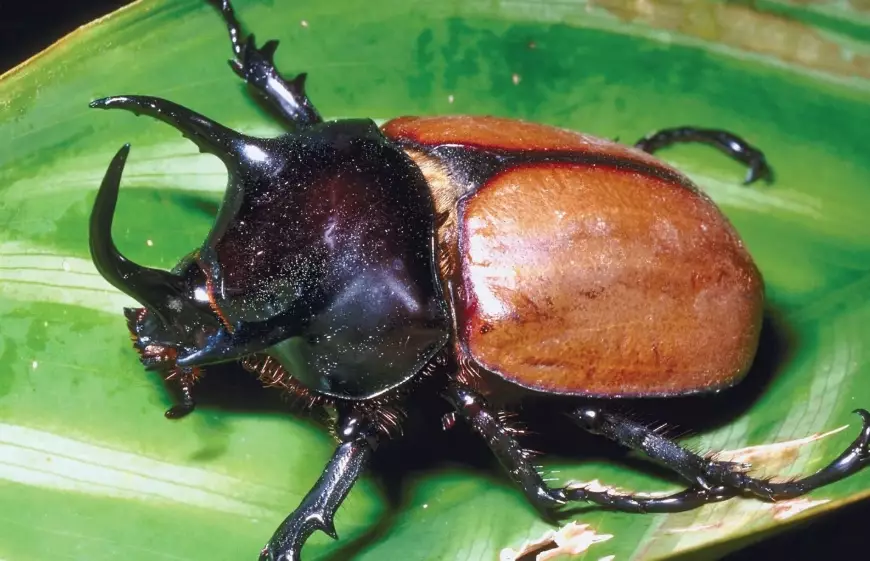
The larval stage is usually the eating machine phase. This is the grub, the wireworm, the mealworm. For many species, this stage lasts the longest and does the most feeding (and potential damage, from our perspective). A June beetle larva (a white grub) lives in the soil for years, munching on grass roots. A wood-boring beetle larva might tunnel through timber for a year or more before emerging.
The pupal stage is the dramatic transformation. Inside the pupal case, the larva completely reorganizes its body into the adult form. It's a biological reboot.
Finally, the adult beetle emerges. For many, the adult phase is primarily about reproduction. Some, like the may beetle, don't even eat as adults. They live just long enough to mate and lay eggs. Others, like Japanese beetles, feed ravenously as adults too, causing a double-whammy of damage.
So when you see an adult beetle, remember it's just the final chapter of a much longer story happening out of sight.
Friend or Foe? A Quick-Reference Guide for Gardeners
This table might help clear up some of the confusion in the garden. It's not exhaustive, but it covers the major players you're likely to encounter.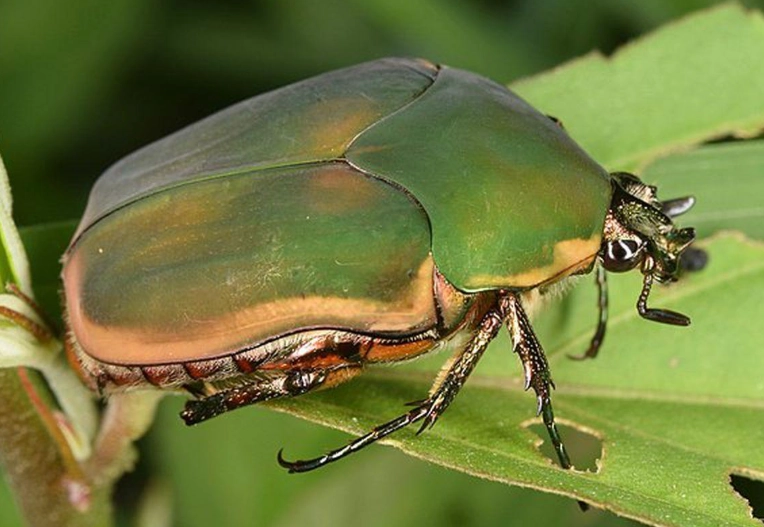
| Beetle (Common Name) | What It Looks Like | Typical Role | What to Do If You See It |
|---|---|---|---|
| Ladybug / Ladybird Beetle | Round, dome-shaped. Red/orange with black spots (patterns vary). | Beneficial Predator. Adults & larvae eat aphids, mites, scale. | Celebrate! Leave it alone. It's working for you. |
| Ground Beetle | Dark, often black or metallic, streamlined, fast-running. Large mandibles. | Beneficial Predator. Hunts slugs, snails, caterpillars, other insect larvae at night. | Don't harm it. Provide daytime shelter (rocks, logs) to encourage it. |
| Japanese Beetle | Metallic green head/thorax, copper wing covers. White tufts along sides. | Plant Pest. Adults skeletonize leaves of 300+ plants. Grubs eat grass roots. | For light infestations, hand-pick into soapy water. Research milky spore for grub control. |
| Colorado Potato Beetle | Yellow-orange with black stripes on wing covers. Round, humpbacked larvae are red with black spots. | Plant Pest. Defoliates potato, tomato, eggplant, pepper plants. | Hand-pick. Use row covers early in season. Encourage native predators. |
| Firefly / Lightning Bug | Soft-bodied, usually brown or black. Light-producing organ on abdomen. | Mostly Beneficial. Larvae are predators of slugs/snails. Adults may not feed. | Protect habitat. Reduce light pollution at night to help them mate. |
| Cucumber Beetle | Small, yellow-green with black spots or stripes. Can spread plant diseases. | Plant Pest & Disease Vector. Feeds on cucurbit family plants (cucumbers, squash). | Use row covers. Remove plant debris. Sticky traps can help monitor. |
Living With Beetles: Smart Strategies, Not War
So, you want to encourage the good beetles and gently discourage the problematic ones? It's about strategy, not eradication. Here's what works, based on my own trial and error and talking to experts.
For Your Garden:
- Plant Diversity: A variety of plants attracts a variety of insects, which helps keep any one species from dominating. Include native flowering plants to provide nectar and pollen for adult predatory beetles.
- Provide Shelter: A "tidy" garden is a desert for beneficial insects. Leave some leaf litter, a few logs, or a pile of stones. These are daytime hiding spots for ground beetles and others.
- Tolerate Some Damage: This was the hardest one for me. A few chewed leaves means the food web is active. If you see damage but also see ladybug larvae or predatory wasps, hold off. They might handle it.
- Physical Barriers: Floating row covers are fantastic for protecting young plants from beetles like cucumber beetles and potato beetles until the plants are established.
For Your Home:
- Seal It Up: The best way to keep pantry beetles out is to store flour, grains, cereal, and pet food in airtight glass or hard plastic containers. Check expiration dates on packaged goods.
- Vacuum Regularly: This is key for managing carpet beetles. It removes eggs, larvae, and the pet hair/fibers they eat. Pay attention to edges, under furniture, and closets.
- Monitor Humidity: Many beetles are attracted to damp conditions. Fix leaky pipes, use dehumidifiers in basements, and ensure good ventilation.
- Inspect Firewood: Always store firewood away from your house and bring in only what you'll burn immediately. It can harbor wood-boring beetles.
For serious, identified infestations of wood-destroying beetles like powderpost or old house borers, it's time to call a professional pest controller who specializes in integrated pest management. Don't try to handle that alone.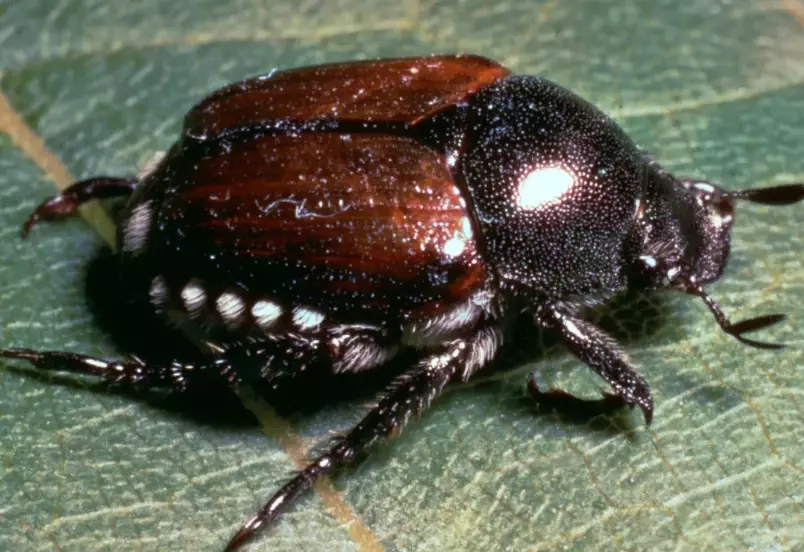
The Golden Rule: Always identify before you act. A great free resource for this is the BugGuide network, where you can submit photos to be identified by entomologists and knowledgeable amateurs. Your local university's cooperative extension service is another goldmine of region-specific information.
Beetles in Culture and History
Our fascination with beetles isn't new. The ancient Egyptians revered the scarab beetle (a type of dung beetle) as a symbol of rebirth, transformation, and the sun's journey across the sky. They carved scarab amulets and used them in jewelry and seals. To them, watching the beetle roll a ball of dung (its food source and egg chamber) across the ground mirrored the sun god Khepri rolling the sun across the heavens.
In more recent history, the sheer beauty of beetles has captivated people. Victorian collectors prized iridescent specimens, and beetle-wing art—using the shimmering wing cases of jewel beetles in embroidery and jewelry—was a unique fashion. Even today, artists and designers draw inspiration from their incredible forms and colors.
And let's not forget the Volkswagen Beetle, one of the most iconic car designs in history. Its rounded, friendly shape was literally inspired by the insect, creating a cultural touchstone that lasted for generations.
Answering Your Beetle Questions (FAQs)
I get it. You have specific questions. Here are some of the most common ones I've heard or searched for myself.
The vast majority are harmless to humans. They have no interest in us. A few larger beetles, like certain ground beetles or stag beetles, can give a defensive pinch with their mandibles if you handle them roughly, but it's more surprising than painful—like a hard pinch. They don't carry diseases like mosquitoes or ticks. The real "danger" is economic or agricultural damage from certain pest species.
This is a classic mix-up. In everyday language, we call all insects "bugs." But scientifically, "true bugs" (order Hemiptera) are a specific group that includes stink bugs, cicadas, and aphids. They usually have piercing-sucking mouthparts (like a straw) and partially leathery wings. Beetles (order Coleoptera) have chewing mouthparts and those distinctive hard, shell-like forewings (elytra) that cover their flying wings. So all beetles are bugs in the casual sense, but not all bugs are beetles.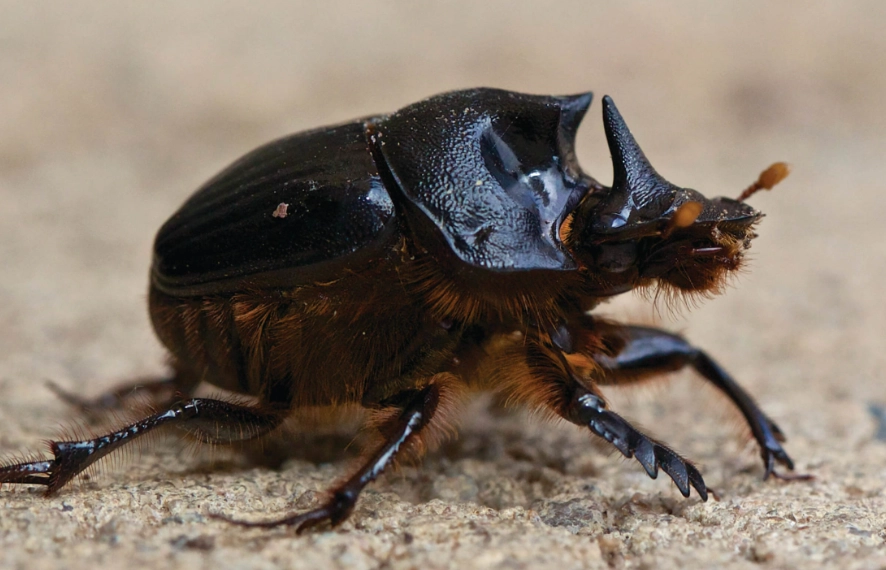
Look for the signs: small, round exit holes (1/16 to 1/8 inch in diameter) in wood, often with fine, powdery frass (sawdust-like droppings) underneath or around the holes. You might hear faint chewing sounds in quiet wood at night. The damage is usually done by the larvae, which can be inside the wood for years before emerging as adults and making the exit holes. If you suspect an active infestation, contact a professional for a proper inspection.
Scientists call this "evolutionary success." A few key traits gave them an edge: the protective elytra (hard wing covers) that shield their bodies and allow them to exploit diverse habitats (under bark, in soil, in water); complete metamorphosis, which reduces competition between larvae and adults for food; and their generalist diets. They've evolved to fill almost every conceivable niche. The Smithsonian Institution has fascinating exhibits and research on insect biodiversity that dive deep into this question.
Observe, appreciate, maybe take a photo for identification, and then let it go on its way. The best thing you can do for any wild beetle is to preserve its habitat. If you're curious, use the photo to look it up on a site like BugGuide or iNaturalist. Contributing your sighting can help scientists track species distributions. Don't collect it unless you are part of a legitimate scientific study—they belong in the wild.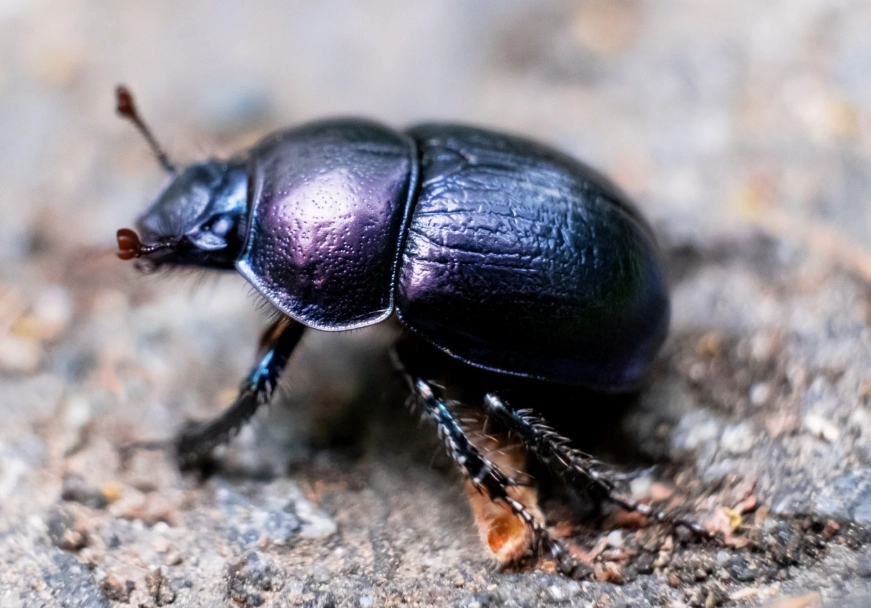
Wrapping It Up: A New Lens to Look Through
I started this wanting to write a simple guide. But the deeper I went, the more I realized there's nothing simple about beetles. They are a paradox of overwhelming numbers and incredible fragility. They are pests and partners. They are ancient yet constantly evolving.
The next time you see a beetle—whether it's a glossy green June bug on your screen or a tiny black speck on your windowsill—take a second look. Is it a decomposer, recycling something? A predator, hunting pests you haven't even noticed? Or just a traveler, passing through on its own mysterious business?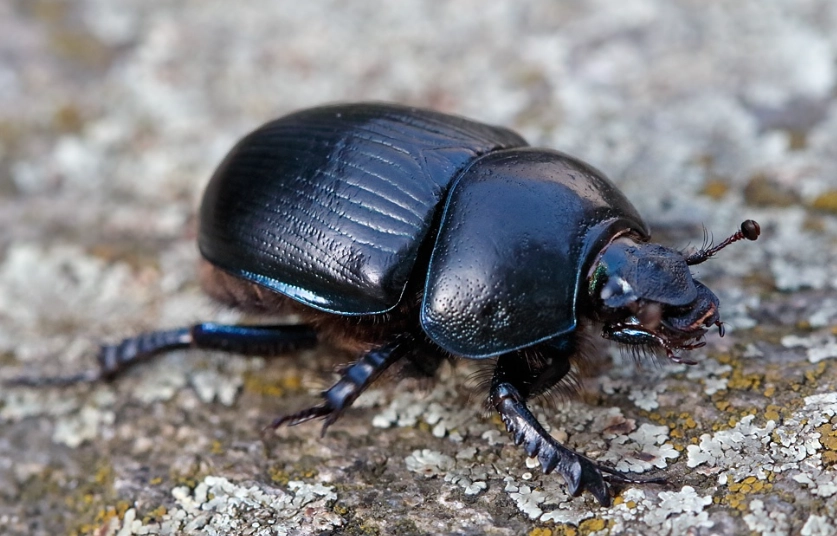
We share this planet with them in the most literal sense. They were here long before us, and they'll likely be here long after. Understanding them, even a little, doesn't just make you a better gardener or homeowner. It connects you to one of the most fundamental and successful stories life on Earth has ever written. And that's a story worth paying attention to.
Go on, take a closer look outside. The tiny titans are waiting.