Your Indoor Gardening Cheat Sheet
- Before You Buy a Single Plant: The Non-Negotiable Basics
- Choosing Your First Indoor Gardening Companions
- Setting Up Your Indoor Garden Space
- The Ongoing Care: It's Not Just Watering
- Common Indoor Gardening Problems (And Real Fixes)
- Leveling Up Your Indoor Gardening Game
- Answering Your Indoor Gardening Questions
- Final Thoughts: Keep It Simple, Start Small
Look, I get it. You see those perfect pictures on Instagram – lush, green jungles thriving in sunny living rooms, herbs flourishing on kitchen counters. You think, "I want that." Then you buy a cute little succulent, put it on a dim windowsill, water it when you remember, and... well, let's just say it doesn't end up on Instagram. Been there. My first foray into indoor gardening was a tragic parade of crispy spider plants and mushy basil.
But here's the thing. Growing plants inside doesn't have to be a mystery or a guaranteed failure. It's actually pretty straightforward once you stop fighting what the plant needs and start working with it. This isn't about having a green thumb (that's a myth, by the way). It's about understanding a few basic rules of the indoor jungle.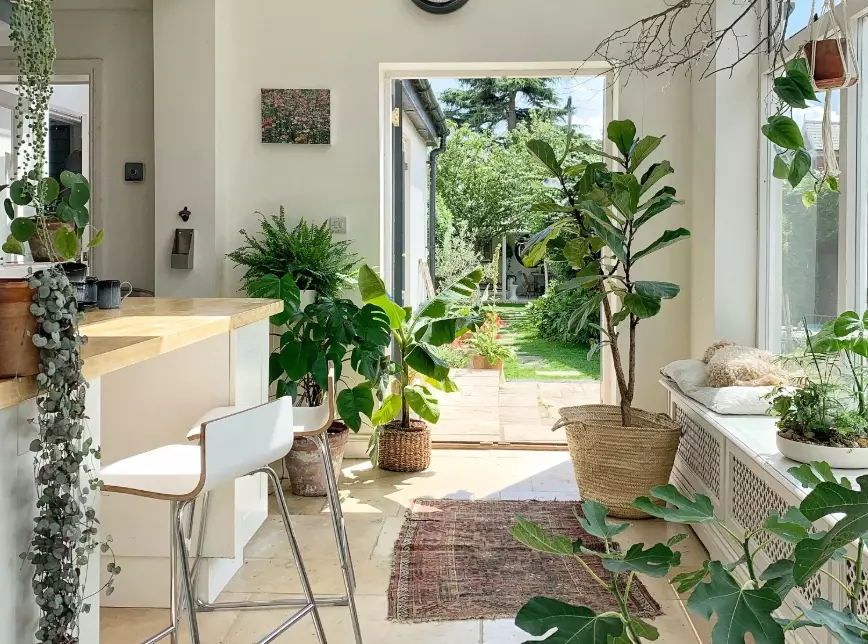
Why even bother? For me, it started as pure decoration. But the benefits of a bit of indoor gardening sneak up on you. The air just feels cleaner. There's a quiet, living presence in the room that's different from any object. Tending to them for five minutes is a weirdly effective brain reset. And honestly, there's a real thrill in seeing a new leaf unfurl. It's a tiny, personal victory.
Indoor gardening is simply the practice of growing plants within an enclosed space, like your home or office. It can range from a single potted pothos on a shelf to a full-blown hydroponic herb garden under grow lights. The core idea is to recreate the conditions a plant would find outdoors, but indoors.
Before You Buy a Single Plant: The Non-Negotiable Basics
This is where most people, myself included, mess up. We fall in love with a flowering orchid or a fiddle leaf fig at the store and drag it home without a second thought. That's like adopting a husky because it's pretty, without considering you live in a small apartment with no yard. You're setting everyone up for stress.
The single most important question for successful indoor gardening isn't "What's pretty?" It's "What will survive in my actual space?" This boils down to three pillars: Light, Water, and Your Own Commitment Level.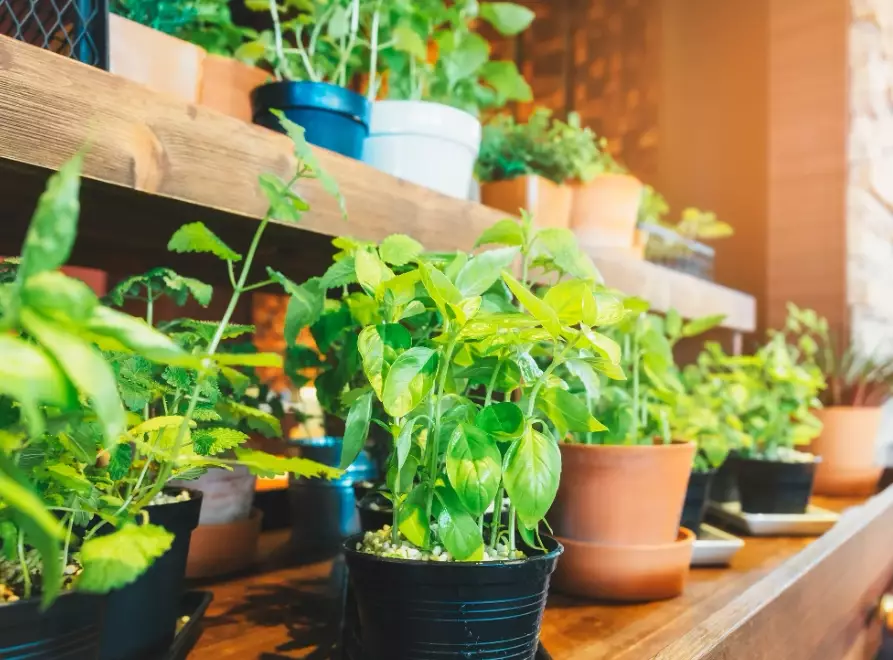
Light: The Make-or-Break Factor
Light is food for plants. No food, no growth. It's that simple. Window direction is everything.
- South-facing windows: The gold standard. Bright, direct light for most of the day. This is for your sun-worshippers: succulents, cacti, herbs, fiddle leaf figs (if you're brave).
- East-facing windows: My personal favorite. Gentle morning sun, bright indirect light the rest of the day. Perfect for most common houseplants like pothos, philodendron, peace lilies, and snake plants.
- West-facing windows: Similar to east, but with stronger afternoon sun. Can be great, but sometimes too intense in summer. You might need a sheer curtain.
- North-facing windows: Low, indirect light all day. This is your low-light zone. Think ZZ plants, snake plants (they're incredibly flexible), cast iron plants, some ferns.
What if your place is a cave? Don't despair. The world of indoor gardening has adapted. Grow lights are a game-changer. They're not the harsh, purple UFOs of old weed-growing stereotypes anymore. You can get sleek, white LED panels or even simple bulb-screw-in types that look like normal lights. The University of Minnesota Extension has a fantastic, no-nonsense resource on lighting for indoor plants that breaks down the science without the jargon.
Watering: The #1 Killer of Houseplants (It's Usually Love)
Overwatering. That's the villain in 90% of indoor gardening horror stories. We see a droopy leaf and panic-water. The roots suffocate and rot, and the plant dies of thirst while standing in water. The irony.
Forget a schedule. "Water every Tuesday" is a death sentence. Your plant's thirst changes with the seasons, the light, the humidity. The only reliable method? The finger test.
The Finger Test Rule: Stick your finger about an inch into the soil. Is it dry? Water thoroughly until it runs out the drainage hole (yes, your pot MUST have a drainage hole). Is it still damp? Walk away. Come back in a few days.
Some plants, like succulents and snake plants, want to dry out completely between drinks. Others, like ferns and peace lilies, like to stay slightly moist. A quick Google of "[plant name] watering needs" before you buy saves a lot of heartache.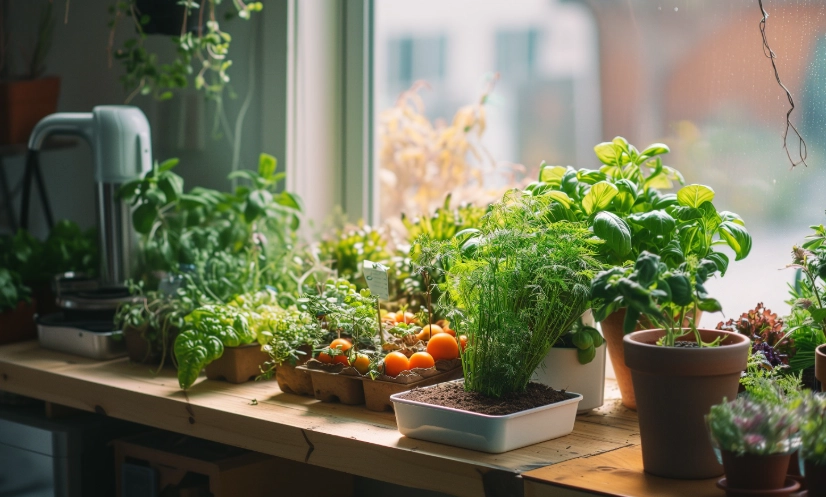
Choosing Your First Indoor Gardening Companions
Okay, you've assessed your light. You've sworn off overwatering. Now, let's pick some plants that will actually make you feel like a success, not a plant murderer. Starting with hard-to-kill varieties builds confidence.
Here's a straightforward table comparing some of the best beginner-friendly plants for your indoor gardening journey. I've ranked them loosely on a toughness scale.
| Plant Name | Nickname / Why It's Great | Light Needs | Watering Style | Beginner Score (1-10) |
|---|---|---|---|---|
| Snake Plant (Sansevieria) | The Indestructible. Survives low light, drought, and neglect. Purifies air. | Low to Bright Indirect | Let dry completely. Water infrequently. | 10 |
| ZZ Plant (Zamioculcas) | The Plastic Plant Impersonator. Thrives on neglect, grows from bulb-like rhizomes. | Low to Bright Indirect | Water only when soil is bone dry. Can go weeks. | 9.5 |
| Pothos (Epipremnum) | The Trailblazer. Fast-growing, easy to propagate. Shows thirst clearly (wilts). | Low to Bright Indirect | Let top inch dry out. Water thoroughly. | 9 |
| Spider Plant (Chlorophytum) | The Prolific Parent. Produces tons of baby "spiderettes." Non-toxic. | Bright Indirect | Keep slightly moist. Brown tips = fluoride in water or under-watering. | 8 |
| Peace Lily (Spathiphyllum) | The Dramatic Communicator. Wilts dramatically when thirsty, perks up fast after water. | Low to Medium Indirect | Keep soil consistently moist (not soggy). | 7.5 |
| Chinese Money Plant (Pilea) | The Quirky Propagator. Round, coin-like leaves. Shoots out baby plants from soil. | Bright Indirect | Let top soil dry. Water moderately. | 7 |
See? You have options. I'd suggest starting with a Snake Plant or a Pothos. They're forgiving teachers.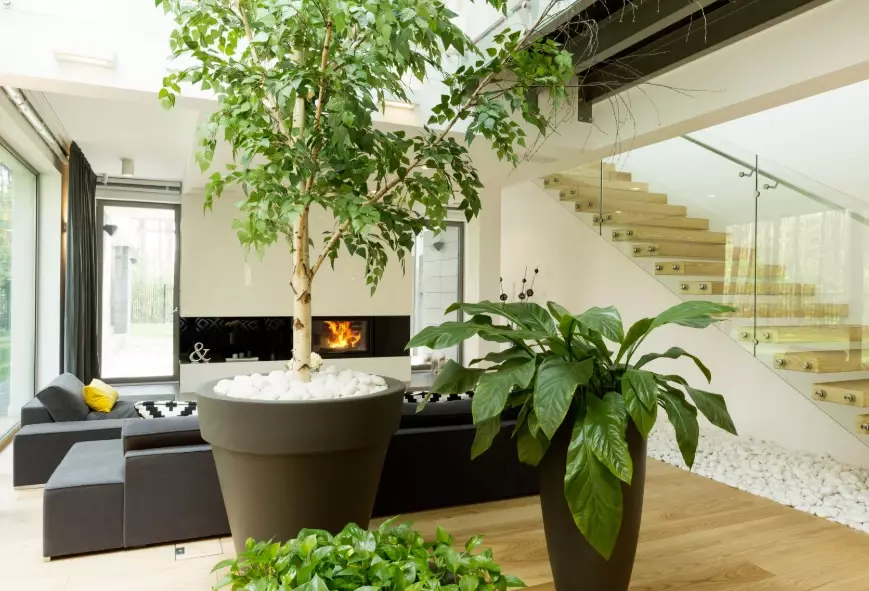
Setting Up Your Indoor Garden Space
You've got the plants. Now where do they live? It's more than just plopping them down.
Pots and Drainage: This is critical. No drainage hole = a swimming pool for roots. Terracotta pots are excellent for beginners because they're porous and help soil dry out faster, preventing overwatering. Ceramic or plastic pots are fine too, just be extra careful with your watering.
Soil Matters: Don't use dirt from your yard. It's too dense and can harbor pests. Use a bagged potting mix specifically for indoor plants. For succulents and cacti, use a special gritty, fast-draining mix. The Royal Horticultural Society's guide to houseplant compost is a trusted source for understanding why the right medium is key.
Humidity: This is the secret struggle for many tropical plants. Average home humidity is around 30-40%, but plants like ferns and calatheas crave 50-60%. You don't need a fancy humidifier (though they help). Grouping plants together creates a microclimate. Or, place a pot on a tray filled with pebbles and water (the pot sits on the pebbles, not in the water).
Watch Out for Heat/Air Vents: Blasting hot or cold air directly on a plant is a surefire way to dehydrate and stress it. Move plants away from radiators, AC units, and drafty doors.
The Ongoing Care: It's Not Just Watering
Your indoor garden is alive. It needs a bit of ongoing TLC.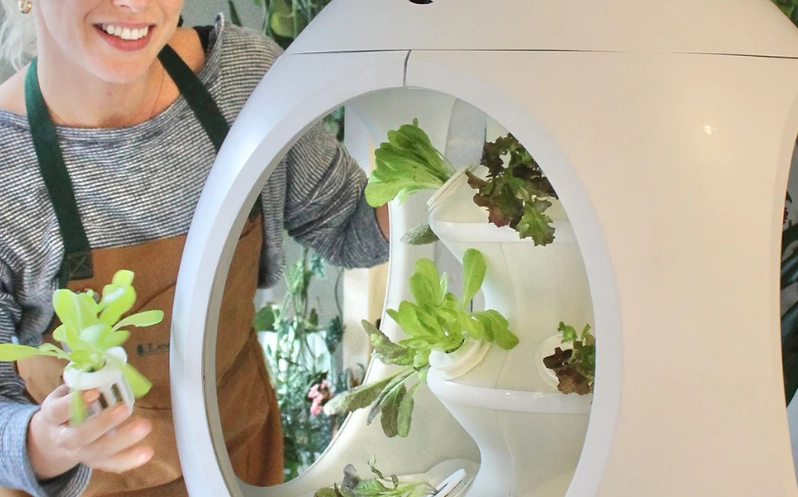
Feeding (Fertilizing)
Potting mix nutrients get used up. During the main growing season (spring and summer), you should feed your plants. But less is more. A balanced, water-soluble fertilizer (look for an N-P-K ratio like 10-10-10) diluted to HALF the strength recommended on the bottle, once a month, is perfect. In fall and winter, most plants are resting – stop fertilizing.
Cleaning Leaves
Dust blocks light. Every month or so, gently wipe large leaves with a damp cloth. For smaller plants, a gentle shower in the sink (lukewarm water) does wonders. They'll photosynthesize better and look gorgeous.
Repotting
If roots are growing out of the drainage hole or the plant dries out insanely fast, it might be root-bound. Time for a new pot – only one size up (a 2-inch larger diameter max). Repot in spring, using fresh potting mix.
Common Indoor Gardening Problems (And Real Fixes)
Things will go wrong. It's part of the learning curve. Here's a quick decoder ring for common SOS signals.
- Yellowing Leaves: Usually overwatering. Check soil. Could also be natural aging (bottom leaves).
- Brown, Crispy Leaf Tips: Low humidity, underwatering, or chemical burn from tap water (fluoride/chlorine). Try using filtered or distilled water, or let tap water sit out overnight.
- Leggy, Stretched Growth: The plant is reaching for more light. Move it closer to a window.
- Small New Leaves: The plant needs more light or nutrients.
- Pests (like tiny webs or sticky residue): Likely spider mites or aphids. Isolate the plant! Wipe leaves with insecticidal soap or a neem oil solution. The Penn State Extension guide to eliminating houseplant insects is a practical, step-by-step resource.
Don't panic at the first sign of trouble.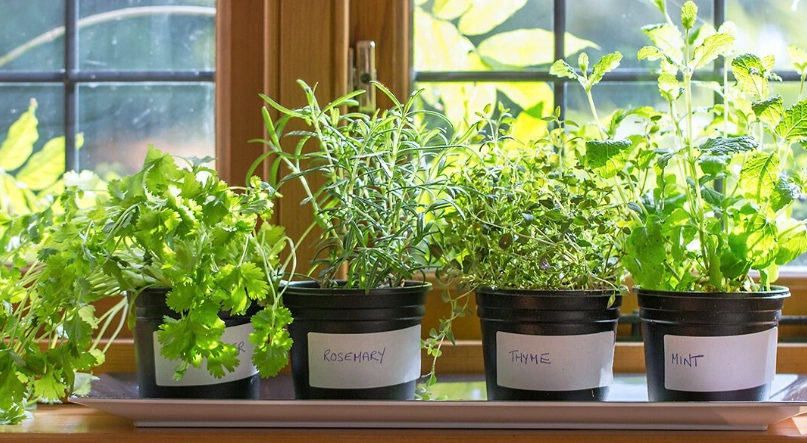
Diagnose, adjust one thing at a time, and give the plant a week or two to respond.
Leveling Up Your Indoor Gardening Game
Once you've kept a few plants alive for six months, you might get the itch to try something new. Here are some fun directions.
Propagation: Making new plants from your old ones for free. It's magic. Pothos, spider plants, and snake plants are super easy. Snip a stem with a node (the little bump), stick it in water, wait for roots, then plant. Instant gratification and a great gift.
Herbs on a Windowsill: A south or east-facing kitchen window is perfect for a small pot of basil, mint, or thyme. You have to use them regularly to keep them bushy, but the flavor is unbeatable.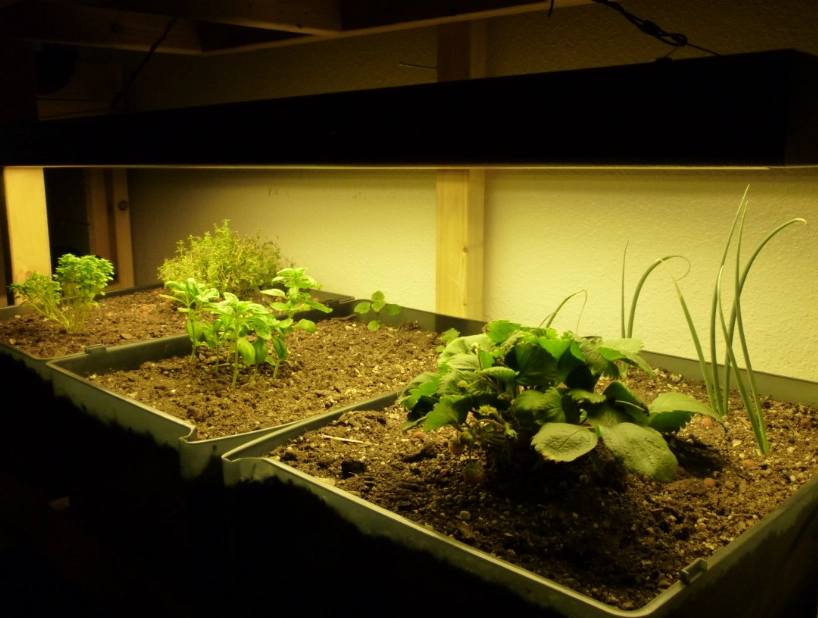
Grow Lights for Specific Plants: Want to grow orchids, citrus trees, or peppers indoors? It's possible with the right full-spectrum LED grow light. It opens up a whole new world for your indoor gardening ambitions.
Answering Your Indoor Gardening Questions
Final Thoughts: Keep It Simple, Start Small
The biggest barrier to starting an indoor garden is overthinking it. You don't need a ton of gear or a perfect sunroom.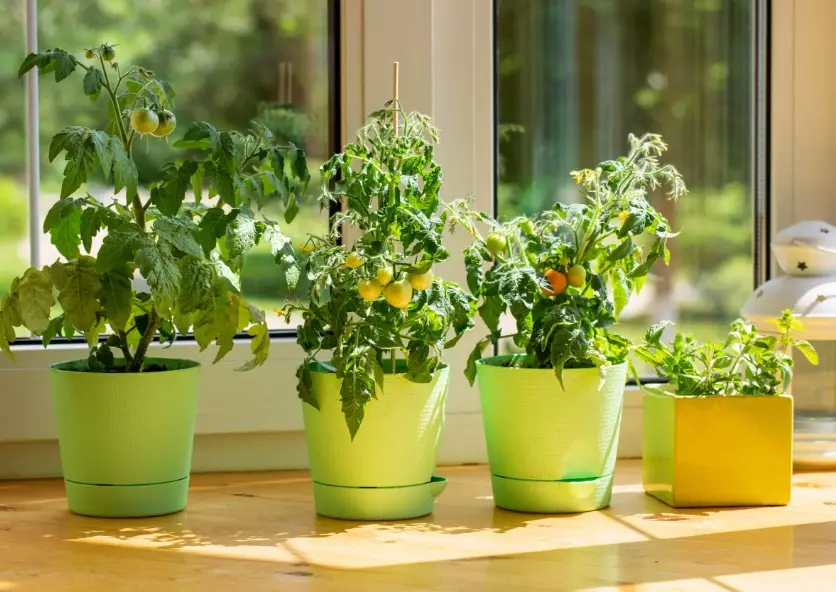
Pick one easy plant that matches your light. Get a pot with a hole. Use the finger test. That's it. That's the core of indoor gardening. Everything else – fancy fertilizers, humidity trays, grow lights – is just optimization.
Embrace the learning. You will lose a plant or two. I still do occasionally. It's not failure; it's data. It tells you what not to do next time. The goal isn't a flawless, static display. It's a living, changing little ecosystem that you're curating in your own space. There's a unique satisfaction in that.
So go to a local nursery (not a big box store if you can help it – the staff usually know more), pick out a healthy-looking pothos or snake plant, and welcome it home. Your indoor gardening adventure starts with a single, very hard-to-kill leaf.