Your Propagation Roadmap
- Why Bother Propagating? Beyond Just Saving Money
- The Propagation Toolbox: What You Actually Need
- Breaking Down the Big Five: Plant Propagation Methods Compared
- The Step-by-Step: Mastering Stem Cuttings (The Most Popular Method)
- Top Plants for Beginner Propagation Success
- Why Did My Propagation Fail? A Troubleshooting Guide
- Answering Your Plant Propagation Questions
- Taking It Further: Resources and Next Steps
Let's be honest. Walking through a nursery and seeing the price tags on some of those gorgeous plants can be a bit of a gut punch. A small variegated Monstera for how much? I remember staring at a beautiful Philodendron Pink Princess, thinking there had to be another way. And there is. It’s called plant propagation, and it’s honestly one of the most satisfying parts of gardening. It feels like a little bit of magic you can do on your windowsill.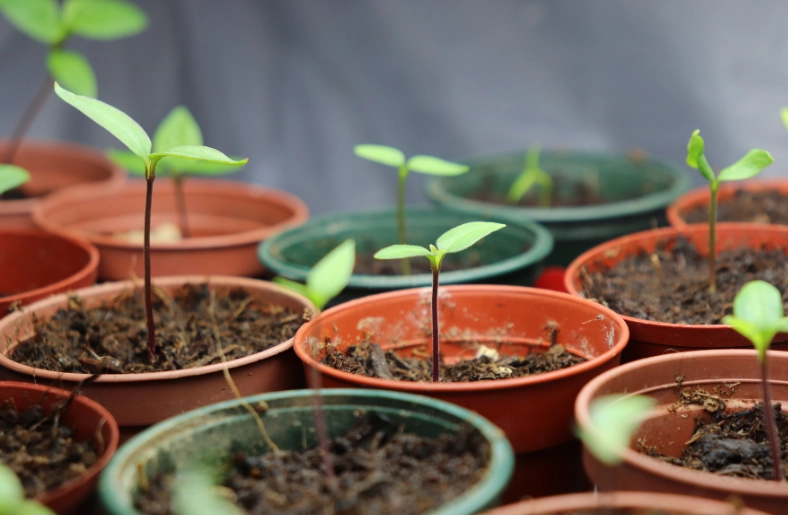
Plant propagation is simply the process of creating new plants from an existing one. It's how plants spread in the wild, and it's how we can fill our homes and gardens without constantly emptying our wallets. Whether you're trying to save a leggy favorite, share a piece of your garden with a friend, or just see if you can do it, learning propagation is a game-changer.
Why Bother Propagating? Beyond Just Saving Money
Sure, free plants are the big headline. But the benefits of learning plant propagation go way deeper than that.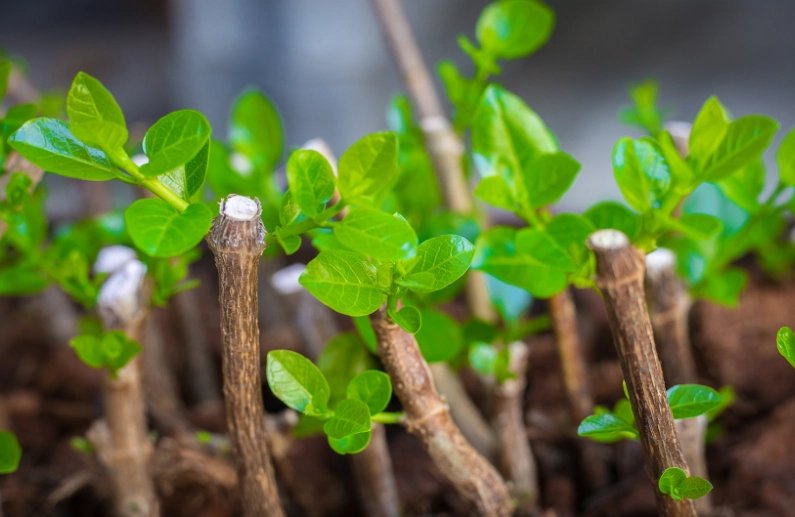
First, it's about preservation. Have a beloved heirloom tomato from your grandmother's garden? Or a stunning rose bush that you can't find in stores anymore? Propagating it ensures its legacy continues. I once lost a favorite coleus to an early frost and kicked myself for not taking a cutting. Never again.
Then there's the control. When you propagate a plant you already own and love, you know exactly what you're getting. You know its growth habit, its light preferences, its quirks. No more surprises from the garden center where that "compact" shrub turns into a monster.
It's also incredibly therapeutic. There's something deeply calming about tending to cuttings, checking for roots, and watching new life emerge. It forces you to slow down and observe. In a world of instant gratification, plant propagation teaches patience. And sometimes, it teaches you how to deal with failure—not every cutting makes it, and that's okay.
The Propagation Toolbox: What You Actually Need
You can spend a fortune on gadgets, but honestly? You probably have most of what you need already. Don't let fancy equipment lists intimidate you. Here’s the real breakdown.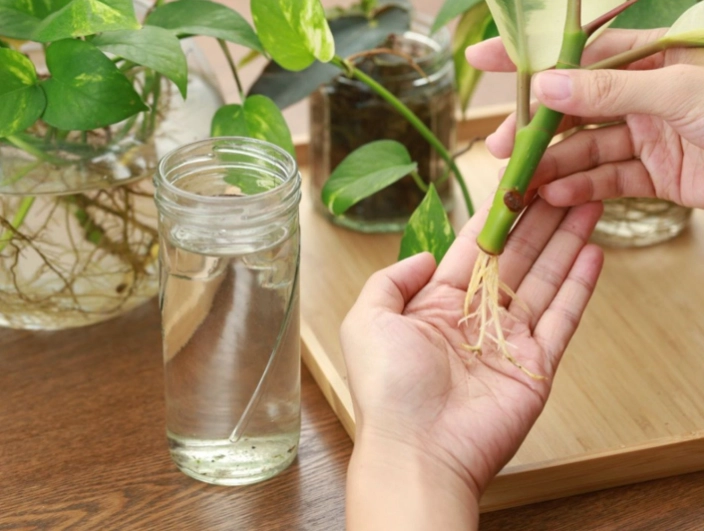
The Absolute Essentials (The Can't-Do-Without List)
- Sharp, Clean Scissors or Pruners: This is non-negotiable. A clean, sharp cut minimizes damage and prevents disease. I use a simple pair of floral snips for most indoor jobs and disinfect them with rubbing alcohol between plants. A crushed, ragged stem is a bad start.
- Containers: Small pots, cups, jars—anything that holds your medium. Clear cups are great for water propagation because you can see the roots. Just make sure it has drainage if you're using soil. Yogurt pots with holes poked in the bottom are a classic for a reason.
- Growing Medium: This is where your baby plant will live. Water is the easiest for beginners. A light, airy potting mix is great for most things. Some folks swear by perlite, vermiculite, or sphagnum moss for tricky cuttings.
- Watering Device: A small watering can or even a squeeze bottle to provide gentle moisture without drowning your delicate new roots.
The Nice-to-Haves (The "Up Your Game" Gear)
- Rooting Hormone: A powder or gel that encourages root growth. It's not always necessary (pothos and tradescantia will root in a puddle), but for woody stems or finicky plants, it can boost your success rate dramatically. I use it on rose cuttings and it makes a noticeable difference.
- Humidity Dome or Plastic Bag: A simple way to create a mini-greenhouse for cuttings that lose moisture easily. A clear plastic bag over a pot works perfectly.
- Heat Mat: Bottom warmth can speed up rooting, especially for tropical plants. Useful but not essential for hobbyists.
- Labels: Trust me, you will forget what's in each pot. A popsicle stick and a pencil can save you from the mystery plant guessing game.
See? Not so scary. You can start with a glass of water, scissors, and a spider plant. That's the beauty of plant propagation—it meets you where you are.
Breaking Down the Big Five: Plant Propagation Methods Compared
Not all plants propagate the same way. Choosing the right method is half the battle. Some plants are ridiculously easy, practically begging to be multiplied. Others require a bit more finesse. This table should help you match the method to the plant.
| Propagation Method | How It Works | Best For... | Difficulty & Speed | My Personal Take |
|---|---|---|---|---|
| Stem Cuttings | Cutting a piece of stem with nodes, rooting it in water or soil. | Vining plants (Pothos, Philodendron), Herbs (Mint, Basil), Many houseplants. | Easy | Fast (1-4 weeks) | The gateway drug of propagation. Almost foolproof with the right plants. Seeing roots grow in a jar of water is pure joy. |
| Leaf Cuttings | Using a whole leaf or a section of a leaf to generate a new plant. | Succulents (Echeveria, Jade), Snake Plants, African Violets, Rex Begonias. | Easy to Moderate | Slow (weeks to months) | Requires patience. Watching a tiny pup emerge from a succulent leaf is magical, but don't expect overnight results. |
| Division | Physically separating a mature plant into multiple smaller plants, each with its own roots. | Clump-forming perennials (Hostas, Ornamental Grasses), Spider Plants, Peace Lilies, many ferns. | Easy | Instant | The instant gratification method. You get a full, mature plant right away. Perfect for when a plant outgrows its pot. |
| Layering | Rooting a stem while it's still attached to the mother plant, then severing it. | Shrubs (Rhododendrons, Forsythia), Rambling plants (Strawberries), Flexible-stemmed plants. | Easy | Slow but reliable | Underrated and incredibly reliable. Since the stem is still fed by the mother, failure rates are low. Great for outdoor shrubs. |
| Seeds | Growing a new plant from a seed (sexual propagation). | Annuals, Vegetables, Many perennials and trees. Plants where you want genetic variety. | Moderate to Hard | Slowest (seasonal) | The most complete cycle, but also the most demanding. Requires specific conditions (light, temperature). Not for saving a specific cultivar, as seeds may not come true. |
The Step-by-Step: Mastering Stem Cuttings (The Most Popular Method)
Let's get our hands dirty. Stem cuttings are the most common form of vegetative plant propagation, and for good reason. Here's exactly how to do it, with all the little details that make the difference between success and a mushy stem.
Step 1: Choose Your Champion (The Mother Plant)
Always start with a healthy, pest-free parent plant. A stressed or sick plant will give you stressed or sick cuttings. Look for vigorous growth. The best time to take cuttings is usually in spring or early summer when the plant is in active growth mode, though many houseplants don't mind much.
Step 2: The Perfect Cut
This is crucial. Using your clean shears, cut a 4-6 inch section of stem. Your target is just below a leaf node. The node is that little bump where a leaf joins the stem—that's where the root magic happens. Make the cut at a 45-degree angle. Why? It increases the surface area for rooting and prevents the stem from sitting flat and rotting in water. On a woody plant, I sometimes make a small, shallow vertical nick at the base of the cutting to expose more of the inner cambium layer.
Step 3: Prep the Cutting
Remove the leaves from the bottom one-third to one-half of the cutting. You want a clear stem to insert into your medium. Leaves submerged in water will rot and foul it; leaves buried in soil will rot and invite fungus. Keep a few leaves at the top for photosynthesis. If the remaining leaves are very large (like on a Monstera), you can cut them in half to reduce water loss.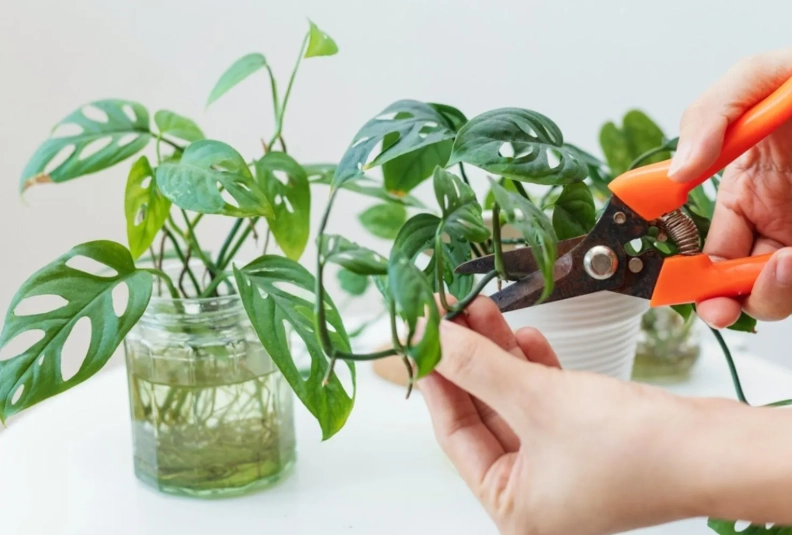
Step 4: The Rooting Decision – Water vs. Soil
This is the big debate.
- Water Propagation: Plop the prepared stem in a jar of room-temperature water, ensuring no leaves are submerged. Place in bright, indirect light. Change the water every few days to keep it fresh. Pros: You can see the roots! It's exciting and low-commitment. Cons: Water roots are different from soil roots. The transition to soil later can be tricky, and some plants just rot in water.
- Soil Propagation: Dip the cut end in rooting hormone (optional but helpful). Make a hole in a moist, well-draining potting mix and insert the cutting. Firm the soil around it. Pros: No transplant shock later. It establishes faster in the long run. Cons: It's a leap of faith—you can't see what's happening below the surface.
My rule of thumb? If it's a vining plant I know roots easily (pothos, philodendron, tradescantia), I go with water for the show. For anything woody or that I've had rot in water before (like some herbs), I go straight to soil.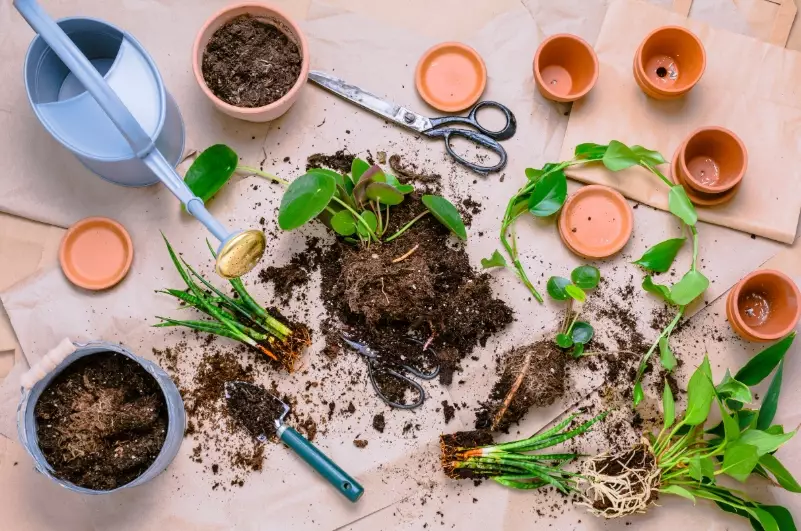
Step 5: The Waiting Game (Creating the Right Environment)
Your cutting needs a humid, warm, bright environment. Not direct sun—that will cook it. Think bright indirect light. If you're rooting in soil, you can create a humidity dome with a plastic bag over the pot (just air it out daily). Keep the medium slightly moist, never soggy. The number one killer of cuttings is overwatering.
Top Plants for Beginner Propagation Success
Want to build your confidence? Start with these. They're so eager to root they practically do it themselves.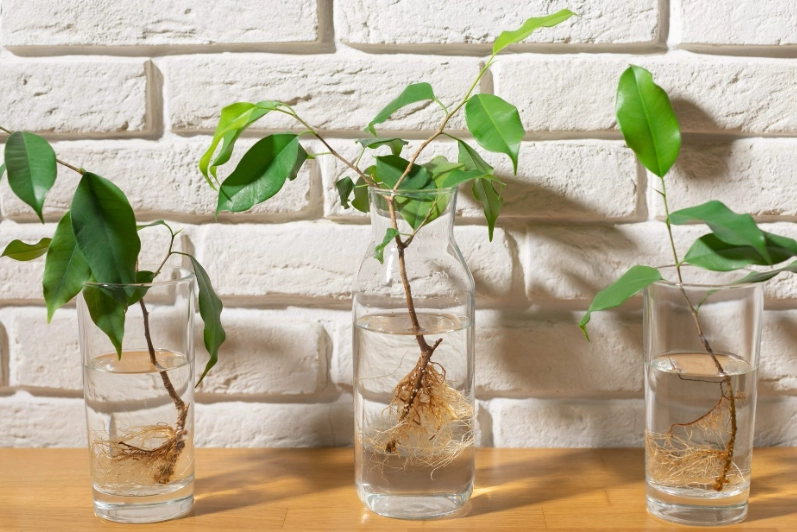
The Unkillable Top Three
- Pothos (Epipremnum aureum): The king of easy propagation. A single node in water will sprout roots in days. You can't mess this up. Seriously.
- Spider Plant (Chlorophytum comosum): It does the work for you by sending out plantlets (pups) on runners. Just snip one off and pop it in soil or water. Zero skill required.
- Mint (Mentha spp.): Take a stem cutting, remove the lower leaves, and put it in water. You'll have roots and a new mint invasion plan in a week. A perfect first herb to propagate.
Other Fantastic Starters
- Tradescantia (Wandering Dude): Roots insanely fast in water. You can have a whole new pot in a month.
- Snake Plant (Sansevieria): Leaf cuttings are slow but incredibly easy. Cut a leaf into sections, let them callous, and stick them in soil. Or divide a crowded pot.
- ZZ Plant (Zamioculcas zamiifolia): Best propagated by division when repotting. Leaf cuttings work but require epic patience (like, 6+ months).
- Succulents (Echeveria, Sedum): Gently twist off a leaf, let it callous for a few days, then lay it on dry soil. Mist occasionally. Tiny new plants will form at the base.
Why Did My Propagation Fail? A Troubleshooting Guide
It happens to everyone. Don't get discouraged. Here’s what probably went wrong.
Cause: Overwatering, poor drainage, or using a non-sterile tool that introduced bacteria/fungus. The medium is staying too wet, suffocating and rotting the stem.
Fix: Ensure your potting mix is airy (add perlite!). Water only when the top layer feels dry. Use clean tools. For water propagation, change the water regularly. If rot starts, cut above the mushy part and start again with a drier setup.
Cause: Underwatering, too much direct sun, or insufficient humidity. The cutting loses water faster than it can take it up (since it has no roots yet).
Fix: Increase ambient humidity with a plastic bag dome. Move to a spot with bright, indirect light. Ensure the soil is consistently lightly moist (not wet). Mist the leaves occasionally.
Cause: The cutting was taken from a dormant or non-viable part of the plant (like a fully woody stem with no green). The environment might be too cold.
Fix: Take cuttings from soft, new growth (semi-hardwood). Ensure warmth—a heat mat can help. Consider using a rooting hormone. Some plants are just slow; be patient.
Sometimes, it's just not the right time of year. I've had great success with rosemary cuttings in late spring and total failure with the same method in fall. Plants have their own rhythms.
Answering Your Plant Propagation Questions
Taking It Further: Resources and Next Steps
Once you've caught the propagation bug, you might want to dive deeper. Here are some fantastic, trustworthy resources I've relied on over the years.
For rock-solid, science-based information on all things horticulture, you can't beat the University of Minnesota Extension website. Their pages on plant propagation are clear, detailed, and cover methods for both ornamentals and food crops. It's a go-to for understanding the “why” behind the “how.”
If you're getting serious about specific garden plants, the Royal Horticultural Society (RHS) is an encyclopedia of gardening knowledge. Their advice is meticulous and often includes specific timing and techniques for a vast array of plants.
For a more specialized deep dive into the world of seeds—which is a whole other fascinating branch of plant propagation—the resources from J.L. Hudson, Seedsman are legendary among serious seed savers. It's less about flashy graphics and more about dense, invaluable information on seed biology and germination requirements for thousands of species.