What This Guide Covers
- Why Transplanting is More Than Just Moving Dirt
- The Golden Rule: When to Transplant Your Plants
- Gearing Up: What You Need Before You Start
- The Step-by-Step Transplanting Process
- The Aftercare: What Happens After Transplanting
- Special Cases: Transplanting Different Types of Plants
- Advanced Tips and Common Mistakes to Avoid
- Your Transplanting Questions Answered
- Wrapping It Up: The Heart of Transplanting
Let's be honest. The idea of transplanting can be a bit scary. You've nurtured this plant, watched it grow from a tiny seed or a small cutting, and now you're about to dig it up and move it. It feels like major surgery, and in a way, it is. You're asking the plant to leave its comfortable home and adjust to a completely new environment. Roots get disturbed, leaves might droop, and there's always that nagging worry: did I just kill my favorite rose bush?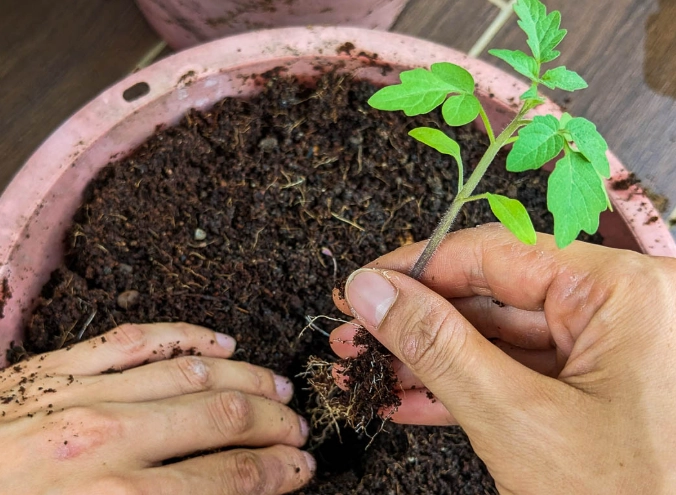
I've been there. I once transplanted a beautiful lavender plant in the middle of a hot July afternoon because I was rearranging my garden on a whim. Bad idea. It went into shock, dropped half its leaves, and took nearly a full season to look like itself again. I learned that lesson the hard way, and it taught me that transplanting isn't just about digging a hole. It's a process that requires timing, technique, and a good dose of patience.
What's the big deal about transplanting anyway? Well, plants grow. They outgrow their pots, they get crowded by neighbors, or maybe you're just moving to a new house and can't bear to leave your green friends behind. Successful transplanting is the key to managing a healthy, evolving garden. It's how you give your plants more room to thrive, improve their access to light and nutrients, and ultimately, keep your garden looking its best. Done right, it's a rejuvenating process. Done wrong... well, let's just say it's a fast track to the compost pile.
Why Transplanting is More Than Just Moving Dirt
Before we get our hands dirty, let's talk about the "why." Understanding the purpose behind the move changes how you approach the whole task. It's not a one-size-fits-all operation.
Sometimes, the reason is obvious. A plant's roots are poking out of the drainage holes, circling the top of the soil, or the plant just looks too big for its container. That's a classic case of being pot-bound. The roots have used up all the available space and nutrients, and growth starts to stall. Transplanting into a larger home gives those roots new territory to explore.
Other times, it's about garden design. Maybe that shrub you planted three years ago is now blocking a window. Or perhaps you realize your sun-loving perennials are now in the shade of a tree that's grown much taller. Relocating them is often the best solution. I once had to move a whole bed of daisies because a new shed cast a shadow right over them. They were not happy in the shade.
Soil issues are another big driver. Poor drainage, compaction, or simply exhausted soil that no longer supports healthy growth can necessitate a move. Transplanting gives you a chance to start fresh with quality, well-amended soil. And let's not forget about propagation. Dividing overgrown perennials is a form of transplanting that creates new plants for free. It's one of the most rewarding parts of gardening.
The Golden Rule: When to Transplant Your Plants
Timing is arguably the most critical factor for success. Get this wrong, and you're fighting an uphill battle. So, when is the best time to transplant plants?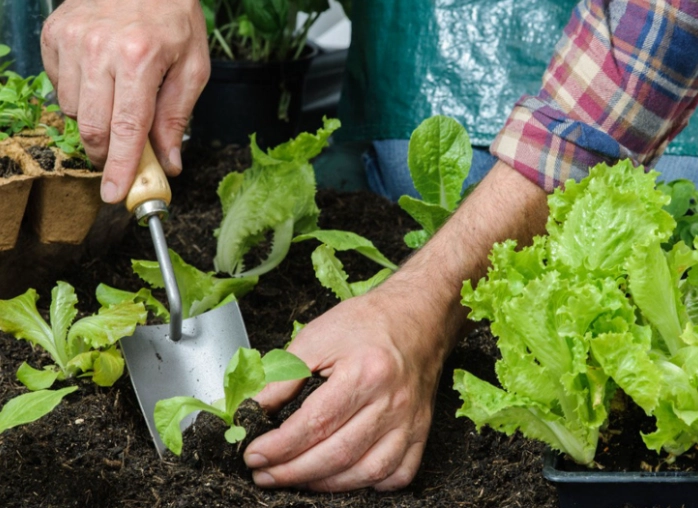
For most perennial plants, shrubs, and trees, the ideal windows are early spring and early fall. Why? The weather is mild. In spring, the soil is warming up, and plants are entering a natural growth spurt. They have the entire growing season to establish new roots. In fall, the air is cool, but the soil is still warm from the summer sun. This encourages root growth without the stress of supporting top growth in hot weather. The plant can focus its energy underground.
Summer transplanting is a gamble. The heat and intense sun put immense stress on a plant trying to re-establish its root system. If you must transplant in summer, be prepared for extra care: more frequent watering, providing temporary shade, and doing it on a cloudy, cool day. My lavender disaster was a classic summer transplanting fail.
Winter is generally a no-go for most plants, as they are dormant and the ground may be frozen. However, in mild climates, transplanting during dormancy (late fall to late winter) can work well for deciduous trees and shrubs, as they are completely asleep.
Seasonal Transplanting Cheat Sheet
| Season | Best For | Pros | Cons & Precautions |
|---|---|---|---|
| Early Spring | Most perennials, deciduous trees/shrubs, cool-season veggies. | Plants wake up in new location; full growing season ahead. | Avoid if ground is soggy; watch for late frosts. |
| Late Spring/Early Summer | Warm-season annuals & vegetables (tomatoes, peppers). | Soil is warm; ideal for heat-lovers. | Must water diligently; provide shade for first few days. |
| Early Fall | Most perennials, trees, shrubs, spring-blooming bulbs. | Warm soil, cool air = perfect root growth. | Ensure 6-8 weeks before hard frost for root establishment. |
| Late Fall/Winter | Dormant deciduous plants (in mild climates), bare-root stock. | Minimal transplant shock; plant is inactive. | Only in zones with mild winters; avoid frozen ground. |
Gearing Up: What You Need Before You Start
You wouldn't perform surgery without the right tools, right? Transplanting is similar. Having everything ready before you start makes the process smoother and less stressful for you and the plant. Here's your transplanting toolkit:
- A sharp spade or shovel: For digging. A dull tool tears roots; a sharp one makes clean cuts.
- A hand trowel: Essential for smaller plants and working in tight spaces.
- A garden fork: Incredibly useful for loosening the root ball from the ground without excessive damage.
- Pruners (bypassed, not anvil): For trimming any damaged or excessively long roots and for cutting back some foliage to reduce stress.
- A watering can or hose with a gentle shower head: You'll be watering before, during, and after.
- Your new planting medium: This is crucial. Don't just use the dirt from the hole. For pots, use a high-quality potting mix. For garden beds, mix the native soil with plenty of compost. The Royal Horticultural Society (RHS) has excellent guidelines on understanding and improving your soil type.
- A tarp or wheelbarrow: To hold the soil you dig out and keep your workspace tidy.
- Optional but helpful: Rooting hormone (for difficult-to-transplant specimens), burlap (for moving large root balls), and a bucket of water to keep roots moist.
The Step-by-Step Transplanting Process
Okay, the day has come. The weather is right, your tools are sharp, and you're ready. Here's how to execute the move with minimal drama.
Step 1: The Prep Work (The Day Before)
Start by watering the plant thoroughly in its current location. A well-hydrated plant handles stress much better. Think of it as giving it a good drink before a journey. Also, prepare the new hole. This is a step many people get backwards. They dig up the plant first and then scramble to dig the new hole while the roots are exposed. Don't do that.
Dig the new hole two to three times wider than the plant's expected root ball, but only as deep as the root ball is tall. The width is more important than the depth. Loosening the soil in a wide area gives new roots easy passage. If you're planting in a container, make sure it has adequate drainage holes and is clean.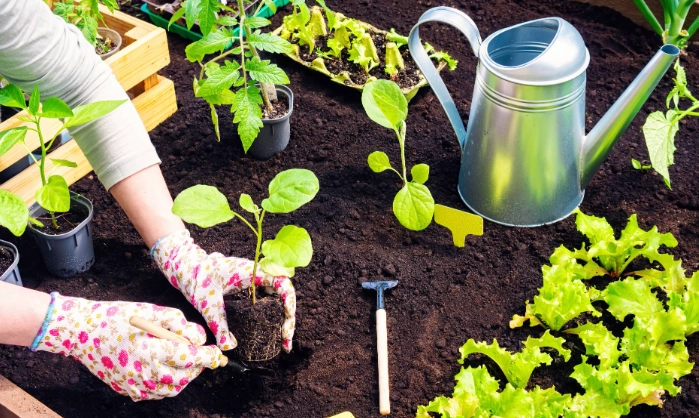
Step 2: The Gentle Extraction
Now, carefully dig around the plant. Start your circle well away from the main stem to avoid severing major roots. For a shrub, you might start a foot out. Slice downwards with your spade, working your way around. Once you've cut the circle, start angling your spade underneath the root ball. Use the garden fork to gently pry and loosen it from the soil bed.
Be patient here.
If you encounter a stubborn taproot, you may need to cut it, but try to get as much of the root system as possible. The goal is to lift the plant out with a intact, moist root ball. For potted plants, you can often tap the pot on its side and slide the plant out. If it's really stuck, you might need to cut the pot away.
Step 3: The Move and Placement
Move the plant to its new hole as quickly as possible. If you have to carry it, support the root ball from underneath—don't lift it by the stem. Place it in the center of the new hole. This is critical: the plant should sit at the same soil level it was growing at before. Planting too deep is a common killer, as it can lead to stem rot. You can lay a stick across the hole to check the level.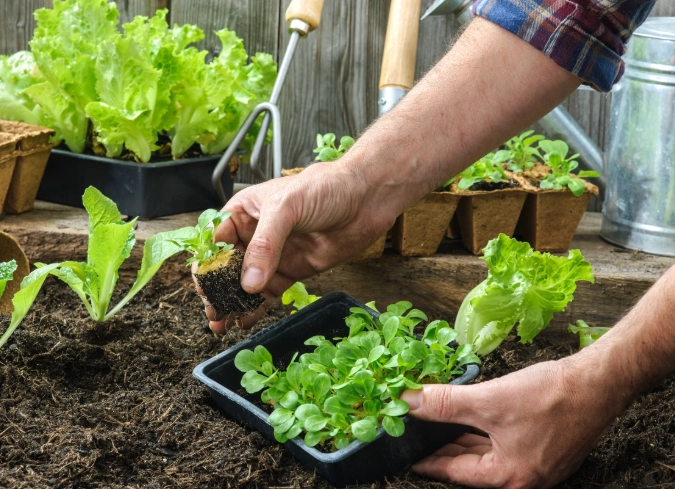
Step 4: Backfilling and Watering In
Gently backfill the hole with your prepared soil mix, firming it lightly with your hands as you go to eliminate large air pockets. Don't stomp on it—you'll compact the soil. Once the hole is filled, create a shallow basin or moat around the plant to hold water. Now, give it a deep, slow watering. This is called "watering in," and it helps settle the soil around the roots. You might see the soil level sink a bit; just add a little more soil if needed.
The Aftercare: What Happens After Transplanting
The job isn't over once the plant is in the ground. The next few weeks are the recovery period. Your primary job is hydration. Water deeply and regularly, keeping the soil consistently moist but not soggy. The frequency depends on weather, but that first week is crucial. A good layer of mulch (2-3 inches) around the base of the plant will help tremendously. It conserves moisture, regulates soil temperature, and suppresses weeds. Just keep the mulch a few inches away from the stem itself.
Hold off on fertilizing for at least 4-6 weeks. The plant needs to focus on roots, not new leaves. And be prepared for some signs of stress—it's normal. A little wilting or yellowing of a few lower leaves is common. This is transplant shock.
Dealing with Transplant Shock
Transplant shock is the plant's reaction to the disturbance. Symptoms include wilting, yellowing or dropping leaves, and stalled growth.
How to combat it? You've already done the main things: correct timing and proper planting. Beyond that, ensure consistent watering. For larger plants or transplants done in less-than-ideal conditions, you can reduce the leaf mass to balance the reduced root system. Prune back up to one-third of the foliage. Also, providing temporary shade for a few days with a shade cloth or even an upturned laundry basket can work wonders for a struggling plant.
Special Cases: Transplanting Different Types of Plants
Not all plants are created equal when it comes to moving house.
Transplanting Trees and Shrubs
This is major surgery. For larger specimens, you might need to "root prune" a season in advance by digging a trench around the plant to encourage a denser root ball closer to the trunk. When moving, always try to keep the root ball intact and moist, wrapping it in burlap if necessary. Staking might be required for the first year to prevent wind from rocking the plant and breaking new roots. The Arbor Day Foundation offers a fantastic, detailed guide on transplanting trees that's worth bookmarking.
Transplanting Seedlings and Vegetables
The key here is hardening off. Never take a seedling from a cozy indoor tray and plop it straight into the garden. Acclimate it to outdoor conditions over 7-10 days by increasing its time outside gradually. When planting tomatoes or peppers, you can actually bury part of the stem, as they will develop roots along the buried portion, creating a stronger plant.
Transplanting Mature Perennials
This is often about division. In early spring or fall, dig up the entire clump. You can often use two garden forks back-to-back pushed into the center of the clump to pry it apart into smaller sections. Discard the old, woody center and replant the vigorous outer pieces. It's like giving the plant a fresh start.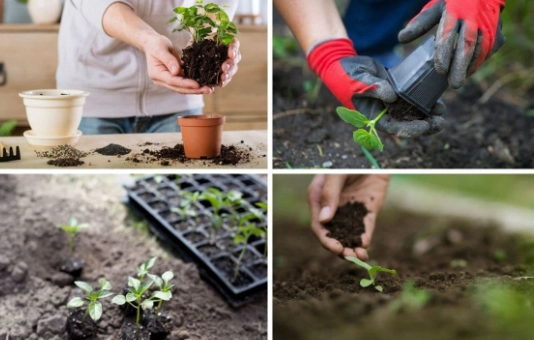
Advanced Tips and Common Mistakes to Avoid
After years of trial and error (mostly error), here are some finer points that separate a good transplant from a great one.
- Tease the roots: If the plant is badly pot-bound with roots circling densely, gently tease apart the outer roots before planting. This encourages them to grow outward into the new soil instead of continuing in a circle. For very matted roots, you can even make a few vertical slices with a clean knife.
- The "too big" pot trap: When repotting, only go up one or two pot sizes at a time. A tiny plant in a huge pot holds too much wet soil, which can lead to root rot because the roots can't use the moisture fast enough.
- Ignore the weather forecast at your peril: Always check the forecast for the week after you plan to transplant. A sudden heatwave or a week of torrential rain can undo all your careful work.
- Don't forget to label: If you're moving multiple plants, especially dormant perennials, label them. You will forget what is where.
One of the biggest mistakes is being too rough. Gardening requires gentle hands. Think of the roots as the plant's vital organs. Tearing them causes trauma. Slicing cleanly with a sharp tool is far better.
Your Transplanting Questions Answered
Wrapping It Up: The Heart of Transplanting
At its core, successful transplanting is about empathy. You're trying to minimize disruption for a living thing. You prepare its new home before evicting it from the old one. You handle its roots with care. You protect it during its vulnerable recovery period. It's a practice that slows you down and connects you to the rhythm of the garden.
Will every transplant be a 100% success? Probably not. Gardening is humbling. But by understanding the why, the when, and the how, you stack the odds dramatically in your favor. You move from a hopeful guess to a confident action. So, the next time you look at a crowded pot or a misplaced shrub, don't see a problem. See an opportunity—a chance to give a plant a new lease on life, and to shape your garden exactly how you envision it.
Go on, give it a try. Just maybe not in the middle of a July heatwave.
Reader Comments