Quick Navigation
Let's be honest. Most of us focus on the showy parts of a plant - the flowers, the leaves, the fruit. We water what we see. We fertilize what's above ground. But if you really want to understand plant health, you need to look down. Way down. The real magic, the engine room of every plant, is hidden in the dark, damp world of the soil. That's where root growth happens, and getting it right changes everything.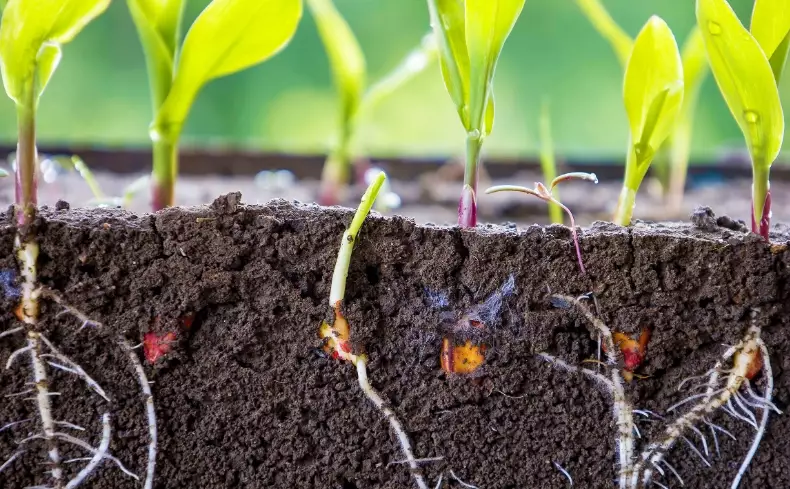
I learned this the hard way. Years ago, I had a tomato plant that looked fantastic for weeks. Lush, green, promising. Then it just... stalled. No more flowers. The lower leaves started to yellow. I gave it more fertilizer, more water. Nothing helped. When I finally worked up the courage to gently tip the pot out, the truth was staring at me. A pathetic, coiled-up knot of roots that had never ventured beyond the shape of the nursery pot. The plant was literally strangling itself. All my attention above ground was worthless because the foundation - the root system - was a disaster.
That failure sent me down a rabbit hole. I talked to nursery pros, read studies from places like the USDA, and experimented in my own garden. What I found is that understanding root growth isn't just for botanists. It's the single most practical skill for any gardener, farmer, or houseplant enthusiast. It's the difference between a plant that survives and one that thrives.
What Is Root Growth, Really? (It's More Than Just Getting Longer)
When we say "root growth," it sounds simple. The roots get bigger. But it's a sophisticated, multi-stage process that's easy to mess up if you don't know the steps. It's not just about length; it's about architecture, density, and function.
It all starts with the root tip, a tiny, sensitive engine of exploration. Protected by a root cap, this tip is where the action is. Just behind it is the zone of cell division (the meristem), where new cells are born. Those new cells then elongate, pushing the tip further into the soil. Finally, they mature and specialize, growing root hairs. Those hairs are the superstars of absorption - a single rye plant can have billions of them, with a total length that would stretch for miles.
But here's a common misconception. People think roots grow towards water. Not exactly. They grow where conditions are good. If one side of the root zone is dry and compacted, and the other is moist and fluffy, the root growth will absolutely favor the better side. They're seeking oxygen, the right nutrients, and a friendly physical environment as much as they're seeking H2O.
The Four Pillars of Explosive Root Development
If you want to turbocharge root growth, you need to get four things right. Miss one, and you're limiting your plant's potential.
- Oxygen (The Silent Partner): This is the one everyone forgets. Root cells need to breathe. They perform respiration, just like we do, and they need oxygen for it. Waterlogged soil drowns them. Compacted soil suffocates them. Good soil structure with plenty of pores and air spaces is non-negotiable for vigorous root growth.
- Water (But Not Too Much): It's a Goldilocks situation. Roots need a consistent film of water on soil particles to absorb nutrients. Let the soil get bone dry, and those delicate root hairs die off. Keep it soggy, and you rot the whole system. The goal is "evenly moist." Deep, infrequent watering encourages roots to grow deeper searching for water, which builds a more resilient plant.
- Temperature (The Comfort Zone): Root growth has an optimal temperature range, and it's usually cooler than you think. For many temperate plants, roots grow best when soil is between 55°F and 75°F (13°C - 24°C). Too cold, and growth grinds to a halt. Too hot, and it stresses the system. A layer of mulch is a root's best friend—it keeps soil temperatures stable.
- Soil Structure & Chemistry: This is the physical and chemical home. Roots need to be able to push through the soil. They avoid hardpans and compacted layers. The pH needs to be in the right range (usually slightly acidic to neutral for most plants) so nutrients are actually available for uptake. Get the structure and chemistry wrong, and it's like trying to build a house on sand with the wrong tools.
Your Hands-On Guide to Improving Root Growth
Okay, theory is great. But what do you actually do? Let's get practical. These are the steps I've tested in my garden that make a visible difference.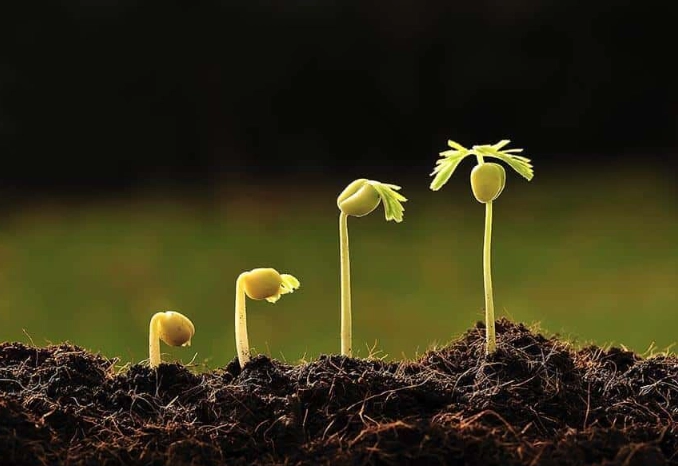
Before You Plant: Setting the Stage
Ninety percent of root growth success happens before the plant even goes in the ground. This is your chance to build the perfect home.
Soil Testing is Non-Negotiable. I used to skip this. I'd just throw some compost in and hope for the best. Don't be like old me. A simple soil test from your local cooperative extension office (find yours via the USDA's NIFA directory) tells you your pH and major nutrient levels. It costs a few dollars and saves you years of guesswork. If your pH is off, nutrients get "locked up" in the soil, and no amount of fertilizer will help root development.
Amend for Structure, Not Just Food. Everyone adds compost for nutrients. That's good. But add it even more for structure. Compost improves drainage in clay soil and water retention in sandy soil. It creates those precious air pockets roots need. For really heavy clay, I've had great results with coarse, horticultural sand or fine bark chips. For sand, compost and well-rotted manure are miracles.
Loosen the Soil, But Don't Pulverize It. Digging or tilling breaks up compaction and incorporates amendments. But go too far, and you destroy soil aggregates and the life within. The goal is a loose, crumbly texture you can easily push a trowel into, not fine powder.
At Planting: The Critical First Moments
This is where you direct the future of the root system.
The #1 Planting Mistake I See
Planting too deep. The root flare (where the trunk starts to widen at the base) should almost always be at or slightly above the soil surface. Burying it invites stem rot and suffocates the roots. For trees, this mistake can kill them slowly over a decade.
Tease or Score the Roots. If your plant is pot-bound (roots circling the container), you must interrupt that pattern. Gently tease the outer roots apart with your fingers. For a really tight mass, make four vertical slices with a knife down the sides of the root ball. It feels brutal, but it forces new root growth outward into the native soil. If you just plop a circling root ball in the ground, it often never expands, leading to a weak, unstable plant.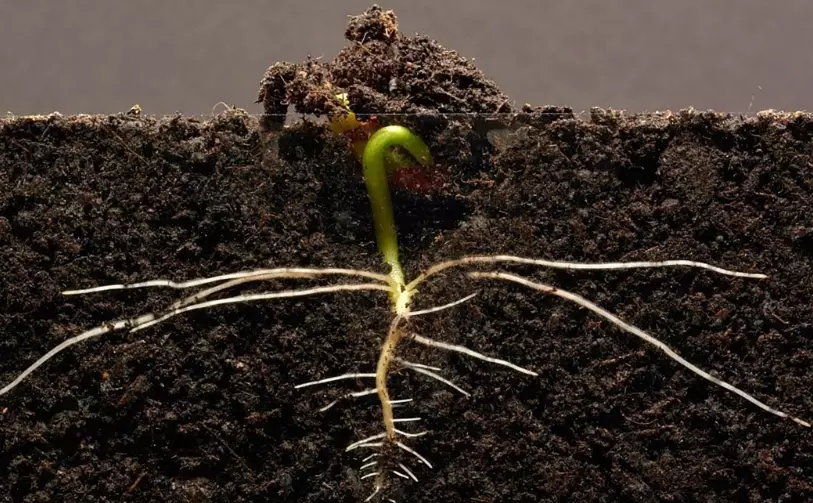
Water In Deeply. After planting, give it a slow, deep soak. This settles the soil around the roots, eliminates air pockets, and provides immediate moisture to kickstart growth. A light sprinkle just wets the surface and encourages shallow roots.
Ongoing Care: Feeding the Engine
Your job isn't over after planting. How you water and feed directly shapes the root architecture.
The Watering Mindset Shift. Stop watering on a schedule. Water based on need. Stick your finger in the soil. For most plants, water when the top 1-2 inches are dry. Then, water slowly and deeply until moisture penetrates 6-12 inches down. This trains the roots to grow deep. Frequent, light watering is the worst thing you can do—it keeps all the roots at the surface, making the plant vulnerable to drought and heat.
Fertilizer: Less is More. Synthetic, high-nitrogen fertilizers can spur a lot of top growth at the expense of root growth. The plant gets lazy. Why build a big root system to search for food if you're dumping a feast on its doorstep? I prefer organic, slow-release fertilizers or regular compost top-dressings. They feed the soil biology, which in turn feeds the roots in a more natural, balanced way. Resources from the Rodale Institute on organic practices really cemented this view for me.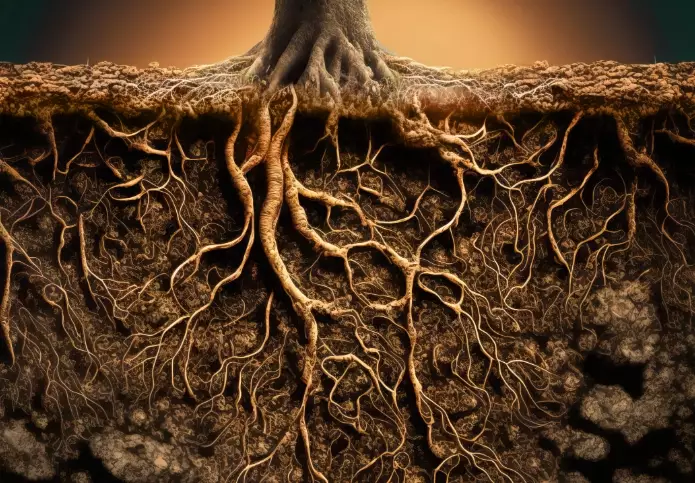
The Invisible Allies: Mycorrhizae and Soil Life
This is where gardening gets cool. Your plant's roots aren't working alone. They're part of a vast, underground network called the soil food web. The most important partners are mycorrhizal fungi.
These fungi form a symbiotic relationship with plant roots. The fungal hyphae (thin threads) attach to or penetrate the root, effectively extending the root system by hundreds or thousands of times. The plant trades sugars from photosynthesis for water and nutrients (especially phosphorus) gathered by the far-reaching fungal network. It's a barter economy, and it's incredibly efficient for promoting robust root growth and plant health.
You can buy mycorrhizal inoculants to add at planting time. Do they work? In sterile potting mixes or badly degraded soils, yes, they can give a real boost. In healthy, biologically active soil, the fungi are probably already there. The best thing you can do is avoid practices that kill them: avoid excessive tillage, and avoid harsh, broad-spectrum chemical fungicides and fertilizers. Feed the soil with organic matter, and the fungi will come.
Troubleshooting Root Growth Problems
Sometimes, despite your best efforts, things go wrong. Here’s how to diagnose common root issues.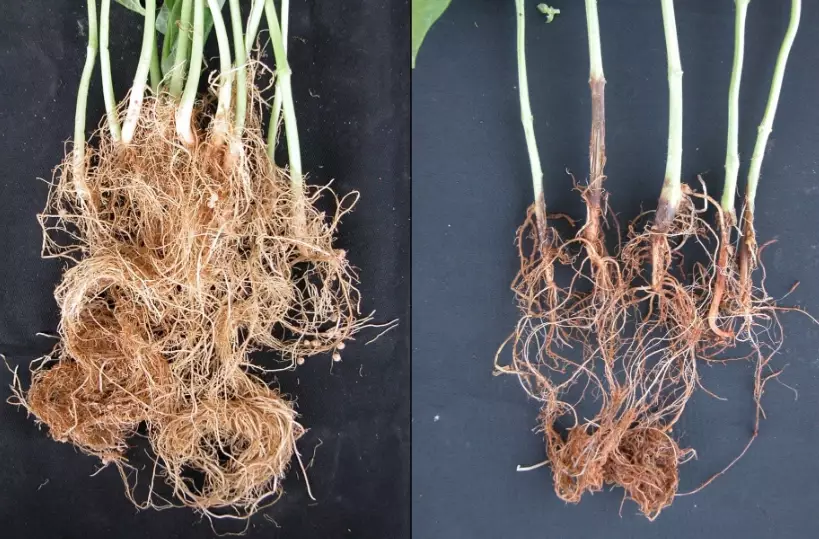
| Symptom Above Ground | Likely Root Problem | How to Confirm & Fix |
|---|---|---|
| Wilting, especially on hot days, even with wet soil | Root Rot (Fungal disease) | Gently dig near base. Roots will be dark brown/black, mushy, and smell bad. Improve drainage immediately. For container plants, repot in fresh, well-draining mix. Cut away rotten roots. |
| Stunted growth, pale leaves, lack of vigor | Soil Compaction / Restricted Root Zone | Check for hard soil or circling roots. For in-ground plants, use a broadfork to gently aerate without turning soil. For pots, repot into a larger container. |
| Leaf scorch (brown edges), wilting that doesn't recover at night | Insufficient Root System (Can't take up enough water) | Often happens after transplant shock or with recent plants. Provide shade, reduce top growth (pinch flowers), and ensure consistent soil moisture to help roots establish. |
| Nutrient deficiency symptoms (yellowing between veins) despite fertilizing | Poor Root Function (due to pH, temperature, or damage) | Test soil pH. Roots can't uptake nutrients if pH is wrong. Also, cold soil can cause temporary nutrient deficiency. Mulch to regulate temperature. |
I had a blueberry bush that showed classic iron deficiency (yellow leaves with green veins). I kept giving it iron supplements with no luck. A soil test finally revealed the problem wasn't a lack of iron, but a pH that was too high. Blueberries need very acidic soil. The iron was there, but the roots couldn't access it. I amended the soil with sulfur to lower the pH, and the plant recovered. The problem was never the root growth itself, but the environment it was in.
Root Growth in Special Situations
Containers vs. In-Ground
The rules change in a pot. Container root growth is all about managing a closed system. Drainage is king—your pot must have holes. The potting mix is everything; use a high-quality, well-draining mix meant for containers, not garden soil. Roots will eventually hit the sides and bottom, leading to circling and pot-bound conditions. You need to monitor this and be prepared to repot or root-prune. Watering is more frequent but still follow the deep watering rule—water until it runs out the bottom.
Transplants and Seedlings
This is a vulnerable time. The goal is to minimize shock. For seedlings, handle by the leaves, not the fragile stem. Keep the root ball intact. Water the seedling in its cell thoroughly before transplanting. For bare-root plants (like roses or fruit trees), the key is to never let the roots dry out. Soak them in water for a few hours before planting, and keep them covered with damp burlap until they go in the ground.
Your Root Growth Questions, Answered
The Long Game: Thinking Like a Root
Improving root growth isn't a one-time trick. It's a philosophy of gardening. It's about patience and working with nature, not against it. You're building a foundation. A plant with a deep, wide, healthy root system is more drought-tolerant, more storm-resistant, more disease-resistant, and more productive.
It's less flashy than a bloom booster. But it's infinitely more powerful.
The next time you're in your garden or looking at your houseplants, remember: the real action is below the surface. Focus your energy there. Give your plants the foundation they need, and they'll reward you with growth and resilience you didn't think possible. Start with a soil test. Fix your watering habits. Add organic matter. Protect the soil life.