Let's talk about growing plants, but let's skip the dirt. That's the first thing that comes to mind with hydroponics. No more messy soil under your fingernails, no more guessing about what's in your garden bed. It's just you, the plants, water, and nutrients. Sounds simple, right? Well, it can be, but there's a bit more to it. I remember my first attempt at a DIY hydroponics setup—a few plastic bottles, some net cups, and a lot of hope. Let's just say the results were... educational. The lettuce grew, but it was a bit leggy. It taught me that while the concept is straightforward, the details matter. A lot.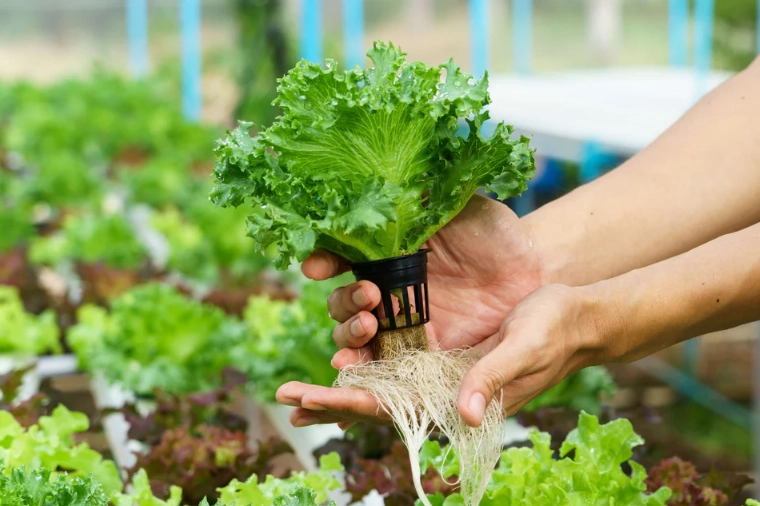
Core Idea: Hydroponics is a method of growing plants using a water-based nutrient solution without soil. The roots are supported by an inert medium like clay pellets or rockwool, and they get their food directly from the water.
Why does this matter now? Well, look around. Urban spaces are tight, water is becoming a precious resource in many places, and the desire for fresh, local food is stronger than ever. Hydroponics addresses these points head-on. It's not just a hobby for tech enthusiasts; it's a practical solution for a lot of modern gardening challenges.
Quick Guide
Why Bother with Hydroponics? The Real Benefits
Everyone lists the benefits, but let's dig into what they actually mean for you in your garage, balcony, or spare room.
Faster Growth and Bigger Yields: This is the big one. Plants in a well-tuned hydroponic system don't waste energy searching for food and water. It's delivered right to their doorstep. I've seen basil in my system go from seedling to harvestable in about half the time it took in my soil pots. The growth rate isn't just a little faster; it's noticeably different. The science backs this up—when roots have direct access to oxygen, water, and nutrients, metabolic rates skyrocket.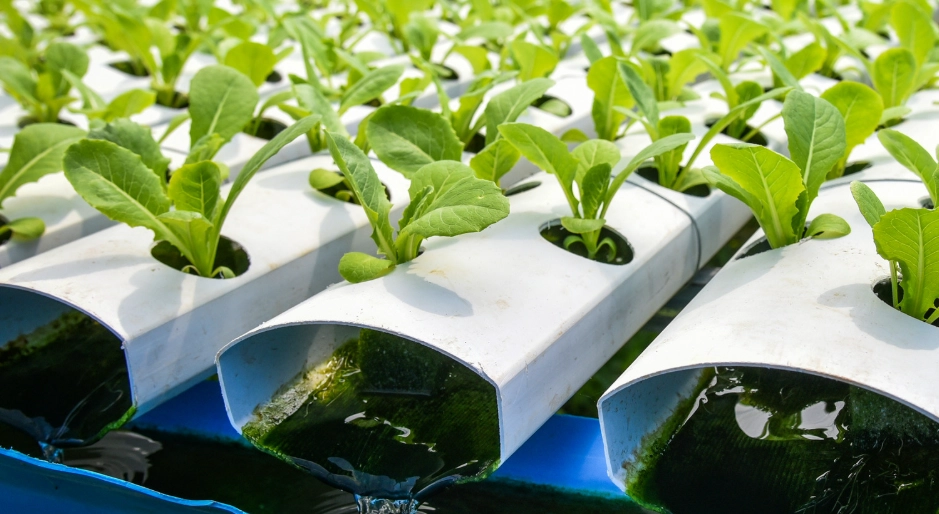
Water Conservation: This one's huge, especially if you live somewhere with water restrictions or just care about conservation. Hydroponic systems are typically recirculating. The water isn't lost to the ground or evaporated from a large soil surface area. The U.S. Department of Agriculture (USDA) notes that controlled environment agriculture, which includes hydroponics, can use up to 90% less water than traditional field farming. That's not a small number.
Personal Note: My water bill actually went down slightly after I switched my main herb garden to hydroponics. It was a surprising but welcome side effect.
No Soil-Borne Diseases or Weeds: This is a massive relief. Say goodbye to battling fungus gnats, worrying about root rot from poorly draining soil, or spending weekends pulling weeds. Your growing medium is sterile. Problems can still happen (like algae or root disease from poor maintenance), but you've eliminated a whole category of headaches.
Space Efficiency and Location Freedom: You can grow vertically. You can grow in a basement with lights. You can grow on a concrete patio. Soil quality and space constraints become irrelevant. This is why you see hydroponic systems in urban warehouses, on rooftops, and even in classrooms.
Precise Nutrient Control: You are the chef. You control exactly what your plants eat and in what proportions. Want more flavorful herbs? You can tweak the nutrient mix. Growing leafy greens versus fruiting plants like tomatoes? You switch formulas. It's like going from generic plant food to a custom-tailored diet.
Year-Round Growing: Seasons? What seasons? With a simple indoor light setup, you can grow basil in December and lettuce in July. It completely decouples your food production from the weather outside.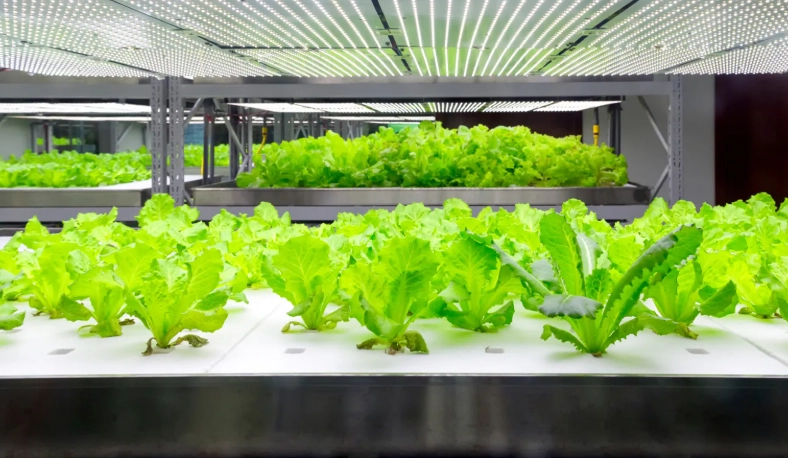
Let's be honest, it's not all sunshine and rainbows. The startup cost is higher than buying a bag of soil and a pot. You need to pay attention to things like pH and electrical conductivity (EC), which you can mostly ignore in casual soil gardening. And yes, if a pump fails or a pipe clogs while you're away for the weekend, things can go south quickly. It's a more involved, but often more rewarding, relationship with your plants.
Different Hydroponic Systems: Picking the Right One
This is where most beginners get overwhelmed. There are several main types of hydroponic systems, each with its own pros, cons, and best-use cases. Think of it like choosing a car—you don't buy a sports car to go off-roading. Here’s a breakdown of the most common ones.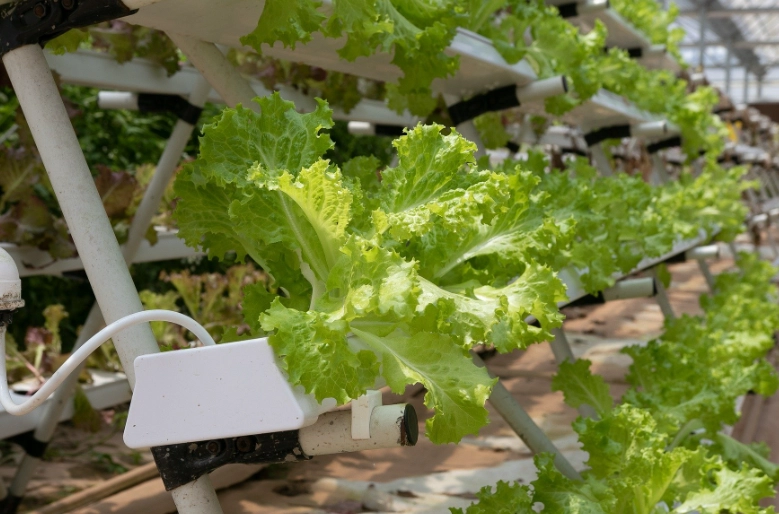
| System Name | How It Works (Simply) | Best For | Beginner Friendliness | My Personal Take |
|---|---|---|---|---|
| Deep Water Culture (DWC) | Plant roots dangle directly into a nutrient-rich, oxygenated water reservoir. | Leafy greens, herbs, fast-growing plants. | Very High - It's often the first system people try. | Super simple and cheap to start. My go-to for lettuce. Watch out for root rot if the air pump fails. |
| Nutrient Film Technique (NFT) | A thin film of nutrient solution constantly flows over the roots in a sloped channel. | Lightweight, fast-growing plants with small root systems. | Medium - Requires careful slope and flow rate setup. | Looks very "sci-fi" and efficient. Not great for large, long-growing plants like tomatoes—roots can clog the channel. |
| Ebb and Flow (Flood & Drain) | The grow tray is periodically flooded with nutrient solution, which then drains back to the reservoir. | A wide variety of plants, from seedlings to larger fruiting plants. | Medium - You need a reliable timer and pump. | Very versatile. I like it for starting seedlings and for peppers. The drying period between floods helps prevent issues. |
| Drip Systems | Nutrient solution is dripped slowly onto the base of each plant via small tubes. | Larger plants, bushes, tomatoes, cucumbers, peppers. | Medium to High - Can be simple or complex. | The most similar to traditional watering. Great for bigger plants in grow bags with coco coir. Emitters can clog. |
| Wick Systems | Passive system. Wicks draw nutrient solution from a reservoir up to the plant's root zone. | Small plants, herbs, microgreens. Low-nutrient demand plants. | Extremely High - No pumps or electricity needed. | The ultimate low-maintenance, low-tech entry point. Don't expect to grow a watermelon with it. Great for a desktop herb garden. |
| Aeroponics | Plant roots hang in the air and are misted with a fine spray of nutrient solution. | Advanced growers, research, high-value crops. Extremely fast growth. | Very Low - High maintenance, prone to nozzle clogs. | It's the pinnacle of hydroponic tech. Amazing growth when it works. I tried a small kit and spent more time cleaning mist nozzles than enjoying the plants. Not for the faint of heart. |
So, which one should you start with? If you're totally new, I'd point you straight to a simple Deep Water Culture (DWC) bucket or a Wick System. The barrier to entry is low, and you'll learn the fundamentals—mixing nutrients, checking pH—without dealing with complex plumbing. My first successful harvest came from a 5-gallon DWC bucket with a single lettuce plant. It was ridiculously satisfying.
Your First Hydroponic Setup: A Step-by-Step Walkthrough
Let's build a simple Deep Water Culture (DWC) system together. It's the classic starting point.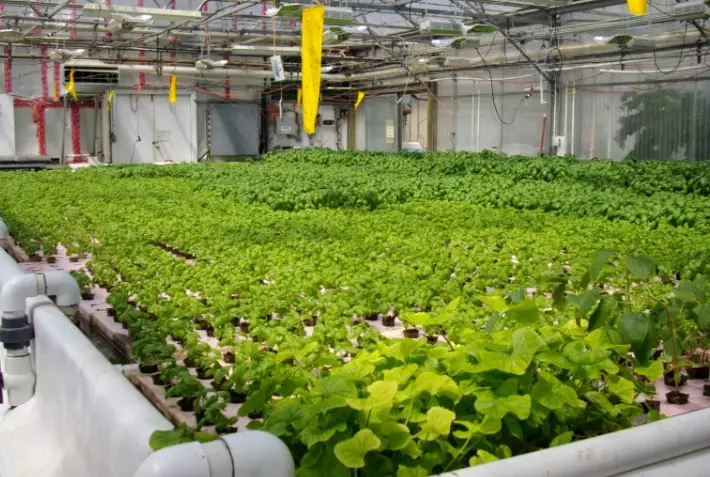
What You'll Need (The Shopping List)
- A Container: A 5-gallon food-grade bucket with a lid. Dark colored or painted black to block light (light in the reservoir = algae party).
- Net Pots: 3- or 4-inch plastic pots with lots of holes.
- Growing Medium: Hydroton (expanded clay pellets) are great. They're inert, reusable, and provide good airflow. Rockwool cubes are another popular choice for starting seeds.
- An Air Pump & Air Stone: This is non-negotiable for DWC. The pump sits outside the bucket and pushes air through a tube to an air stone in the water, oxygenating the solution so the roots don't drown. Get one meant for aquariums.
- Hydroponic Nutrients: Don't use regular garden fertilizer. You need a specialized, water-soluble hydroponic nutrient blend. They usually come in a "Grow" and "Bloom" formula. For leafy greens, a general-purpose or "Grow" formula is fine.
- pH Testing & Adjustment Kit: A simple liquid pH test kit or a digital pH meter. You'll also need pH Up and pH Down solutions.
- A Seedling: Start a seed in a rockwool cube or a small pod of growing medium. Once it has a few true leaves and roots poking out, it's ready.
Assembly & Setup Process
1. Prepare the Bucket: Cut a hole in the lid the size of your net pot. Make sure it's snug so the pot doesn't fall through.
2. Install the Air System: Place the air stone at the bottom of the bucket. Run the airline out through a small hole in the side of the bucket (or lid). Connect it to the air pump outside.
3. Mix Your Nutrient Solution: Fill the bucket with water. If you use tap water, let it sit out for 24 hours to let chlorine evaporate. Follow the instructions on your nutrient bottle—usually, it's a certain number of milliliters per gallon of water. Start at half-strength for young seedlings. This is a common beginner mistake; full strength can "burn" delicate young roots.
4. Test and Adjust pH: This is the most critical step for success in hydroponics. Most plants prefer a pH between 5.5 and 6.5. Test your water. If it's too high (alkaline), add a drop of pH Down, mix, and retest. If too low (acidic), use pH Up. Go slow. It's easier to add more than to overcorrect.
5. Plant Your Seedling: Place your seedling in the net pot and surround its roots with your clay pellets to support it. The bottom of the net pot should just touch the nutrient solution when the lid is on, or be slightly above it so the roots grow down to reach it.
6. Plug It In & Observe: Turn on the air pump. You should see a steady stream of bubbles. Place the system in a spot with good light (a sunny window or under a grow light).
Watch Out: In the first week, keep an eye on the water level. Young plants drink very little, but evaporation happens. Top up with plain, pH-adjusted water. Only remix a full batch of nutrients every 1-2 weeks, as the plants will have consumed some elements faster than others.
Common Problems (And How to Fix Them Before You Panic)
Things will go wrong. It's part of the learning process. Here’s a quick trouble-shooting guide.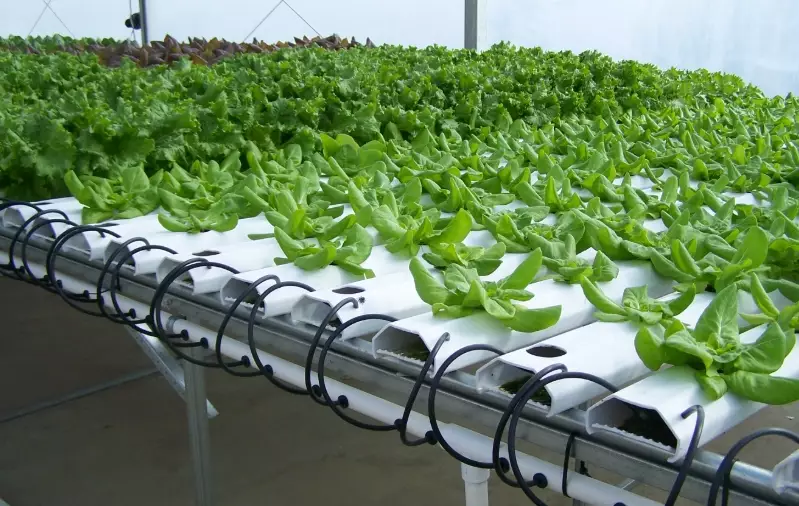
Yellowing Leaves: This is the plant's distress signal. *Old leaves yellowing* often points to a nitrogen deficiency or a general nutrient solution that's too weak. *New leaves yellowing* (especially between the veins) can mean an iron deficiency, often caused by a pH that's too high, locking out iron. Check and adjust your pH first—it fixes more problems than you'd think.
Slow or No Growth: The usual suspects: not enough light, water temperature too cold (ideal is 65-70°F or 18-21°C), or insufficient oxygen in the water (is your air pump working?).
Root Rot (Brown, Slimy Roots): A killer. Caused by pathogens thriving in warm, low-oxygen water. Prevention is key: keep your reservoir cool, ensure strong aeration, and block all light from getting into the water. If it happens, you may need to remove the plant, clean everything thoroughly with a hydrogen peroxide solution, and start fresh.
Algae Growth: Green slime in your reservoir or on your growing medium. It's not directly harmful, but it competes for nutrients and can clog systems. It means light is leaking in. Cover all exposed water and growing medium surfaces. Use opaque materials.
Answering Your Hydroponics Questions
I get asked these questions all the time, online and from friends who see my setup.
Look, diving into hydroponics can feel like a lot upfront. There's a learning curve. You might kill a plant or two while you figure out the pH dance. But the moment you harvest a crisp, clean head of lettuce that you grew in a bucket in your basement in January, or snip fresh basil for your pasta that's growing twice as fast as your outdoor plants, it all clicks.
It's not magic. It's just applied plant science. And it's incredibly empowering. You start to see space differently—every closet, corner, or balcony becomes a potential garden. You gain a deeper understanding of what plants actually need to thrive, stripped of all the dirt and guesswork.
Start small. Get a single DWC bucket going. Master that. Then, if you get the bug, you can scale up or try a different system. The community is vast, from forums to YouTube channels, filled with people who have made every mistake imaginable and are happy to help you avoid them. The future of growing is here, and it's clear, water-based, and fascinating.