What You’ll Find Here
- Bonsai Basics: Answering Your First Big Questions
- Choosing Your First Bonsai Tree: A Reality Check
- The Non-Negotiable Pillars of Bonsai Care
- Styling and Pruning: Where the Art Comes Alive
- Repotting: Refreshing the Foundation
- Troubleshooting: What's Wrong With My Bonsai?
- A Quick Guide to Different Bonsai Styles
- Beyond the First Tree: The Journey Continues
Let's be real, starting your bonsai journey can feel a bit intimidating. You see these perfect, miniature trees in photos—serene, ancient-looking, impossibly beautiful—and you wonder, "Can I actually keep one of those alive?" The short answer is yes, absolutely. But it's not about having a green thumb magically bestowed upon you. It's about understanding a few key principles and then applying them consistently. I'm not here to sell you a mystical, impossible dream. I'm here to walk you through the practical, sometimes messy, but incredibly rewarding reality of growing a bonsai.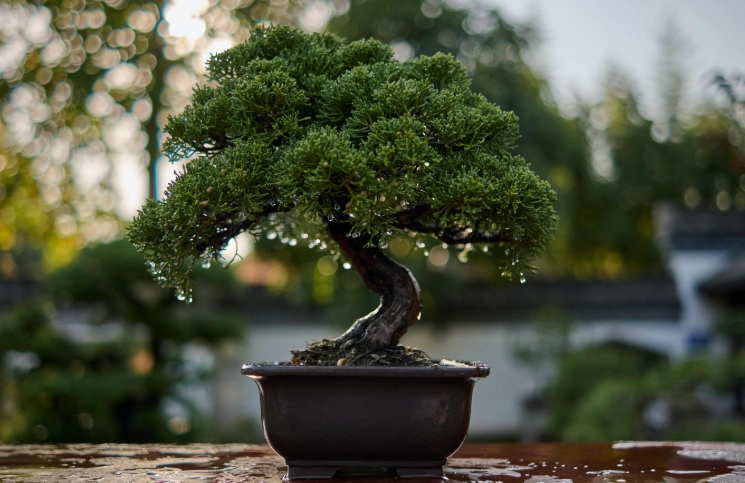
I remember my first bonsai, a juniper I bought from a generic garden center. It looked cute in its little pot. I had no clue. I watered it when I remembered, kept it on a dim bookshelf because it matched the decor, and wondered why it turned brown and crispy in a few months. I killed it with kindness and ignorance. That experience, frustrating as it was, taught me more than any perfectly curated Instagram feed ever could. Bonsai isn't just a plant you buy; it's a living sculpture you co-create with nature. And that partnership requires some ground rules.
Bonsai Basics: Answering Your First Big Questions
Before we even touch a pot, let's clear up the confusion that stops many beginners in their tracks.
Is "Bonsai" a Specific Type of Tree?
This is the biggest misconception. No, "bonsai" (pronounced bone-sigh) is not a species. The word is Japanese, meaning "planted in a container." It's an art form, a horticultural practice. You can create a bonsai from many, many different trees and shrubs. The art lies in miniaturizing and shaping them through specific techniques. So when you search for "bonsai tree care," you're really asking about caring for a tree that is being grown as a bonsai. Its needs are fundamentally the needs of its species, just managed within the constraints of a small pot.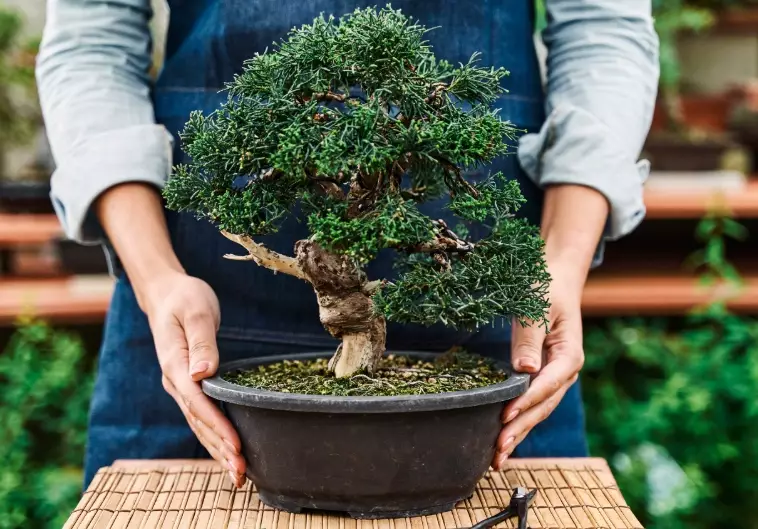
Are Bonsai Trees Hard to Keep Alive?
They can be if you treat them like a regular houseplant. They aren't. A bonsai is a tree, with a tree's needs for light, water, and seasonal cycles. The difficulty often comes from trying to grow an outdoor tree permanently indoors. Some species adapt better to indoor life than others, but none are truly "low-light" plants. The key is matching the tree to your environment. Pick a tough species suited to your conditions, and the basics of care—watering correctly, providing enough light—become much simpler. The advanced styling? That takes time. But keeping it alive? That's very achievable.
Think of it like this: keeping a dog alive is straightforward. Training it to win agility competitions is the advanced part. Same with bonsai.
How Long Do Bonsai Trees Live?
Here's the wonderful part. With proper care, a bonsai can outlive you, your children, and even your grandchildren. There are bonsai specimens in collections that are hundreds of years old. Their longevity is tied to the health of their roots and the consistency of their care. You're not committing to a fleeting decoration; you're potentially starting a legacy. That juniper I killed? It could have lived for decades. A sobering and inspiring thought.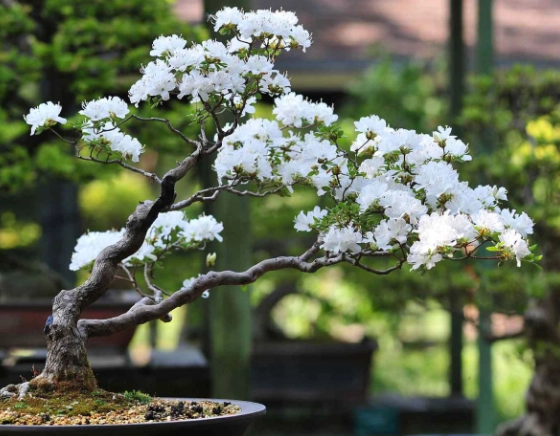
Quick Tip: If you're feeling overwhelmed, start with the concept of "pre-bonsai" or "nursery stock." This is a young, healthy tree you find at a regular nursery. You practice basic care and initial pruning on it. It's less pressure, cheaper, and teaches you the fundamentals before you invest in a more refined specimen.
Choosing Your First Bonsai Tree: A Reality Check
Walking into a shop or browsing online, the choice can be paralyzing. Do you go for the flowering one? The one with the twisty trunk? My advice is to ignore the aesthetics at first and focus on hardiness and suitability. Your goal for the first year is not to create a masterpiece. Your goal is to not kill it. Choose a partner that will forgive your early mistakes.
Here’s a straightforward comparison of common beginner-friendly species. I've included my personal take on each based on experience.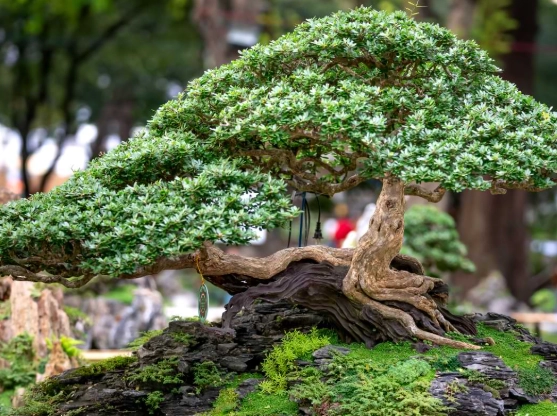
| Tree Species | Best For | Key Needs | Beginner Friendliness & Notes |
|---|---|---|---|
| Ficus (Fig) | Indoor growers, low-light tolerance | Bright, indirect light. Let soil dry slightly between waterings. | Top Choice. Tough, resilient, back-buds easily. Forgiving of watering slips. My personal recommendation for #1 first bonsai. |
| Juniper | Outdoor growing, traditional look | Must be outdoors. Full sun. Well-draining soil. | Very common but often misunderstood. That "indoor bonsai" juniper at the mall? It's doomed. Great for outdoors if you have a balcony/yard. |
| Chinese Elm | Either indoor or outdoor (mild climates) | Lots of light. Consistent moisture. | Excellent. Adaptable, fine ramification, shows age well. Less fussy about humidity than some. |
| Jade Plant | Forgetful waterers, very indoor settings | Bright light. Water only when soil is completely dry. | Super easy. It's a succulent. You prune it like a tree. Slow growth, but hard to kill. Not a "traditional" bonsai but a fantastic trainer. |
| Japanese Maple | Outdoor growers who want stunning seasonal color | Dappled sun outdoors. Protection from harsh afternoon sun and wind. | Intermediate. Beautiful but more delicate. Needs attention to watering and sun-scorch. A wonderful second project. |
See that note for Juniper? I can't stress it enough. Conifers like junipers and pines require a winter dormancy period triggered by cold temperatures. Keeping them in a constantly warm house exhausts and kills them. It was the main reason my first tree died. The American Bonsai Society has great resources on species-specific requirements if you want to dive deeper into a particular tree.
So, my blunt advice? Start with a Ficus. It's the most forgiving introduction to the art of bonsai. You can learn wiring, pruning, and repotting on a ficus, and it will likely bounce back. Success builds confidence.
The Non-Negotiable Pillars of Bonsai Care
Once you have your tree, these are the three things you need to get right. Everything else—styling, refining—is built on this foundation.
Watering: It's Not About a Schedule
This is the number one killer of bonsai, both overwatering and underwatering. You cannot water every Tuesday and expect success. The need for water depends on the tree species, pot size, soil mix, weather, and season.
The right way? The "finger test." Stick your finger about half an inch into the soil. Is it damp? Wait. Is it starting to feel dry? Water. And when you water, do it thoroughly. Pour water evenly over the soil surface until it runs freely out of the drainage holes. This ensures the entire root ball gets moisture. A quick sprinkle only wets the top and encourages roots to stay shallow, which is bad for stability and health.
Common Mistake Alert: Using a decorative pot without drainage holes because it "looks nicer." This is a death sentence. Roots sitting in stagnant water will rot. Always use a proper bonsai pot or a training pot with excellent drainage.
Light: Your Tree's Food
Trees make their own food through photosynthesis. No light, no food, slow decline. Most trees used for bonsai want bright, direct light for several hours a day.
- Outdoor Trees: Place them where they get morning sun and some protection from the most intense afternoon heat (for most species).
- Indoor Trees (like Ficus): A south-facing window is best. East or west can work. A north-facing window is usually too dim. If you only have poor light, get a grow light. It's not optional if you want a healthy indoor bonsai. A simple LED panel for 6-8 hours a day makes a world of difference.
A leggy, stretched-out tree with large gaps between leaves is screaming for more light.
Soil and Fertilizing: The Support System
Bonsai soil isn't dirt from your garden. It's a special, fast-draining mix—often containing components like akadama (a baked clay), pumice, and lava rock. Why? In a tiny pot, you need particles that hold moisture and nutrients but also create air pockets for the roots to breathe. Garden soil compacts, suffocates roots, and drains poorly.
Fertilizer is the tree's vitamins. During the active growing season (spring through early fall), you should fertilize regularly. A balanced, liquid fertilizer diluted to half-strength every two weeks is a safe bet. In winter, for most trees, stop or reduce feeding significantly. The Bonsai Society of Greater St. Louis has a very practical, no-nonsense guide on fertilization schedules that demystifies the process.
Patience. This is the single most important ingredient in bonsai that you can't buy. Growth happens in its own time.
Styling and Pruning: Where the Art Comes Alive
This is the fun part, but also where you can get scared of "hurting" the tree. Pruning is not hurting; it's guiding. The tree responds to pruning by growing back more vigorously (in the right season).
Basic Pruning Principles
- Maintenance Pruning: This is just trimming to maintain the shape you've created. You cut back new growth, often to 1-2 leaves on a shoot. This encourages back-budding (new growth closer to the trunk) and ramification (fine branching), which makes the tree look denser and more mature.
- Structural Pruning: This is bigger surgery. You're removing primary branches to define the basic shape. This is best done in late winter or early spring before the growth surge. Always think before you cut. Look at the tree from all angles. Which branch is the front? Which ones are creating clutter?
A tool note: you don't need a $200 Japanese carbon steel kit to start. A pair of sharp, clean scissors for small shoots and a decent concave cutter for branches will handle 95% of your needs. Clean cuts heal faster.
Wiring: The Bonsai Sculptor's Tool
Wiring with aluminum or copper wire allows you to bend and position branches. You wrap the wire in a spiral along the branch, then gently bend it. It feels weird at first. The goal is to set the branch in a new position, not to create a perfect spiral. Leave it on for a few months until the branch "sets," then cut it off carefully—don't unwind it, as you might break the branch.
My Wiring Fail: I once wired a branch too tightly and forgot about it. The wire bit into the bark as the branch thickened, leaving a nasty scar. It's a lesson every bonsai artist learns once. Check your wired branches every month for signs of cutting in.
Repotting: Refreshing the Foundation
Every 2-5 years, depending on the tree's growth and age, you need to repot. This isn't just about a bigger pot; it's about pruning the roots and replacing the old, broken-down soil with fresh, granular mix. Root pruning sounds scary but stimulates new, fine feeder root growth, which is essential for health in a confined space.
The best time is early spring, just as buds begin to swell. You gently remove the tree, comb out the old soil, cut back up to a third of the root mass (focusing on long, thick roots), and replant it in the same or a slightly larger pot with fresh soil. Then you water thoroughly and place it in a sheltered spot for a few weeks to recover. The US National Arboretum has an excellent, step-by-step visual guide on bonsai repotting that takes the fear out of the process.
Troubleshooting: What's Wrong With My Bonsai?
Things will go wrong. Here's how to diagnose common issues.
- Yellowing, Dropping Leaves: Could be overwatering (check if soil is soggy), underwatering (check if bone dry), or a sudden change in environment (like moving from outdoors to indoors). Ficus often throw a tantrum and drop leaves when moved; if the branches are still flexible, it will usually releaf.
- Brown, Crispy Tips: Usually underwatering, low humidity, or fertilizer burn (if you recently fed it).
- Weak, Sparse Growth: Almost always insufficient light.
- Pests (Aphids, Spider Mites): Isolate the tree. A strong spray of water can dislodge many pests. For persistent issues, insecticidal soap or neem oil works. Check undersides of leaves regularly.
A Quick Guide to Different Bonsai Styles
As you explore, you'll see trees styled in specific ways. These aren't random; they mimic how trees grow in nature under stress. Knowing them helps you decide what you want to create.
Formal Upright (Chokkan): Straight, tapering trunk, balanced branches. Looks strong and stable.
Informal Upright (Moyogi): Trunk has gentle curves, but apex is over the base. Natural and graceful.
Slanting (Shakan): Trunk leans distinctly to one side, as if by wind.
Cascade (Kengai): Trunk grows downward over the side of the pot, like a tree on a cliff. Needs a tall pot.
Literati (Bunjin): A long, often bare, sinuous trunk with minimal foliage at the top. Evokes an old, windswept tree high in the mountains. My personal favorite for its poetic feel.
Beyond the First Tree: The Journey Continues
Your first bonsai is a learning tool. You might eventually style it into something you love, or you might keep it as a reminder of where you started. Many enthusiasts end up with a collection—different species, different styles, trees in various stages of development.
The real joy of bonsai isn't in achieving a finished product. It's in the process. The quiet focus of pruning. The anticipation of spring buds. The slight adjustment of a wire. It's a hobby that forces you to slow down and pay attention to the rhythms of a living thing. You learn to see the tree not for what it is, but for what it could become, with time and care.
So, get a ficus. Put it in a bright spot. Learn the finger test. Make your first cautious cut. You'll make mistakes. Every single person who practices bonsai has. But you'll also experience the profound satisfaction of nurturing a tiny landscape, a piece of living art that grows and changes with you.
That's the true essence of bonsai.