Your Terrarium Quick Guide
Let's be honest. We've all seen those gorgeous, lush terrarium pictures on Instagram or Pinterest—a perfect little world under glass, seemingly thriving on its own. And we've all thought, "I could never do that." Maybe you've killed a cactus before (guilty as charged). Or perhaps you live in a tiny apartment with less-than-ideal light. The idea of creating a balanced, self-sustaining ecosystem feels like it belongs to people with serious green thumbs.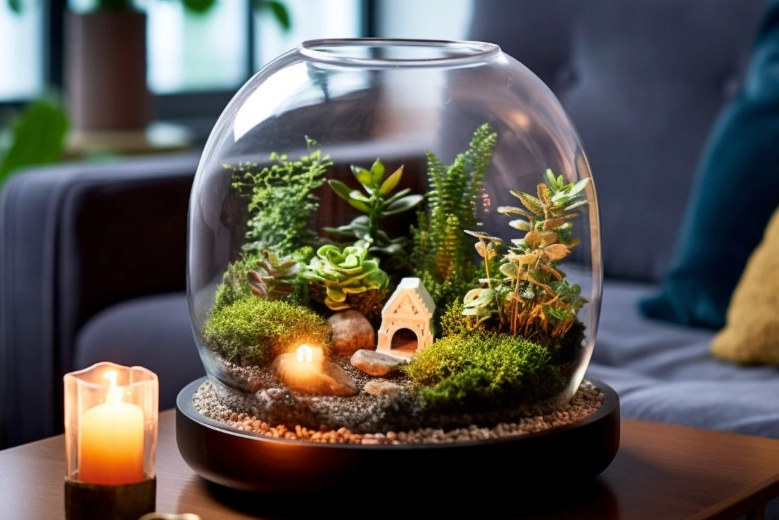
But here's the secret: terrariums are actually one of the most forgiving and rewarding ways to get into plants. They're not as fragile as they look. In fact, once you get the basics down, they can be incredibly low-maintenance. A well-made terrarium, especially a closed one, can chug along happily for months with barely any input from you. It's like having a tiny piece of a rainforest or desert on your desk.
So, if you're curious about how to make a terrarium, you're in the right place. This isn't about complex botany. It's about understanding a few simple principles and then having fun putting it all together. We'll strip away the mystery and walk through every step, from picking the right jar to keeping your mini-jungle alive for years. I'll even share some of my own messy learning experiences—like the time I sealed a terrarium too tightly and created a mold farm instead of a garden. Good times.
What Exactly Is a Terrarium?
At its core, a terrarium is a transparent container (usually glass) housing a collection of small plants and sometimes other decorative elements. It's more than just a pot with a lid. The container creates a unique microclimate where water, air, and nutrients cycle in a controlled space. Think of it as a tiny, simplified version of the Earth's own cycles, right there on your shelf. The beauty of a terrarium lies in this balance. When it works, it feels a bit like magic.
The Two Main Types of Terrariums: Open vs. Closed
This is the first and most important fork in the road. Getting this right sets you up for success, while getting it wrong is a fast track to disappointment. The choice fundamentally changes what you can grow and how you care for it.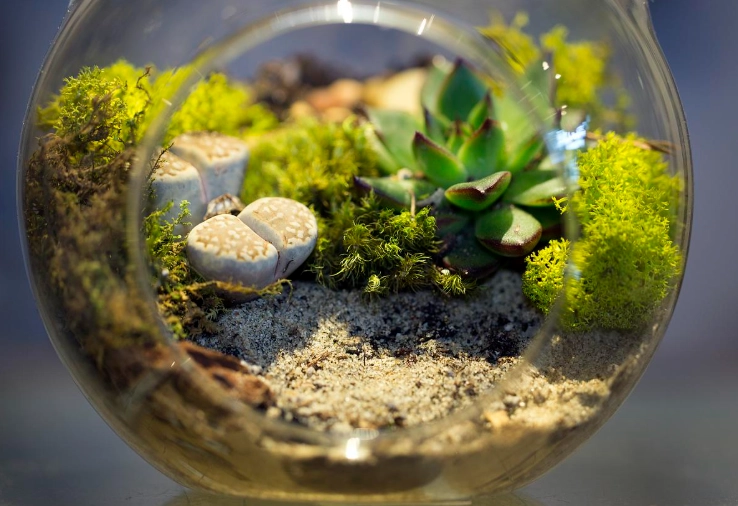
I made the mistake early on of putting a fern in an open dish because it looked "ethereal." It was ethereally dead within three weeks. Lesson learned.
| Feature | Closed Terrarium | Open Terrarium |
|---|---|---|
| Environment | Humid, tropical, self-contained water cycle. The lid traps moisture. | Arid, dry, similar to your room's humidity. Water evaporates freely. |
| Best For | Plants that love moisture and consistent humidity: Ferns, Mosses, Fittonia, Pilea. | Plants that prefer dry air and good airflow: Succulents, Cacti, Air Plants, some Herbs. |
| Watering | Rarely. You might only water a few times a year once established. Overwatering is the #1 killer. | More frequently, like a regular potted plant. Let soil dry between waterings. |
| Maintenance | Low maintenance long-term, but requires monitoring for condensation and mold. | Moderate maintenance, similar to caring for a small dish garden. |
| Visual Vibe | Lush, green, jungly, often with lots of texture from moss. | Structured, sculptural, often with sand, stones, and geometric shapes. |
So, which one calls to you? The steamy jungle jar or the sunny desert bowl?
Gathering Your Terrarium Supplies: A Simple Checklist
You don't need fancy tools or expensive gear. Half the fun is repurposing things you might already have. Here's what you actually need, broken down layer by layer, because yes, there are layers—and they matter.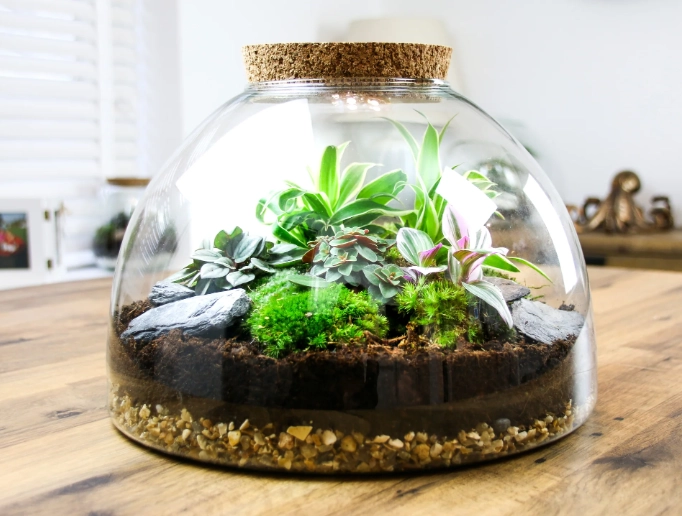
Pro Tip: Don't rush out and buy a "terrarium kit" unless you're really short on time. Part of the joy is sourcing your own container and stones. It makes the final product feel more personal.
The Container: Your Miniature World's Sky
Anything clear works! I've used everything from giant brandy snifters and apothecary jars to simple fish bowls and even large, clean pickle jars. The opening matters more than you think. A wide mouth is easier to work with, but a narrow neck can create a beautiful, mysterious landscape. Just be prepared for some acrobatics with long tweezers or chopsticks.
Make sure it's clean. Really clean. Soap and water, then a rinse with a little diluted vinegar to avoid chemical residues. A dirty jar can introduce fungi or bacteria that will wreak havoc on your tiny ecosystem.
The Foundation: The Drainage Layer
This is non-negotiable. You need a layer of small rocks, pebbles, or—my personal favorite—horticultural charcoal at the bottom. This layer stops the soil from becoming a soggy, anaerobic swamp where roots rot. It gives excess water somewhere to go.
- Small Pebbles or Aquarium Gravel: Cheap, easy to find, and works great.
- Horticultural Charcoal: This is the upgrade. It doesn't just drain; it helps filter the water and keeps the soil "sweet" by absorbing impurities and odors. You can find it at any garden center. For a closed terrarium, I consider it essential.
The Barrier: Keeping Soil Out of the Drainage
You need something to stop your potting mix from washing down into the rocks and clogging the drainage layer. A piece of landscape fabric, a coffee filter, or a thin layer of sphagnum moss works perfectly. Just place it over the rocks.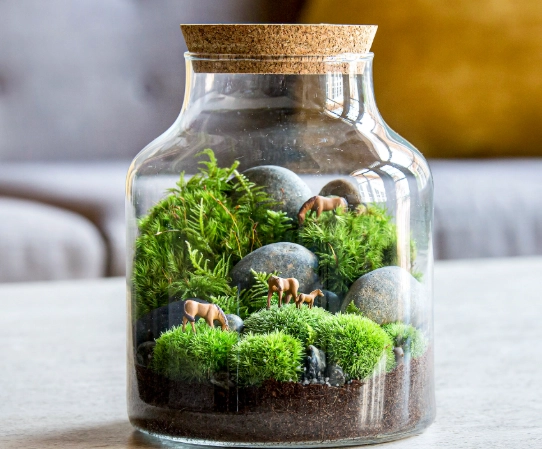
The Heart: The Right Potting Mix
Don't just grab soil from your backyard. It's full of seeds, bugs, and might not drain well.
- For Closed Terrariums (Moisture-Loving Plants): Use a light, well-draining potting mix. Many people mix in extra perlite or orchid bark to increase aeration. A good starting point is a standard houseplant mix.
- For Open Terrariums (Succulents & Cacti): You must use a specialized succulent & cactus mix. It's gritty and drains incredibly fast, which is exactly what these plants need to prevent rot. Regular potting soil will hold too much water.
For accurate plant information and requirements, I often cross-reference with the USDA Plants Database. It's a reliable, science-based resource for understanding plant needs.
The Stars: Choosing Your Terrarium Plants
This is the fun part. The golden rule: choose plants that like the same thing. Don't mix a cactus with a fern. They'll make each other miserable.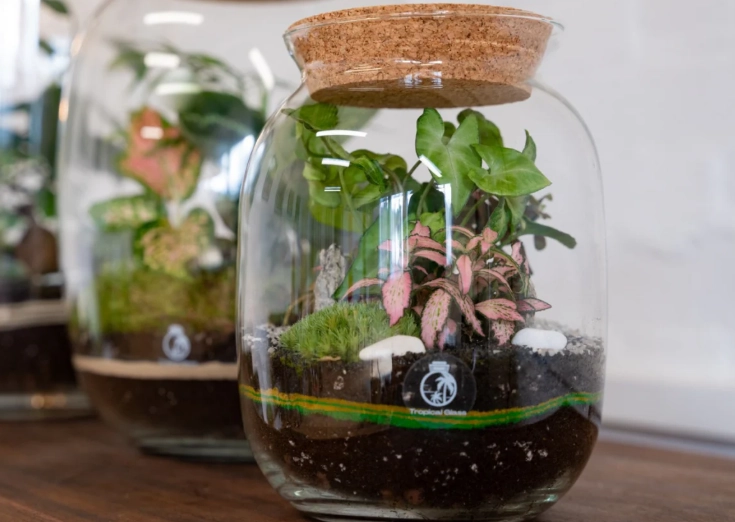
Look for plants that are naturally small and slow-growing. You're not trying to create something that will outgrow its home in a month. Here are some classics that have never let me down:
Top Plants for a Closed Terrarium (The Humid Crew):
- Fittonia (Nerve Plant): With its striking pink or white veins, it's a terrarium superstar. It droops dramatically when thirsty, making it a great "water gauge."
- Baby Tears (Soleirolia soleirolii): Creates a beautiful, bright green carpet. It loves moisture and spreads nicely.
- Ferns (like Button Fern or Miniature Bird's Nest Fern): They add beautiful texture and structure. Their love for humidity makes them perfect for a sealed environment.
- Moss (Various types): The ultimate terrarium plant. It thrives in humidity, stays low, and adds that magical, forest-floor feel. You can often collect it (ethically from your own yard or with permission).
Top Plants for an Open Terrarium (The Dry Bunch):
- Haworthia & Echeveria (Small Succulents): So many shapes and colors! They're slow-growing and love bright light.
- Living Stones (Lithops): These are fascinating but tricky. They need almost no water for months at a time. Best in a dedicated, minimalist open terrarium.
- Air Plants (Tillandsia): They don't even need soil! Just tuck them onto a branch or stone. They do need regular misting or soaking, though.
- Sedum (Stonecrop): Tough, trailing varieties look amazing spilling over the edge of a shallow dish.
See a pattern? Match the plant to the environment.
The Step-by-Step Build: Putting It All Together
Okay, you've got your stuff. Let's build. Set aside 30-60 minutes where you won't be rushed. Put on some music. This is the creative part.
- Clean and Dry: Make sure your container is bone-dry inside.
- Add the Drainage Layer: Pour in your pebbles or charcoal. For a medium-sized jar, aim for about 1-1.5 inches deep.
- Add the Barrier: Place your coffee filter or moss over the rocks. It should cover them completely.
- Add the Soil: This is your landscape. Don't just pour it in flat. Create hills and valleys! This adds visual depth and interest. For most terrariums, 2-3 inches of soil is plenty. Firm it down gently but don't compact it into concrete.
- Planting: Use a spoon or your fingers to make small holes. Gently tease apart the roots of your plants if they're root-bound. Place them in the holes and firm the soil around them. Start with the largest plant as your "focal point" and work outwards. Give them a little space to grow.
- Add Decor & Final Touches: Now add small stones, pieces of driftwood, or miniature figurines. This is where your personality shines. A piece of interesting bark can look like a fallen log. A smooth, dark stone can be a mountain.
- The First Watering: This is critical. Use a spray bottle for a gentle mist or a small watering can with a long spout to direct water to the soil base, not the leaves. You want the soil moist but not soggy. For a closed terrarium, you should see a light fog of condensation on the glass within a few hours. If water pools at the bottom, you've overdone it.
- To Lid or Not to Lid: If it's a closed terrarium, place the lid on. If it's open, you're done!
My first few terrariums looked... sparse. I was too timid with the plants. Don't be afraid to pack them in a bit more densely than you would in a normal pot. It creates that instant, lush look. They'll grow into the space.
Long-Term Terrarium Care: Keeping the Magic Alive
Building it is one thing. Keeping it alive is where the real relationship begins. It's not hard, but it requires a different mindset than watering a regular houseplant.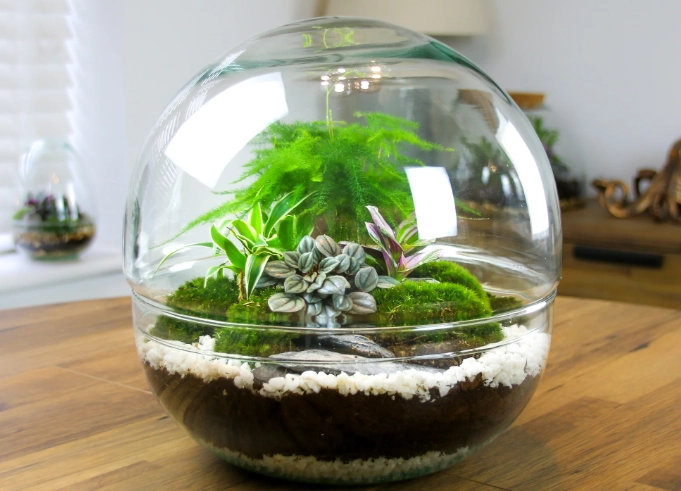
Light: The Energy Source
No terrarium, closed or open, wants direct, blazing afternoon sun. The glass can magnify heat and literally cook your plants. Think bright, indirect light. A north or east-facing windowsill is often perfect. If you only have a bright spot, pull it back a few feet from the window. If your plants start stretching tall and looking leggy, they need more light. If they look bleached or scorched, they need less.
The Watering Conundrum
This is the thing everyone gets wrong. We love to water plants. With terrariums, you have to fight that instinct.
The #1 Rule: When in doubt, don't water. It's much easier to add water than to remove it from a sealed glass container.
For Closed Terrariums: Observe the condensation cycle. In the morning, you should see fine droplets on the glass. By afternoon, they might clear up. This is normal. If the glass is permanently foggy with large droplets streaming down, it's too wet. Take the lid off for a day or two to let some moisture escape. If there's never any condensation and the soil looks dry, add a tablespoon or two of water.
Seriously, you might only add water 2-3 times a year once it's balanced. I have a closed terrarium I haven't watered in 8 months. It's fine.
For Open Terrariums: Water like you would a succulent. Soak the soil thoroughly, then let it dry out completely before watering again. Stick your finger in the soil. If it's dry an inch down, it's time. Always err on the side of dryness.
Pruning and Grooming
Plants will grow. To keep your terrarium from turning into an overgrown mess, occasional trimming is needed. Use small, sharp scissors. Pinch back stems to encourage bushier growth. Remove any yellowing or dead leaves promptly—they can rot and spread mold in a closed system.
Troubleshooting Common Terrarium Problems
Things will go wrong. It's okay. Here's how to fix them.
- Mold or Fungus: White, fuzzy growth on soil or wood. This usually means too much moisture and not enough air circulation. For a closed terrarium, remove the lid for several days. Scoop out any visibly moldy material. You can sprinkle a tiny bit of cinnamon on the soil—it's a natural antifungal.
- Yellowing Leaves: Often a sign of overwatering, especially if the leaves are mushy. Let it dry out. Could also be too much direct sun.
- Plants Rotting at the Base: Almost certainly root rot from soggy soil. You may need to remove the affected plant, check your drainage layer, and start over with drier conditions.
- Condensation So Heavy You Can't See In: Too wet. Leave the lid off until the excess evaporates. Wipe the glass clean.
- Pests (like fungus gnats): Annoying but manageable. Let the surface soil dry out completely. You can place yellow sticky traps inside. For severe cases, you might need to repot with fresh, sterile mix.
For more in-depth scientific gardening advice, organizations like the Royal Horticultural Society (RHS) have excellent, research-backed resources on plant care that can inform your terrarium practice.
Answering Your Terrarium Questions
I get a lot of questions from friends starting their first terrarium. Here are the ones that pop up most often.
Taking It Further: Advanced Terrarium Ideas
Once you've mastered the basics, the sky's the limit. Well, the glass lid is the limit, but you know what I mean.
- Biome-Specific Terrariums: Create a dedicated mossarium (just mosses), a fern grotto, or a miniature desert landscape with authentic-looking sand and rocks.
- Palludariums: This is a step beyond a terrarium—it incorporates a water feature and land area, often for semi-aquatic plants and even small creatures like shrimp or snails. It's a bigger project but incredibly rewarding.
- Geometric Terrariums: Using modern glass geometric shapes as containers for a single, sculptural air plant or succulent. More art than ecosystem, but stunning.
The key is to start simple. Make one small, closed terrarium with a nerve plant and some moss. Get a feel for the watering cycle. Observe it. Learn its rhythms. It's a slow, quiet hobby that teaches you a lot about patience and observation.
Honestly, my favorite terrarium isn't the most beautiful one I've made. It's the first one that survived. It's lopsided, the plants are a bit haphazard, and there's a faint water stain on the glass I can't get off. But it's been thriving quietly on my bookshelf for three years now, a little self-contained world I helped create. Every time I look at it, it reminds me that complex, beautiful systems can grow from a handful of simple, right choices.
So grab a jar. Find a few small plants. Give it a shot. The worst that can happen is you learn something, and you get to try again with a little more knowledge. The best that can happen is you create a tiny, living piece of art that brings a bit of calm, green life into your space for years to come.