You know the feeling. One day your rose bush is perfect, a cascade of velvety blooms. The next, it looks like someone took a hole punch to every single leaf, leaving behind a skeletal lacework. Look closer, and you'll see the culprits: metallic green and copper beetles, feasting in groups like they own the place. That's the Japanese beetle (Popillia japonica), and if you're reading this, they've probably declared your yard their summer resort.
I've been fighting these little devils for over a decade. I've tried every trap, spray, and home remedy. I've also made every mistake in the book, like placing a pheromone trap right next to my favorite plants (hint: don't do that). This guide isn't just a list of facts. It's a battle-tested strategy to get your garden back.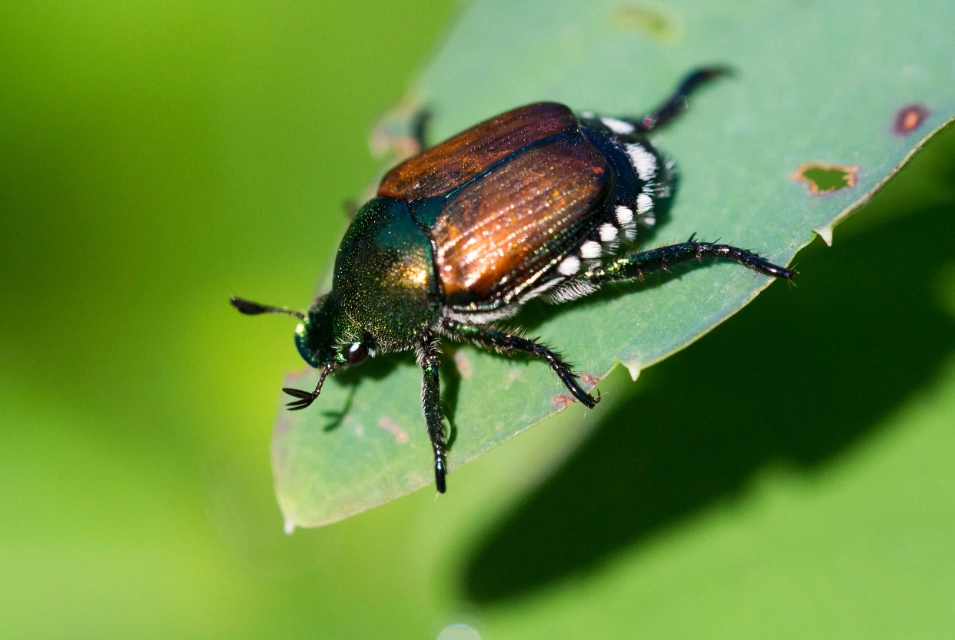
What You'll Learn in This Guide
Know Your Enemy: Japanese Beetle Identification
First, make sure you're fighting the right bug. It's easy to blame every garden hole on them.
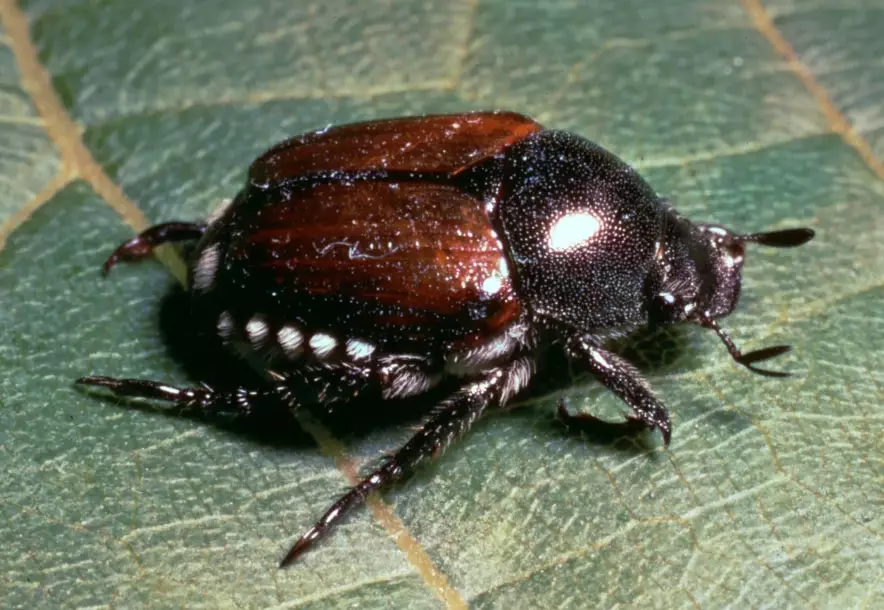
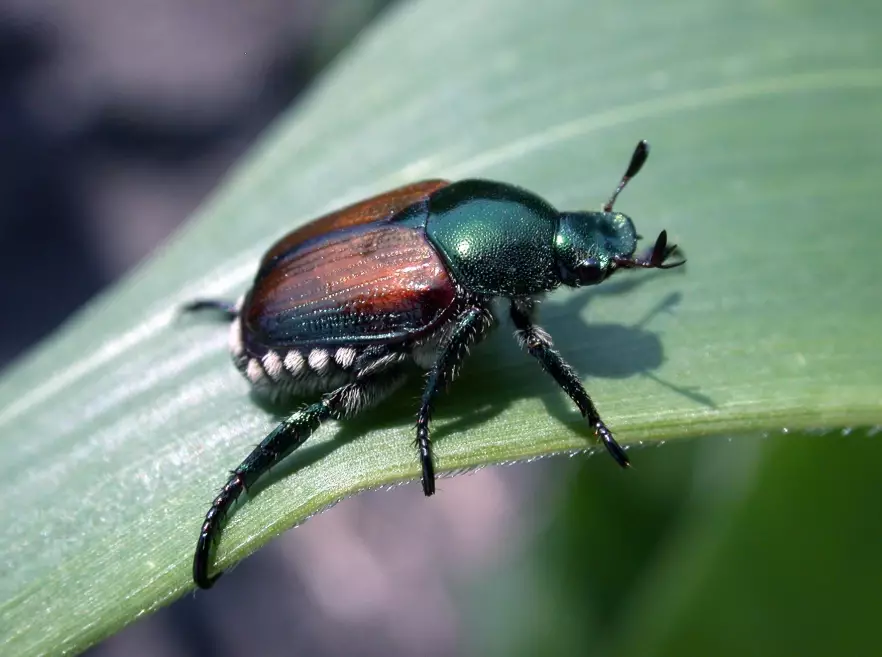
The Adult Beetle: About 1/2 inch long. The head and thorax are a shiny, metallic green. The wing covers are a coppery-brown. They have little white tufts of hair along the sides of their abdomen—five distinct patches on each side. They're not fast fliers; they kind of bumble around. And they're lazy. On a cool morning, you can pick them right off the plant.
The Larva (Grub): This is the lawn stage. A white, C-shaped grub living in your soil. If you've ever peeled back a patch of dead, spongy lawn in late summer or fall and found plump, white grubs, those are likely Japanese beetle babies. A key identifier is the pattern of hairs on their raster (the underside of the rear end). It forms a distinctive V-shape. Resources from university extension services, like those from the University of Minnesota Extension, have great diagrams for this.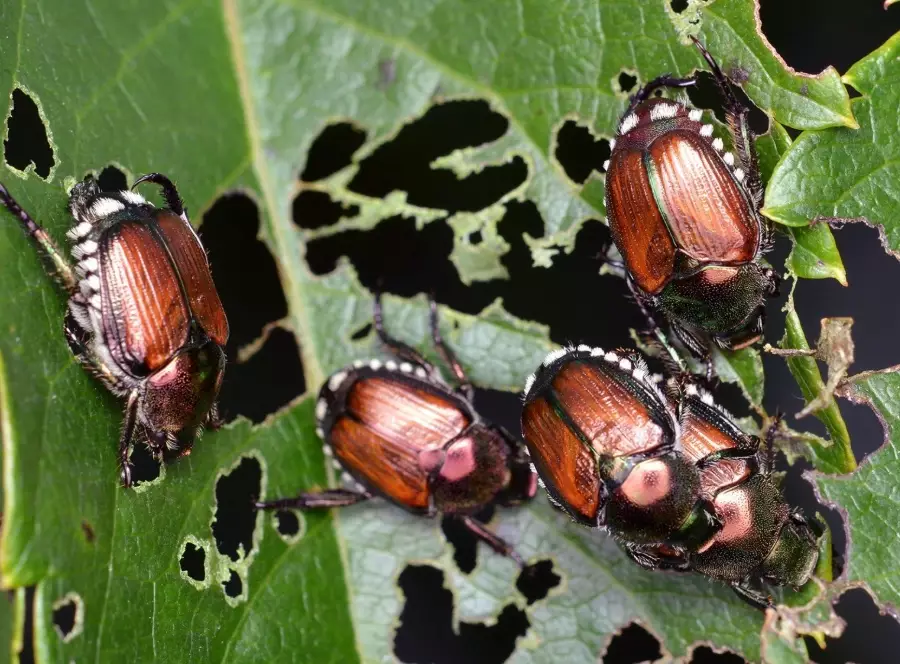
Why Their Lifecycle Matters for Control
You can't outsmart them if you don't know their schedule. Here's their annual cycle in most of North America (roughly zones 4-8).
July-August (The Assault): Adults emerge from the soil and feed ravenously for 4-6 weeks. They release aggregation pheromones—"Hey guys, great food over here!"—which is why you see them in mobs. Females mate, then burrow into moist soil (often in your lawn) to lay eggs.
Late Summer-Fall (The Hidden Problem): Eggs hatch into tiny grubs that feed on grass roots. This is when your lawn turns brown and pulls up like carpet. As soil cools, grubs burrow deeper to overwinter.
Spring (The Second Feeding): Grubs move back up and feed on roots again before pupating in late spring. Then the cycle repeats.
The takeaway? You have two attack windows: adults in summer and grubs in late summer/fall. Ignoring one makes the other worse.
Control Methods, Ranked from Quick Fix to Long-Term Solution
Let's get practical. Here's a breakdown of what works, what doesn't, and the nuances nobody talks about.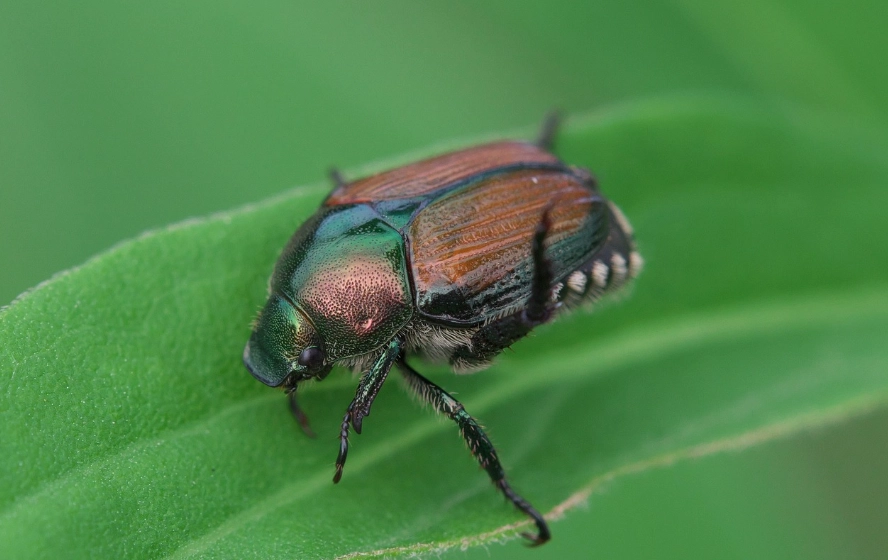
1. Immediate Action: Hand-Picking & Trapping
For a small infestation, nothing beats hand-picking. Do it early in the morning when they're cold and sluggish. Have a bucket of soapy water ready. Hold it under the cluster and tap the plant. They'll fall right in and drown. It's gross, it's meditative, it's effective. Do this daily at the first sign.
Traps: The bag-style traps with floral and pheromone lures are incredibly effective at catching beetles. The controversy is whether they protect your garden. The lures attract beetles from a huge area. If the trap is in your garden, you've just made the problem worse. The correct strategy? Place traps at the perimeter of your property, at least 50 feet downwind from your prized plants. Use them as a perimeter defense to intercept invaders, not a centerpiece.
2. Organic Sprays & Biological Controls
You want to spray something, but not poison everything else. Here are the organic front-runners.
| Product (Active Ingredient) | How It Works | Best For / Key Limitation |
|---|---|---|
| Neem Oil | Acts as an antifeedant and growth disruptor. Beetles eat, stop feeding, and fail to reproduce. | Light to moderate infestations. Needs reapplication every 5-7 days. Safe for bees once dry. |
| Pyrethrin (from chrysanthemums) | Fast-acting contact insecticide. Knocks beetles down quickly. | Heavy infestations on non-flowering foliage. HIGHLY toxic to bees on contact. Spray at dusk only. |
| Spinosad (soil bacterium) | Ingested, causes paralysis. Very effective. | Excellent for veggies. OMRI-listed. Toxic to bees when wet, safe when dry. Evening application is mandatory. |
| Milky Spore (Bacillus popilliae) | A disease that specifically targets Japanese beetle grubs. Spores multiply in dead grubs. | Long-term grub control in lawns. Takes 2-3 years to establish but then works for decades. A true set-it-and-forget-it solution. |
| Beneficial Nematodes (Heterorhabditis spp.) | Microscopic worms that seek out and infect grubs in the soil. | Fall or spring grub control. Soil must be moist and >55°F for application. A powerful biological tool. |
My personal mix? I start with neem oil as a deterrent at the first sighting. If numbers explode, I'll do one targeted spinosad spray in the evening on the worst-hit plant, followed by a return to daily hand-picking and neem.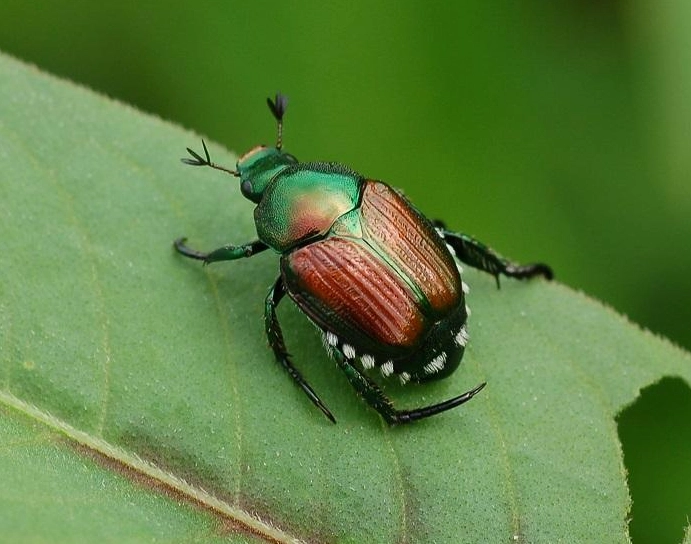
3. Chemical Insecticides (The Last Resort)
Sometimes, the infestation is biblical. If you go this route, precision is everything.
For Adults (on plants): Products containing carbaryl (Sevin) or bifenthrin are common. They work. But they are broad-spectrum, killing all insects, including pollinators and beneficial predators. If you must, spot-treat only the affected plant, never blanket spray. Apply after sunset when bees are gone. Read the label's post-application interval before harvesting any vegetables.
For Grubs (in lawn): Look for grub killers containing imidacloprid or chlorantraniliprole. Timing is critical. For preventative control (best for lawns with a history of damage), apply in mid-summer before eggs hatch. For curative control, apply in early fall when grubs are small and actively feeding near the surface. Water it in thoroughly.
How to Protect Your Most Vulnerable Plants
Japanese beetles are picky gourmands. They have favorites. Protect these first.
Top Targets (Plant these with caution): Roses (especially light-colored, fragrant varieties), grapes, linden/basswood trees, raspberries, hibiscus, Japanese maple, and marigolds (yes, the supposed pest-repeller is a beetle magnet).
Strategy 1: Physical Barriers. For prized roses or small fruit bushes, lightweight floating row covers during the peak 6-week feeding period are 100% effective. It's not pretty, but it works.
Strategy 2: The Distraction Planting Gambit. This is controversial, but I've seen it work on a community garden scale. Plant a single "trap crop" far from your main garden. A single linden tree or a patch of evening primrose and grapes at the property edge. Let the beetles congregate there, and then aggressively manage that one spot with daily hand-picking or a targeted spray. It concentrates the problem.
Strategy 3: Choose Resistant Plants. They'll eat almost anything if hungry enough, but they tend to avoid: boxwood, lilac, forsythia, magnolia, oak, red maple, and most conifers. Planning new landscaping? Factor this in.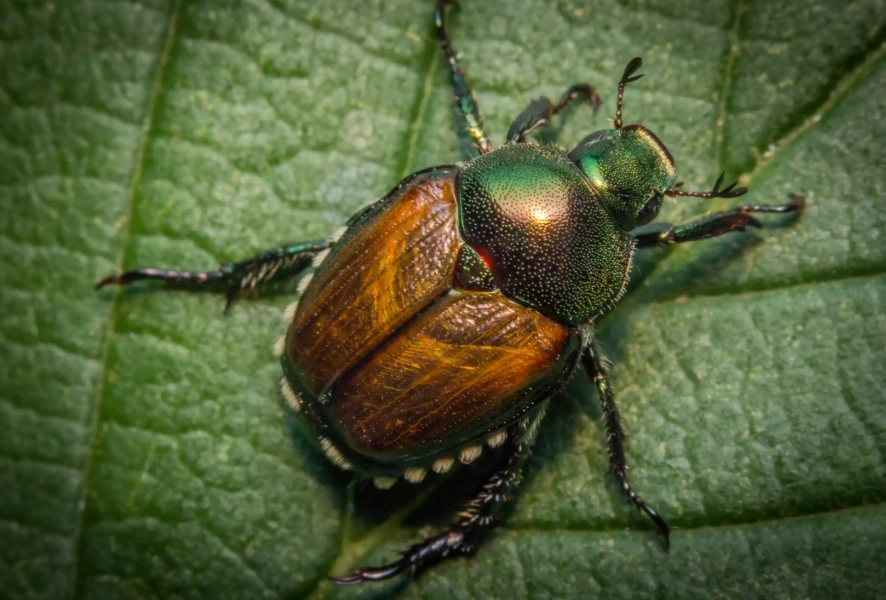
Your Top Japanese Beetle Questions Answered
Here are the real questions I get from frustrated gardeners every summer.
 What's the safest spray for Japanese beetles on vegetable plants?
 The bottom line with Japanese beetles is that there's no single silver bullet. It's a multi-pronged strategy: identify correctly, attack at multiple life stages, protect your most vulnerable plants, and be consistent. Start with the least toxic methods. That daily walk with the soapy bucket in July is still the most impactful thing you can do. It's a nuisance, but so is watching your garden turn to lace.
For the most current and region-specific advice, always check the latest publications from your state's Land-Grant University Extension service. They have the local data on what's working now.
Reader Comments