I remember the first time I saw a lacewing larva at work. My kale was drowning in aphids—a sticky, seething mess. I was ready to spray something, anything. Then I spotted this tiny, debris-covered alligator-looking thing, methodically spearing aphids one after another. Within a week, the infestation was gone. That was my introduction to real, no-kidding biological pest control. Lacewings aren't just pretty flies with delicate wings; they're some of the most efficient predators you can invite into your garden. If you're tired of the chemical treadmill, understanding and using lacewings can change everything.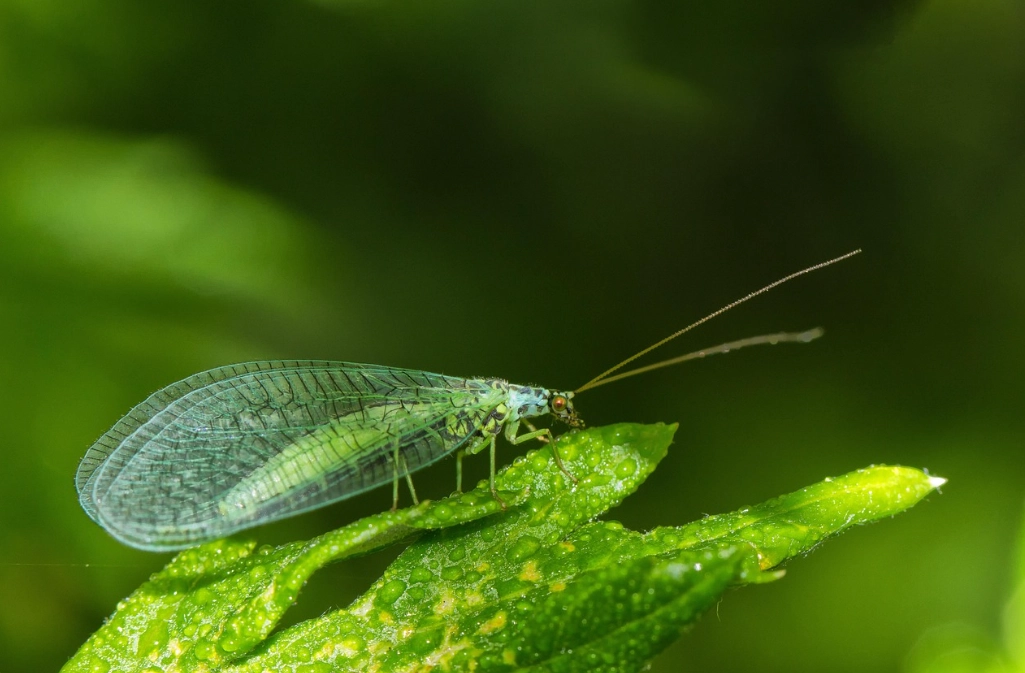
What You'll Learn in This Guide
What Exactly Are Lacewings?
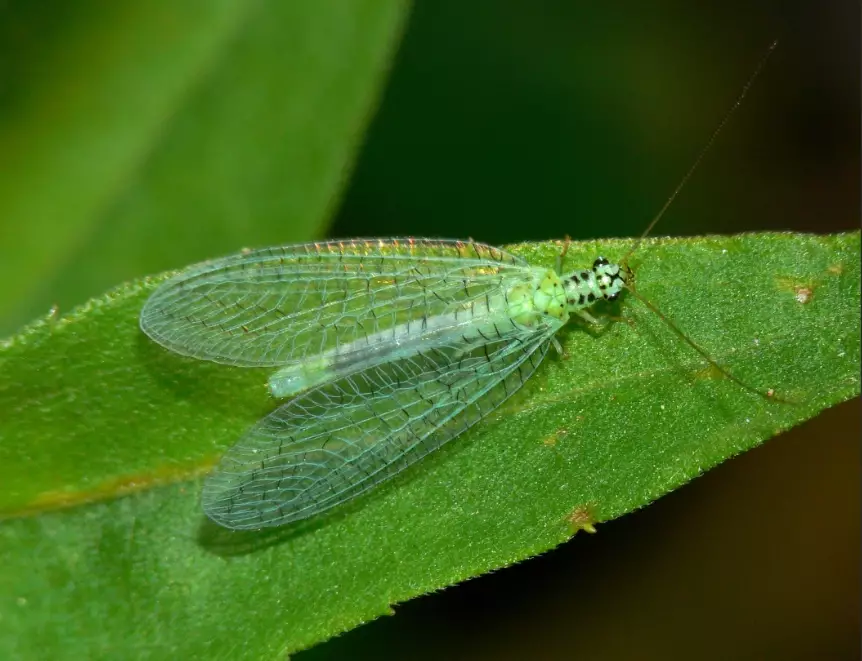
Let's clear up the basics. When people talk about "lacewings" for pest control, they're almost always referring to the green lacewings (family Chrysopidae, often the species *Chrysoperla carnea*). There are also brown lacewings, which are beneficial too, but the greens are the workhorses. The adults are those pale green, delicate insects you might see fluttering around your porch light on a summer night. They're harmless to you.
The magic, though, happens in the larval stage. That's where they earn nicknames like "aphid lions" or "junk bugs."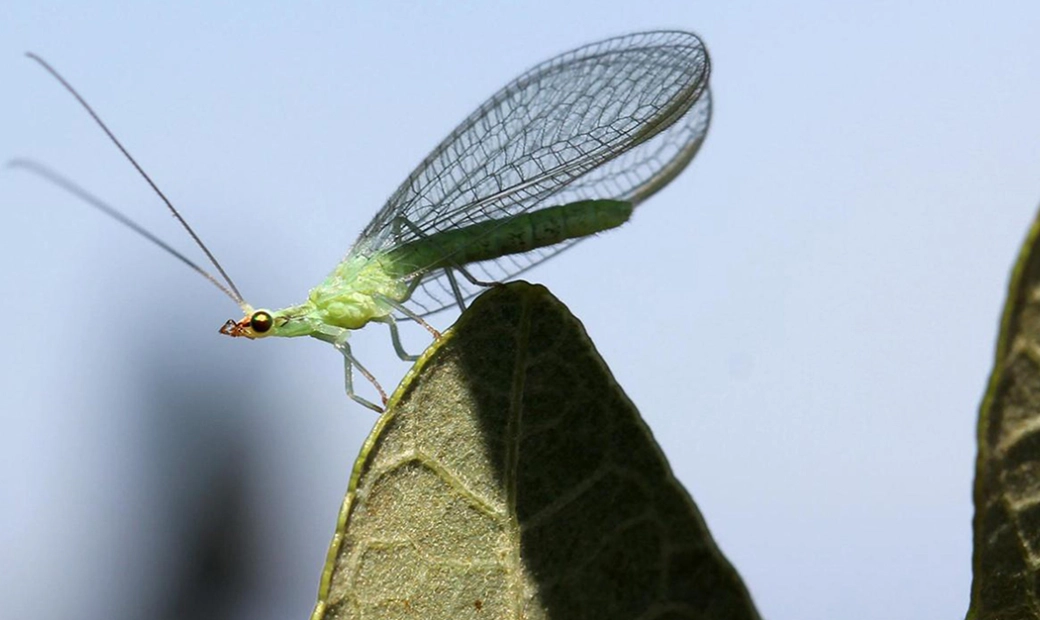
Quick ID Guide: Adult Green Lacewing vs. Other Insects
- Wings: Large, transparent, with a intricate network of green veins. They fold roof-like over the body.
- Color: Bright pale green body (turns brownish before hibernation).
- Eyes: Prominent, golden or copper-colored.
- Not to be confused with: Mayflies (shorter bodies, different wing hold) or some moths. The key is the delicate, veined wings and long antennae.
But the adult isn't the pest-eater. It's the kids. The larvae look nothing like their parents. They're elongated, tan or gray, with oversized, sickle-shaped mandibles. They often camouflage themselves by piling the carcasses of their victims and other debris on their backs—hence "junk bug."
The Lacewing Lifecycle: From Egg to Voracious Larva
Understanding this cycle is crucial if you want to work with them. It explains why you buy eggs, not adults, and when you'll see results.
Stage 1: The Egg
This is where you see nature's ingenuity. A female lacewing lays her eggs singly, each on top of a silken stalk. Why? It's believed to protect the egg from ants or even the first-hatched larva from eating its unhatched siblings. These tiny white eggs on hair-like stalks are a sure sign beneficials are at work. When you buy lacewing eggs, they often come on cards or in bran, sans stalks.
Stage 2: The Larva (The Star of the Show)
This stage lasts 2-3 weeks, and it's a non-stop feeding frenzy. A single larva can devour 200+ aphids or other soft-bodied pests per week. They're not picky. Their menu includes aphids, thrips, spider mite eggs and nymphs, small caterpillars, whitefly larvae, and even mealybugs. They pierce their prey with those hollow jaws and suck out the fluids. It's brutal and efficient.
Stage 3: Pupa and Adult
After gorging themselves, the larvae spin a silken cocoon, often hidden under a leaf or in plant litter. About 5 days later, the adult emerges. Here's a critical point many miss: Most adult green lacewings are not predators. They primarily feed on pollen, nectar, and honeydew. That's why planting the right flowers is key to keeping the adults around to lay more eggs.
How to Attract Lacewings to Your Garden Naturally
You can buy and release lacewings (more on that next), but creating a habitat that draws and sustains them is cheaper and creates a permanent solution. It's about building an ecosystem, not just deploying troops.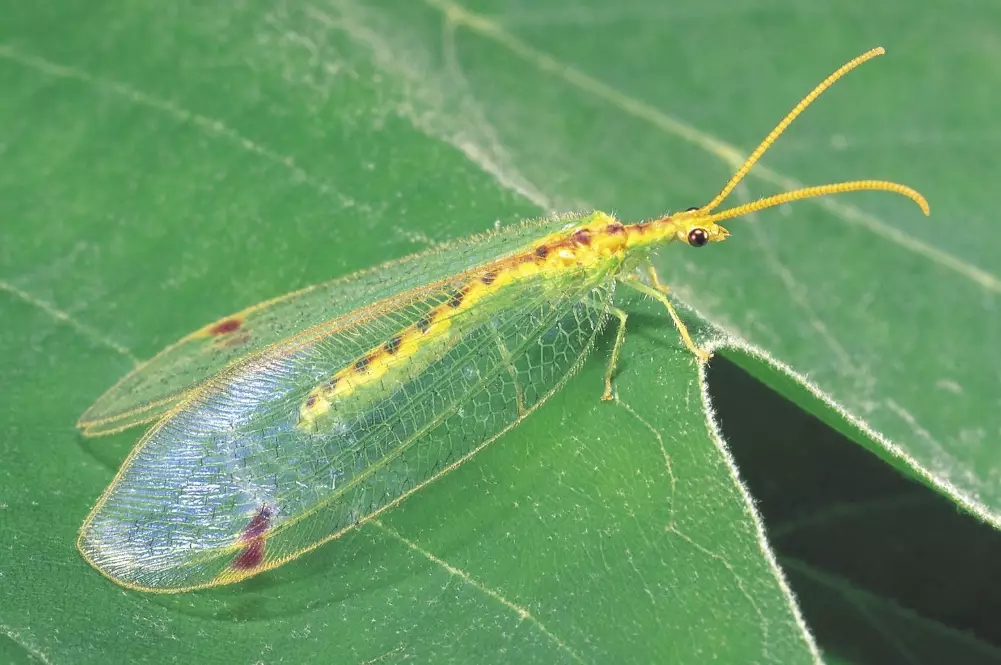
Plant a Lacewing Cafeteria and Nursery
Adults need pollen and nectar to mature their eggs. Think of these plants as your recruitment centers.
- Top Choices: Dill, fennel, coriander, cosmos, sweet alyssum, yarrow, and angelica. Let some of your herbs flower.
- My Go-To Combo: I always plant a border of sweet alyssum around my vegetable beds. It's low-growing, flowers all season, and is absolutely crawling with lacewing and hoverfly adults by midsummer.
- Avoid Insecticides: This should be obvious, but broad-spectrum sprays (even organic ones like pyrethrin) will wipe out your beneficial insect population. If you must spray, use targeted methods like insecticidal soap and spray at dusk when bees and beneficials are less active.
Provide Shelter and Overwintering Sites
Lacewings need places to hide from birds and to survive the winter. Adults of some species overwinter in leaf litter, under bark, or in other protected spots.
A Common Oversight: Don't be too tidy. That perfectly clean, mulched garden is a desert for beneficial insects. Leave a small, undisturbed area with leaf litter, some tall grasses, or a pile of brush. A simple "insect hotel" with hollow stems and drilled wood can also provide pupation sites.
Buying and Releasing Lacewings: A Step-by-Step Plan
Sometimes you need rapid reinforcement. Maybe you have a serious aphid outbreak on your roses or a greenhouse full of peppers getting hit by thrips. This is when a purchased release makes sense.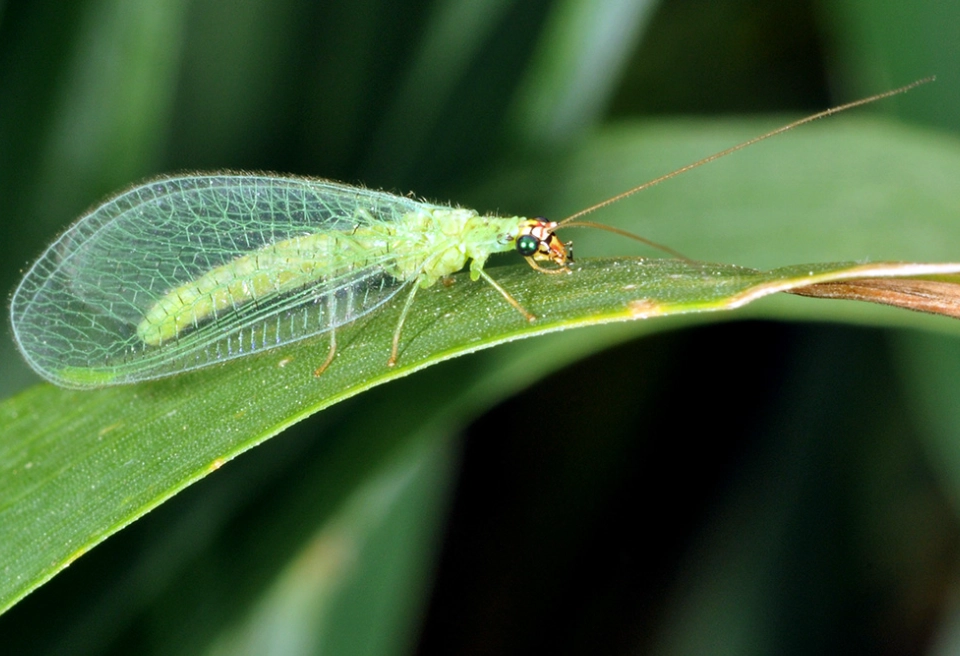
What You're Buying: Almost always, you buy lacewing eggs or very young larvae (sometimes called "eggs on hatch"). You rarely buy adults because they'd just fly away. They're shipped on cards, in bottles with food, or in loose bran.
| Supplier Type | What You Get | Best For | Approx. Cost (per 1,000 eggs) |
|---|---|---|---|
| Online Beneficial Insect Retailers | Eggs on cards or in bran. Reliable quality. | Home gardeners, small farms. | $15 - $30 |
| Local Garden Centers (Seasonal) | Sometimes carry eggs or larvae. Call ahead. | Quick local pickup. | $20 - $35 |
| Agricultural Supply Co-ops | Larger quantities for farms. | Orchards, large gardens, vineyards. | Varies by volume |
The Release Protocol (This is Where Most People Mess Up):
- Time it Right: Release eggs/larvae in the early evening or on a cloudy day. This gives them time to settle without immediate sun stress.
- Check the Buffet: Ensure there is already a small pest population present. The larvae need to eat within 24 hours of hatching. No food = dead larvae.
- Distribute Evenly: Don't dump them all in one spot. Sprinkle the eggs/bran lightly over the affected plants and surrounding area.
- Mist the Area: Lightly water the foliage first. Humidity helps egg hatching.
- Be Patient: You won't see massive adults flying around. The work is done by tiny, camouflaged larvae. Check after 5-7 days by looking for clean, sucked-dry aphid carcasses.
Common Mistakes to Avoid (From Personal Experience)
I've made these so you don't have to.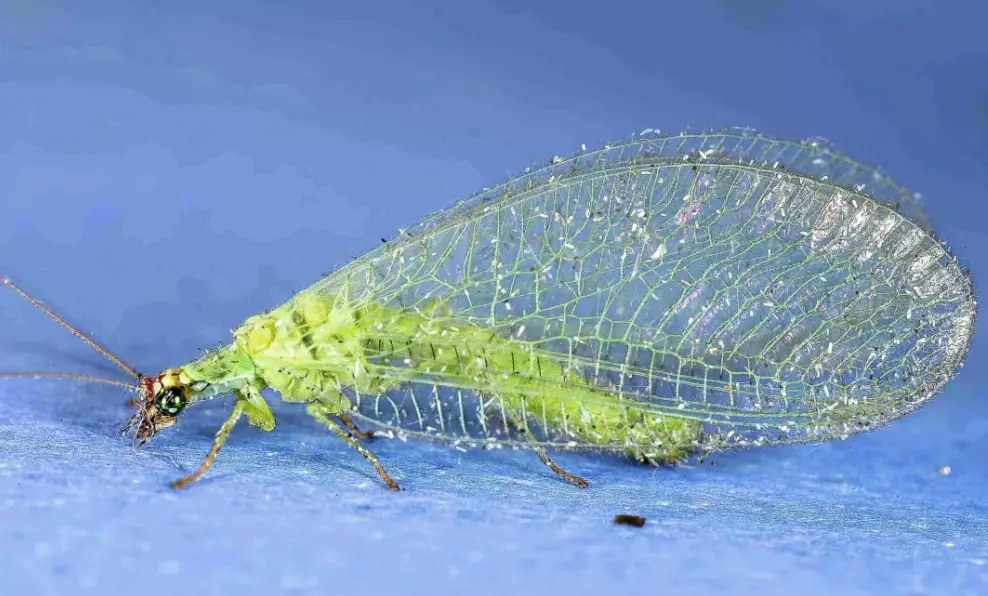
Mistake 1: Releasing too early or too late. If you release when pests are just starting, the lacewings might eat them all and then starve. If you release when the infestation is apocalyptic, they might not make a dent. The sweet spot is when you first notice pest numbers climbing steadily.
Mistake 2: Expecting a one-time release to be a permanent fix. It's not. A release is a tactical strike. To hold the ground, you need those habitat plants (the dill, alyssum, etc.) to keep a breeding population on-site.
Mistake 3: Not distinguishing between lacewing larvae and pests. I've seen gardeners panic and squash lacewing larvae because they look "ugly" and are on their plants. Take a moment to observe. If it's carrying debris and has huge forward jaws, let it be.
Your Lacewing Questions Answered
I bought lacewing eggs, but they didn't hatch. What went wrong?
Are green lacewings and brown lacewings equally effective for my vegetable garden?
How can I tell if the bugs on my plants are lacewing larvae or something harmful?
Will lacewings completely eliminate my pest problem, or do I need to use them with other methods?
 It's easy to see lacewings as just another bug. But once you start looking for them—the delicate adults on your dill flowers, the cleverly camouflaged larvae on your rose bushes—you see your garden differently. It becomes a balanced system, not a constant battle. You move from being a sole defender to a manager of a tiny, fierce, and incredibly helpful workforce. Give them what they need, and they'll do the dirty work for you, season after season.
Reader Comments