I used to think a beautiful garden meant roses, hostas, and a perfect green lawn. I spent weekends watering, spraying, and fertilizing. Then I learned about native plants. These are the plants that evolved in my region. They are adapted to the local soil, rainfall, and climate. They support local insects, birds, and wildlife.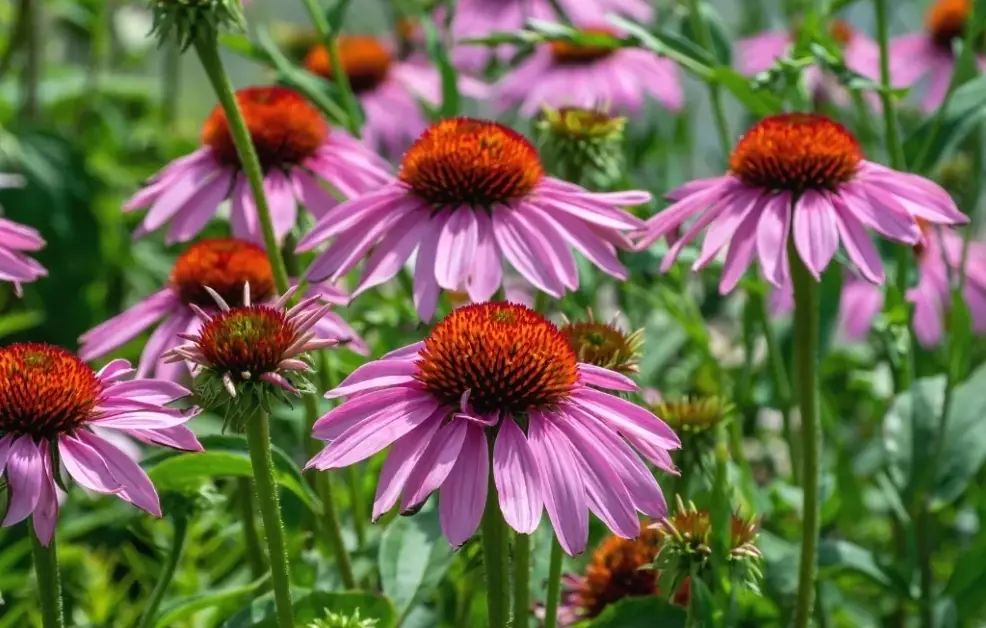
My garden transformed. It became alive with butterflies and bees. I stopped watering. I stopped spraying. The garden looked better than ever.
This is a guide to doing the same. It’s not just about planting different flowers. It’s about working with nature, not against it.
What You’ll Discover in This Guide
What Makes a Plant "Native" and Why It Matters
A plant is considered native to an area if it grew there naturally, without human introduction, before European settlement in North America. That’s the simple definition.
The deeper meaning is about relationships. An oak tree in the Midwest isn’t just a tree. It’s a host for over 500 species of caterpillars, which are baby bird food. Its leaves feed the soil fungi that help it grow. A non-native tree like a ginkgo might host 5 caterpillar species. That’s a huge difference for the local food web.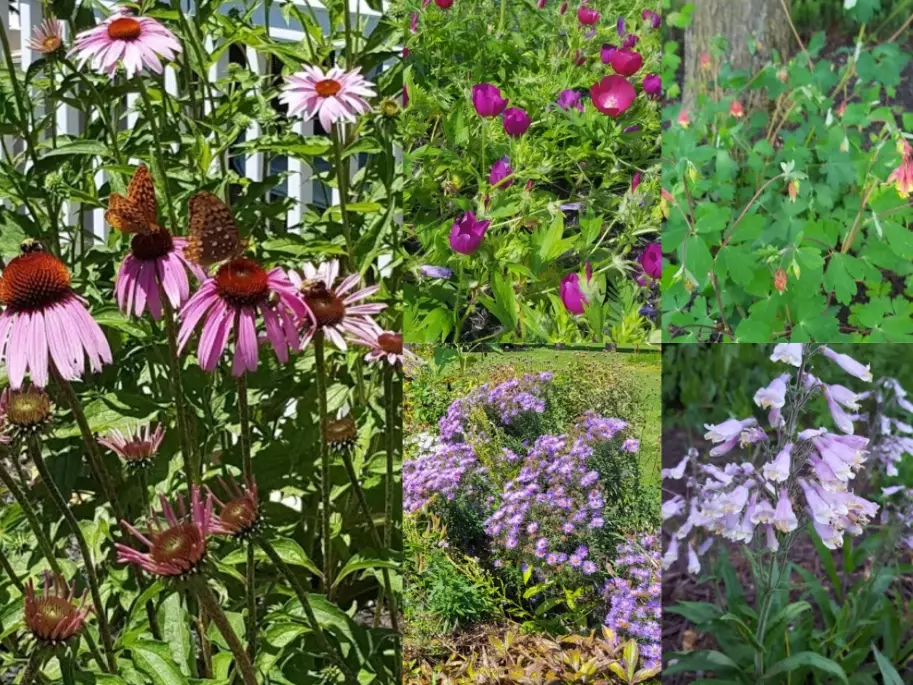
Think about it this way. If you moved to a foreign country, you could survive. But you might not thrive without knowing the language, customs, or where to find your favorite foods. Native plants are the locals. They know the language of the soil, the rainfall patterns, and the insects. They are home.
Key Point: Native is defined by region. A black-eyed Susan is native to the central and eastern U.S. If you plant it in Oregon, it might grow, but it’s not native there and won’t support the local ecosystem in the same way. Always think "native to where?"
The Real Benefits (Beyond Just Being "Good")
Everyone says native plants are good for the environment. Let’s get specific about what that means for you and your backyard.
1. They Support Life (Starting with Insects)
This is the most critical point. 96% of land birds feed their babies insects, mostly caterpillars. Native plants are the primary food source for native caterpillars and other insects. Without them, you have a "food desert" for birds. A study by entomologist Doug Tallamy shows that a native oak supports hundreds of times more caterpillar biomass than a non-native ornamental tree. More insects means more birds, more frogs, more everything up the food chain.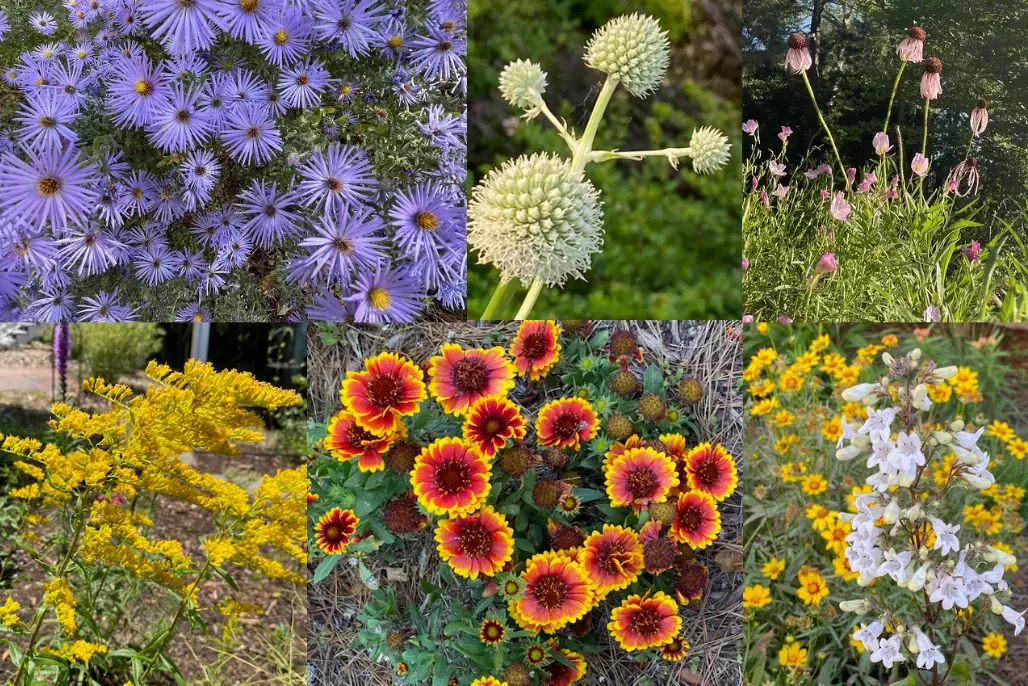
2. They Save You Time and Money
Once established, deep-rooted native plants need little to no watering. They’re adapted to your area’s normal drought cycles. They don’t need chemical fertilizers because they’re suited to the local soil. They resist local pests and diseases, so you rarely need to spray anything. My water bill dropped. My weekend freed up.
3. They Are Built for Your Climate
They handle your winter cold, summer heat, and unpredictable rainfall. A deep root system—some prairie plants have roots over 10 feet deep—anchors them during storms and accesses water during dry spells. This makes them resilient to climate extremes.
4. They Offer Year-Round Beauty
Forget just spring blooms. Native gardens provide four seasons of interest: summer flowers, stunning fall foliage and seed heads, winter structure with grasses and stems, and early spring ephemerals that bloom before the trees leaf out.
How to Choose the Right Native Plants for Your Yard
This is where people get stuck. Don’t just buy a "native plant mix." Follow this process.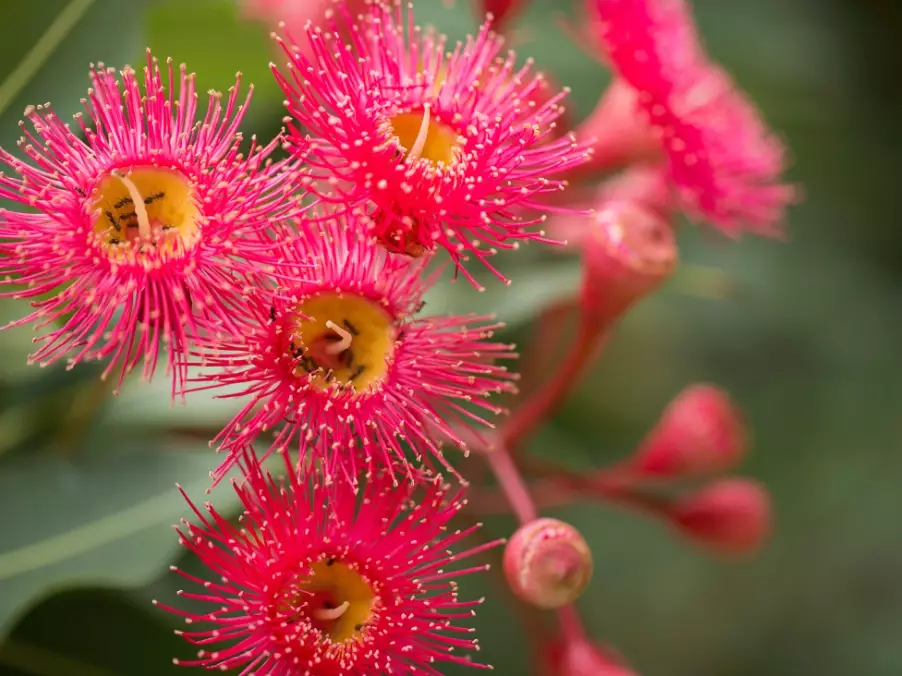
Step 1: Observe Your Site (Really Look at It)
Go outside. For a week, notice where the sun hits. Is it full sun (6+ hours), part shade (3-6 hours), or full shade? Is the soil sandy and dry, or clay and wet? Does water pool in one area after rain? This is your most important research.
Step 2: Match the Plant to the Place
Now, find plants that evolved for those exact conditions. A plant that loves wet clay will die in dry sand, even if it’s native to your state. Use this simple filter:
Condition: Dry, sunny yard with poor soil.
Native Solution: Prairie plants like Butterfly Weed, Little Bluestem grass, Purple Coneflower. They thrive on neglect.
Condition: Shady, damp spot under a tree.
Native Solution: Woodland plants like Wild Ginger, Solomon's Seal, Ferns.
Condition: Low, wet area that floods.
Native Solution: Rain garden plants like Swamp Milkweed, Blue Flag Iris, Joe-Pye Weed.
Step 3: Think in Layers and Communities
Nature doesn’t plant in rows. It plants in communities. Aim for a mix:
- Canopy: Native trees (Oaks, Maples, Pines).
- Understory: Shrubs and small trees (Serviceberry, Viburnum).
- Herbaceous Layer: Flowers and grasses (the showy part).
- Groundcover: Low plants to cover soil (Wild Strawberry, Pennsylvania Sedge).
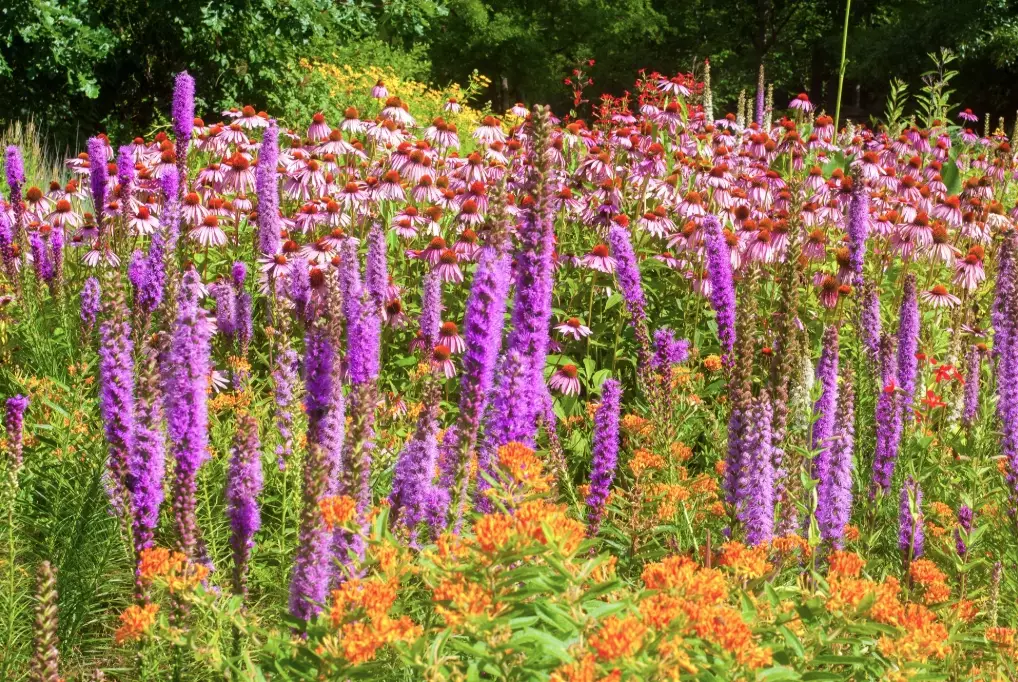
Here are a few proven combinations for different goals:
| Goal / Condition | Sample Plant Combination | Why It Works |
|---|---|---|
| Butterfly & Pollinator Magnet (Full Sun) | Milkweed (host), Purple Coneflower, Blazing Star, Mountain Mint | Provides nectar all season and host plants for Monarch caterpillars. Mountain mint is a pollinator powerhouse. |
| Dry Shade Under Trees | Heart-Leaf Aster, Woodland Phlox, Christmas Fern | These plants tolerate root competition and dry shade, adding color where grass won’t grow. |
| Four-Season Privacy Screen | Arrowwood Viburnum (spring flowers, fall berries), Red Twig Dogwood (winter color), Switchgrass (winter structure) | Creates a living fence that feeds birds and looks good every month. |
Planting and Care: The No-Fuss Method
You don’t need a green thumb. You need to unlearn conventional gardening.
Planting: It’s All About the Start
When: Fall is best. The soil is warm, the air is cool, and rains are more reliable. Spring is second best.
How: Dig a hole twice as wide as the pot, but no deeper. Roughen the sides of the hole. Gently loosen the roots. Place it in, backfill with the original soil (don’t amend it!), and water deeply.
Spacing: Plant closer than the tag says for a fuller look that weeds out weeds. 12-18 inches apart for most perennials is good.
Critical First-Year Care: The "Establishment" Phase
This is the only time they need regular attention. Water deeply once a week if it doesn’t rain for the first growing season. Don’t let them completely dry out. A 2-3 inch layer of shredded leaf mulch (not bark) helps retain moisture and suppress weeds.
Long-Term Maintenance: Do Less
Watering: After year one, stop. Only water during extreme, prolonged drought.
Fertilizing: Don’t. Seriously. It causes weak growth.
Pruning: Leave the dead stems and seed heads standing through winter for insects and birds. Cut them back in late spring, just as new growth appears at the base.
Weeding: Hand-pull invasive weeds. The dense native planting will eventually shade them out.
The biggest mistake I see? Over-loving them. Native plants thrive on benign neglect.
Common Questions and Expert Answers
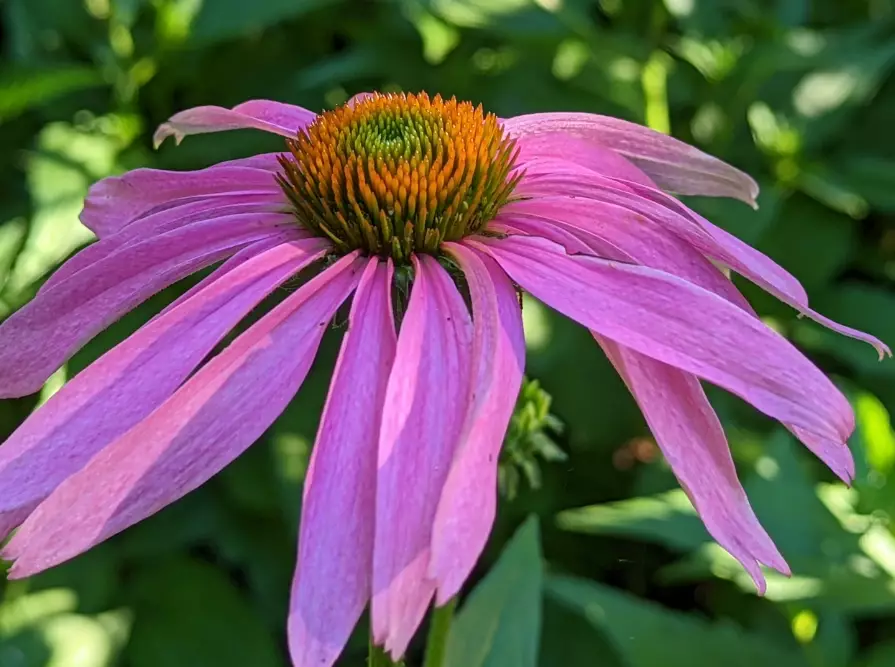 Starting with native plants changed my relationship with my yard. It’s no longer a chore. It’s a habitat I get to watch unfold. It’s easier, cheaper, and far more interesting. Begin small. Replace a sunny corner of lawn with a few coneflowers and little bluestem. Watch what happens. You might be surprised by what—and who—shows up.
Reader Comments