We hear a lot about endangered animals—the tigers, the pandas, the whales. Their faces are on posters. But there's a whole other crisis happening right under our feet, often silently. Endangered plants. No dramatic roars, just a slow, steady fade from fields, forests, and wetlands. I've spent years volunteering with local land trusts, and the moment you realize a patch of wildflowers you documented five years ago is now just grass and invasive shrubs… it hits differently. It's not just losing a species; it's losing a piece of a complex puzzle that holds soil, feeds insects, and sustains entire ecosystems.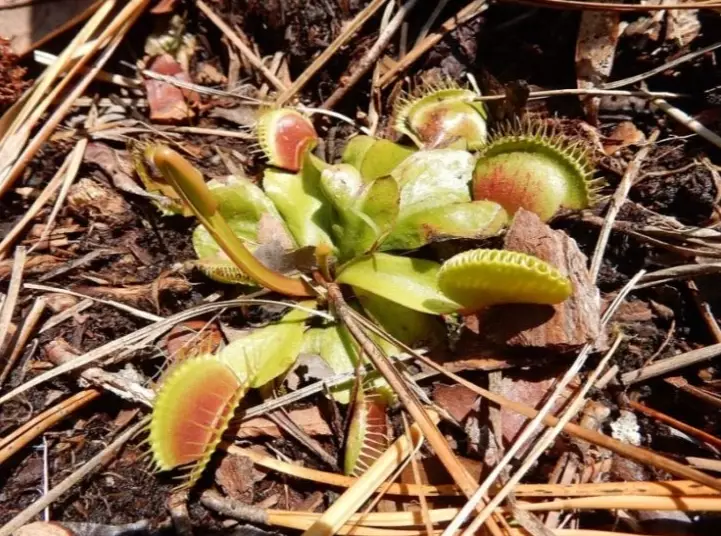
This isn't an abstract problem. It affects your local water quality, your backyard pollinators, and the resilience of the landscape around you. Let's talk about what's really going on and, more importantly, what actually works to turn the tide.
Quick Navigation: What's Inside?
What Makes a Plant "Endangered"?
It's not a casual label. Organizations like the International Union for Conservation of Nature (IUCN) have specific, data-driven criteria. They assess a plant's risk of extinction in the wild based on factors like:
- Population Size and Decline: How many individuals are left? How fast is that number dropping? A 50% decline over ten years is a major red flag.
- Geographic Range: Does the plant only exist in one single valley, one mountain peak, or a few fragmented patches? The smaller and more isolated the range, the higher the risk.
- Number of Mature Individuals: You might have a large area, but if only a few dozen plants are old enough to reproduce, the genetic pool is dangerously shallow.
Nations have their own lists too. In the United States, the U.S. Fish and Wildlife Service administers the Endangered Species Act. Getting a plant on this federal list triggers legal protections for the plant and its habitat. But the process is notoriously slow and politically fraught. Many plants wait years for a decision while their populations continue to shrink.
The Main Threats: It's More Than Just Habitat Loss
Sure, clearing land for development or agriculture is the giant, obvious problem. But in my experience, the more insidious threats are the ones that slip under the radar.
1. Habitat Fragmentation (The Silent Killer)
This is the one that gets overlooked. A forest isn't completely cleared; instead, a road slices through it, or a housing development breaks it into islands. For plants that rely on specific pollinators or need wind to disperse seeds, these new gaps can be impassable barriers. The remaining patches become too small to support healthy populations. Genetic diversity plummets because plants can't cross-breed with other isolated groups. It's a slow genetic erosion.
2. Invasive Species (The Ecological Bullies)
Japanese knotgrass, garlic mustard, English ivy—these plants didn't evolve in local ecosystems. They arrive without their natural pests and diseases, allowing them to grow aggressively. They outcompete native plants for light, water, and nutrients, forming dense monocultures. A rare woodland wildflower doesn't stand a chance against a carpet of invasive ivy that smothers everything. The U.S. Forest Service has extensive research on the impacts of invasive plants on native ecosystems.
3. Over-collection and Poaching
It's not just about pretty orchids being dug up for collectors (though that happens). It's also about medicinal plants. American ginseng (Panax quinquefolius), for instance, is highly prized in traditional medicine and has been wild-harvested to the brink across much of its range. Even well-meaning native plant enthusiasts can do harm by taking plants or seeds from the wild without understanding the population's viability.
4. Climate Change (The Amplifier)
Climate change doesn't usually kill a plant directly. It shifts the goalposts. A plant adapted to cool, moist mountain slopes may find its habitat becoming warmer and drier. Its pollinator might emerge at a different time. The pace of change may simply be faster than the plant can migrate or adapt. It exacerbates all the other threats.
| Threat | How It Works | A Concrete Example |
|---|---|---|
| Habitat Loss | Direct destruction of land for human use. | Clearing a longleaf pine forest for a solar farm, eliminating habitat for the endangered Michaux's sumac. |
| Fragmentation | Breaking habitat into isolated, non-connected patches. | Building a highway through a prairie, preventing bee pollinators from moving between patches of the threatened prairie fringed orchid. |
| Invasive Species | Non-native plants outcompete natives. | Cheatgrass invading sagebrush steppe, increasing fire frequency and killing native sagebrush and associated wildflowers. |
| Over-collection | Removing plants from the wild at unsustainable rates. | Illegal digging of Venus flytraps from Carolina bay wetlands for the horticultural trade. |
Real Actions You Can Take (Beyond Just Feeling Bad)
Here's where we move from problem to solution. These are steps that have a tangible impact.
Action 1: Garden with a Purpose (Start Hyper-Local)
Forget the generic garden center plants. Your most powerful tool is your own property. Research which plants are native to your specific region—not just your country, but your ecoregion. Websites like the Lady Bird Johnson Wildflower Center's Native Plant Database are fantastic resources.
The expert misstep I see: People plant "native" milkweed for monarchs, which is great, but they buy a species native to a different part of the country. This can disrupt local butterfly migration timing or introduce diseases. Always source plants that are local ecotypes—plants grown from seed collected in your area.
By creating a native plant garden, you:
- Provide food and habitat for local insects and birds.
- Create a "stepping stone" for pollinators moving through fragmented landscapes.
- Reduce water and pesticide use.
- Help preserve the genetic lineage of local plants.
Action 2: Become a Citizen Scientist
Conservation groups are stretched thin. They need eyes on the ground. Apps like iNaturalist are more than fun; they're vital data tools. When you photograph and upload a rare plant (set the location to obscured if it's sensitive), you're contributing to a global database that scientists use to track distributions and population trends.
Go further: contact a local botanical garden, native plant society, or land trust. They often have formal volunteer programs to monitor known populations of rare plants. You'll get trained to count individuals, assess health, and collect seed. This data is gold for making management decisions.
Action 3: Support the Right Organizations
Donate or volunteer with groups that do the hands-on, unglamorous work:
- Local Land Trusts: They buy and protect critical habitat forever.
- Botanical Gardens with Conservation Programs: Places like the Native Plant Trust (New England) or the Center for Plant Conservation network maintain living collections and seed banks (ex situ conservation) and conduct reintroduction projects.
- Native Plant Societies: They advocate, educate, and often run native plant sales with ethically propagated stock.
Case Studies: What Success and Struggle Look Like
Success: The American Hart's-tongue Fern
This strange, strap-leaved fern exists in only a few scattered limestone sinkholes and caves in the northeastern US and Canada. Its habitat is incredibly specific. Threats were habitat disturbance, invasive earthworms altering soil, and collection. Conservation involved:
- Precise microhabitat studies to understand its needs.
- Rigorous protection of known sites (gating caves, managing access).
- Cultivation in botanical gardens to create a backup population.
- Careful reintroduction experiments into suitable, protected habitats.
It's still endangered, but its future is more secure due to this targeted, science-based approach.
Ongoing Struggle: The Florida Torreya
This conifer, one of the rarest trees in the world, is clinging to existence along the bluffs of the Apalachicola River. A perfect storm of threats: a changing microclimate, soil fungi, and habitat fragmentation have pushed it to the brink. It's a case study in complexity. Assisted migration—moving it to cooler habitats further north—is being debated intensely. It shows that when time is short and threats are multiple, there are no easy, consensus answers.
Your Questions Answered
What is the most common mistake people make when trying to help endangered plants in their own garden?
 Can a single person's actions really make a difference for global plant conservation?
Beyond donating money, what is a hands-on way to contribute to endangered plant conservation?
 The story of endangered plants isn't just a list of species in trouble. It's a story about the health of the places we live. It's about soil stability, clean water, and the insects that pollinate our food. The solutions aren't always in faraway jungles; they start in our own backyards, our local parks, and our community choices. We can't afford to be silent about this silent crisis.
Reader Comments