I stared at my first backyard. It was a rectangle of patchy grass, one sad looking shrub by the fence, and dirt. Total blank canvas terror. I made every mistake in the book. I bought plants because they were pretty at the nursery, planted them in random spots, and ended up with a chaotic mess that needed constant babysitting. Sound familiar?
Good garden design isn't about copying a magazine photo. It's about creating an outdoor space that works for your life, your soil, and your taste. It's a mix of art and practical problem-solving. Let's walk through the process I wish I'd known from the start.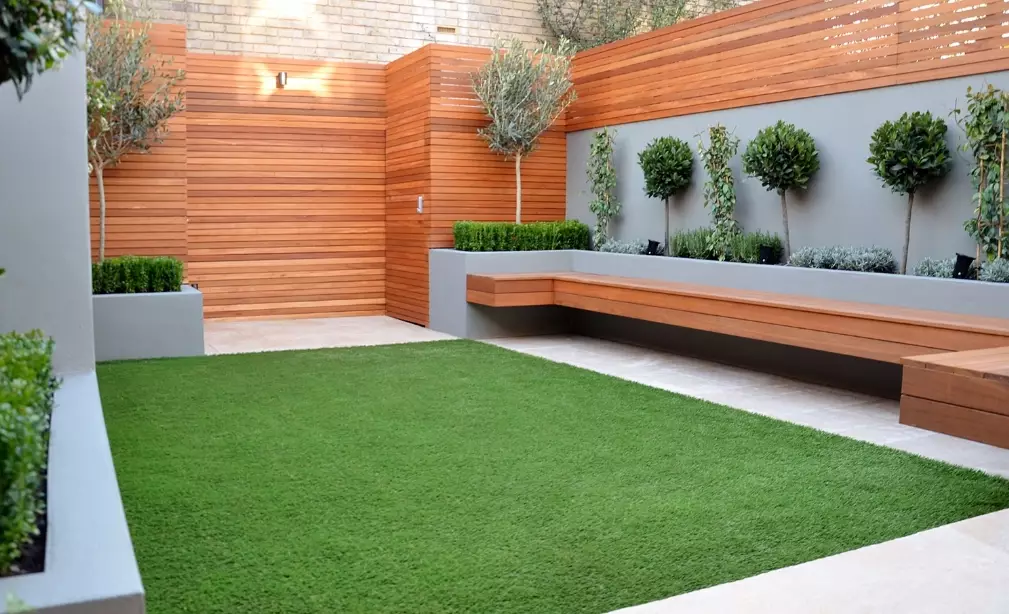
Your Quick Garden Design Roadmap
Step 1: The Dream vs. Reality Audit
Before you draw a single line, grab a notebook. Ask yourself some brutally honest questions.
How do you want to use the space? Is it for kids to play soccer? Quiet coffee mornings? Growing tomatoes and herbs? Big family barbecues? Often, it's a mix. List your top three uses in order of priority. This kills vague ideas like "just a nice garden" and gives you direction.
What's your maintenance reality? Be honest. If you travel for work every other week or just hate weeding, designing a high-maintenance perennial border is a recipe for guilt and failure. It's okay to want easy. Your garden should relieve stress, not create it.
What's your budget and timeline? You can phase a project. Maybe year one is fixing the soil and putting in key trees and paths. Year two is adding planting beds. This is far better than doing everything cheaply and poorly at once.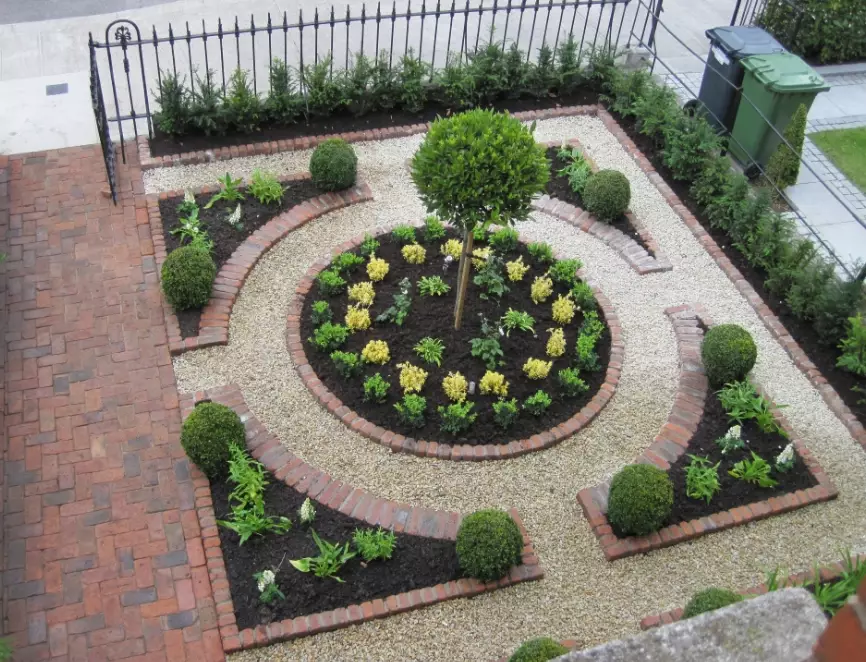
Pro Tip: Go outside at different times of day. Where's the morning sun perfect for a breakfast nook? Where's the shady spot that would be great for a hammock in the afternoon? Observe for a full week if you can.
Step 2: The Crucial Site Analysis (Don't Skip This)
This is where most DIYers fail. Your garden's conditions are the boss. You can't negotiate with sun, soil, or water.
Sunlight Mapping
Draw a rough map of your yard. Mark areas that get:
- Full sun (6+ hours of direct sun)
- Partial sun/shade (3-6 hours)
- Full shade (less than 3 hours, or dappled light)
Do this in summer when trees are full. A spot that's sunny in spring might be fully shaded by July.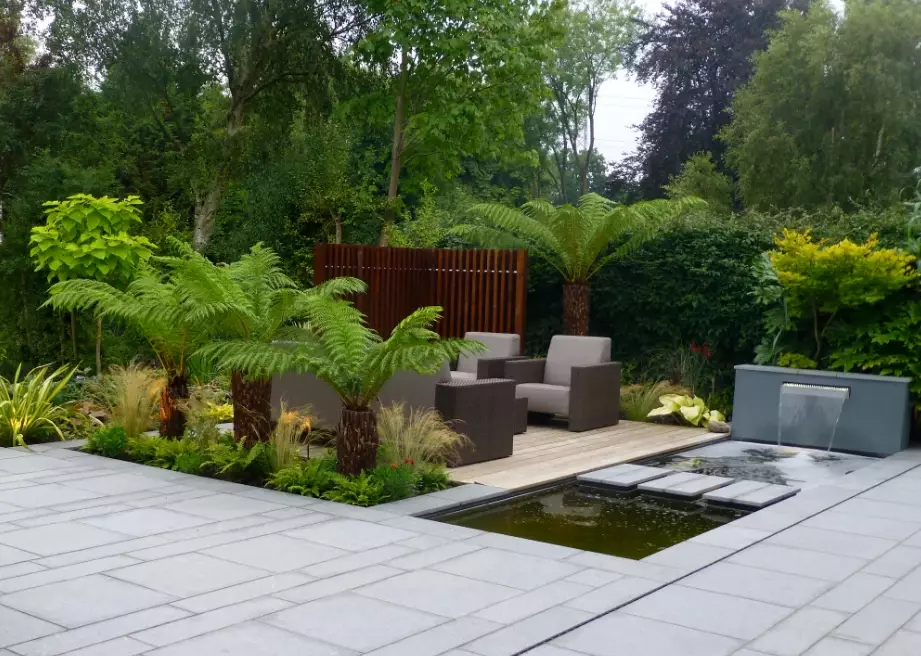
The Soil Test - Non-Negotiable
I can't stress this enough. Digging a hole and saying "looks like dirt" isn't enough. Is it heavy clay that holds water? Sandy stuff that drains in minutes? The pH level (acidity/alkalinity) determines what nutrients are available to plants.
Your local cooperative extension service is a goldmine here. For a small fee, they'll analyze a soil sample and give you a precise report. It's the single best investment you can make. Planting a rhododendron (loves acid soil) in alkaline clay is a death sentence, no matter how much you water it.
Water and Wind
Where does water pool after a heavy rain? That's your soggy zone, perfect for moisture-loving plants or a spot that needs better drainage. Is there a windy corridor between houses? That's a harsh spot for delicate plants but ideal for sturdy grasses.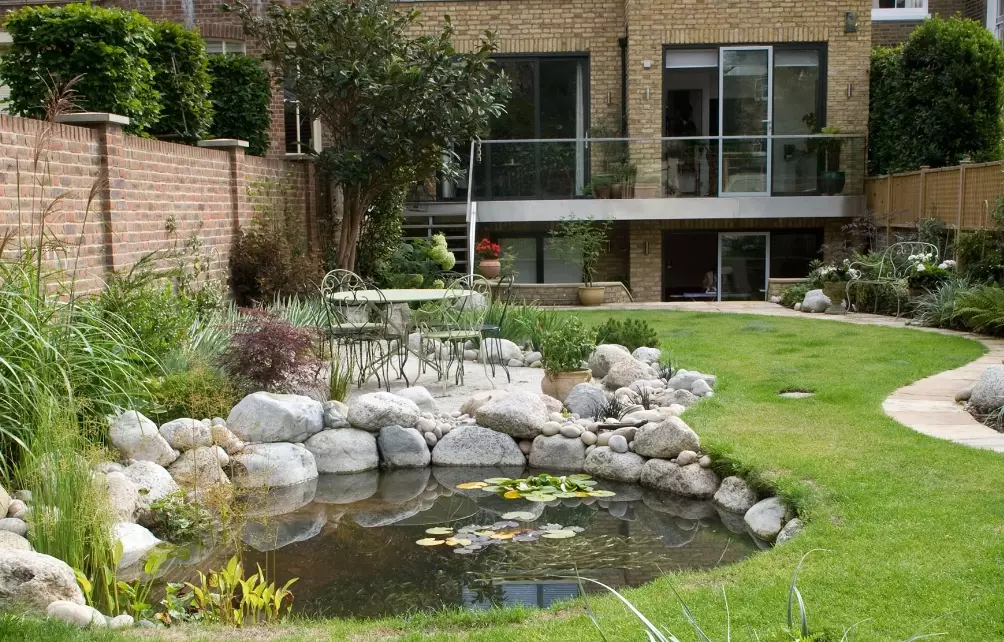
Common Pitfall: Ignoring the "right plant, right place" rule. You fall in love with a plant's photo online, buy it, and try to make it work in your conditions. The plant always loses. Work the other way around: let your site conditions tell you what will thrive.
Step 3: From Doodle to Draft Plan
Now, start putting shapes on paper. You don't need fancy software; graph paper works fine.
Start with the "Hardscape": These are the non-plant elements—paths, patios, fences, sheds, water features. They're the bones of the garden and the most expensive to change later. Place them based on your Step 1 "use" audit. A path should go logically from the back door to the shed or compost bin, not just wander aimlessly.
Think in Zones: Group activities. A dining patio near the kitchen. A quiet reading nook in a secluded corner. A veggie plot in the sunniest spot. Use planting beds or low hedges to subtly define these spaces without building walls.
Create Flow and Focal Points: The eye needs to travel and land somewhere interesting. A focal point could be a beautiful tree, a sculpture, a brightly colored bench, or even a striking plant composition. Use curves in paths or bed lines to create a sense of discovery, but avoid fussy, wiggly lines that are hard to mow or edge.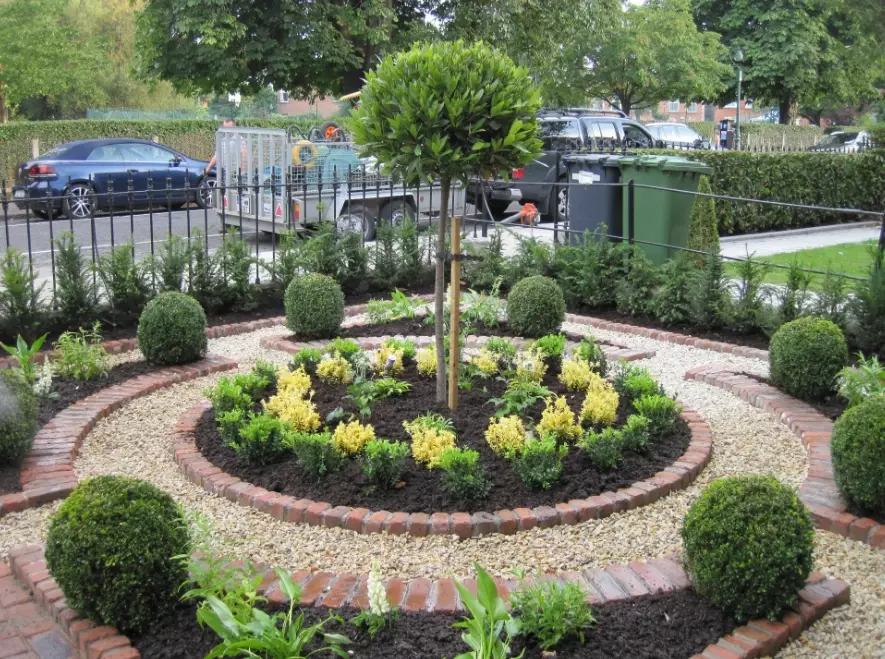
Here’s a simple zoning concept for a typical suburban backyard:
| Zone | Key Features | Ideal Location |
|---|---|---|
| Entertaining Hub | Patio, seating, outdoor kitchen, fireplace | Adjacent to the house, easy access from indoor kitchen |
| Quiet Retreat | Bench, hammock, shade-loving plants, water feature for sound | Secluded corner, under a tree, end of a path |
| Utility & Growing | Compost bins, shed, vegetable beds, cutting garden | Side yard or rear corner, screened with lattice or tall plants |
| Play & Lawn | Open lawn area, durable ground cover, simple sandbox | Central, visible from house windows, flat area |
Step 4: Choosing Plants That Won't Quit on You
With your plan and site analysis in hand, now you can shop. This is the fun part, but stay disciplined.
Structure First: Start with trees and large shrubs. They give the garden its permanent shape and height. Think of them as the walls and ceilings of your outdoor room. A well-placed tree can provide shade, privacy, and year-round interest.
Layer for Interest: Build under and around your structure plants. Medium shrubs, then perennials, then groundcovers. This creates a full, lush look and helps suppress weeds.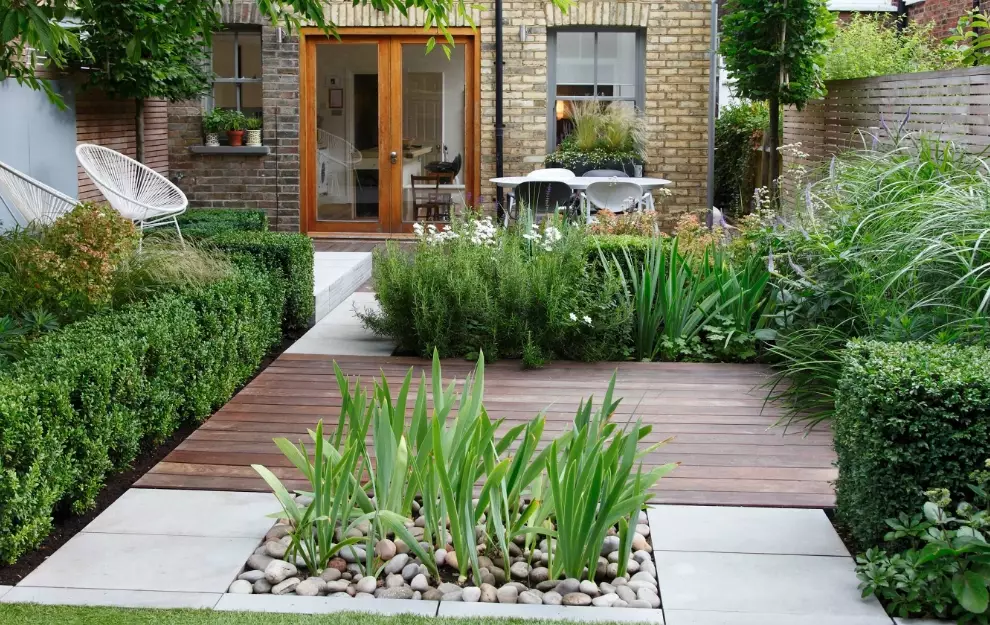
Consider the Big Four: For every plant, ask:
- Ultimate Size: How big will it get in 5 years? That cute little conifer might become a monster blocking your window.
- Season of Interest: Does it flower in spring? Have great fall color? Interesting winter bark or seed heads? Aim for a mix so something is always looking good.
- Care Needs: Does it need deadheading, staking, or special pruning?
- Companions: Does it play well with others? Some plants, like black walnut trees, release chemicals that inhibit growth of certain plants nearby.
A great resource for plant ideas tailored to your region is the database from the Royal Horticultural Society (RHS) or your local botanical garden's website. They list plants by conditions, size, and season.
My personal rule? I limit my palette. In one bed, I might use three different grasses, two types of sedum, and a repeating flowering perennial like Salvia. Repetition creates rhythm and calm. A garden with one of everything looks like a plant collector's yard, not a designed space.
Step 5: Implementation & The Myth of "Low Maintenance"
You have a plan. Now, build it.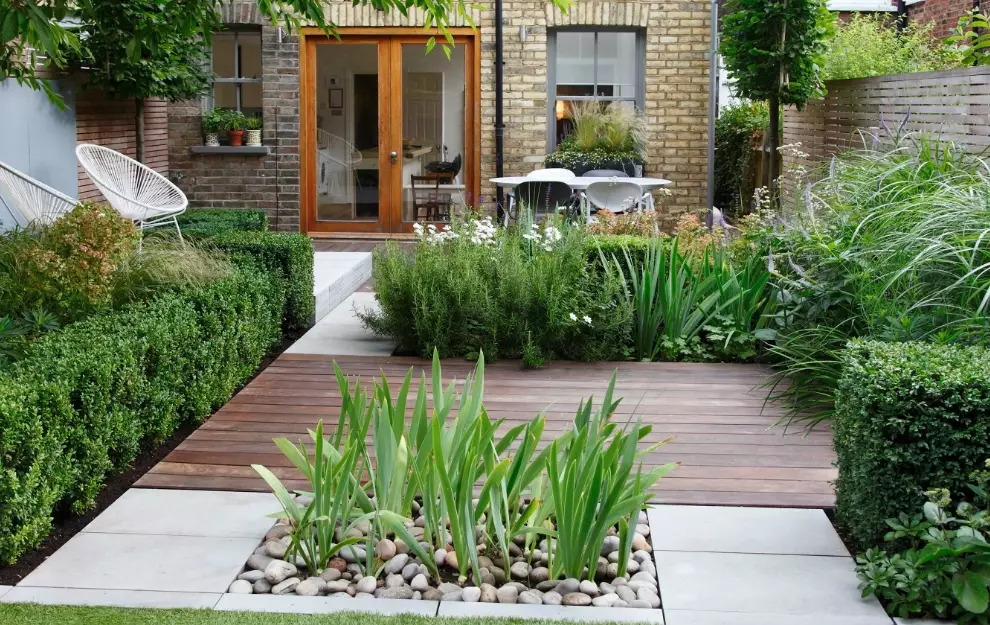
Prep is 80% of the work. Clear the area properly. Amend the soil based on your soil test results—adding compost is almost always a good idea. Install irrigation before planting if you're putting in a drip system. It's messy to do it after.
Plant Properly: Dig a hole twice as wide as the root ball but no deeper. Gently tease out circling roots. Water deeply right after planting and keep watering consistently for the first full growing season. New plants aren't drought-tolerant.
Mulch Wisely: A 2-3 inch layer of organic mulch (shredded bark, wood chips) is a game-changer. It conserves water, suppresses weeds, and feeds the soil as it breaks down. Keep it away from plant stems to prevent rot.
Let's talk about "low maintenance." No garden is no maintenance. But a well-designed garden is smarter maintenance. It means less watering because plants are suited to the site. Less weeding because of good mulch and dense planting. Less pruning because you chose plants that grow to the size you need.
The maintenance is proactive—an annual mulch refresh, cutting back grasses in spring, dividing perennials every few years—not reactive daily firefighting.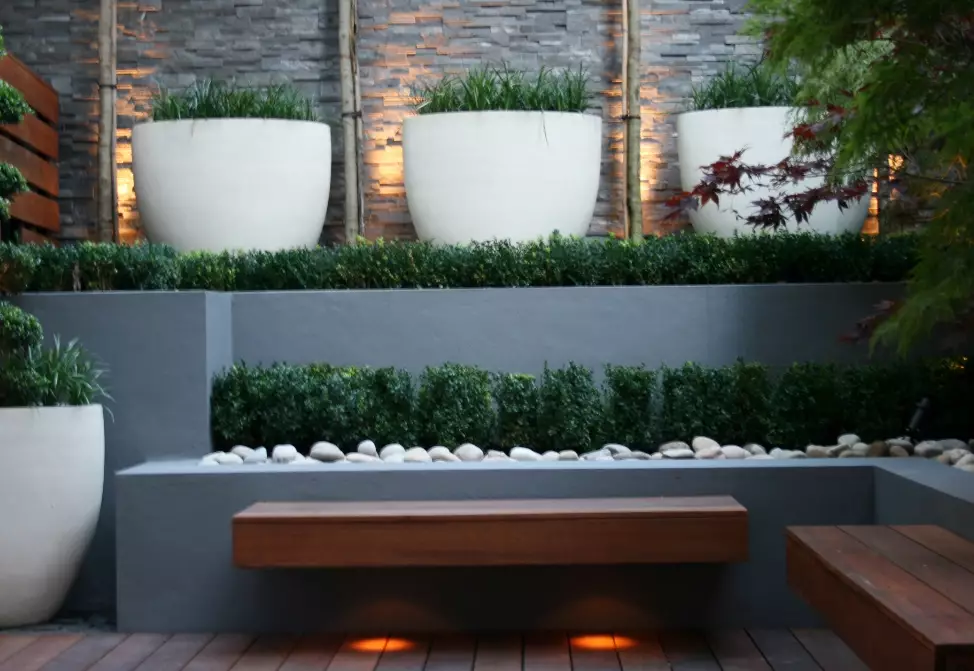
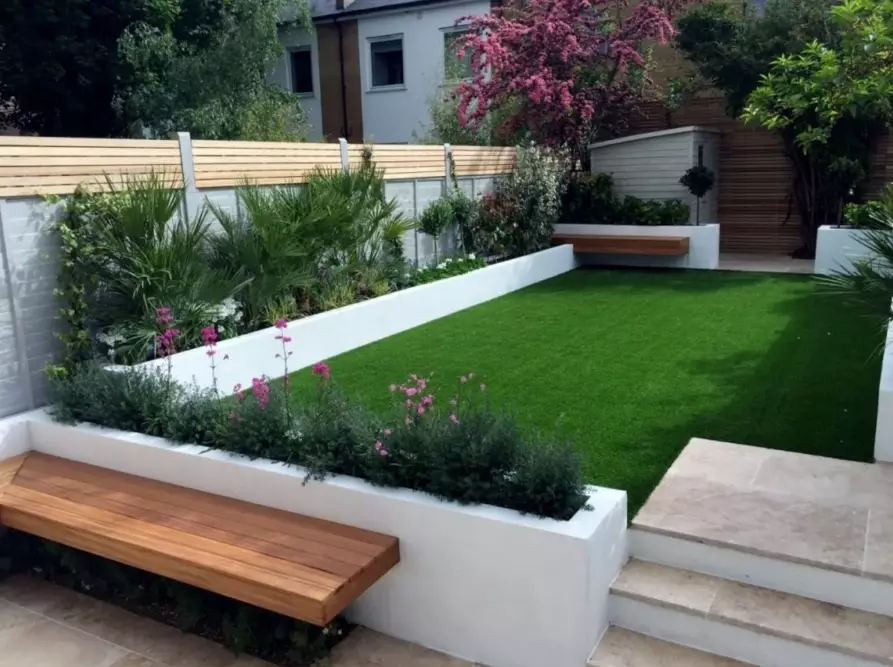 Your garden is a living project. It will change, grow, and surprise you. Some plants will thrive, others might fail—that's okay. The goal isn't a static picture. It's a space that feels like yours, that you enjoy being in, and that brings you a bit of peace. Start with the boring stuff—the audit, the soil test, the simple plan. The beauty will follow.