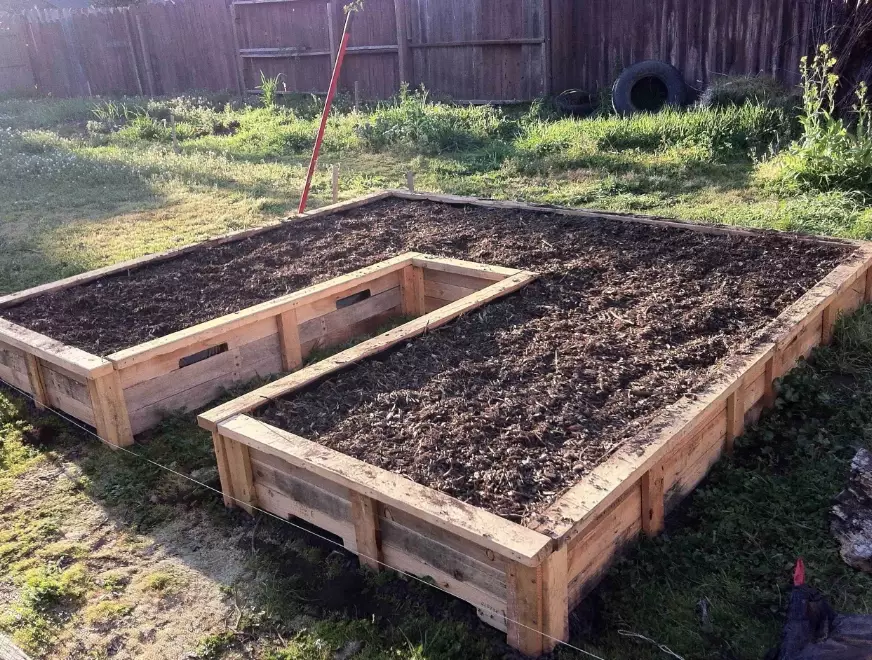
My first attempt at a vegetable garden was a disaster. I tilled a patch of my Maryland backyard, planted with hope, and watched as my carrots came out stunted and my tomatoes struggled in the heavy, clay-based soil. I was ready to give up. Then a neighbor showed me her raised beds—lush, orderly, and overflowing with produce. That was a decade ago, and I haven't looked back since.
Raised bed gardening isn't just a trend; it's a fundamental shift in how you grow food. It's about creating the ideal environment on your terms, whether you have a sprawling yard or a small patio. It solves more problems than you might realize.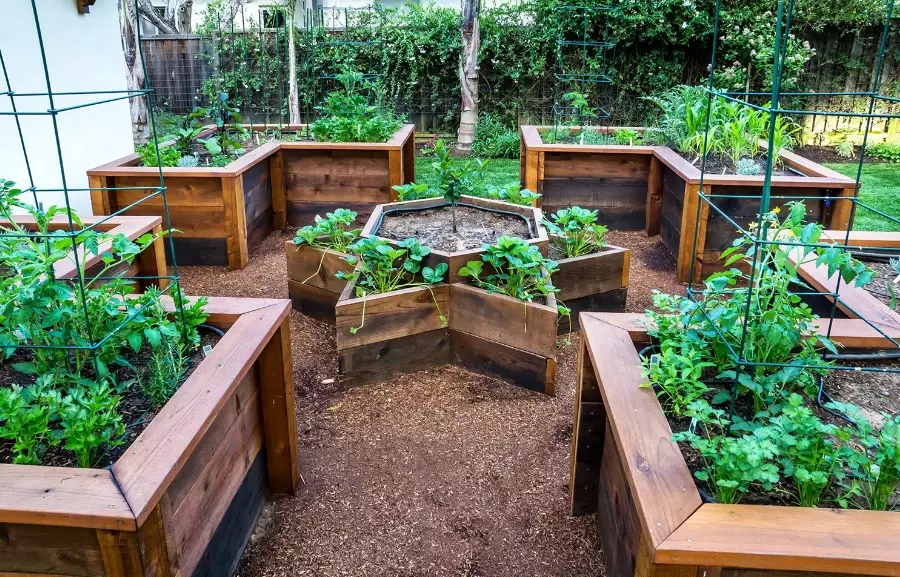
In This Article
Why Raised Beds Beat In-Ground Gardens Every Time
Let's cut to the chase. If you're starting fresh, a raised bed is almost always the better choice. Here's why, beyond the usual list.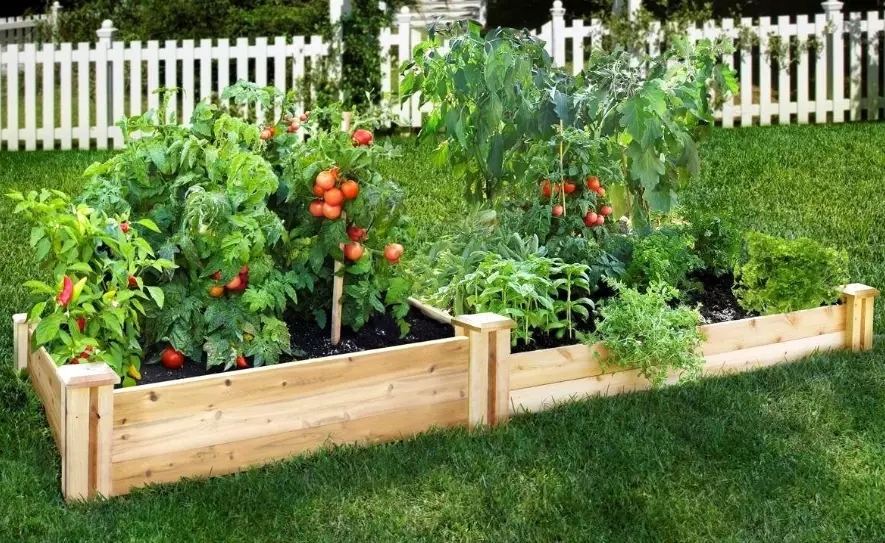
Superior Drainage and Warmer Soil. Wet soil is cold soil. By elevating your growing medium, you guarantee excess water drains away. This means the soil in a raised bed warms up faster in the spring. You can plant cool-weather crops like lettuce and peas weeks earlier than your in-ground neighbors. For warm-weather lovers like peppers and tomatoes, this head start is huge.
Complete Soil Control. This is the biggest game-changer. You're not fighting your native clay, sand, or rocks. You fill the bed with exactly what your plants need: a loose, fertile, well-draining mix. It's like giving your plants a five-star hotel instead of asking them to camp on rocky ground.
Less Weeding, Less Bending. Because you start with clean soil and don't walk in the bed (compacting it), weed seeds have a harder time getting established. The defined edges also make weeds easier to spot and pull. And if you build your bed to a height of 18-24 inches, you can say goodbye to back-breaking labor. I built mine at 24 inches, and it was a revelation.
How to Build a Raised Garden Bed: Materials and Design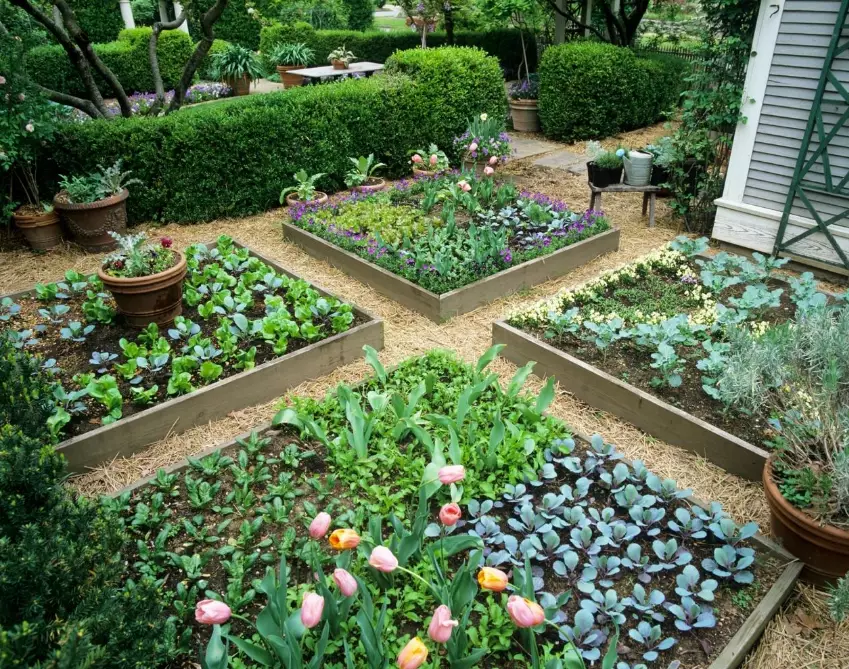
You can buy kits, but building your own is simple, cheaper, and lets you customize the size. The most common mistake beginners make? Building the bed too wide. You must be able to reach the center from either side without stepping in.
The Golden Rule of Dimensions: Maximum width should be 4 feet. For accessibility against a wall or fence, keep it to 3 feet wide. Length is flexible, but 8 feet is a manageable standard. Depth is critical. A minimum of 12 inches is needed for most vegetables. For root crops (carrots, parsnips) or deep-feeding plants (tomatoes, asparagus), go for 18-24 inches.
Choosing Your Materials: A Quick Comparison
| Material | Pros | Cons | Best For |
|---|---|---|---|
| Untreated Cedar or Redwood | Naturally rot-resistant, beautiful, safe for edibles. | Most expensive option. | Permanent beds where aesthetics matter. |
| Pressure-Treated Lumber (Modern) | Very long-lasting, cost-effective. Modern treatments (ACQ, CA-B) are considered safe for gardens by the EPA. | Some gardeners still prefer to avoid it; can leach small amounts of chemicals. | Budget-conscious builders who want durability. |
| Composite Lumber | Extremely durable, no rotting, often made from recycled materials. | Can be expensive, may heat up more in sun. | Low-maintenance, long-term installations. |
| Cinder Blocks or Bricks | Very durable, inexpensive, provides thermal mass. | Heavy to move, can alter soil pH slightly over time. | Arid climates, modern industrial look. |
I've used cedar and modern pressure-treated wood. Both have held up fine for 8+ years. For peace of mind with pressure-treated, you can line the inside walls with heavy-duty landscape plastic (stapled to the wood), creating a barrier between the soil and the lumber.
Construction Steps (The Simple Version):
- Level your site. Grass is fine—you'll smother it.
- Cut your boards to length.
- Assemble the rectangle using galvanized or stainless steel corner brackets, or by drilling pilot holes and screwing the corners together with long deck screws. Pre-drilling prevents the wood from splitting.
- Place it on your leveled site. That's it. No bottom is needed—it sits directly on the ground.
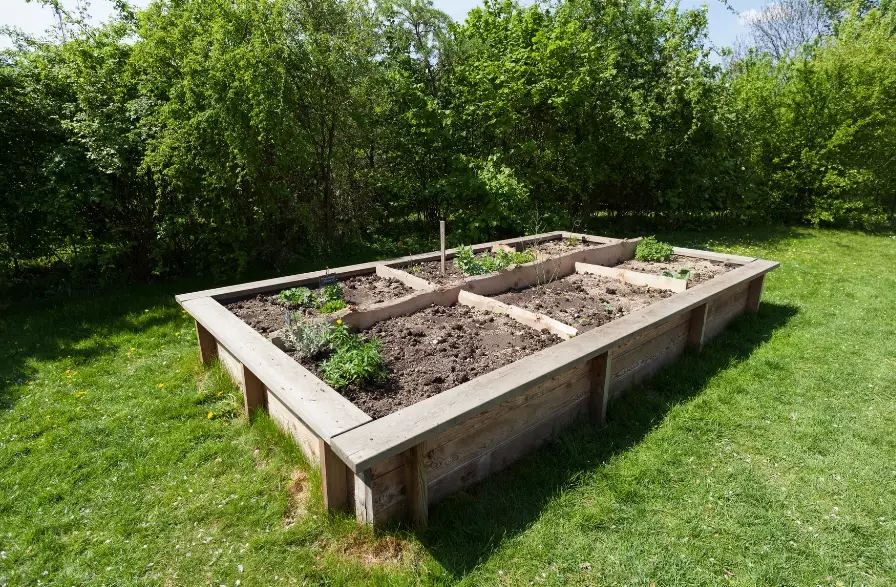
The Secret Sauce: How to Fill Your Raised Bed for Success
Filling the bed is where most people go wrong, either spending a fortune or creating a poor mix. Do not use 100% bagged potting mix or 100% compost. Potting mix is too light and will dry out incredibly fast. Pure compost is too rich and drains poorly.
You need a balanced, fluffy, moisture-retentive mix. The classic, expert-recommended recipe is often called "Mel's Mix," popularized by Square Foot Gardening. It's a 1:1:1 blend by volume:
- 1 part Compost: Get several different kinds if you can—mushroom compost, cow manure compost, local leaf compost. Diversity feeds the soil microbiome.
- 1 part Peat Moss or Coconut Coir: This is for moisture retention. Coir is a more sustainable alternative to peat moss.
- 1 part Coarse Vermiculite or Perlite: This is for aeration and drainage. It keeps the soil light and prevents compaction. Don't skip this! It's the key to fluffy soil.
For a 4x8 foot bed that's 12 inches deep, you'll need about 32 cubic feet of mix. That sounds like a lot because it is. Calculate your volume (Length x Width x Height in feet) to know how much to buy or mix.
Budget-Friendly Filler Trick: If your bed is deeper than 12 inches, you don't need to fill the entire bottom third with the expensive mix. You can use a technique called "hugelkultur"-lite: fill the bottom 6-8 inches of a deep bed with logs, branches, leaves, grass clippings, or even plain old straw. Pack it down. This organic matter will slowly decompose, providing nutrients and acting as a sponge to hold water. Then fill the top 12-18 inches with your premium soil mix.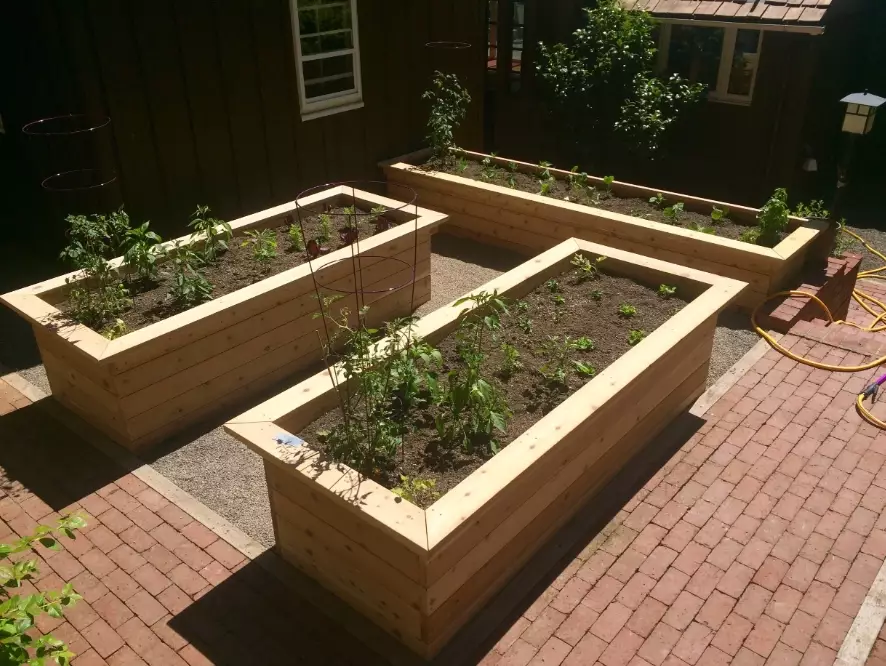
How to Plant in a Raised Bed for Maximum Yield
The small, defined space of a raised bed is perfect for intensive planting. You can grow more in less area. The trick is understanding spacing and companion planting.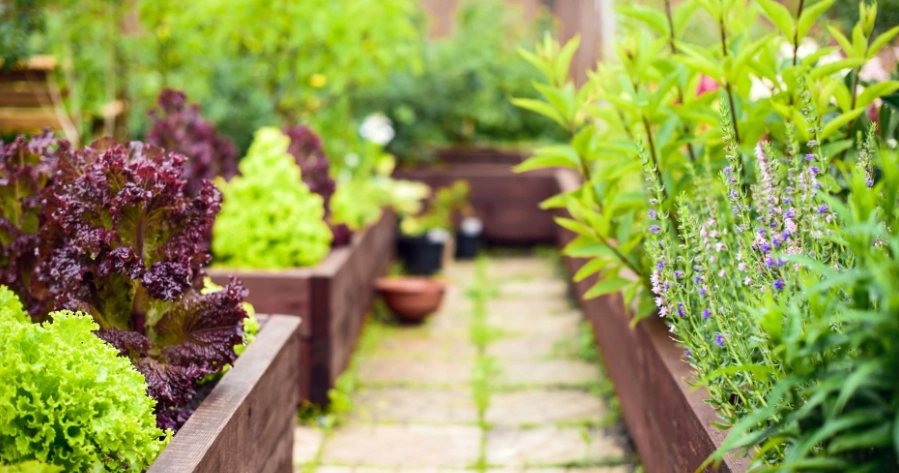
Forget Row Planting. Instead, visualize your bed in a grid of 1-foot squares. Each square gets a different number of plants. This is the core of Square Foot Gardening, and it works brilliantly in raised beds.
- 1 plant per square: Large plants like tomatoes, peppers, broccoli, cabbage.
- 4 plants per square: Medium plants like lettuce, Swiss chard, basil.
- 9 plants per square: Small plants like bush beans, spinach, beets.
- 16 plants per square: Very small plants like radishes, carrots, onions.
This method eliminates wasted space and creates a "living mulch" where plant leaves shade the soil, reducing water evaporation and suppressing weeds.
Companion Planting is Your Ally. In tight quarters, plant friends together. Basil improves the flavor and health of tomatoes. Marigolds deter nematodes and other pests. Tall corn can provide afternoon shade for lettuce in the summer heat. I always plant nasturtiums at the corners—they're edible, trap aphids, and add a pop of color.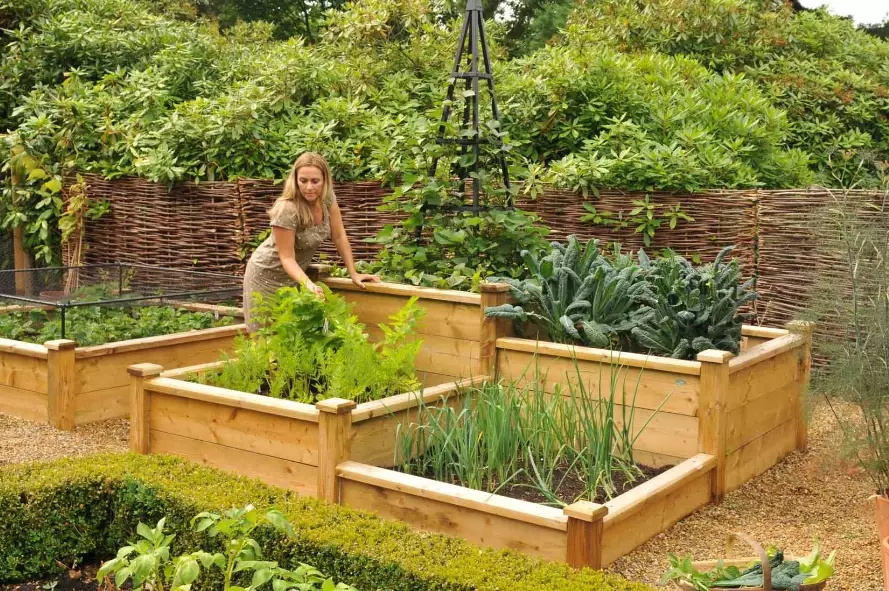
Maintaining and Harvesting Your Raised Bed Garden
Watering: Raised beds drain well, which also means they dry out faster. Consistent moisture is key. Drip irrigation or a soaker hose on a timer is the single best upgrade you can make. It delivers water directly to the soil, not the leaves, preventing disease. If hand-watering, water deeply and less frequently to encourage deep roots.
Feeding: Your rich soil mix will feed plants for the first season. After that, you need to replenish. Each season, top-dress the bed with 1-2 inches of fresh compost. You can also use an organic, balanced granular fertilizer at planting time. I'm partial to Espoma Garden-tone.
The #1 Maintenance Task: At the end of the season, don't rip everything out by the roots. Cut plants off at the soil line and leave the roots in the ground to decompose. They've created channels in the soil that improve structure and house beneficial fungi. Just add your compost on top and maybe a layer of leaves. The bed is ready to rest and recharge.