You've probably seen the lists. "10 plants that clean your air!" They're everywhere. But after a decade of keeping everything from ferns to fiddle-leaf figs alive, I've learned most advice misses the point. Bringing home a spider plant won't magically solve your indoor air problems. The real story is more nuanced, and frankly, more interesting.
It's about creating a living system, not just buying decor. Let's cut through the noise and talk about how these green allies actually work, which ones are worth your time, and the mistakes almost everyone makes.
What's Inside This Guide
The Real Science: What NASA Actually Found (And What It Means For You)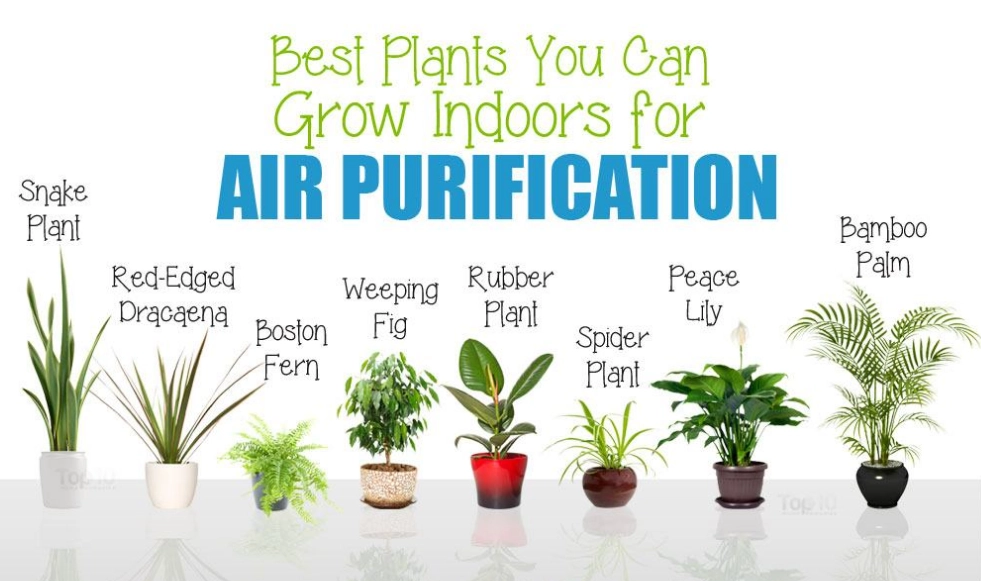
It all goes back to the 1989 NASA Clean Air Study. Researchers were looking for ways to improve air quality in sealed space stations. They tested common houseplants against specific volatile organic compounds (VOCs) like benzene, formaldehyde, and trichloroethylene.
The key finding wasn't just that plants absorbed these chemicals. It was how. The plants themselves do some work, but the real heroes are the microorganisms in the soil. The roots and the microbes around them form a biofilter, breaking down the VOCs for food.
So the science is solid, but it's a slow, biological process. It's not an air filter. It's more like having a tiny, silent cleanup crew working 24/7 in your plant's pot.
The Top Performers: A Practical Plant Shortlist
Forget the endless top 20 lists. Based on efficacy, ease of care, and availability, here are the workhorses. I've ranked them not just on NASA data, but on real-world hardiness.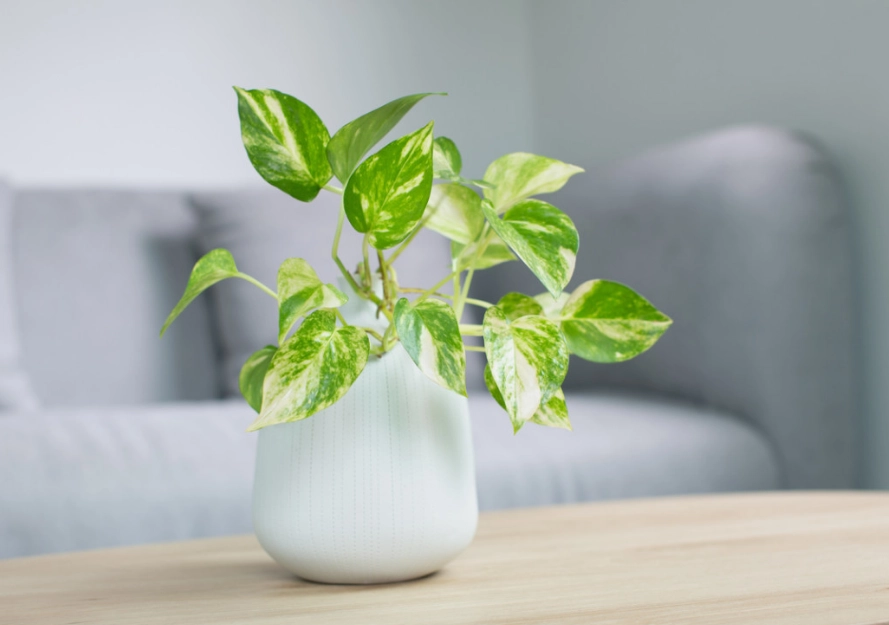
| Plant | Key VOCs Removed | Why It's a Winner | Light & Water Needs |
|---|---|---|---|
| Snake Plant (Sansevieria) | Benzene, Formaldehyde, Xylene | The ultimate survivor. Releases oxygen at night, perfect for bedrooms. Almost impossible to kill with neglect. | Low to bright indirect. Let soil dry completely. |
| Spider Plant (Chlorophytum) | Formaldehyde, Xylene | Non-toxic to pets, grows rapidly, produces "pups" you can share. A cheerful, easy starter plant. | Bright indirect. Keep soil slightly moist. |
| Peace Lily (Spathiphyllum) | Ammonia, Benzene, Formaldehyde | Shows you when it's thirsty (wilts dramatically). Excellent at removing ammonia from cleaners. Note: Toxic to pets. | Low to medium indirect. Water when top soil is dry. |
| Boston Fern | Formaldehyde, Xylene | A classic for a reason. Lush and fantastic as a humidifier. The high fuss factor is real—it needs consistent moisture. | Medium indirect light. Never let soil dry out. |
| Areca Palm | Formaldehyde, Xylene, Toluene | A beautiful, high-transpiration plant that adds significant humidity. It's a living humidifier and air scrubber in one. | Bright indirect. Water when top inch of soil is dry. |
My personal favorite is the Snake Plant. I have one in my home office that I've forgotten to water for two months. It just doesn't care. That resilience translates to consistent, low-maintenance air cleaning.
How to Choose the Right Plant for Your Space
Match the plant to the room's conditions, not just its looks. This is where most people fail.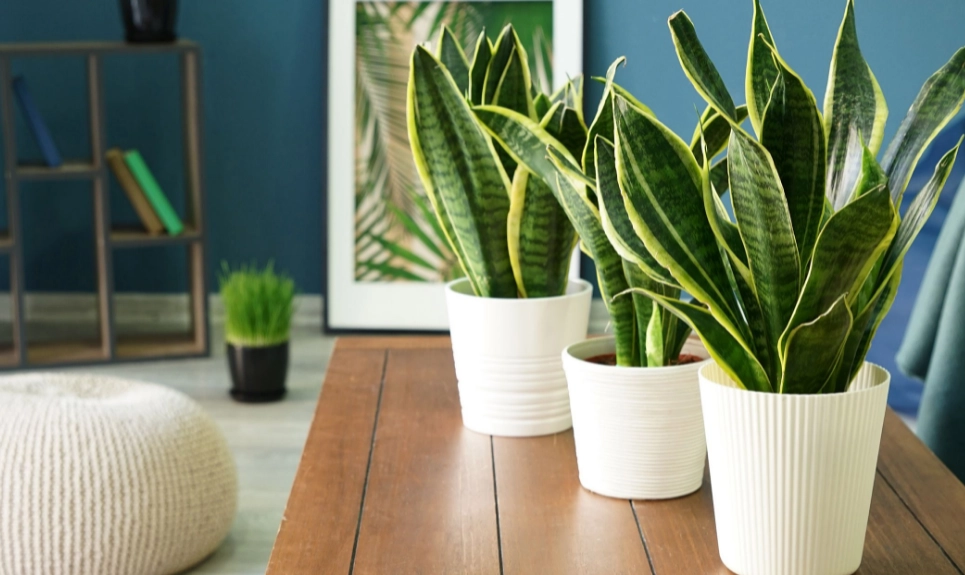
For a Dark Bedroom or Bathroom
You need tough, low-light champions. The Snake Plant is king here. A ZZ Plant is another bulletproof option, though its purification scores are a bit lower. Don't try a fern in a dark bathroom; it'll turn into a crispy brown mess in weeks.
For a Sunny Living Room
This is your chance to go big. An Areca Palm or a Lady Palm will thrive in bright, indirect light. More light means more growth, which means more photosynthesis and air processing. A large rubber plant (Ficus elastica) is another stellar, stylish choice for a bright corner.
For a Home Office (With Electronics)
Formaldehyde can off-gas from furniture and electronics. A Peace Lily or a few Spider Plants on the desk are great. The Boston Fern also loves the consistent temperatures of an office, provided you remember to water it.
Think about your own habits too. If you travel often or tend to over-love with the watering can, lean towards Snake Plants and ZZ Plants. If you enjoy daily tending, a fern or palm will reward you.
Making Them Work: Care Tips That Matter for Purification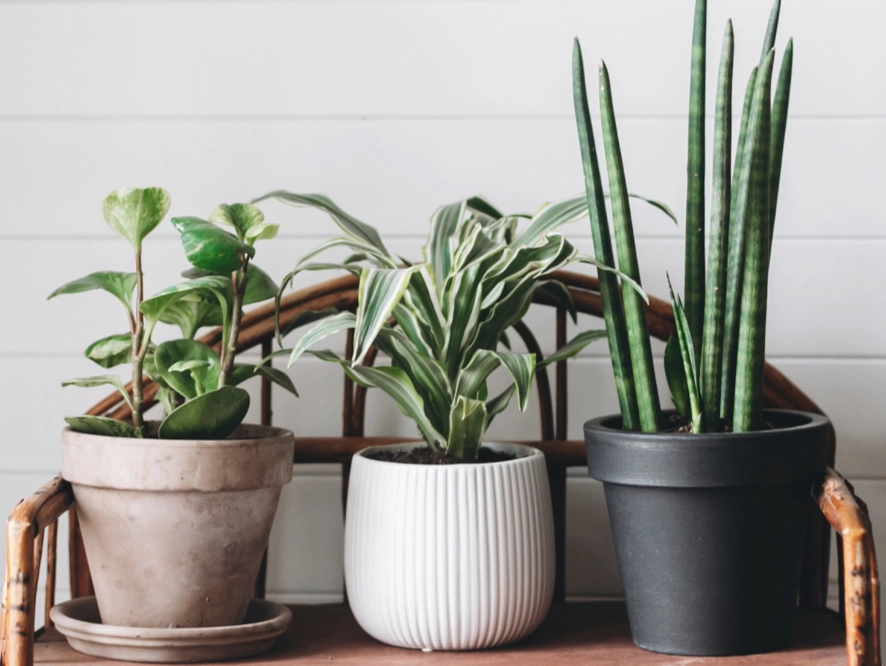
A stressed plant isn't purifying much. It's in survival mode. To get the air-cleaning benefits, you need a healthy, growing plant.
Light is Food: This is the biggest mistake. "Low light" doesn't mean "no light." A plant placed in a pitch-black corner will slowly starve. Move it to where you can comfortably read a book. That's usually enough.
Dust the Leaves: A layer of dust blocks sunlight. Every month or so, wipe broad leaves with a damp cloth. For ferns or palms, give them a gentle shower in the sink.
Don't Overwater: Soggy soil kills roots, destroying the microbial biofilter. Stick your finger in the soil. If it's wet, wait. Most indoor plants die from overwatering, not underwatering.
Repot Occasionally: Fresh soil brings in new nutrients and microbes. If the plant is root-bound, it's focusing energy on roots, not leaves. Give it some space to grow.
The Honest Truth About Limitations
Let's be real. Plants are not a substitute for a HEPA air purifier if you have severe allergies or live near a highway. They don't effectively remove particulate matter (PM2.5) like dust, pollen, or smoke.
Their strength is against gaseous VOCs from paints, furniture, cleaning products, and plastics. They work slowly and synergistically.
The best approach is a layered one. Use a mechanical air purifier for particles. Use ventilation (opening windows) when you can. And use plants as a long-term, living system to manage the background level of chemical pollutants. They also boost humidity, reduce stress, and look good doing it. That's a win even if the air cleaning is a bonus.
Your Questions, Answered
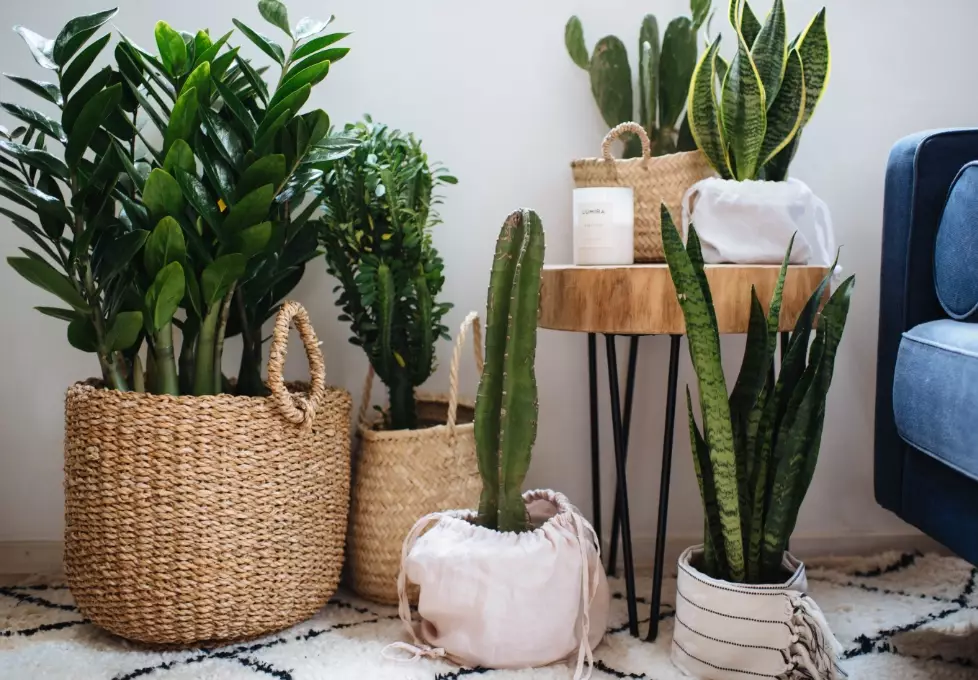 Start with one easy plant. See how it goes. Notice the light in your room, get a feel for the watering. It's less about creating an instant jungle and more about building a greener, cleaner habit, one leaf at a time.