Let's be honest. Most advice on starting a butterfly garden tells you to "plant some flowers." It's not wrong, but it's like saying to bake a cake, you need "some flour." The magic—and the frustration—is in the details they skip. I've watched monarch caterpillars starve on a garden full of pretty, useless hybrid petunias. I've seen swallowtails circle a yard and leave because there was nowhere to land out of the wind.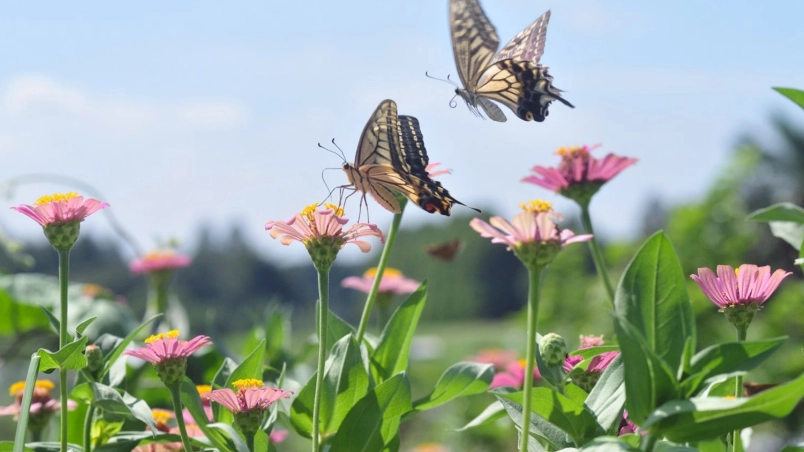
Creating a real butterfly garden isn't just gardening. It's building a tiny, fluttering ecosystem. And you can start this weekend.
Your Quick Guide to a Fluttering Oasis
Why Bother with a Butterfly Garden?
It's more than just decoration. You're creating a lifeline. Insect populations, including butterflies, are facing steep declines due to habitat loss, pesticides, and climate change. Organizations like the Xerces Society for Invertebrate Conservation have extensive reports on this. Your garden becomes a patch in a larger conservation quilt.
On a personal level, it changes how you see your space. You start noticing the tiny zebra-striped eggs on the underside of a parsley leaf. You learn the difference between a cabbage white and a clouded sulphur. The garden becomes alive in a new way.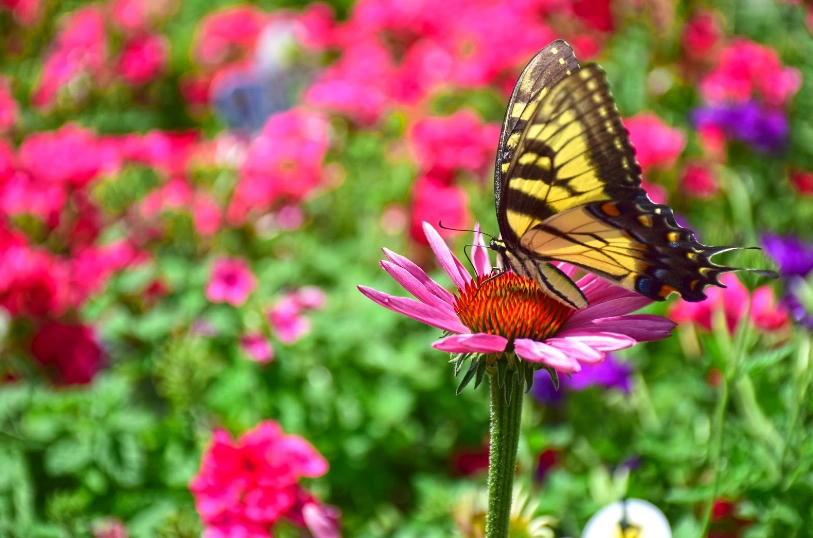
Plant Choices: The Fuel and the Nursery
This is where most guides fail. They list 50 plants. Overwhelming. Let's simplify with a core principle: you need Nectar Plants (food for adult butterflies) and Host Plants (food for caterpillars). No host plants, no next generation.
Top Nectar Plants for a Long Season of Blooms
Think succession planting. You want something blooming from spring to fall.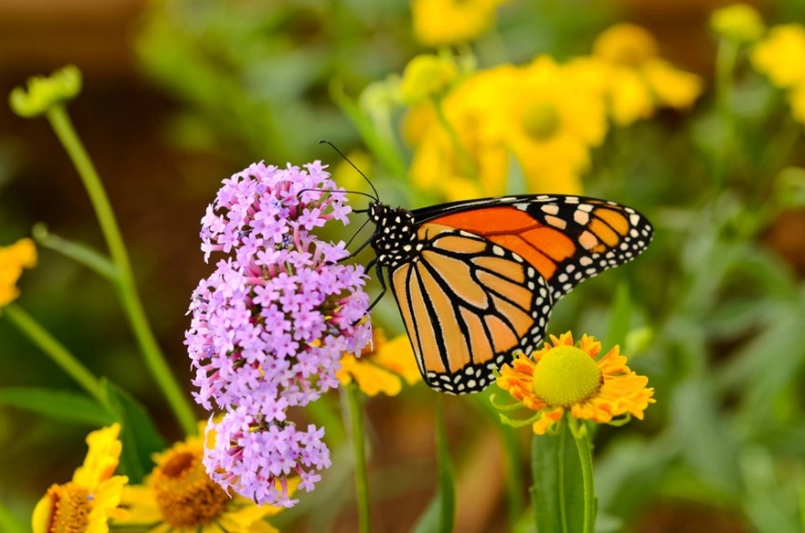
| Common Name | Scientific Name | Bloom Time | Color | Height | Sun |
|---|---|---|---|---|---|
| Coneflower | Echinacea purpurea | Summer | Purple, Pink, White | 2-4 ft | Full |
| Black-Eyed Susan | Rudbeckia hirta | Summer to Fall | Yellow | 1-3 ft | Full |
| Blazing Star | Liatris spicata | Mid-Late Summer | Purple | 2-4 ft | Full |
| Bee Balm | Monarda didyma | Summer | Red, Pink, Purple | 2-4 ft | Full to Part |
| New England Aster | Symphyotrichum novae-angliae | Late Summer/Fall | Purple, Pink | 3-6 ft | Full |
| Zinnia | Zinnia elegans | Summer to Frost | Various | 1-3 ft | Full |
Essential Host Plants (Match the Butterfly)
This is the secret sauce. Plant these, and you'll see caterpillars.
- Milkweed (Asclepias species): The ONLY host for Monarch caterpillars. Try Common, Swamp, or Butterfly Weed.
- Parsley, Dill, Fennel, Carrot Tops: Host for Black Swallowtail caterpillars. They look like tiny bird droppings as babies—it's camouflage!
- Spicebush (Lindera benzoin): Host for the stunning Spicebush Swallowtail. A great native shrub.
- Violets: Host for Fritillary butterflies. Let some grow in your lawn.
- Grasses (like Switchgrass, Little Bluestem): Host for many skipper butterflies. They're often overlooked.
See the pattern? Native plants are almost always better hosts. They've evolved together.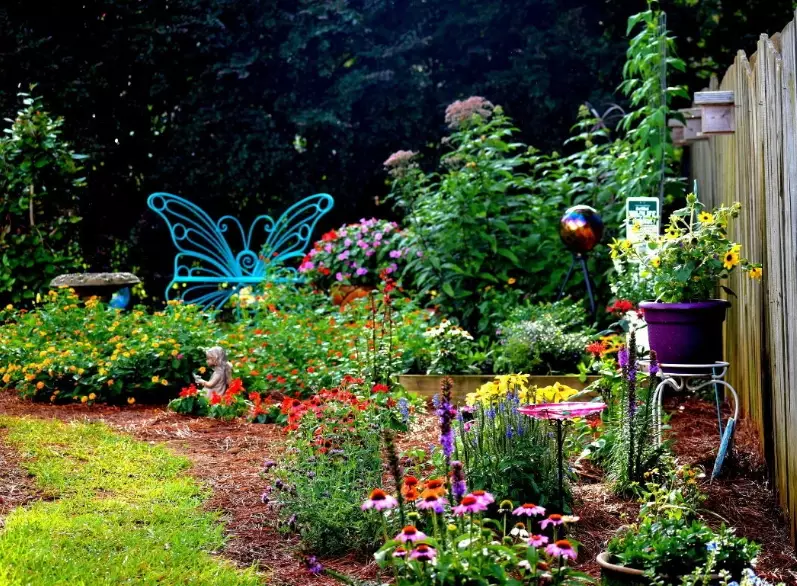
How Do I Design My Butterfly Garden?
Location is everything. Butterflies are cold-blooded. They need sun to warm their wings for flight. Pick the sunniest spot you have—at least 6 hours of direct sun. Morning sun is especially good to help them warm up.
Now, think in layers and clusters.
- Mass Planting: Don't plant one of everything. Plant 3-5 of the same plant in a cluster. A big block of color is easier for butterflies to spot from the air.
- Create Shelter: Place taller plants or a small shrub at the back or north side to break the wind. A simple trellis with a vine works too.
- Add Landing Pads: Flat stones in sunny spots give butterflies a place to bask and warm up. They love it.
- Provide Water & Minerals: A shallow "puddling" area is key. Use a saucer, fill it with sand or gravel, and keep it moist. Male butterflies gather here to drink minerals. Skip the fancy bird bath—it's too deep.
Keeping the Party Going: Maintenance & Care
Water new plants regularly until established. After that, most native plants are drought-tolerant. Over-fertilizing leads to lots of leaves but fewer flowers—not what you want.
The most important maintenance task happens in late winter or early spring. Do NOT clean up your garden in the fall. Leave those dead stems and leaf litter. They provide crucial overwintering habitat for chrysalises, eggs, and beneficial insects. Wait until daytime temperatures are consistently above 50°F (10°C) before you gently cut back the old growth.
Weed by hand. It's meditative, I promise.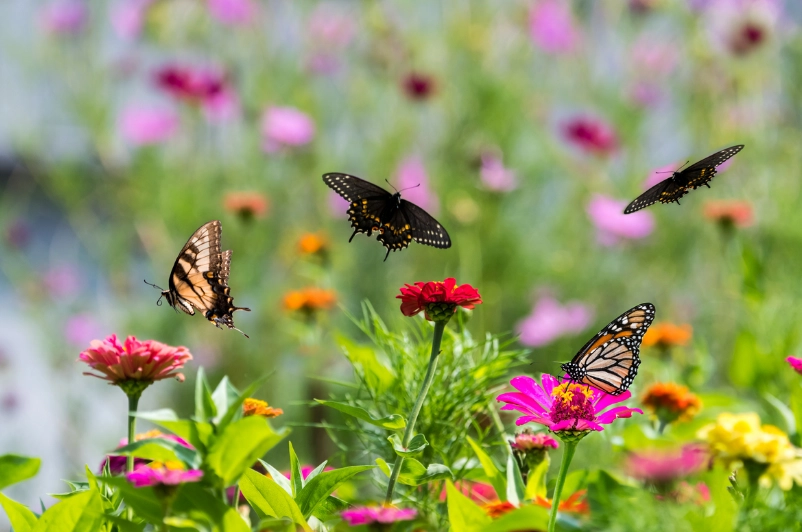
What Are Common Butterfly Garden Problems and Solutions?
Problem: "I see butterflies, but they just fly through and don't stay."
Likely Cause: You have nectar, but no host plants, shelter, or puddling spots. You're a gas station, not a home. Add the missing elements.
Problem: "My milkweed is being eaten to the ground!"
Solution: Celebrate! That's monarch caterpillars at work. Milkweed is a tough perennial; it will often grow back. Plant more than one cluster so you always have some.
Problem: "Other bugs are eating my plants."
Solution: Identify the bug. Is it a Japanese beetle (bad) or a milkweed beetle (part of the ecosystem)? Encourage natural predators. Plant diversity helps. A few aphids? Blast them off with a hose. It's about balance, not eradication.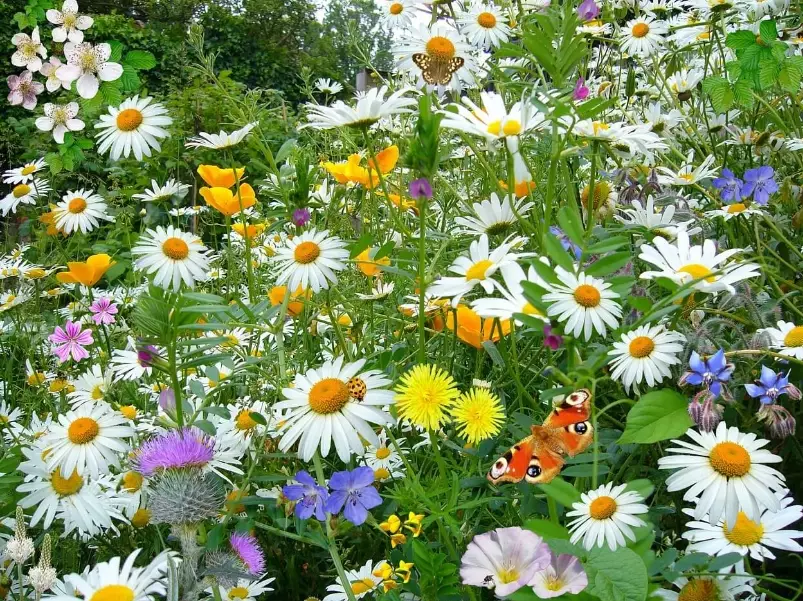
Your Butterfly Garden Questions, Answered
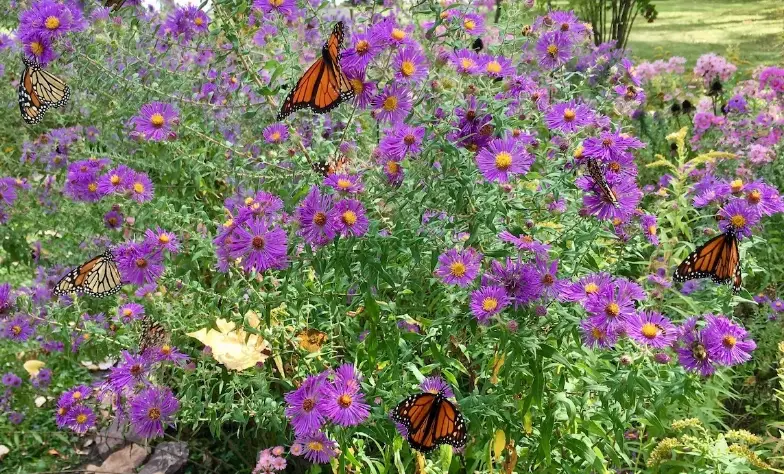 Starting a butterfly garden is an experiment. You'll learn more from the plants that fail and the butterflies that surprise you than from any perfect plan. Get your hands dirty, plant a cluster of milkweed, and watch. The first time you see a female monarch carefully laying an egg on the leaf you planted, you'll get it. This isn't just gardening. It's an invitation.