You see a bee buzzing from flower to flower in your yard, and for a second, you feel good. Then you realize it's the only one. The rest of the space is quiet, maybe a few ornamental shrubs that never seem to get any visitors. I've been there. I used to think having a few lavender plants was enough. It wasn't. Turning your space into a genuine haven for bees—honeybees, bumblebees, mason bees, all of them—requires a shift in thinking. It's not just about adding "bee friendly flowers" as an afterthought. It's about designing a reliable, season-long restaurant where the menu is always open.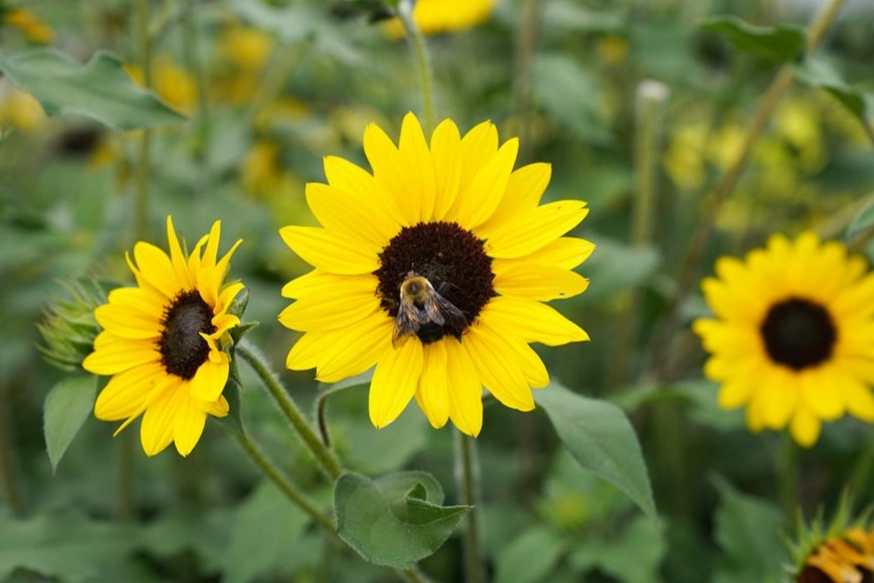
This goes beyond just saving the bees (though that's a fantastic reason). A garden teeming with pollinators is a healthier, more vibrant, and more productive garden. Your vegetables will set more fruit. Your flowers will produce more seeds. The whole ecosystem on your little patch of land just works better.
What's Inside This Guide?
The Real Reason Our Gardens Matter to Bees
It's easy to hear "bee decline" and feel it's a distant, agricultural problem. The truth is much closer to home. Modern landscaping is a big part of the issue. Think about the typical suburban yard: a monoculture of turf grass, maybe a few non-native ornamental trees like crepe myrtles (which offer little pollen), and flower beds filled with double-petaled, sterile hybrids bred for looks, not function.
For a bee, this landscape is a food desert.
Bees need two things from flowers: nectar (for energy) and pollen (for protein to feed their young). They need these resources consistently from early spring, when the first queen bumblebees emerge starving, to late fall, when colonies are preparing for winter. A gap in bloom times—like the notorious "June gap" after spring bulbs fade and before summer perennials hit their stride—can stress local populations.
Our gardens, collectively, can bridge these gaps. The University of Sussex's Laboratory of Apiculture and Social Insects has published research showing that urban gardens can support higher bee diversity than intensively farmed countryside, precisely because of the variety of plants we choose to grow. Your choices directly impact the survival of the bees you see.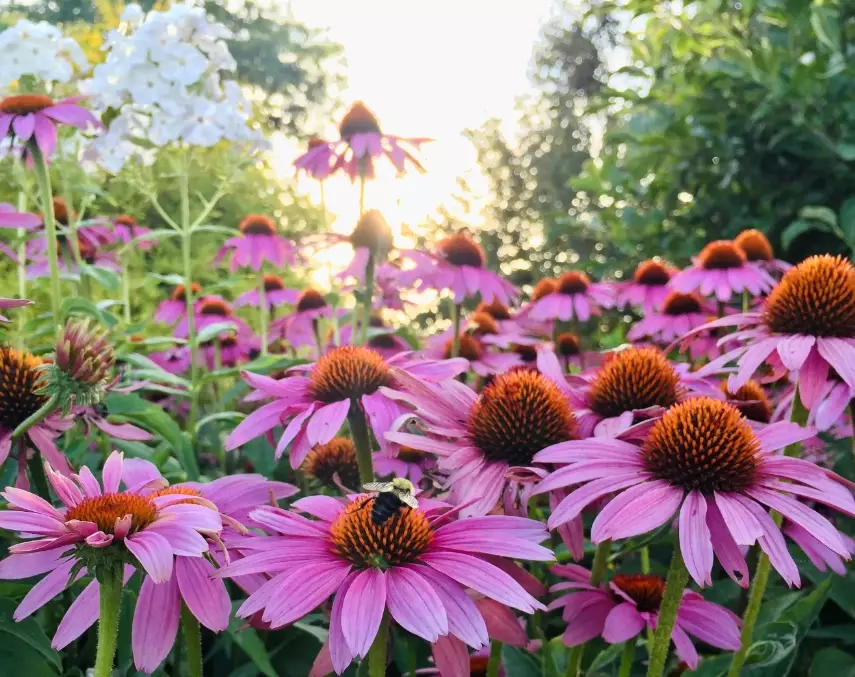
The Best Bee Friendly Flowers (Organized by Season)
Forget generic lists that just name plants. The key is sequence. Here’s a curated selection focused on providing a continuous buffet. I'm emphasizing native plants where possible, as they've co-evolved with local bees and often provide superior nutrition, but I'll include some non-native superstars that are proven winners.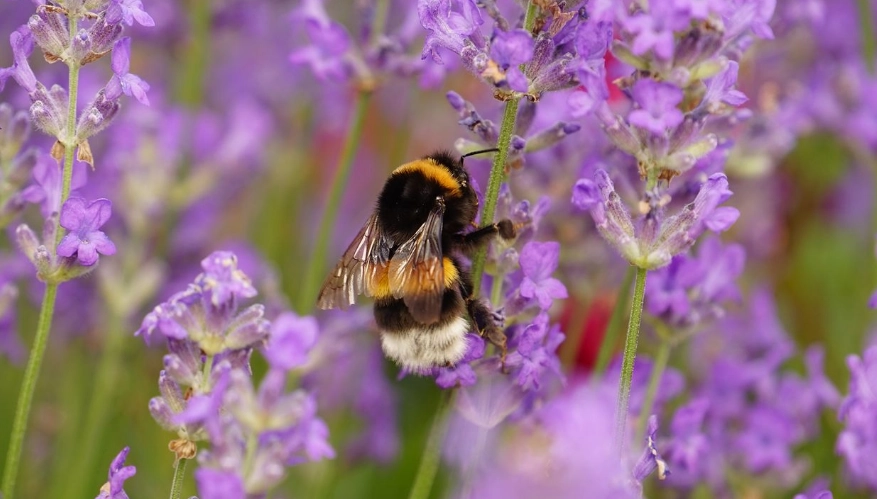
| Plant Name | Type | Key Bloom Period | Why Bees Love It | Pro Tip |
|---|---|---|---|---|
| Crocus (Species like C. tommasinianus) | Bulb | Late Winter / Early Spring | One of the first major pollen sources. Vital for emerging queen bumblebees. | Plant in drifts of 25+ bulbs. Squirrels avoid the species types. |
| Willow (Salix spp.) | Shrub/Tree | Early Spring | An incredibly important early source of pollen (catkins). Supports many specialist bees. | Even a pussy willow shrub in a large pot can be a major asset. |
| Lungwort (Pulmonaria) | Perennial | Spring | Nectar-rich, uniquely marked flowers. Thrives in shade/part-shade. | The wilder, old-fashioned varieties are better than fancy hybrids. |
| Foxglove (Digitalis purpurea) | Biennial | Late Spring / Early Summer | Bumblebee magnets. The deep tubes are perfect for their long tongues. | Let it self-seed for a natural, recurring colony. |
| Catmint (Nepeta 'Walker's Low') | Perennial | Late Spring to Fall | Blooms for months if sheared back mid-summer. Covered in bees of all kinds. | More reliable and less woody than lavender in humid climates. |
| Bee Balm (Monarda didyma) | Perennial | Mid-Summer | A classic for a reason. Hummingbirds love it too. Native to Eastern N. America. | Prone to powdery mildew; choose resistant varieties like 'Jacob Cline'. |
| Coneflower (Echinacea purpurea) | Perennial | Summer | The central cone is a pollen powerhouse. Goldfinches eat the seeds in fall. | Skip the newfangled double or frilly types. Stick to the simple, daisy-like native form. |
| Goldenrod (Solidago spp.) | Perennial | Late Summer / Fall | Critical late-season fuel. Supports over 100 insect species. Does NOT cause hay fever. | Look for well-behaved cultivars like 'Fireworks' to avoid spreading. |
| Sedum 'Autumn Joy' (Hylotelephium) | Perennial | Late Summer / Fall | When little else is blooming, this is a butterfly and bee hub. Extremely drought-tolerant. | Leave the dried flower heads standing over winter for visual interest. |
See the pattern? It's about filling the calendar. Now, let's talk about two powerhouses that deserve special mention because they're so easy and effective.
The Annual All-Stars: Borage and Sunflowers
If you're starting from zero and need instant impact, plant these.
Borage is my top recommendation for any new bee gardener. You sprinkle seeds after the last frost, and in weeks you have fast-growing plants with gorgeous blue, star-shaped flowers that bees literally line up for. It blooms non-stop until frost and self-seeds generously (but not annoyingly). The flowers are edible, too.
With sunflowers, the secret is to plant the single-flowered, pollen-producing varieties. The giant "Russian Mammoth" or "Lemon Queen" are perfect. Avoid the pollenless varieties bred for cut flowers—they're useless to bees. Bees will crawl all over the central disc, collecting pollen in little orange balls on their legs. It's a joy to watch.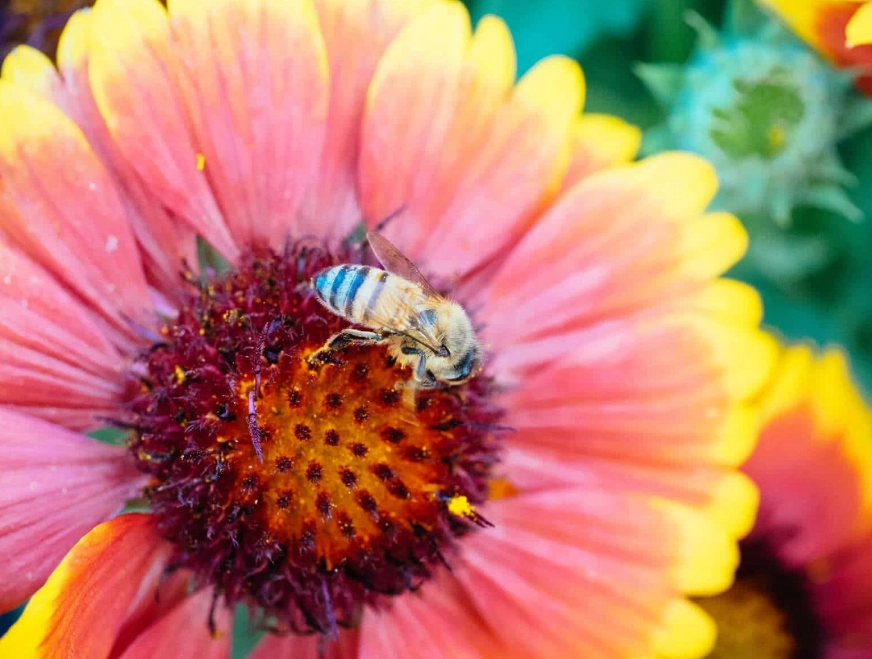
How to Plan Your Pollinator Garden Layout
Bees are efficient. They won't waste energy visiting one flower here and another ten feet away. You need to think in terms of drifts and clusters.
Imagine you're a bee flying overhead. A single coneflower plant is a tiny, hard-to-find target. A grouping of five or seven coneflowers together is a bright, purple-and-orange landing pad screaming "FREE LUNCH!". Plant in odd-numbered groups for a more natural look.
Sun is non-negotiable. Most top bee plants need at least 6 hours of direct sun. More sun equals more flowers equals more nectar production.
Don't forget about water. A shallow birdbath with stones or marbles for landing spots gives bees a safe place to drink. A dripping faucet or muddy patch is also appreciated, as some bees use mud for nest construction.
Finally, leave some bare ground. About 70% of native bees are ground-nesters. They need access to uncultivated, sunny, well-drained soil to dig their nests. A perfectly mulched garden is a desert for them. Leave a small, sunny patch of soil untouched.
Planting and Care: Beyond Just Sticking It in the Ground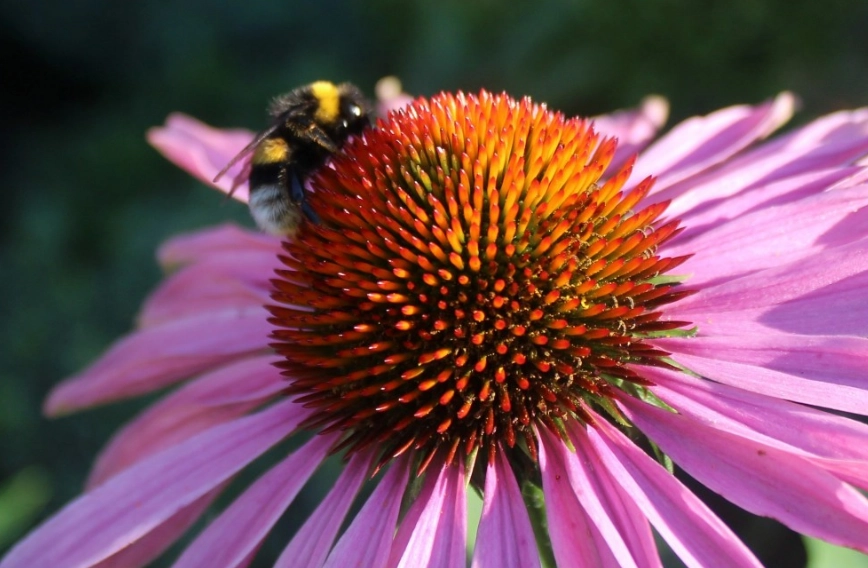
You've got the plants and the plan. Now, let's get them in the soil right.
Skip the mulch volcano. When planting, create a shallow basin around the plant for water, but keep mulch several inches away from the crown and stems. Piling mulch against stems promotes rot and hides pests.
Water deeply but infrequently to encourage deep roots. A long, slow soak is better than a daily sprinkle. Most established bee-friendly perennials are quite drought-tolerant.
The most important maintenance task? Deadheading. Snipping off spent flowers tells the plant to produce more blooms instead of setting seed. For catmint, bee balm, and salvia, give the whole plant a haircut by one-third in mid-summer. It will look ragged for two weeks, then come back with a vengeance, blooming into fall and providing crucial late-season food.
3 Costly Mistakes Even Well-Meaning Gardeners Make
- Trusting the "Butterfly & Bee" Plant Tag Blindly. Nurseries are getting better, but many plants marketed to pollinators are still inferior cultivars. The tag might show a bee, but the plant could be a double-flowered, nectar-less dud. Always look at the flower itself. Can you see the central part (stamens with pollen)? Is it an open, easy-to-access shape? When in doubt, a quick search on the Xerces Society website can tell you if a plant is truly recommended.
- Using Systemic Pesticides. This is the silent killer. You buy a beautiful plant, not knowing it was treated with a neonicotinoid pesticide like imidacloprid at the nursery. The chemical is in every part of the plant—leaves, stems, pollen, and nectar—for months or years. Bees collect poisoned pollen and take it back to their hive, causing slow colony collapse. Always ask nursery staff if their plants are neonicotinoid-free. Many local, organic nurseries proudly are.
- Being Too Tidy. Fall cleanup is where many bee habitats are destroyed. That hollow stem of a bee balm or raspberry cane might contain next year's leafcutter bee larvae. Those leaves on the ground are shelter for queen bumblebees hibernating. Do your major cleanup in late spring, after temperatures are consistently above 50°F (10°C). Leave some plant debris, dead wood, and bare soil as winter habitat.
Your Bee Garden Questions Answered
 The buzz you hear in a thriving bee garden is the sound of success. It's not complicated. Choose the right plants, group them together, avoid chemicals, and embrace a little messiness. Start with one cluster of coneflowers or a pot of borage this season. You'll be amazed at how quickly the bees find it, and how much life that single act brings to your little corner of the world.