Let's be honest. The traditional green lawn is a high-maintenance, water-guzzling relic. I spent years watering, mowing, and feeding mine before I finally snapped. The water bill was insane, and the grass still looked patchy by August. That's when I discovered xeriscaping.
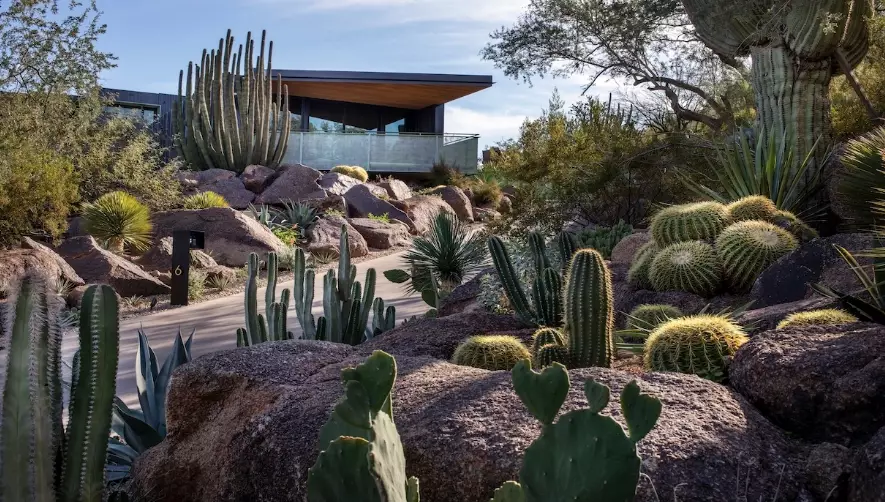
It's not about covering your yard in rocks and cactus (unless you want to). It's about designing a landscape that works with your local climate, not against it. The result? A gorgeous, resilient garden that slashes your water use by 50% or more and gives you your weekends back.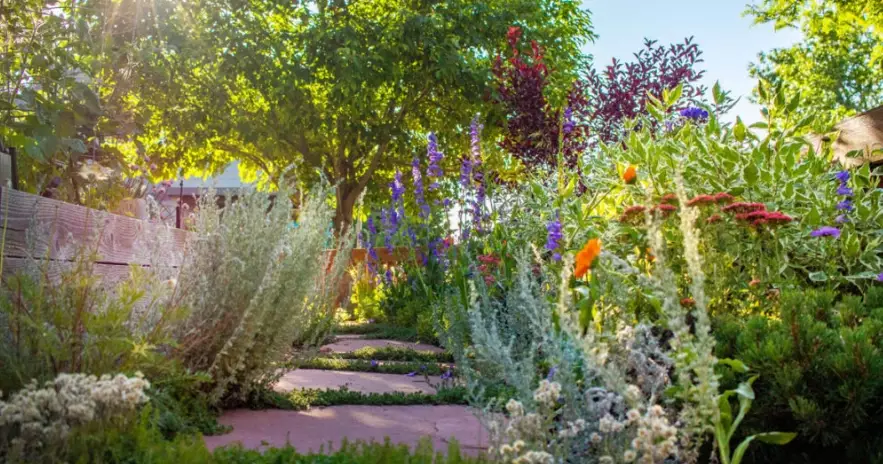
Quick Navigation
What is Xeriscaping, Really?
The term comes from the Greek word 'xeros' for dry. But forget the 'dry' part for a second. Think 'efficient'. Xeriscaping is a set of landscaping principles focused on water conservation. It was developed in arid Colorado but works everywhere.
I see people get this wrong all the time. They think it's just swapping grass for gravel. That's a recipe for a hot, sterile-looking yard. True xeriscaping is layered and thoughtful. It involves seven core principles, but for homeowners, they boil down to three big ideas: planning and design, smart plant choices, and efficient irrigation.
The goal isn't a desert. It's a garden that looks good with the rainfall nature provides, needing a drink from the hose only during exceptional droughts.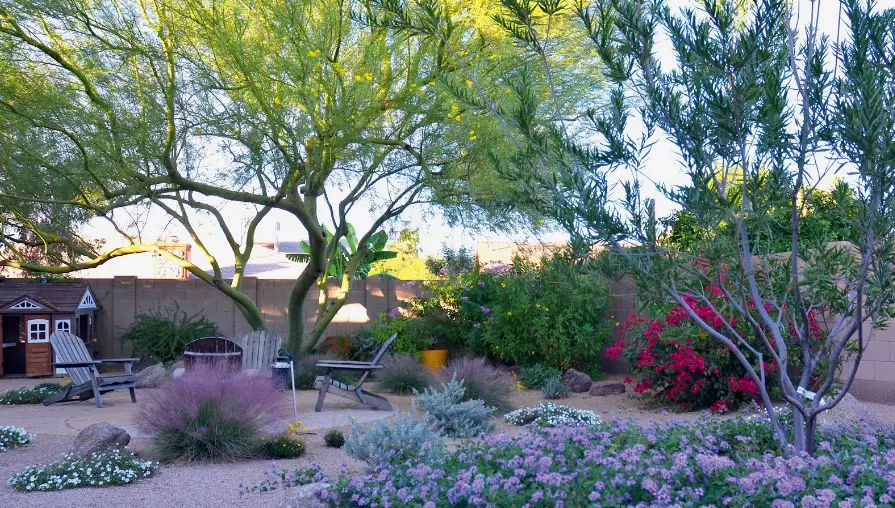
How to Design a Xeriscape Garden: A Step-by-Step Guide
Jumping straight to the plant nursery is the first mistake. Design comes first. Here’s how I approach it, whether for a front yard makeover or a backyard corner.
1. Map Your Microclimates
Walk your yard at different times of day. Where is it sunny and baking hot from 10 AM to 6 PM? That's your full sun zone—perfect for the toughest, most drought-loving plants. Where does the house cast afternoon shade? That's a partial shade zone, suitable for plants that need a break from intense heat. Notice slopes where water runs off; these will be drier. Low spots that collect water are zones for more tolerant plants.
I sketched this on graph paper. It's the single most useful thing I did.
2. Plan Your Zones
Now, layer in how you use the space. The area near your front door or patio is a high-impact zone. This is where you might spend a bit more on showy, flowering perennials or a small, efficient drip system to keep them looking pristine. Further out, create transitional zones with shrubs and grasses. In the far corners or hellstrips by the street, go for the low-water backbone plants that just need to survive and look decent.
3. Rethink Irrigation
If you have an old sprinkler system watering everything the same, turn it off. For a xeriscape, drip irrigation or soaker hoses are king. They deliver water slowly, directly to the root zone, minimizing evaporation and runoff. You zone them based on your plant groupings. The lavender bed gets watered every two weeks. The shade plants might get a sip once a month. This precision is where the massive water savings happen.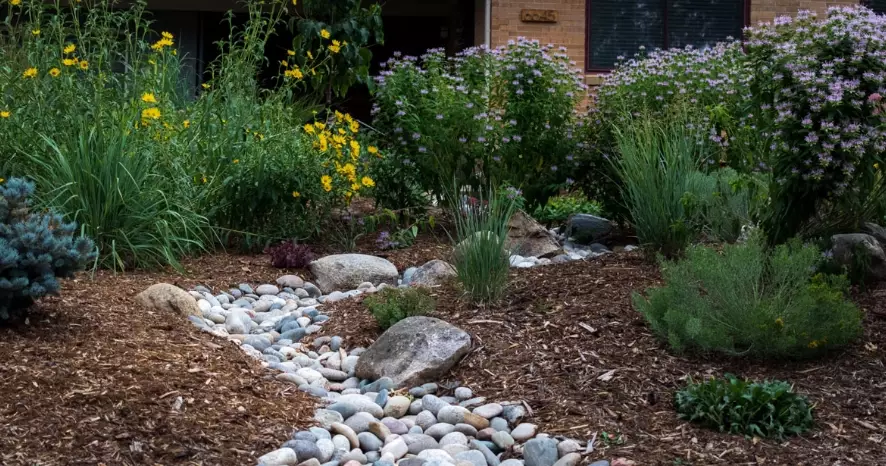
According to the U.S. Environmental Protection Agency, landscape irrigation accounts for nearly one-third of all residential water use nationwide. Drip systems can cut that use by 30-50%.
Choosing the Right Xeriscape Plants
This is the fun part. The key isn't just 'drought-tolerant'. It's 'climate-appropriate'. A plant that's drought-tolerant in rainy Oregon is different from one in Arizona. Always check your USDA Hardiness Zone and look for natives.
Here’s a breakdown of reliable workhorses, based on my experience and regional gardening guides. Natives are starred because they support local birds and pollinators.
| Plant Type | Example Plants | Key Traits & Tips |
|---|---|---|
| Ornamental Grasses | Blue Fescue, Feather Reed Grass*, Little Bluestem* | Add movement and texture. Many are native. Cut them back in late winter before new growth starts. |
| Flowering Perennials | Lavender, Russian Sage, Coneflower*, Penstemon* | Long bloom periods, loved by pollinators. Avoid overwatering; they often prefer poor soil. |
| Shrubs & Small Trees | Manzanita*, Juniper, Bush Sage, Desert Willow* | Provide structure and year-round interest. Research mature size! A common error is planting them too close together. |
| Ground Covers | Creeping Thyme, Sedum, Silver Mound Artemisia | Suppress weeds, cover bare soil. Great for filling between stepping stones. |
A personal favorite of mine is Agastache (Hummingbird Mint). It smells like licorice, blooms for months, and hummingbirds are obsessed with it. It needs good drainage, though. I lost a few before I mixed grit into the planting hole.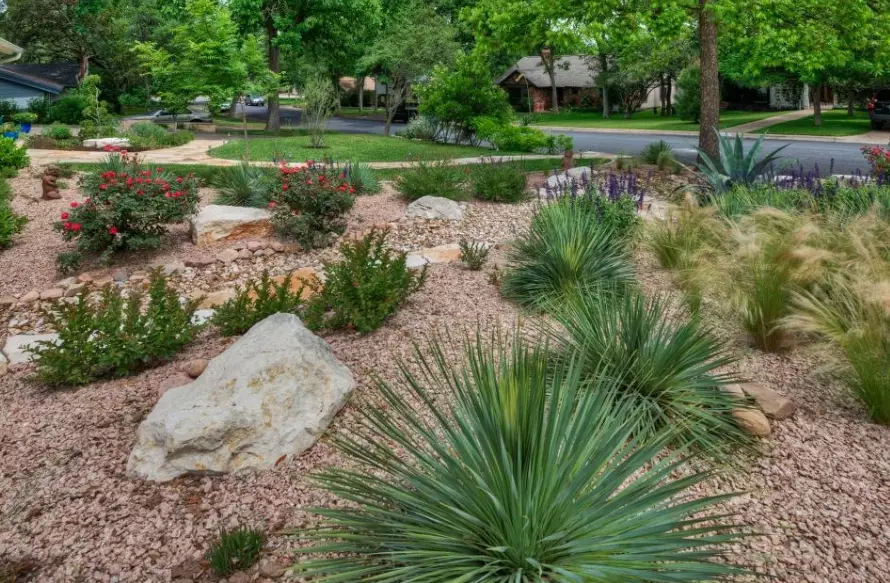
Beyond Plants: The Unsung Heroes of Hardscape and Mulch
Plants are just one piece. What's between them matters just as much.
Hardscape—paths, patios, decks, and retaining walls—reduces the area you need to water and maintain. Use permeable materials like gravel or flagstone set in sand to allow rainwater to soak in, not run off into the street.
Mulch is non-negotiable. A 3-4 inch layer does wonders: it keeps soil cool, suppresses weeds, and reduces evaporation. But skip the dyed bark mulch. It breaks down too fast. I use locally sourced gravel or crushed granite in hot, sunny areas—it lasts forever. In planting beds, I prefer shredded cedar or arborist wood chips. They look natural and improve soil as they decompose.
Maintaining Your Xeriscape Garden: Less Work, More Enjoyment
The maintenance schedule is blissfully light.
Watering: Deep and infrequent is the mantra. Water long enough that moisture reaches the deep roots, then let the soil dry out completely before watering again. This trains plants to be resilient. In many climates, established xeriscapes need no supplemental water beyond rainfall.
Weeding: A thick layer of mulch cuts weeding by 90%. The few that pop up are easy to pull from the loose soil.
Pruning & Cleanup: Prune shrubs for shape in late winter. With perennials and grasses, I leave the dead seed heads up through winter—they look beautiful in the frost and feed the birds. I do the big cleanup in early spring, just before new growth emerges.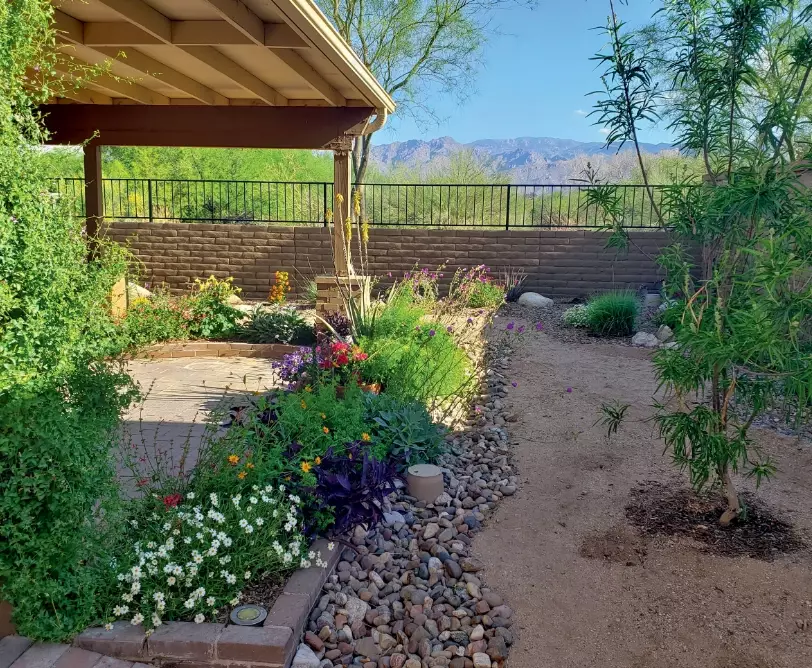
Common Xeriscaping Mistakes to Avoid
I've made some of these, so you don't have to.
Planting Too Many Different Species. It creates a chaotic look and makes watering a nightmare. Group 3-5 of the same plant together for visual impact and simpler care.
Neglecting Soil Prep. Even drought-tolerant plants need a good start. If you have heavy clay, amend it with compost and coarse sand to improve drainage. Waterlogged roots will kill a 'drought-tolerant' plant faster than drought will.
Forgetting About Winter. In cold climates, some xeriscape plants can be killed more by wet, frozen soil (crown rot) than by cold. Ensure excellent drainage. Using gravel mulch instead of organic mulch around the plant's crown can help in rainy winter areas.