You water them, give them sun, maybe talk to them. But your plants are having constant, silent conversations you can't hear. They're using chemical signals—plant hormones—to coordinate everything from which leaf gets the most sunlight to when it's time to drop their fruit. Understanding this language isn't just botany trivia. It's the key to fixing a leggy seedling, saving a wilting cutting, or finally getting that stubborn vine to produce.
In This Guide
What Are Plant Hormones and How Do They Work?
Think of plant hormones less like vitamins and more like text messages. They're produced in one part of the plant—say, the tip of a shoot—and travel to another part—like a dormant bud—to deliver a specific instruction: "Wake up and start growing." The official term is plant growth regulators, which is more accurate. They regulate processes.
The magic is in the balance. It's not about having lots of one hormone. It's the ratio between them that dictates the plant's behavior. High auxin relative to cytokinin? The main stem dominates. Flip that ratio, and you get a bushier plant. This interplay is why a single external application can have dramatic effects.
Key Insight: Hormones are signals, not energy sources. Applying a rooting hormone to a dead or starving cutting won't work. The plant needs the basic resources to carry out the command.
The Five Key Plant Hormones and Their Roles
While scientists have identified many, five classic hormones do most of the heavy lifting in your garden. Getting to know them is like learning the names of your tools.
| Hormone | Primary Source | Key Jobs | Practical Use Case |
|---|---|---|---|
| Auxin | Shoot and root tips | Cell elongation, apical dominance, root initiation, fruit development. | Rooting hormone powder for cuttings; fruit-set sprays for tomatoes. |
| Cytokinin | Root tips, developing seeds | Cell division, breaks bud dormancy, delays leaf aging (senescence). | Promoting bushier growth (counteracts legginess); used in tissue culture. |
| Gibberellin | Young leaves, seeds | Stem elongation, seed germination, fruit enlargement. | Bolting in lettuce/ spinach; producing seedless grapes; breaking seed dormancy. |
| Abscisic Acid (ABA) | Leaves, stems, green fruit | Stress response, stomatal closure, seed dormancy. | Plant's natural reaction to drought (wilt); not commonly applied by gardeners. |
| Ethylene | Aging tissues, ripening fruit | Fruit ripening, flower senescence, leaf abscission (dropping). | Ripening bananas in a bag; causing leaf drop in stressed plants. |
See how they interact? Auxin from the top says "grow tall," cytokinins from the roots say "grow bushy." Gibberellin shouts "grow fast!" and Abscisic Acid whispers "slow down, we're stressed." Ethylene is the cleanup crew, managing the end of life cycles.
How Do Plant Hormones Actually Work?
It's a lock and key system. The hormone (key) fits into a specific receptor protein (lock) in or on a plant cell. This triggers a cascade of internal signals that turn genes on or off. The result? The cell elongates, divides, or prepares to shut down.
A common misconception is that more hormone equals more effect. Not true. It's a classic dose-response curve. A little auxin promotes root growth; too much inhibits it entirely. This is why commercial products have specific, tested concentrations.
How to Use Plant Hormones: A Practical Guide
This is where theory meets dirt. You can buy synthetic versions of these hormones to steer your plants. Let's get specific.
1. For Rooting Cuttings (Auxin is your friend)
That little tub of rooting powder? It's usually IBA (Indole-3-butyric acid), a synthetic auxin. Here's how to not mess it up:
- Take a healthy cutting with a few nodes.
- Make a fresh, clean cut just before dipping. Don't dip a cut that's been sitting for an hour.
- Moisten the stem end, then dip it about half an inch into the powder. Tap off the excess. A caked-on layer can hinder rooting.
- Stick it in your pre-moistened potting mix. The auxin tells cells at the cut site to become root cells.
I've seen people fail because they used old, woody cuttings or a potting mix that stayed soggy and rotted the stem. The hormone can't overcome poor fundamentals.
2. For Fixing Leggy Seedlings (Cytokinin to the rescue)
Seedlings get leggy reaching for light. Auxin is driving that stretch. You can encourage bushiness by altering the auxin/cytokinin balance. Pruning the tip (source of auxin) is the free method. For a more direct approach, some foliar sprays contain cytokinins. A light mist can encourage side shoots. But fixing the light source is always step one.
3. For Fruit Set (Auxin again)
Tomatoes, peppers, and squash sometimes drop their flowers before fruit forms, especially in poor weather (too hot, too cold). A fruit-set spray with NAA (another synthetic auxin) tricks the plant into holding onto and developing the fruit, even without perfect pollination. Spray it lightly on open flower clusters. It's a great hack for greenhouse growers or those with short seasons.
4. For Seed Germination (Gibberellin's domain)
Some seeds have deep dormancy. Soaking them in a gibberellic acid solution can break that dormancy. You can find GA3 powders online. Dissolve a tiny amount in water (follow packet instructions religiously) and soak the seeds for 6-24 hours. This is common for starting certain wildflowers or stratifying seeds without a long cold period.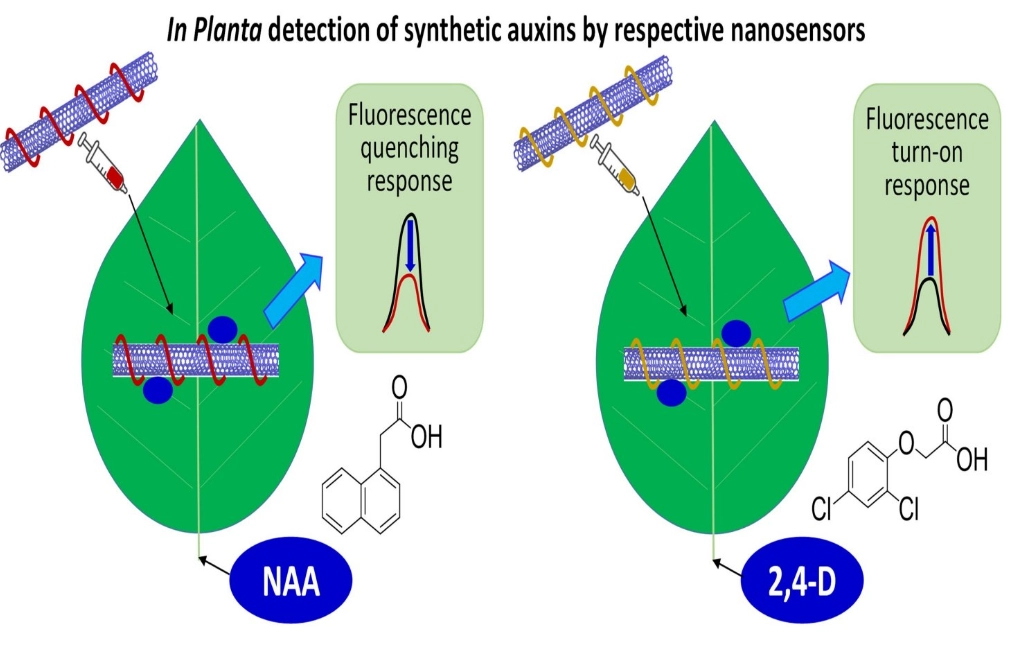
Common Mistakes and Expert Fixes
After a decade of trial and error, here's what most guides don't tell you.
The Over-Application Trap: The biggest error is thinking "if a little is good, a lot is better." Drowning a cutting in rooting hormone won't give you super-roots. It will likely burn the tissue and prevent callusing. Use the recommended formulation strength (often "for softwood," "for hardwood") and just a light coating.
Ignoring Plant Readiness: Applying a hormone when the plant isn't in the right physiological stage is useless. Applying a fruit-set spray to a closed bud or a wilted flower is a waste. The plant can't "hear" the signal. Timing is everything.
Neglecting the Basics: No hormone will save a cutting from a diseased mother plant or a seedling growing in pure mud. They amplify good processes; they don't replace good horticulture. Research from the American Society of Plant Biologists consistently shows that hormonal responses are strongest in healthy, unstressed plants.
Your Plant Hormone Questions Answered
Let's tackle the specific, gritty questions you might be typing into Google.
 So there you have it. Plant hormones aren't a mysterious lab secret. They're the built-in toolkit your plants use every day. By understanding the basic players—auxin, cytokinin, gibberellin, abscisic acid, ethylene—you can start to predict and even guide your plant's behavior. Start small. Try rooting a few cuttings with hormone powder versus without. Observe the difference. That hands-on experience, more than anything, will teach you how to speak your garden's silent language.