Quick Navigation
When you see a monarch butterfly fluttering by, it's easy to just admire its orange and black wings. But there's so much more to this insect than meets the eye. I've spent over a decade studying and observing monarchs, from the overwintering sites in Mexico to backyard gardens across North America, and I'm still amazed by their story. Let's dive into what makes the monarch butterfly one of nature's most fascinating creatures.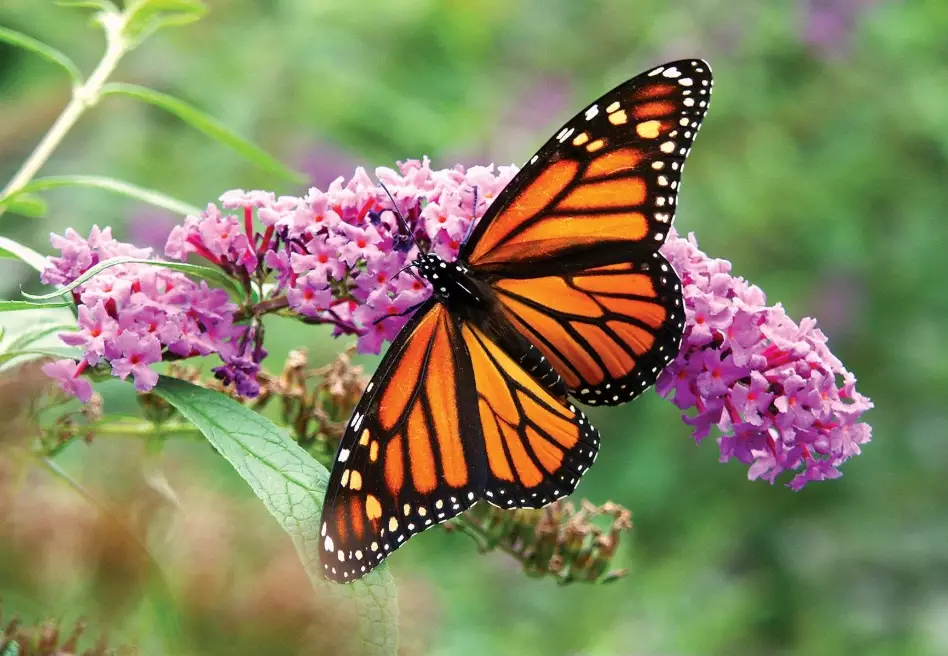
What Makes the Monarch Butterfly Unique?
First off, monarchs aren't your average butterfly. Their bright coloration isn't just for show—it's a warning. They feed on milkweed as caterpillars, which makes them toxic to many predators. That's a neat trick, but it's just the start.
Physical Characteristics and Identification
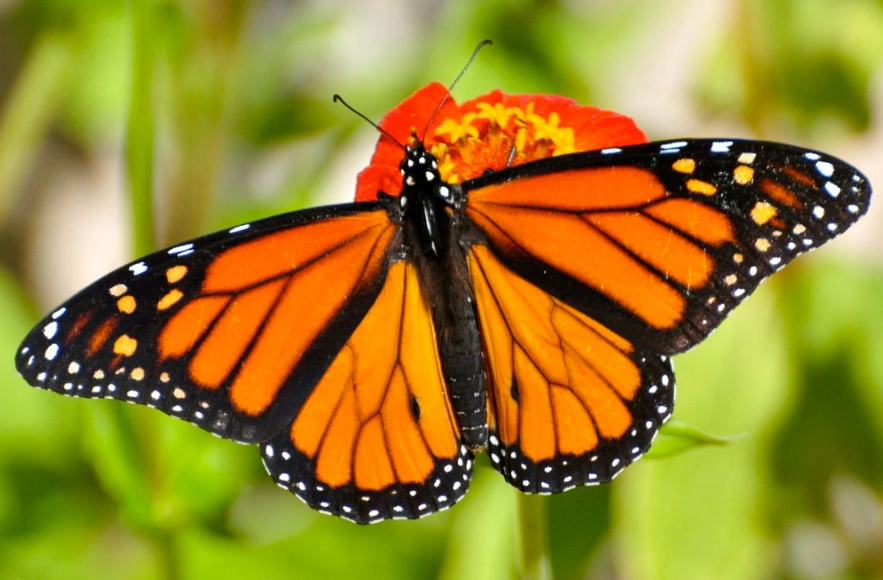
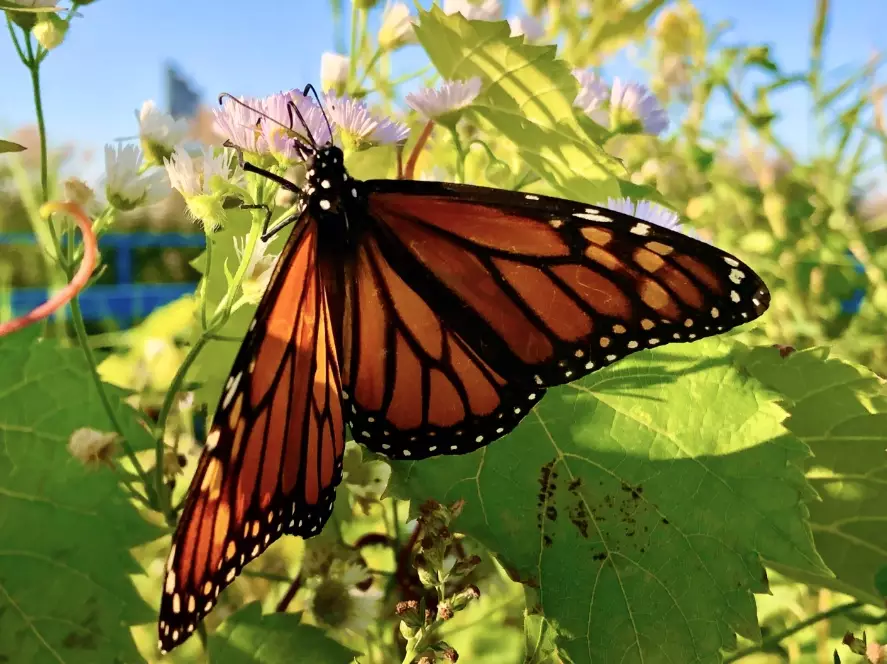
Spotting a monarch is usually straightforward: orange wings with black veins and white spots along the edges. Males have a distinct black spot on each hind wing, a scent gland used in mating. Females have thicker black veins. I've seen many beginners confuse them with viceroy butterflies, but viceroys are smaller and have a black line across the hind wings. Another tip: monarch wingspan ranges from 3.5 to 4 inches, so they're relatively large. In flight, their glide pattern is distinctive—slow and deliberate, unlike the erratic flutters of some species.
The Life Cycle: From Egg to Adult
Monarchs go through four stages: egg, larva (caterpillar), pupa (chrysalis), and adult. The female lays eggs on milkweed leaves—only milkweed. The caterpillar hatches, eats voraciously, molts several times, then forms a jade-green chrysalis. In about 10-14 days, the adult emerges. One thing most people don't realize: the timing varies by generation. Summer generations live 2-6 weeks, but the migratory generation can live up to 8 months. I once tracked a tagged monarch from Ontario to Mexico; it survived the entire journey, which is rare but shows their resilience. The eggs are tiny, about the size of a pinhead, and pale yellow. If you're looking for them, check the undersides of milkweed leaves in early summer.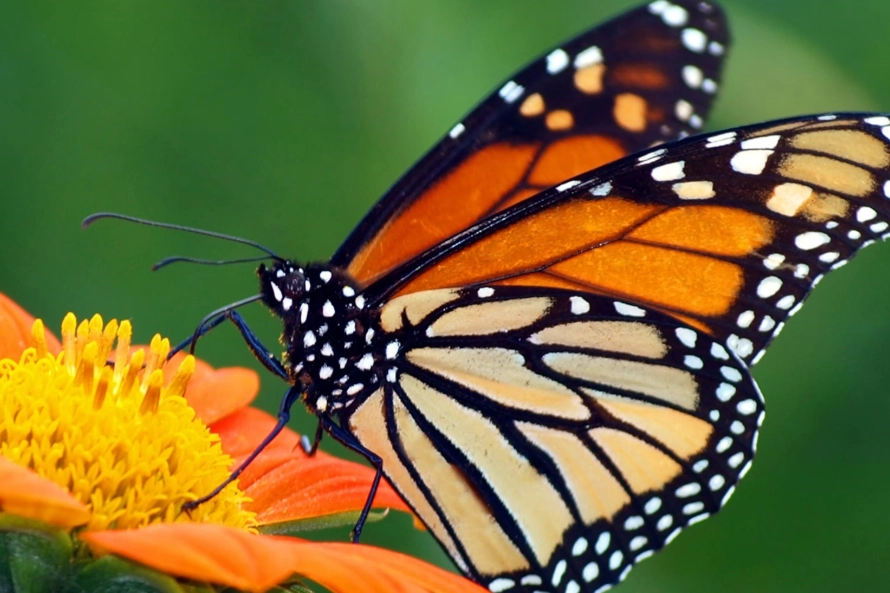
The Great Migration: Unraveling the Mystery
This is where monarchs truly shine. Every fall, millions embark on a journey from the northern U.S. and Canada to central Mexico or coastal California. It's a multi-generational trip; no single butterfly makes the round trip. The ones that migrate south are born in late summer or fall, and they're the ones that live longer. Scientists are still piecing together how they navigate—using the sun's position, magnetic fields, and even landmarks. From my observations, they often follow river valleys and avoid high mountains.
The Eastern and Western Flyways
There are two main populations. Eastern monarchs, east of the Rocky Mountains, fly to the oyamel fir forests in the Monarch Butterfly Biosphere Reserve in Michoacán, Mexico. Western monarchs, west of the Rockies, overwinter along the California coast, like at Pacific Grove. I've visited both sites, and the sight of trees draped in butterflies is unforgettable. In Mexico, the best time to see them is from November to March, with peak numbers in January. The reserve is open to tourists, but access is restricted to protect the colonies—you need a guide, and fees support local conservation. In California, November to February is prime, and spots like Natural Bridges State Beach offer guided tours. But here's a reality check: western monarch numbers have crashed recently, from millions to tens of thousands in some years.
Timing and Key Locations for Observation
If you want to witness the migration, plan accordingly. For eastern monarchs, mid-September to October is when they pass through states like Texas and Oklahoma. Key stopover sites include the Texas Monarch Trail—a network of parks and gardens. I recommend checking resources like the Monarch Watch website for real-time updates. For western monarchs, October to November along Highway 1 in California, with hotspots at Pismo Beach and Santa Cruz. But here's a tip: climate change is shifting these patterns. In recent years, I've noticed migrations starting later, so check local reports from organizations like the Xerces Society. Also, weather matters; a cold front can ground monarchs for days, creating spectacular clusters in unexpected places.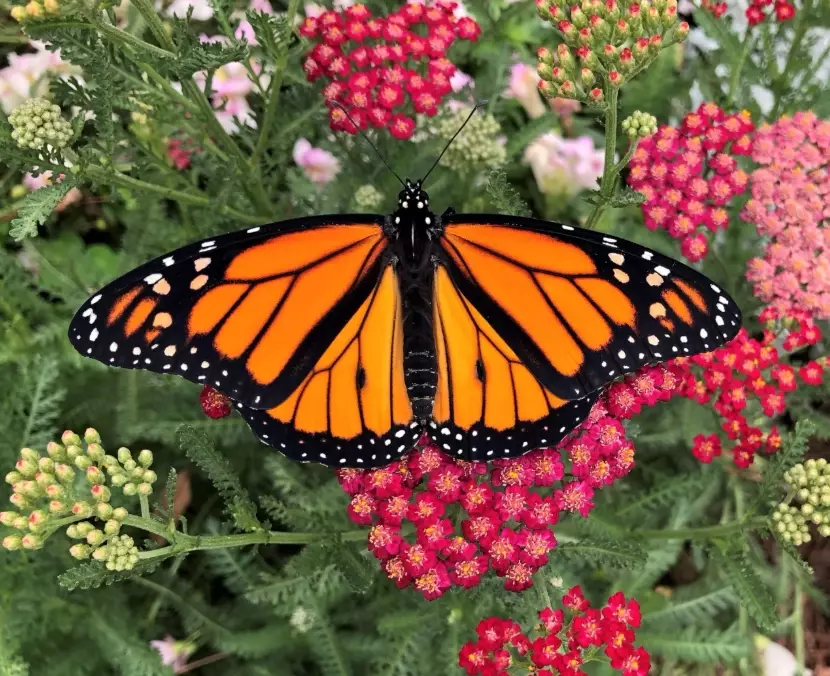
Monarch Conservation: Why They're Declining and How You Can Help
Monarch populations have dropped by over 80% in the last few decades. The main culprits? Habitat loss, pesticide use, and climate change. Milkweed—their sole host plant—is often eradicated as a weed. But you can make a difference right in your yard. I've seen communities turn around local declines with simple actions.
Threats: Habitat Loss, Climate Change, Pesticides
Agricultural expansion has wiped out millions of acres of milkweed. Neonicotinoid pesticides are particularly harmful; they can kill caterpillars even at low doses. And extreme weather events, fueled by climate change, can decimate overwintering colonies. I remember a storm in Mexico a few years back that killed millions—it was heartbreaking. Logging in the oyamel forests also threatens their winter homes. On top of that, invasive species like black swallow-wort can outcompete native milkweed.
Creating a Monarch-Friendly Garden: A Step-by-Step Plan
It's not just about planting milkweed. You need nectar plants for adults too. Native milkweed species are best; avoid tropical milkweed (Asclepias curassavica) in temperate regions, as it can disrupt migration by encouraging monarchs to stay put and breed out of season. I've seen gardens full of tropical milkweed that actually harm local populations by spreading OE parasites. Instead, go for common milkweed (Asclepias syriaca) in the east or showy milkweed (Asclepias speciosa) in the west.
Here’s a simple plan I've used in my own garden:
- Plant native milkweed: At least 10 plants for a small garden. Space them about 18 inches apart. Milkweed needs full sun and well-drained soil.
- Add nectar sources: Like goldenrod, asters, and coneflowers that bloom from spring to fall. Plant in clusters to make it easier for butterflies to find.
- Avoid pesticides: Especially systemic ones. If you must, use organic options like neem oil sparingly and only at dusk when pollinators aren't active.
- Provide water and shelter: A shallow dish with stones for water, and leave some leaf litter for overwintering. I add a few flat rocks for basking.
For a quick reference, here are some top nectar plants by region:
- Northeast: Bee balm, Joe-Pye weed, New England aster.
- Midwest: Blazing star, purple coneflower, black-eyed Susan.
- West: California poppy, coyote mint, seaside daisy.
Common Mistakes in Butterfly Gardening and How to Avoid Them
Many well-intentioned people get this wrong. One big error: planting non-native flowers that don't support local insects. Another: over-tidying the garden. Monarchs need messy spots—fallen leaves, dead stems—for shelter. I once helped a friend who kept her garden immaculate; after we left a wild corner, monarch visits increased dramatically. Also, avoid hybridized plants that may lack nectar or pollen. And don't forget about water—a dry garden won't attract much. I've seen gardens with beautiful flowers but no water source, and butterflies just pass by.
Busting Common Monarch Butterfly Myths
Let's clear up some misconceptions. Myth 1: Monarchs migrate because of cold weather. Actually, it's triggered by shortening day length and cooler temperatures, but it's a genetic program—the migratory generation is biologically different. Myth 2: All milkweed is good. As mentioned, tropical milkweed can cause problems, and some ornamental varieties may be treated with pesticides. Myth 3: Monarchs are poisonous to all predators. Some, like certain birds like orioles, have developed tolerance and will eat them. Myth 4: You can help by releasing store-bought monarchs. This often introduces diseases and disrupts local genetics—stick to habitat creation instead.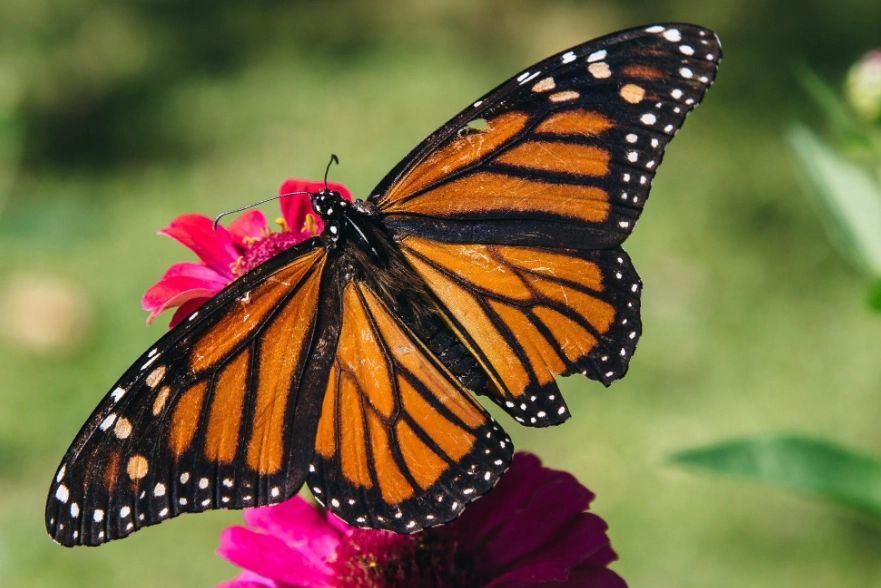
Your Monarch Butterfly Questions Answered
Reader Comments