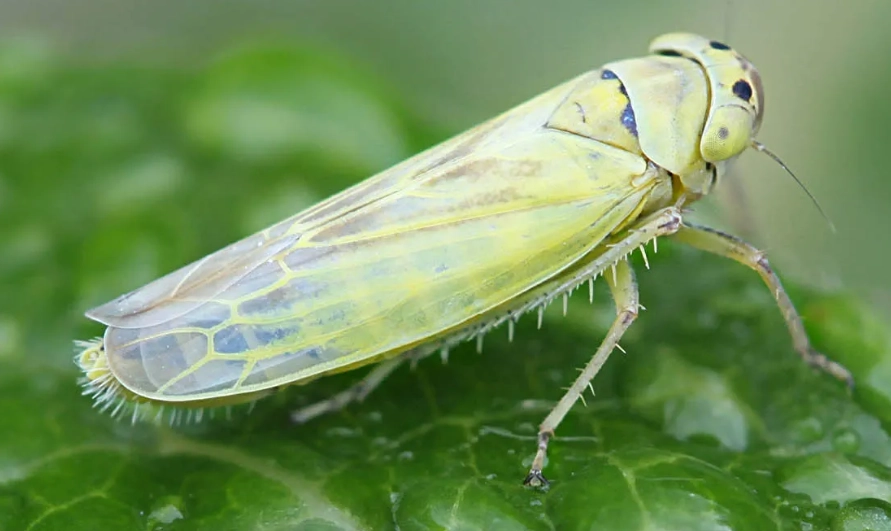
You’re out in the garden, admiring your plants, when you notice something off—the leaves have these weird white speckles, and the edges are turning yellow. Before you blame the weather or your watering habits, take a closer look. Chances are, leafhoppers are the culprits. These insects are sneaky, common, and if left unchecked, they’ll cause real damage. I’ve spent years dealing with them, both in my own garden and helping others, and I’ll walk you through everything from spotting them to stopping them.
What You'll Find in This Guide
What Are Leafhoppers and Why Should You Care?
Leafhoppers are small insects in the family Cicadellidae, and there are over 20,000 species worldwide. They’re usually green or brown, about 1/8 to 1/4 inch long, and they hop away when you touch a plant—hence the name. They feed by piercing plant tissue and sucking sap, which weakens plants and can spread diseases.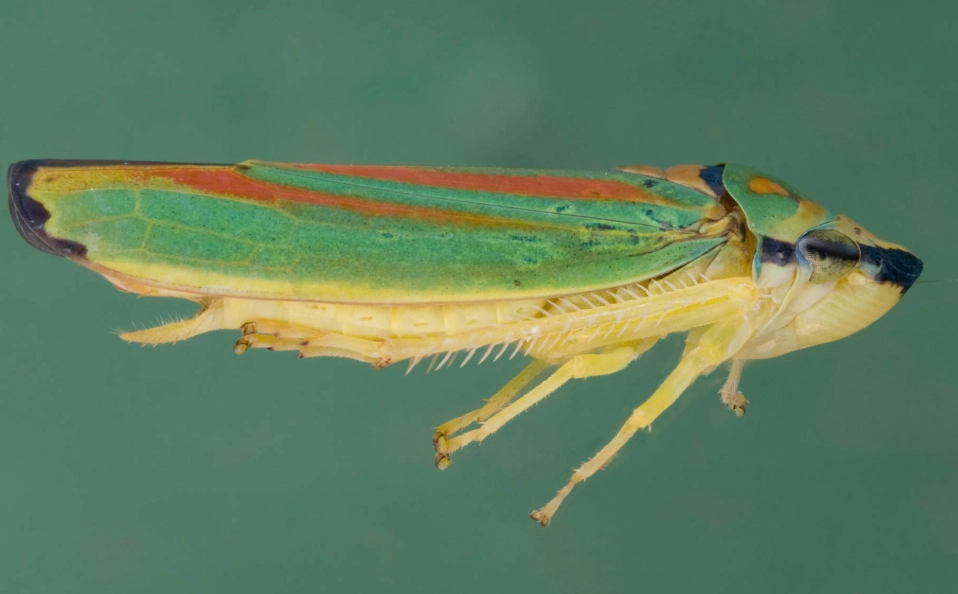
I remember a client who called me, convinced their tomato plants had a nutrient deficiency. The leaves were pale and stunted. But when I visited, I saw dozens of leafhoppers hopping around. A quick shake over a white cloth confirmed it. Many gardeners miss this because leafhoppers blend in so well.
Key Physical Characteristics to Spot
Adult leafhoppers have a wedge-shaped body and hold their wings roof-like over their back. Nymphs look similar but are smaller and lack wings. If you see tiny, fast-moving bugs that dart sideways, you’re probably looking at leafhoppers. They’re often confused with aphids, but leafhoppers are more agile and don’t cluster as much.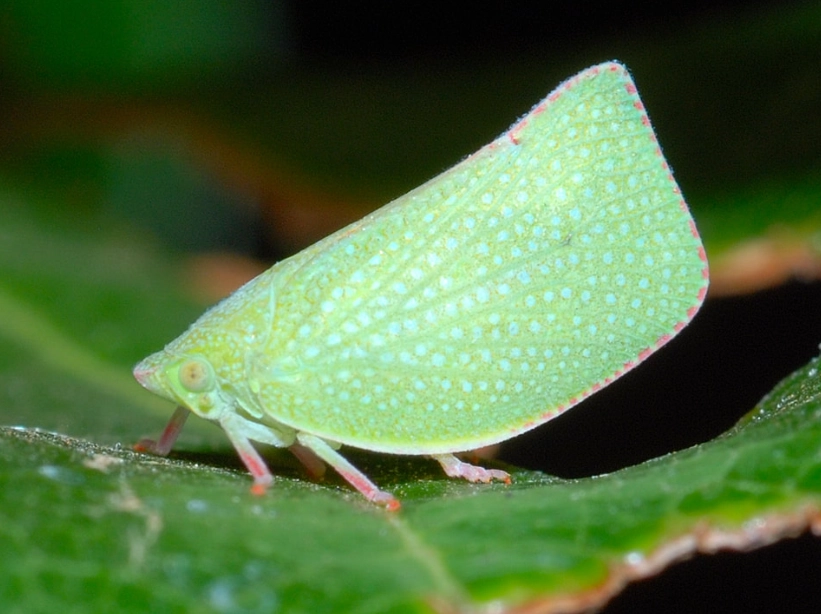
How to Identify Leafhopper Damage: Signs You Can't Miss
Leafhopper damage isn’t always obvious at first. Here’s what to watch for on your plants:
- Stippling: This is the most common sign—tiny white or yellow spots on leaves where the insects have fed. It looks like someone sprinkled salt on the foliage.
- Hopperburn: A yellowing or browning of leaf edges, caused by toxins in the leafhopper’s saliva. In severe cases, leaves curl and die.
- Stunted Growth: Plants may grow slowly or produce fewer flowers and fruits due to nutrient loss.
- Virus Symptoms: Some leafhoppers transmit diseases, leading to distorted growth or unusual patterns.
Last summer, I saw a rose bush with hopperburn so bad the owner almost ripped it out. But after controlling the leafhoppers, it recovered in weeks. The key is catching it early.
Effective Leafhopper Control Methods: From Natural to Chemical
Controlling leafhoppers isn’t about one magic solution—it’s about combining tactics. Here’s a breakdown of what works, based on my experience.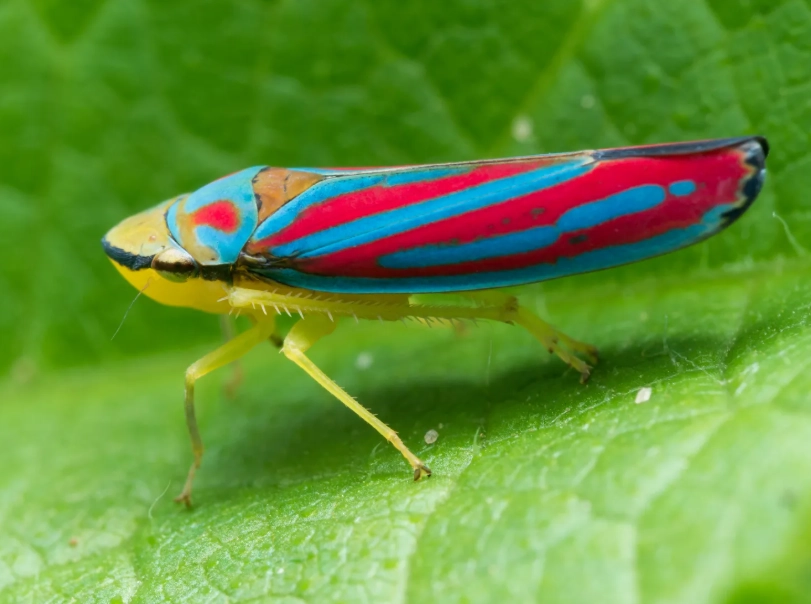
| Method | Pros | Cons | Best For |
|---|---|---|---|
| Insecticidal Soap | Organic, safe for beneficial insects, works on contact | Needs frequent application, can harm plants if misused | Light to moderate infestations |
| Neem Oil | Natural repellent, disrupts feeding and growth | Slow-acting, requires consistent use | Preventive care or early stages |
| Beneficial Insects | Long-term control, eco-friendly | Takes time to establish, may not work in all climates | Gardens with diverse plantings |
| Chemical Insecticides | Fast results, effective for severe outbreaks | Can harm pollinators, risk of resistance | Last resort for heavy damage |
Natural and Organic Approaches That Actually Work
If you prefer organic methods, start with insecticidal soap. Mix it according to the label and spray in the early morning to avoid sunburn on leaves. I’ve found that adding a bit of horticultural oil improves coverage.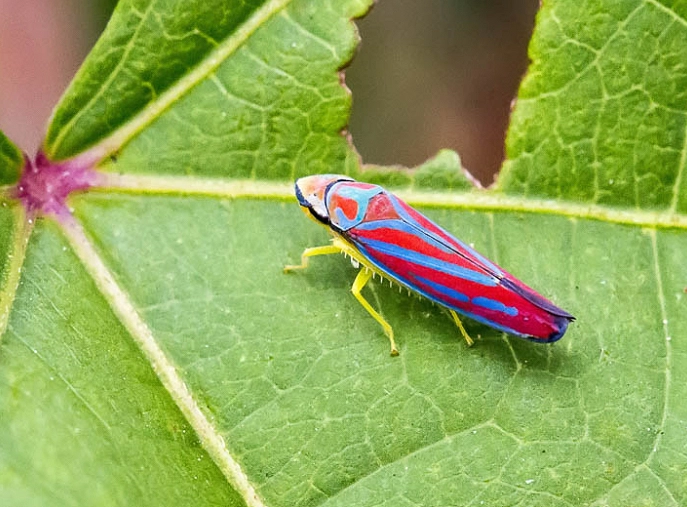
Encourage predators like ladybugs and lacewings by planting flowers like dill or yarrow. A client of mine reduced leafhopper numbers by 70% just by adding a small pollinator garden nearby.
One trick many guides don’t mention: avoid over-fertilizing. Leafhoppers love nitrogen-rich plants. I’ve seen gardens where excessive fertilizer led to explosive infestations.
When to Consider Chemical Control
For severe cases, products containing imidacloprid or pyrethroids can help. But use them sparingly. Always follow the label, and target applications to infested areas only. The University of California Statewide Integrated Pest Management Program has great resources on safe pesticide use—check their website for guidelines.
I once helped a vineyard manager switch from broad-spectrum sprays to targeted treatments, saving money and protecting bees. It’s all about precision.
Understanding the Leafhopper Life Cycle
Leafhoppers go through incomplete metamorphosis: egg, nymph, adult. Eggs are laid inside plant stems or leaves, making them hard to spot. Nymphs hatch and feed for a few weeks before becoming adults.
In warm climates, they can have multiple generations per year. That’s why control timing matters. Target nymphs in spring or early summer—they’re less mobile and easier to kill. I keep a garden journal to track when I first see them each year.
A common oversight is ignoring the egg stage. If you prune infested plants, dispose of the debris to break the cycle.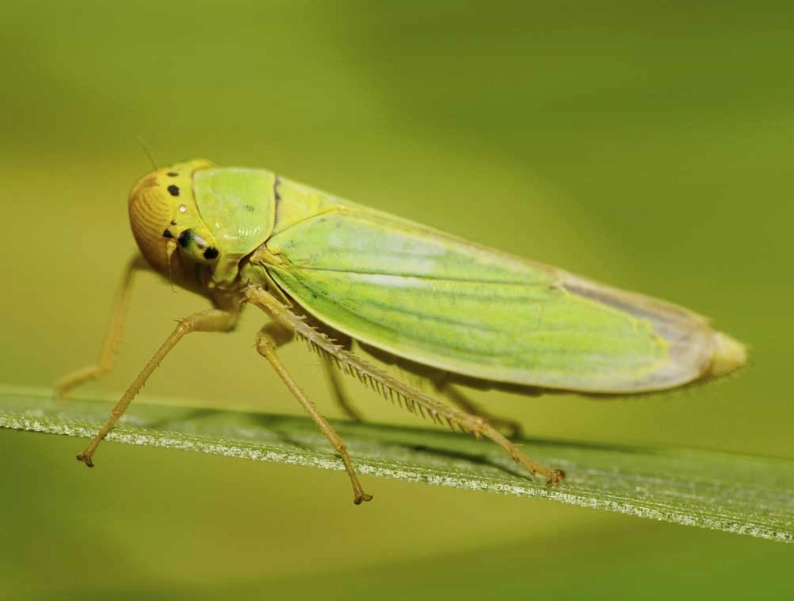
Common Mistakes in Leafhopper Management
Here are errors I see all the time, and how to avoid them:
- Spraying too late: Many gardeners wait until damage is severe. Start at the first sign of stippling.
- Using broad-spectrum insecticides indiscriminately: This kills beneficial insects and can cause leafhopper populations to rebound worse. I’ve witnessed this in community gardens where everyone sprayed, then faced a bigger problem next season.
- Neglecting garden hygiene: Leafhoppers overwinter in plant debris. Clean up fallen leaves and stems in fall.
- Misidentifying the pest: Confusing leafhoppers with thrips or spider mites leads to wrong treatments. Take a photo and compare online or ask an expert.
My own mistake early on was relying solely on neem oil without monitoring. It worked for a while, but the leafhoppers adapted. Now, I rotate methods and keep notes.