You plant the seeds. You water them. You watch the first green shoots push through the soil. Leaves form, buds appear, and then... flowers. Beautiful, hopeful flowers.
But then nothing happens. The flowers wither and fall, and no fruit forms. It's frustrating, isn't it? I've been there. My first vegetable garden was a disaster. Lots of flowers, zero cucumbers. I blamed the soil, the weather, even the seeds. But the real culprit was invisible: a lack of pollination.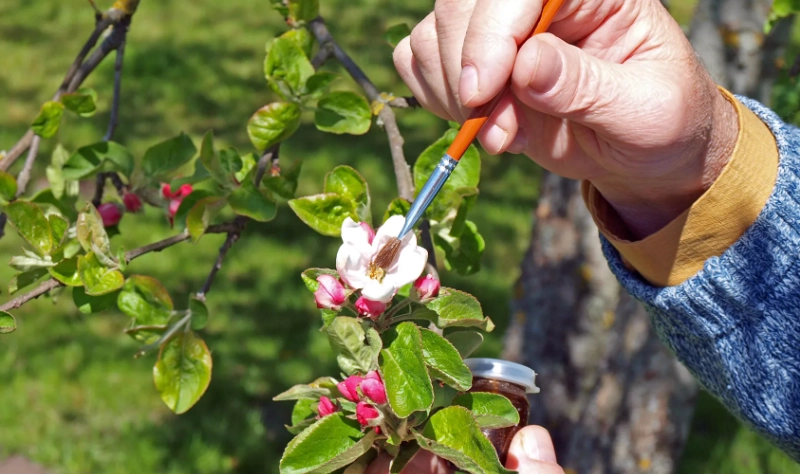
Understanding pollination changed everything for me. It's not just about bees and flowers; it's about the secret language of plants, the dance of insects, and the quiet miracle that turns a flower into an apple.
What You'll Find in This Guide
What Is Pollination? (It's Not What You Think)
Let's clear up a common misconception right away. Pollination is not fertilization. They're two separate steps.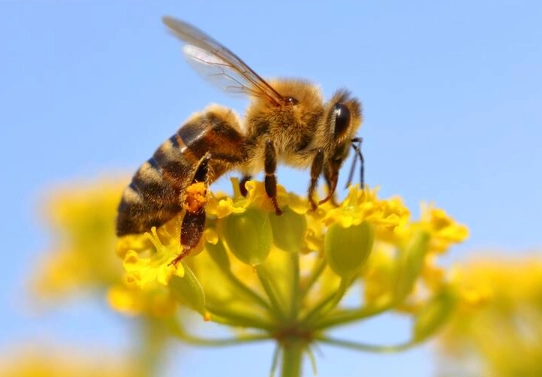
Pollination is simply the transfer of pollen from the male part of a flower (the anther) to the female part (the stigma). Think of it as the pollen grain taking a taxi ride. Fertilization is what happens after the pollen grain arrives at its destination: it grows a tube down to the ovary and delivers the sperm to fertilize the egg. Only then does fruit begin to form.
So, no pollination, no fertilization, no fruit. It's that simple.
The Two Main Types of Pollination
Plants have evolved different strategies to get their pollen from point A to point B.
1. Self-Pollination
Some plants are introverts. They can fertilize themselves with their own pollen. This is a reliable strategy, especially in environments where pollinators are scarce or conditions are harsh.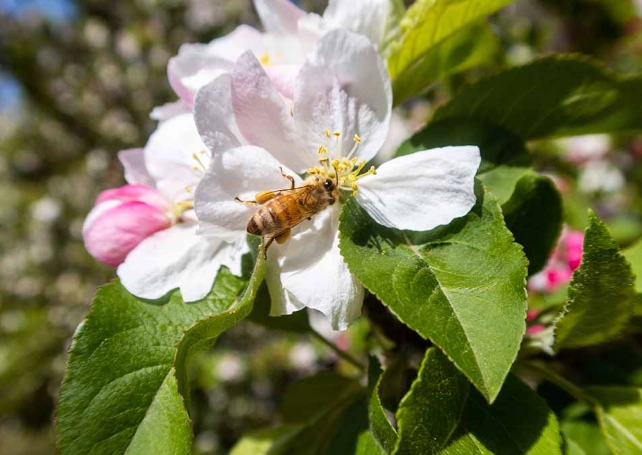
Common self-pollinating plants include tomatoes, peppers, beans, and peas. Their flowers are often designed to minimize cross-pollination. For example, tomato flowers enclose their reproductive parts tightly, and the pollen is released inside when the flower is shaken by wind or an insect.
Pro Tip: Even self-pollinating plants like tomatoes benefit from pollinators. Bumblebees perform "buzz pollination" on tomato flowers, shaking them much more effectively than wind ever could. This results in more uniform fruit set and larger yields.
2. Cross-Pollination
This is where things get interesting. Cross-pollination requires pollen from one flower to reach the stigma of another flower, often on a different plant. This genetic mixing creates offspring that are more diverse and potentially better adapted to changing environments.
But how does the pollen travel? Plants have enlisted various agents, or "vectors," to help.
Wind Pollination
Grasses, many trees (like oaks and birches), and cereal crops (wheat, corn) use wind. Their flowers are usually small, inconspicuous, and produce massive amounts of lightweight pollen. They don't need to attract insects.
Animal Pollination
This is the classic pollination story we all know. Flowers use color, scent, and nectar to attract animals like insects, birds, and bats. In return, these animals get food. It's a win-win.
But not all pollinators are created equal. Different flowers attract different visitors:
- Bees: The superstars of pollination. They visit flowers systematically to collect nectar and pollen for their young. Honeybees are generalists, but many native bees are specialists, only visiting certain types of flowers.
- Butterflies: They need a landing platform because they can't hover like bees. They prefer flat, clustered flowers like zinnias and milkweed.
- Moths: Many are nocturnal, so they're attracted to white or pale flowers that are fragrant at night, like evening primrose or moonflower.
- Flies: Some flies, like hoverflies, are important pollinators. They're often attracted to flowers that have a faint, unpleasant smell (mimicking rotting meat), like pawpaw or skunk cabbage.
- Birds: Hummingbirds are key pollinators in the Americas. They're attracted to red, tubular flowers with lots of nectar, like trumpet vine or bee balm.
The relationship between a flower and its pollinator can be incredibly specific. The long nectar spur of a certain orchid matches exactly the length of the tongue of a particular moth. This specialization ensures efficient pollen transfer but also makes the plant vulnerable if the pollinator disappears.
Building a Pollinator-Friendly Garden (Step by Step)
Want more cucumbers, squash, and berries? It's not about using more fertilizer. It's about inviting the right guests to your garden party. Here's how.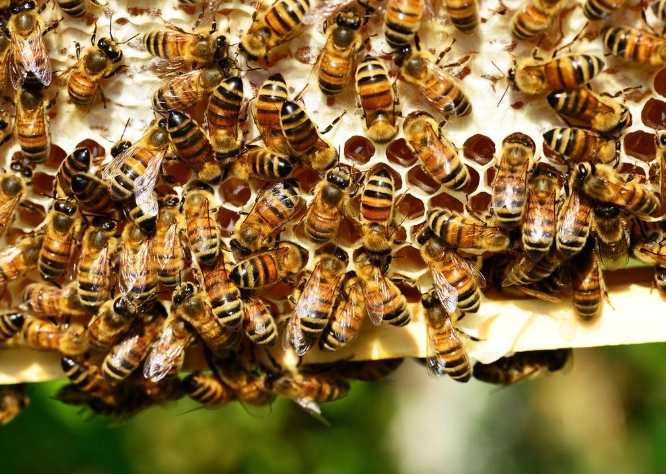
Step 1: Choose the Right Plants
Forget those overbred, double-flowered monstrosities you often see at garden centers. Their extra petals come at the cost of nectar and pollen. Pollinators can't access them.
Instead, opt for native plants and heirloom varieties with simple, open flowers. A mix of colors, shapes, and blooming times will cater to a wider range of pollinators. Don't just think about flowers; many trees and shrubs are excellent pollen sources early in the season when little else is blooming.
Here's a table of some pollinator-friendly plants to get you started:
| Plant | Pollinator Attracted | Notes |
|---|---|---|
| Lavender | Bees, butterflies | Loves sun, well-drained soil; great for borders |
| Sunflower | Bees, birds | Choose single-flowered varieties; birds love the seeds |
| Bee Balm | Hummingbirds, bees, butterflies | Bright red tubular flowers; can spread vigorously |
| Borage | Bees | Self-seeds easily; blue star-shaped flowers; edible |
| Milkweed | Monarch butterflies | Essential host plant for monarch caterpillars |
Step 2: Provide Water and Shelter
A shallow bird bath with some stones for landing can be a lifesaver for thirsty insects. Leave some bare ground for ground-nesting bees, and consider installing a bee hotel for solitary species.
Step 3: Avoid Pesticides
This is non-negotiable. Many pesticides, even those labeled "organic," can harm pollinators. Neem oil, for example, can be toxic to bees if not used carefully. Embrace a few chewed leaves; it's a sign your garden is alive.
Step 4: Plan for Continuous Bloom
Pollinators need food from early spring to late fall. Plant a succession of blooming plants so there's always something on offer.
When Nature Needs a Hand: How to Hand-Pollinate
Sometimes, despite your best efforts, pollination just doesn't happen. Maybe you're growing cucumbers on a high balcony with few bees, or it's been a rainy week when your squash flowers were open (bees don't fly in the rain). This is when hand-pollination can save your harvest.
It's surprisingly simple and oddly satisfying. Here's how to do it for common garden plants:
For Squash, Melons, and Cucumbers:
These plants have separate male and female flowers. The female flower has a tiny fruit (ovary) at its base.
- Identify a male flower (no ovary) and a female flower (with ovary).
- Pick the male flower and gently remove its petals.
- You'll now see the pollen-covered anther. Gently rub it onto the stigma in the center of the female flower.
One male can pollinate several females. Do this in the morning when flowers are fresh.
For Corn:
Corn is wind-pollinated, but in small gardens, pollen might not reach every silk.
- Wait until the tassels (male flowers) at the top are shedding pollen.
- Gently shake the plants to release pollen over the silks (female flowers) below.
For Fruit Trees:
If weather is poor during bloom, use a small, clean paintbrush to transfer pollen between flowers.