Mosquitoes can ruin a perfect evening on the patio. You know the drill: you slap on chemical spray, it smells awful, and you wonder what you're actually absorbing through your skin. What if your garden itself could help fight back? Using plants that repel mosquitoes is a brilliant, natural strategy. But here's the thing most articles won't tell you: just sticking a citronella plant in a pot and hoping for the best is like bringing a squirt gun to a forest fire. It's not wrong, but it's not nearly enough. I've seen it fail countless times. The real power comes from understanding how these plants work and setting up your green defense system correctly.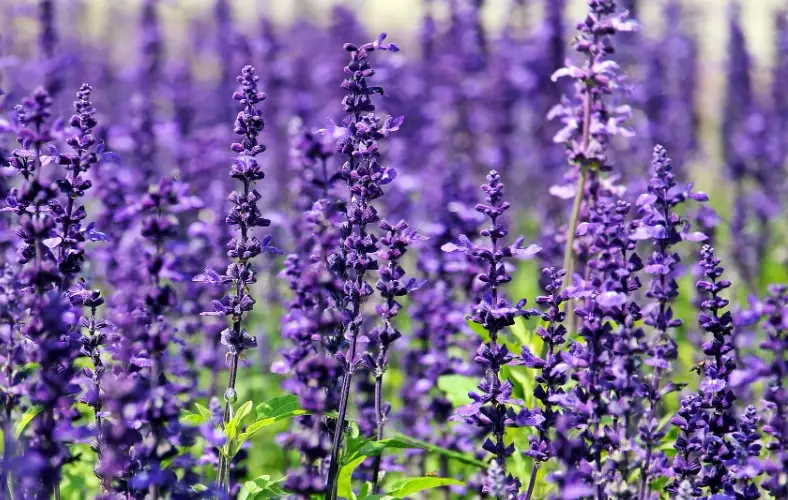
What You'll Find in This Guide
How Do Plants Actually Repel Mosquitoes?
It's not magic. These plants contain essential oils and compounds that mosquitoes find offensive. When the leaves are brushed, crushed, or warmed by the sun, they release these aromas into the air. For the mosquito, it's like walking into a room blasting heavy metal when you expected a quiet library—they get confused and often turn away.
The key compounds are things like citronellal, linalool, citral, and thymol. Research from institutions like Cornell University's Cooperative Extension supports the idea that certain plant aromas can disrupt mosquito host-finding behavior. But—and this is crucial—the plant has to release enough of the compound into the air around you. A plant sitting quietly in the corner isn't creating much of a barrier.
The Most Effective Mosquito Repellent Plants for Your Garden
Not all fragrant plants are created equal. Some are showy but weak, others are powerhouses that need specific conditions. This list is based on effectiveness, ease of growing, and how reliably they produce those key repellent oils.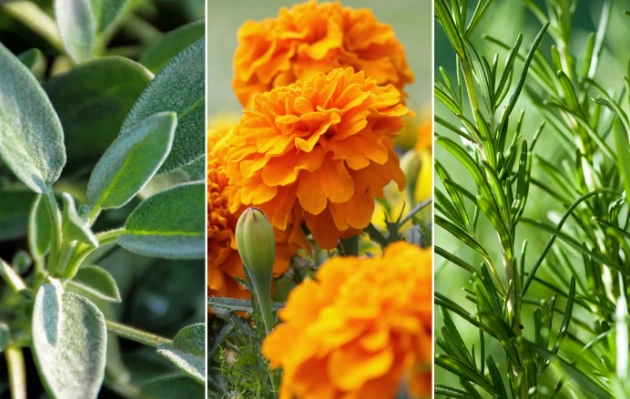
| Plant Name (Scientific) | Key Repellent Compound | Best For / Planting Tip | Important Note | Effectiveness Rating* |
|---|---|---|---|---|
| Citronella Grass (Cymbopogon nardus) | Citronellal | Large planters, garden borders. Needs full sun and space. | This is the source of commercial citronella oil. The "citronella plant" sold in pots (Pelargonium citrosum) is much less potent. | ★★★★★ |
| Lemon Balm (Melissa officinalis) | Citral | Containers (it's invasive!), near seating areas. Crush leaves. | Grows like crazy, even in partial shade. A handful of crushed leaves rubbed on skin gives 10-20 minutes of decent protection. | ★★★★☆ |
| Catnip (Nepeta cataria) | Nepetalactone | Sunny spots away from foot traffic (cats will roll in it). | Studies, including one cited by the U.S. Environmental Protection Agency, show it can be more effective than DEET in lab tests. The effect in the garden is more subtle. | ★★★★☆ |
| Lavender (Lavandula spp.) | Linalool | Hot, dry, sunny spots with excellent drainage. Perfect for pathways. | Beautiful and drought-tolerant. The scent we love, mosquitoes hate. Also deters moths and flies. | ★★★☆☆ |
| Marigolds (Tagetes spp.) | Pyrethrum | Edging vegetable gardens or in pots among patio furniture. | Their smell repels various pests. Some people find the odor unpleasant too—place them strategically. | ★★★☆☆ |
| Rosemary (Salvia rosmarinus) | Camphor, 1,8-Cineole | Herb gardens, topiaries, sunny containers. Can be pruned into shapes. | A woody herb that thrives on neglect. Throw some clippings on the barbecue—the smoke adds an extra repellent boost. | ★★★☆☆ |
| Basil (Ocimum basilicum) | Estragole | Pots on the picnic table. The closer to you, the better. | Lemon basil and cinnamon basil seem particularly effective. You get pesto and protection. | ★★☆☆☆ |
*Rating based on combined factors of oil potency, plant vigor, and area of effect. 5 stars is a top-tier, broad-area defender; 1 star is more of a personal, close-range option.
I made the mistake early on of buying the pretty "mosquito plant" (Pelargonium citrosum). It smelled lemony, but after a season of watching mosquitoes land on it, I realized it was mostly a marketing gimmick. Stick to the proven performers in the table above.
How to Plant and Care for Your Mosquito-Repelling Garden
This is where strategy beats random planting. Think of these plants as your army—you need to deploy them correctly.
Location is Everything: The Wind Matters
Plant your strongest defenders (like citronella grass, lemon balm) upwind of where you sit. If the prevailing breeze comes from the west, create a plant barrier on the western edge of your patio. The wind will carry the repellent oils across your sitting area. A downwind plant is almost useless for area protection.
Soil, Water, and Sun: Making Them Potent
A stressed plant doesn't produce abundant essential oils. Most of these plants need:
- Full Sun: 6+ hours for maximum oil production. Lavender and rosemary will get leggy and weak in shade.
- Good Drainage: Soggy roots kill fragrance. Add sand or grit to heavy soil.
- Moderate Fertility: Don't over-fertilize with high-nitrogen feeds. You'll get lots of soft, leafy growth with diluted oils. A balanced, slow-release fertilizer is best.
The Power of Combination Planting
Don't just plant one type. Layer them. Put low-growing thyme or oregano along a walkway, mid-height marigolds and basil in beds, and tall citronella grass or rosemary bushes in the background. This creates a multi-level aromatic barrier that's harder for mosquitoes to navigate.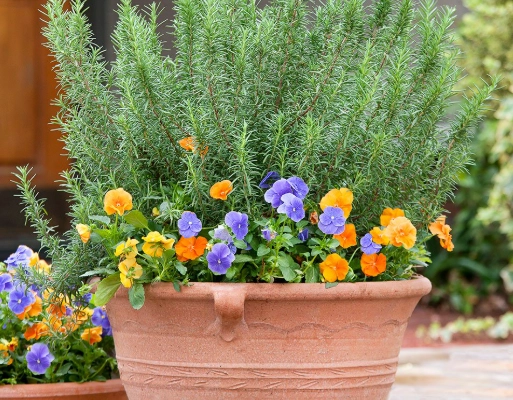
Common Pitfalls to Avoid (From Experience)
I've talked to dozens of gardeners who said "mosquito plants don't work." Digging deeper, they almost always made one of these mistakes.
The "More is Better" Fallacy
One marigold won't protect your whole yard. You need mass and density. A single plant in a 10-inch pot is a good start for a small balcony, but for a deck or patio, think in terms of groups of 3-5 of the same plant, or several large containers with mixed repellent varieties.
Ignoring Maintenance
A leggy, flowering lavender that hasn't been pruned is past its peak oil production. Regular harvesting and pruning (for herbs like basil, mint, lemon balm) or deadheading (for marigolds) encourages fresh, fragrant new growth. Letting plants go to seed often reduces oil concentration.
Relying Solely on Plants
This is the biggest one. Plants are a fantastic component of integrated pest management. They are not a 100% force field. You must also:
- Eliminate standing water (the #1 mosquito breeding site).
- Use fans on your patio (mosquitoes are weak fliers).
- Employ physical barriers like screens.
Your plants work best alongside these other tactics.
Putting It All Together: Design Scenarios
Let's get specific. Here’s how you might arrange things for two common situations.
Scenario 1: The Small Apartment Balcony.
Wind usually comes from one direction. Place a large, deep planter on the upwind side. Plant it with a centerpiece of citronella grass, surrounded by 2-3 lemon basil plants and a few trailing stems of creeping thyme over the edge. On your table, keep a small pot of lemon balm or mint you can crush a leaf from for your ankles. Add a small oscillating fan.
Scenario 2: A Backyard Patio for Entertaining.
Create a perimeter. Along the upwind fence, plant a row of lavender or rosemary bushes. In large pots flanking the seating area, grow citronella grass and marigolds. Plant catnip in its own container in a sunny corner away from where people (and cats) will trample it. As the sun sets, have a bucket of herb clippings (rosemary, sage) ready to toss on the grill or fire pit for repellent smoke.
See the difference? It's targeted, layered, and realistic.
Your Questions, Answered
Building a garden that fights mosquitoes is a rewarding project. It's about working with nature, not just spraying against it. Start with a couple of pots of lemon balm and rosemary. Notice the difference when you brush past them. Then expand your green barrier season by season. You'll get a more enjoyable outdoor space, and the mosquitoes will get a clear message to bother someone else.