You've probably heard of diatomaceous earth. That fine, white powder your gardening friend swears by, or the stuff you see recommended for bed bugs and fleas. It feels like chalk, looks like talc, and comes with a ton of hype. But here's the thing most articles won't tell you: most people use it incorrectly, get frustrated when it doesn't work instantly, and then give up. I've been using food grade diatomaceous earth for over a decade, in gardens, chicken coops, and old apartments. I've seen its brilliant successes and its total failures. This isn't just a list of uses. It's a reality check on how this ancient fossil powder actually works, where it shines, where it flops, and how to apply it so you're not just wasting your time and money.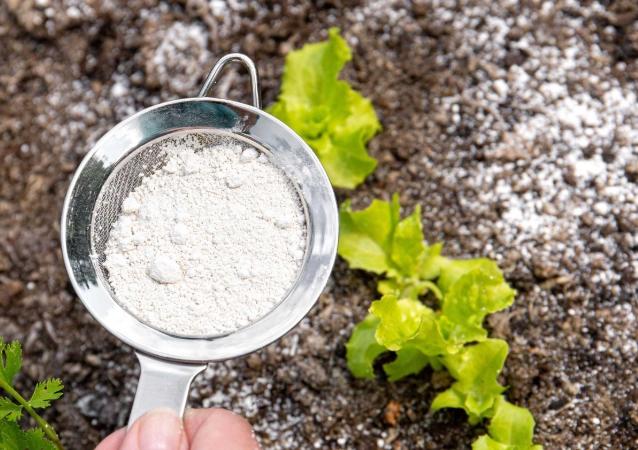
What's in This Guide?
How Diatomaceous Earth Actually Kills Bugs (The Science)
Let's cut through the marketing. Diatomaceous earth isn't a poison. It's fossilized remains of tiny, hard-shelled algae called diatoms. Under a microscope, it looks like broken glass shards or jagged honeycombs. This structure is the key.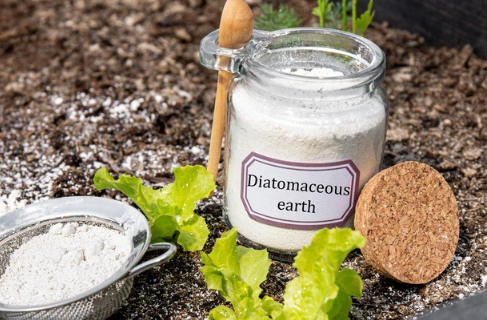
When an insect with an exoskeleton (think ants, cockroaches, bed bugs, fleas) crawls through diatomaceous earth, those microscopic sharp edges scratch up their waxy outer coating. This coating is crucial—it keeps water inside their bodies. Once the coating is damaged, the insect literally dehydrates and dies. It's a physical, mechanical kill. That's why it's considered "natural" and why pests don't develop resistance to it. You can't build immunity to getting cut by glass.
This mode of action explains its strengths and its huge limitations. It works on anything with that chitinous exoskeleton. It does not work on worms, slugs, or other soft-bodied creatures in the same way (though it can irritate them). And because it's physical, it needs to stay dry to work. Water turns it into mud, rendering it harmless.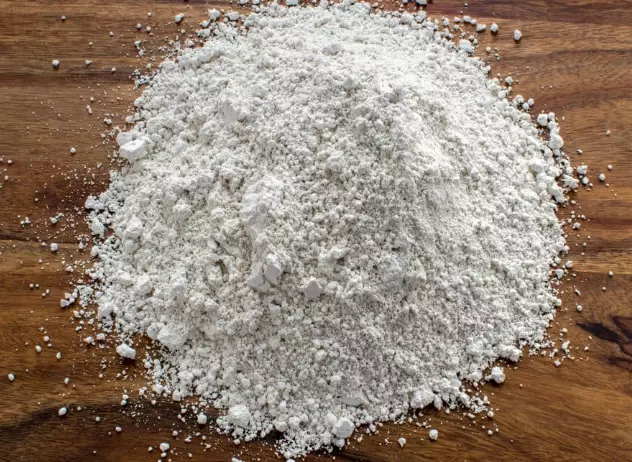
Food Grade vs. Pool Grade: The Critical Safety Difference
This is the single most important thing you need to know before buying a bag. They are not the same.
| Feature | Food Grade Diatomaceous Earth | Pool Grade Diatomaceous Earth |
|---|---|---|
| Composition | Amorphous Silica | Crystalline Silica |
| Processing | Milled, not heated to extreme temps. | Calcined (heated to high temperatures). |
| Primary Use | Insecticide, animal feed additive, filtration for food/drink. | Filtration for swimming pools. |
| Safety for Humans/Pets | Generally Recognized As Safe (GRAS) by the FDA when food-grade. Can be inhaled as dust irritant, but not a chronic lung hazard. | DANGER. Crystalline silica is a known respiratory hazard (silicosis). Never use indoors or around living things. |
| What to Look For | Bag MUST say "Food Grade." Often states purity (e.g., 100% Diatomaceous Earth). | Bag will say "Pool Filter" or "Filter Aid." |
I once helped a friend who was complaining her DE wasn't working and made her cough. Turns out she'd grabbed a bag from her dad's pool supplies. We stopped immediately. For any pest control, gardening, or pet-related use, you must use Food Grade. No exceptions.
Where to Use Diatomaceous Earth: A Room-by-Room & Garden Guide
DE isn't a magic sprinkle-you-forget-it solution. Strategic placement is everything. Here’s where it delivers real results.
In the Garden & Yard
This is where I use it most. It's brilliant for creating protective barriers.
- Ant Trails: Find where they're entering. A light dusting across the path forms a wall they won't cross.
- Soft-Bodied Pests: Dust the undersides of leaves and around plant stems to deter aphids, mites, thrips, and even squash bugs. It's less effective on large beetles, but it can help.
- Slug & Snail Barrier: This is a classic. Create a 1-inch wide, continuous ring of DE around prized hostas or lettuce. It feels like crushed glass to their bodies, so they turn around. Proviso: It washes away with rain, so reapply after a storm.
- Chicken Coops & Livestock: A light dusting in nesting boxes and on the coop floor helps control mites and lice on chickens. You can even add a small percentage to their feed as a natural dewormer (consult a vet first).
Inside the House
Indoors, think stealth and precision. You're not carpet-bombing the living room.
- Perimeter Defense: A thin, barely visible line along baseboards, behind appliances (fridge, stove), and under sinks. This intercepts crawling insects like cockroaches, silverfish, and ants.
- Bed Bug Supplement: DE alone won't solve a bad infestation, but it's a great tool. Lightly dust it into cracks in bed frames, along mattress seams (vacuum it off before sleeping), and behind outlet covers. It can catch bugs moving between hiding spots.
- Flea Treatment for Carpets: After vacuuming thoroughly, dust a fine layer of DE into the carpet. Work it in with a broom, let it sit for 2-3 days, then vacuum thoroughly. It dehydrates flea larvae and adults in the carpet fibers.
- Pantry Protection: A light dusting on the shelves (under the paper liner) can help deter grain weevils and pantry moths. Ensure it's food-grade and keep it away from direct food contact.
How to Apply Diatomaceous Earth Safely and Effectively
The right tools make all the difference. Dumping it from the bag creates a huge, hazardous dust cloud.
Essential Tools:
- Duster (Bulb or Puffer): This is #1. A simple bulb duster (like for flour) lets you apply a fine, controlled layer exactly where you want it—into cracks, along edges, under leaves.
- Face Mask (N95/P2): Any fine powder is a lung irritant. When applying in an enclosed space or creating dust, wear a mask. It's just common sense.
- Safety Glasses: Keep it out of your eyes.
The Application Mantra: Thin, Dry, and Strategic.
You should barely see it. If you have piles of white powder, you've used too much and created an unnecessary hazard. The goal is a fine film that insects must crawl through. Reapply after rain outdoors, or if it gets wet or is vacuumed up indoors.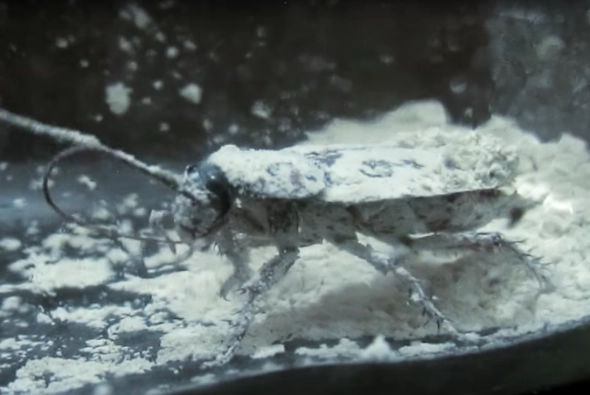
3 Common Mistakes That Make DE Useless
I've made these myself early on. Avoid them.
1. Applying It Wet or in Humid Areas. This is the #1 failure. Mixing DE with water to spray it seems logical, but it instantly becomes inert paste. The same goes for a damp basement or right after watering the garden. It must be dry to cut and dry out bugs.
2. Expecting Instant Death. DE isn't neurotoxin. It takes time. An ant walks through it, gets the powder on its joints, goes back to the nest, and dies in 24-48 hours. You're breaking the cycle, not causing an immediate massacre. Patience is required.
3. Using It as the Only Solution for Severe Infestations. For a massive German cockroach colony or a full-blown bed bug infestation, DE is a supporting player, not the lead actor. Combine it with other methods like baits (for roaches), thorough cleaning, and professional heat treatments (for bed bugs). It's best for prevention and light-to-moderate problems.
Your Questions, Answered
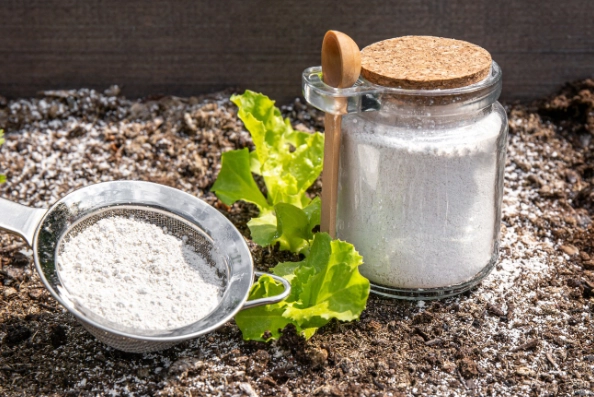
Diatomaceous earth is a powerful tool, but it's not a fairy dust. It has a specific job and specific rules. Get the right kind (food grade), apply it thin and dry in the right places, and manage your expectations. Used wisely, it's one of the most effective, non-toxic, and versatile products in your home and garden arsenal. It won't solve every pest problem under the sun, but for the ones it does, it works in a way that nothing else can.