You’ve seen the ants marching across the kitchen counter. You’ve found the mouse droppings in the pantry. Your beautiful kale seedlings are suddenly lacework, courtesy of unseen nibblers. The immediate reaction is to grab a spray or a trap. But what if you could stop the problem before it even starts? That’s the promise of physical pest barriers. This isn't about killing pests after they invade; it's about building a fortress they can't penetrate in the first place. It's safer, often cheaper in the long run, and it works while you sleep. Let's break down exactly how to do it.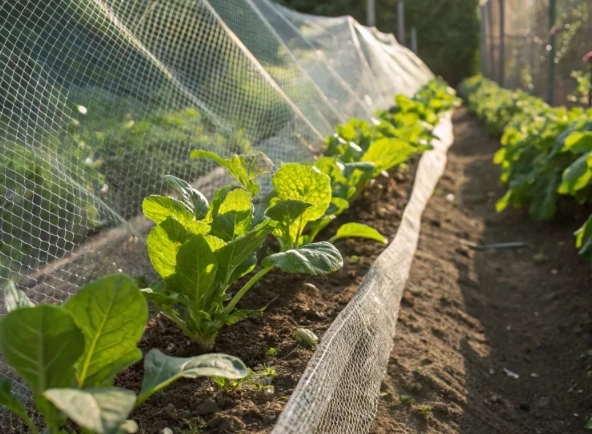
What’s Inside This Guide?
- What Are Physical Pest Barriers and How Do They Work?
- The 4 Main Types of Physical Pest Barriers (And When to Use Each)
- How to Install Physical Pest Barriers: A Step-by-Step Guide
- Common Mistakes to Avoid with Physical Pest Barriers
- Physical Barriers vs. Chemical Pesticides: Why Go Physical?
- Your Top Physical Barrier Questions Answered
What Are Physical Pest Barriers and How Do They Work?
Think of a physical pest barrier as a wall, a fence, or a seal. Its job is simple: create an impenetrable obstacle between a pest and the thing it wants (your home, your food, your plants). The U.S. Environmental Protection Agency (EPA) lists exclusion—the technical term for this—as the first line of defense in integrated pest management.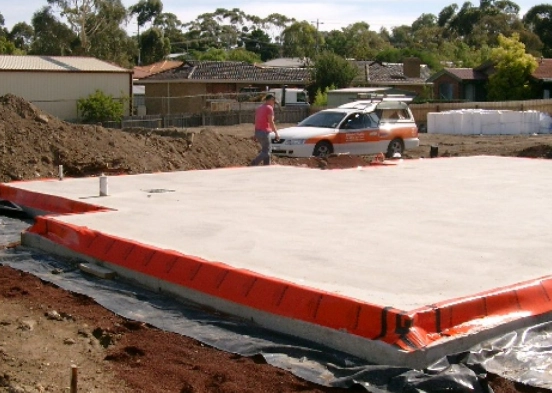
It works because it targets the pest's behavior, not its biology. A mouse needs a hole the size of a dime. A mosquito needs a tear in your screen. A cabbage worm butterfly needs to land on your broccoli. Block that access, and you've solved the problem without a single toxic chemical entering the environment.
The beauty is in the permanence. While a spray wears off, a well-installed barrier lasts for years with minimal maintenance. It’s a proactive, not reactive, approach to pest control.
Key Principle: Physical barriers are most effective when you understand the specific pest you're dealing with. The barrier for a rat (which can gnaw through soft materials) is different from one for a fruit fly (which needs the tiniest of openings). Always identify your enemy first.
The 4 Main Types of Physical Pest Barriers (And When to Use Each)
Not all barriers are created equal. Using the wrong one is like using a screen door to stop a raccoon—pointless and frustrating. Here’s a breakdown of the major categories.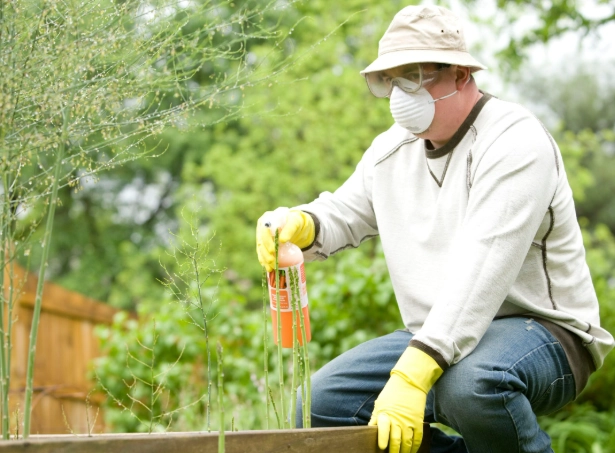
| Barrier Type | Best For Pests Like... | Primary Use Location | Key Materials | Approx. Cost & Effort |
|---|---|---|---|---|
| Exclusion & Sealing | Rodents (mice, rats), ants, spiders, cockroaches, bats. | Home exterior: foundation, roofline, around pipes, doors, windows. | Copper mesh, steel wool, silicone/polyurethane caulk, foam sealant, door sweeps, weather stripping. | Low to Medium ($50-$200). DIY-friendly but detail-oriented. |
| Screening & Netting | Flying insects (mosquitoes, flies, moths), birds, larger animals. | Windows, doors, vents, garden beds, fruit trees, ponds. | Fiberglass/ aluminum window screen, insect mesh, bird netting, hardware cloth (wire mesh). | Low to High ($20-$500). Simple screens are easy; large garden setups require more work. |
| Fencing & Underground Barriers | Burrowing animals (gophers, moles, voles), rabbits, deer, dogs. | Garden perimeters, under raised beds, around compost bins. | Galvanized hardware cloth (1/4" for rodents), welded wire fencing, metal flashing buried 12-24 inches deep. | Medium to High ($100-$1000+). Labor-intensive but incredibly durable. |
| Row Covers & Plant Cloches | Flying insect larvae (cabbage worms, squash bugs), birds, light frost. | Directly over vegetable seedlings and plants in gardens. | Floating row cover fabric (agribon), plastic cloches, wire hoops. | Very Low ($15-$100). The easiest and fastest barrier to deploy. |
Let’s get specific. For exclusion, the gold standard combo is copper mesh stuffed deep into a gap, topped with a sealant. Rodents hate chewing copper, and the sealant makes it weatherproof. I learned this the hard way after a family of ants marched right over my first, poorly applied attempt.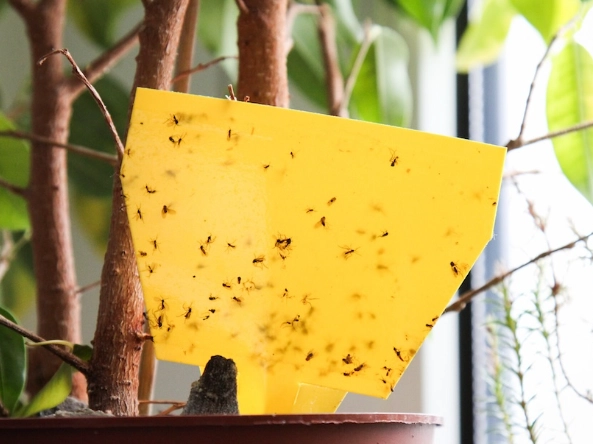
For screening, mesh size is everything. Standard window screen (18x16 mesh) stops mosquitoes but not "no-see-ums" (biting midges). For them, you need a finer 20x20 or higher mesh screen. And that bird netting over your blueberries? Make sure the holes are 1/2 inch or less, or the birds will get tangled—a horrible outcome for them and you.
The Underground Battle: Stopping Gophers and Moles
This is where most gardeners throw up their hands. You can't seal the earth, right? Actually, you can. The most effective method is to line the entire bottom and sides of a raised bed with 1/4-inch hardware cloth before filling it with soil. For in-ground beds, you trench around the perimeter and bury hardware cloth or welded wire at least 2 feet down, with a foot bent outward at the bottom to form an "L" shape. It's a weekend of brutal work, but it gives you peace of mind for a decade. I did this five years ago for my carrot patch, and not a single gopher has breached the wire fortress.
How to Install Physical Pest Barriers: A Step-by-Step Guide
Let’s walk through a real-world scenario: securing a suburban home from mice and insects, and protecting a backyard vegetable garden.
Phase 1: The Home Perimeter Audit and Seal
You need to think like a mouse. Do this during the day with a flashlight.
- Tools: Flashlight, caulking gun, silicone/latex caulk, expanding foam for large gaps, copper mesh rolls, steel wool, door sweeps, weather stripping, ladder.
- Step 1: Inspect the foundation from the outside. Look for cracks, gaps where pipes or cables enter, and openings around basement window wells. Any hole bigger than 1/4 inch is a potential mouse highway.
- Step 2: Check all door frames. Can you see daylight under the door? That's an invitation. Install a sturdy door sweep.
- Step 3: Examine window screens. Repair any tears immediately with a patch kit.
- Step 4: Go into the attic and look for light coming from the eaves or roof vents. These are major entry points for squirrels, bats, and insects. Seal with hardware cloth or specific vent covers.
- Step 5: The garage door is the weakest link. Ensure the bottom seal is intact and that there are no gaps where the vertical tracks meet the floor.
Phase 2: Building a Protected Garden Bed
Let’s say you want a 4x8 foot raised bed for lettuce and brassicas (cabbage, broccoli).
- Tools: 1/4" hardware cloth, wire cutters, staple gun (with outdoor staples), lumber for bed frame, soil.
- Step 1: Build or place your raised bed frame.
- Step 2: Cut hardware cloth to fit the bottom of the bed, with extra to go a few inches up the sides.
- Step 3: Staple the hardware cloth securely to the bottom interior of the frame. Overlap pieces if needed.
- Step 4: Add soil. For extra protection from cabbage moths, have wire hoops and floating row cover fabric ready to drape over the bed once seeds are planted.
A critical note on expanding foam: Mice and rats can and will chew through expanding foam alone. It's not a barrier; it's a filler. Always pack a gap with copper mesh or steel wool first, then use foam or caulk over it to seal out weather. The metal is the real barrier.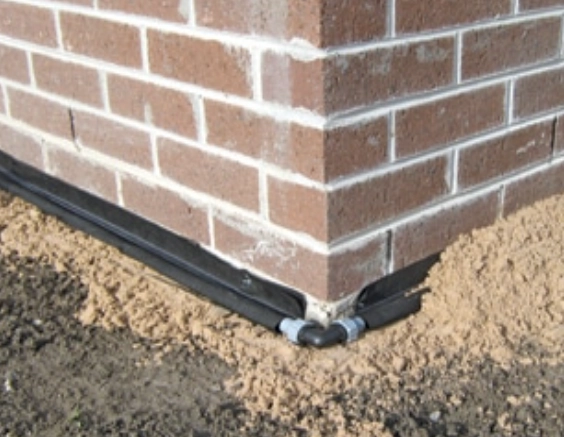
Common Mistakes to Avoid with Physical Pest Barriers
After helping dozens of neighbors with their projects, I see the same errors repeatedly. Avoiding these will save you time and frustration.
1. Ignoring the Roof Line. Everyone looks down. Pests look up. Gaps in soffits, loose roof vents, and spaces where the chimney meets the roof are superhighways for squirrels, raccoons, and wasps. Get a binoculars and inspect your roofline from a distance.
2. Using the Wrong Mesh or Screen Size. Putting up standard window screen to keep out thrips or aphids is useless—they fly right through. For fine insects in a greenhouse or on a patio, you need a specific "insect screen" with a much tighter weave.
3. Partial Sealing. You sealed 95% of the gaps in your foundation. That remaining 5% is where every pest on the block will queue up. Thoroughness is non-negotiable. The University of California’s Integrated Pest Management program stresses that exclusion must be complete to be effective.
4. Forgetting About Maintenance. Caulk dries and cracks. Weather stripping compresses. Screens get damaged. A physical barrier system needs a quick check-up twice a year, in spring and fall. Walk the perimeter and fix what’s broken.
Physical Barriers vs. Chemical Pesticides: Why Go Physical?
Let’s be clear: I’m not saying there’s never a place for targeted pesticide use in severe infestations. But as a first and primary strategy, physical barriers win on almost every front.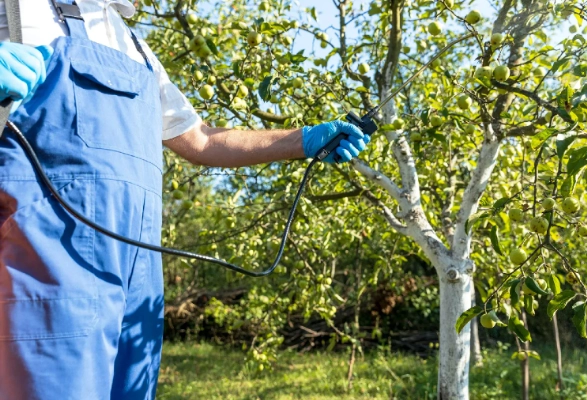
| Aspect | Physical Barriers | Chemical Pesticides |
|---|---|---|
| Long-Term Cost | Higher initial cost, but lasts for years with minor upkeep. | Recurring cost for repeated applications. |
| Safety | Non-toxic. Safe for kids, pets, and pollinators. | Risk of exposure, drift, and harming beneficial insects. |
| Environmental Impact | Minimal to none. No runoff or soil contamination. | Can contaminate water and soil, affecting wider ecosystems. |
| Pest Resistance | Pests cannot develop resistance to a physical wall. | Pests frequently evolve resistance, requiring stronger chemicals. |
| Scope of Protection | Prevents all pests of a certain size from entering. | Usually targets a specific pest or class, leaving others unaffected. |
The biggest advantage? Peace of mind. Knowing your home is sealed, your garden is protected from the ground up, and you’re not relying on poisons that need constant reapplication. It’s a quieter, more permanent kind of control.
Your Top Physical Barrier Questions Answered
How do I stop mice from getting in through my garage door?
What's the best physical barrier to protect vegetable seedlings from birds and insects?
Can I use physical barriers for ants, or are they useless against such small pests?
Is installing physical barriers a one-time job, or does it need maintenance?
The journey to a pest-free space isn't about declaring war with chemicals. It's about smarter architecture. It's about building them out. Start with a thorough inspection this weekend. Pick one project—sealing the foundation or building a protected raised bed. You’ll be amazed at how effective a simple, physical block can be. It’s control you can see and touch, and it works quietly, 24 hours a day.