What You'll Learn in This Guide
Let's cut to the chase. If you're dealing with powdery mildew on your squash or black spots on roses, you might be tempted to grab a chemical spray. But what if I told you there's a safer, often cheaper way? Organic fungicides. I've been gardening for over a decade, and I've seen too many folks mess this up by over-applying baking soda or using the wrong recipe at the wrong time. This guide will walk you through everything—from what organic fungicides really are to how to mix your own, with some hard-earned lessons I learned the hard way.
What Are Organic Fungicides and Why Should You Care?
Organic fungicides are natural substances used to prevent or control fungal diseases in plants. Unlike synthetic chemicals, they're derived from plants, minerals, or microbes, and they break down faster in the environment. Think of them as your garden's immune boosters rather than harsh antibiotics.
Why bother? For starters, they're safer for you, your pets, and beneficial insects like bees. The University of California's Integrated Pest Management Program highlights that organic options can reduce chemical runoff and soil contamination. Plus, they often cost pennies compared to store-bought products.
Organic vs. Chemical Fungicides: The Real Differences
It's not just about being "natural." Organic fungicides work differently. They might smother spores, disrupt fungal cell walls, or boost plant defenses. Chemical ones often target specific enzymes, which can lead to resistance over time. I remember a neighbor who sprayed copper fungicide weekly—his tomatoes developed resistant strains, and the problem got worse. Organic methods require more finesse, but they're sustainable.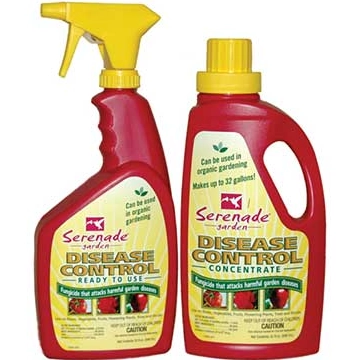
Key takeaway: Organic fungicides are about prevention and balance, not a quick fix. If you're looking for a one-spray solution, you might be disappointed. But if you want long-term garden health, they're worth the effort.
DIY Organic Fungicide Recipes You Can Make at Home
You don't need fancy products. Here are three recipes I've tested in my own garden. Each has its quirks, so pay attention to the details.
Recipe 1: Baking Soda Spray – The Classic with a Twist
Everyone knows baking soda, but most people use it wrong. The standard mix is 1 tablespoon baking soda, 1 teaspoon mild liquid soap (like Castile), and 1 gallon of water. Shake well and spray on leaves. It works against powdery mildew by altering surface pH.
But here's the catch: overuse can burn plant leaves or build up sodium in soil. I learned this after my zucchini leaves turned yellow. Limit applications to once every two weeks, and always test on a small area first. Also, use potassium bicarbonate if you can—it's gentler and more effective, though pricier.
Recipe 2: Milk Solution – Surprisingly Effective for Mildew
This one sounds weird, but it works. Mix 1 part milk (whole or skim) with 2 parts water. Spray it on plants like cucumbers or roses. The proteins in milk act as an antifungal, and research from the Australian Department of Agriculture shows it can reduce mildew by up to 90%.
Timing matters. Apply in the morning so the sun can help it dry, and avoid hot afternoons to prevent sour smells. I use it every 10 days during humid seasons, and it's kept my pumpkins disease-free for years.
Recipe 3: Garlic and Chili Pepper Extract – The Heavy Hitter
For tougher issues like early blight, try this. Blend 2 garlic bulbs and 5 hot peppers with 1 quart of water. Let it steep overnight, strain, and add a few drops of soap. Dilute with more water if needed. The sulfur compounds in garlic and capsaicin in peppers disrupt fungal growth.
Warning: it can irritate your skin and eyes. Wear gloves, and don't spray on windy days. I once got a splash in my eye—not fun. Also, it might harm beneficial insects, so use sparingly and only when you see early signs of disease.
| Recipe | Best For | Frequency | Common Pitfall |
|---|---|---|---|
| Baking Soda Spray | Powdery mildew, black spot | Every 2 weeks | Leaf burn from overuse |
| Milk Solution | Powdery mildew, rust | Every 10 days | Sour smell if applied late |
| Garlic/Pepper Extract | Early blight, anthracnose | As needed (spot treat) | Harm to beneficial insects |
How to Use Organic Fungicides Correctly: A Step-by-Step Approach
Mixing the recipe is half the battle. Applying it right makes all the difference.
Step 1: Identify the Disease Accurately
Don't guess. Misdiagnosis leads to wasted effort. Powdery mildew looks like white powder, while downy mildew has yellow spots underneath leaves. Use resources like the USDA's plant disease database or local extension services to confirm. I once treated a nutrient deficiency as a fungus—my plants didn't improve until I fixed the soil.
Step 2: Choose the Right Time and Method
Apply early in the morning when leaves are dry. This gives the solution time to work before heat or rain washes it off. Use a spray bottle with a fine mist to coat both sides of leaves. Avoid drenching the soil; focus on affected areas. For preventive care, spray every 7-14 days during high-risk periods like spring rains.
Rotate your fungicides. Using the same one repeatedly can lead to adaptation. I alternate between baking soda and milk sprays to keep fungi guessing.
Common Mistakes and Expert Tips from a Seasoned Gardener
After years of trial and error, here's what most beginners get wrong—and how to avoid it.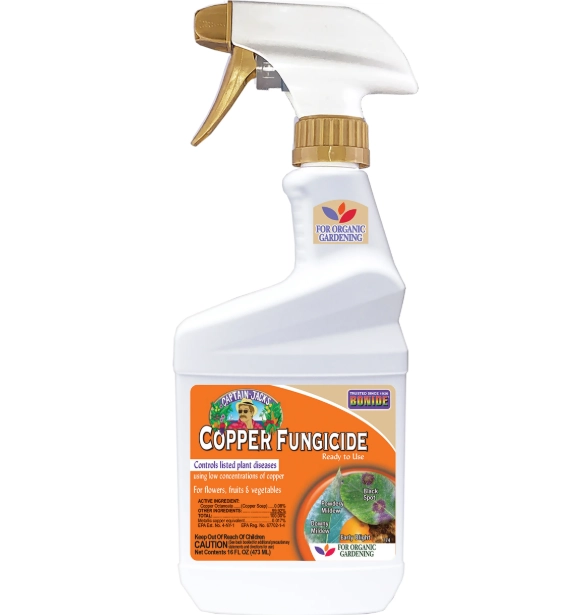
Mistake 1: Over-application. More isn't better. Organic fungicides work best as thin coats. Heavy spraying can clog leaf pores or cause phytotoxicity. I see this with neem oil; people drown their plants, then wonder why leaves drop.
Mistake 2: Ignoring soil health. Fungal diseases often stem from poor conditions. Improve drainage, add compost, and ensure proper spacing for air circulation. The Royal Horticultural Society notes that healthy soil reduces disease pressure by up to 60%. I fixed my tomato blight issues not by spraying more, but by mulching and rotating crops.
Expert tip: Combine organic fungicides with cultural practices. Remove infected leaves promptly, water at the base to keep foliage dry, and choose disease-resistant plant varieties. It's a holistic game.
Limitations of Organic Fungicides and When to Seek Help
Organic fungicides aren't magic bullets. They're less potent than synthetics, so they might not control severe infections. If you've got a full-blown case of fusarium wilt or late blight, you might need to intervene with stronger options or remove plants to prevent spread.
When to call it quits? If after 2-3 applications over two weeks, the disease spreads rapidly, consider integrated approaches. Consult local nurseries or extension agents—they can recommend OMRI-listed products or biological controls like Bacillus subtilis. I had to do this for a rose mosaic virus; organic sprays slowed it, but pruning and soil amendments were key.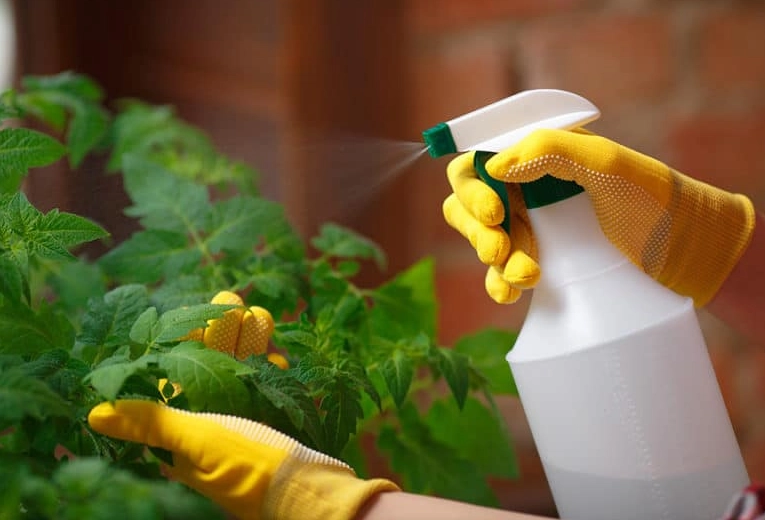
Your Organic Fungicide Questions Answered
Wrapping up, organic fungicides are a tool, not a cure-all. They demand attention to detail—from mixing to application—but the payoff is a resilient, eco-friendly garden. Start small, observe your plants, and don't be afraid to adapt. Got more questions? Drop a comment below, and I'll share from my own mishaps and wins.