Let's be honest. Most of us hear "sustainable agriculture" and think, "Great, we're just trying not to make things worse." But what if farming could actively make things better? That's the core promise of regenerative agriculture. It's not about maintaining a degraded status quo; it's a set of practices designed to rebuild soil organic matter, restore degraded soil biodiversity, and improve the water cycle. The kicker? When done right, it often leads to more resilient farms and better profitability. I've watched too many farmers get bogged down in theory. This guide cuts to the chase with the practical steps you can actually use.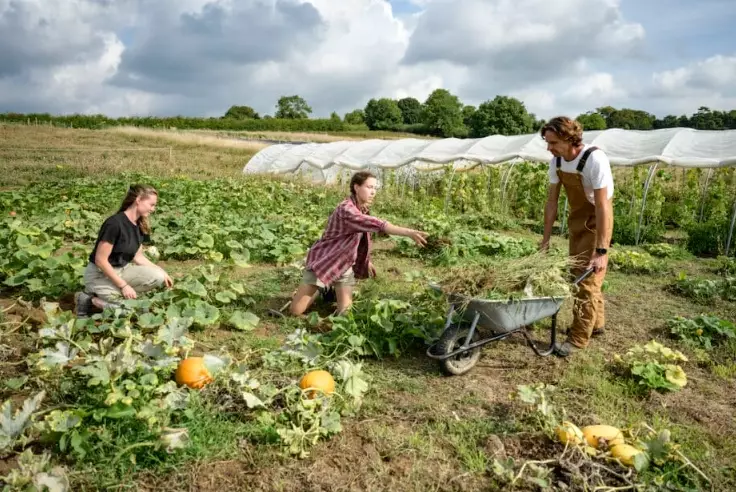
What’s Inside This Guide
- What Regenerative Agriculture Actually Means (Beyond the Hype)
- The 5 Non-Negotiable Principles of Regenerative Farming
- How to Start Your Regenerative Transition: A Step-by-Step Plan
- The Real Costs & Long-Term Financial Benefits
- Common Mistakes & Expert Insights You Won't Find Elsewhere
- Your Burning Questions, Answered
What Regenerative Agriculture Actually Means (Beyond the Hype)
Forget the fluffy marketing. At its heart, regenerative agriculture is a soil-first approach. It views the farm as an ecosystem, not a factory. The primary metric of success isn't just yield per acre, but the health of the land beneath your feet.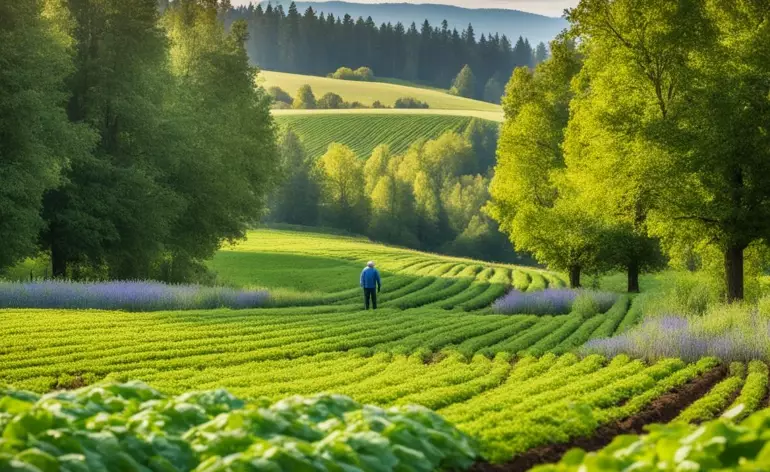
I remember talking to a conventional corn and soybean farmer in Iowa a few years back. He was skeptical. "Sounds expensive and slow," he said. But after a severe drought year, his neighbor's regenerative fields, with their higher organic matter, held moisture while his compacted soils turned to dust. That's the difference. It's about building buffer capacity against extreme weather.
Here’s a quick, no-nonsense comparison:
>A living, breathing ecosystem to be nurtured and fed.>Minimal external inputs; focuses on biological processes.>Seen as a threat or irrelevant. >Seen as essential for resilience and pest control.>Relies on irrigation; water runs off compacted soil. >Seeks to infiltrate and hold water in the soil profile.
| Aspect | Conventional Agriculture Mindset | Regenerative Agriculture Mindset |
|---|---|---|
| Primary Goal | Maximize yield of a single crop. | Maximize the health and function of the entire farm ecosystem. |
| Soil Treatment | A growth medium to hold plants, often heavily tilled. | |
| Input Reliance | High on synthetic fertilizers, pesticides. | |
| Biodiversity | ||
| Water Management |
The shift is profound. You stop fighting nature and start working with it.
The 5 Non-Negotiable Principles of Regenerative Farming
These aren't just good ideas; they're the interconnected pillars. Miss one, and the whole system is weaker.
1. Minimize Soil Disturbance
This means drastically reducing or eliminating tillage. The plow is one of the most destructive tools in history for soil life. Every time you till, you destroy the fungal networks (mycorrhizae) that act as a nutrient internet for plants, you oxidize soil carbon into the atmosphere, and you create a hardpan layer. No-till or minimal-till is the entry ticket. But here's the subtle mistake: going no-till without addressing the other principles, especially soil cover, often leads to failure with compacted soils and weed explosions.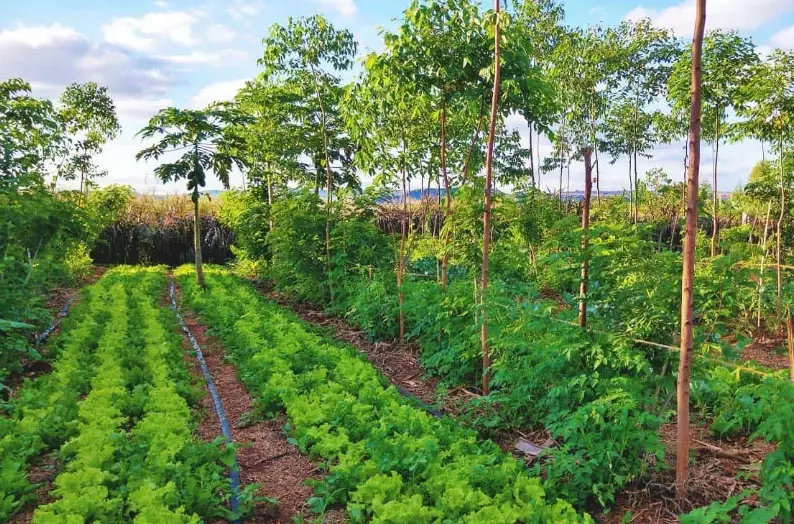
2. Keep the Soil Covered. Always.
Bare soil is dead, eroding, and overheating. Armor it. Use cover crops, crop residues, or mulches. This moderates soil temperature, retains moisture, suppresses weeds, and feeds soil biology. The goal is to have something green and growing, or at least a protective blanket, for as many days of the year as possible. Think of it as sunscreen and a buffet for your soil microbes.
3. Increase Biodiversity
Monocultures are an invitation for disease and pests. Integrate diversity above and below ground. This means diverse crop rotations, planting multi-species cover crop cocktails, integrating livestock where possible, and even maintaining hedgerows or insectary strips. Different plants root at different depths and exude different compounds, feeding a wider array of soil organisms. More diversity equals more stability.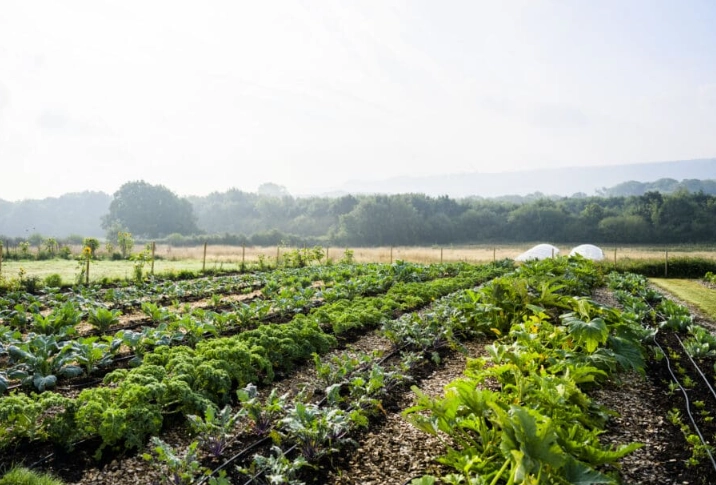
4. Integrate Livestock (Thoughtfully)
This is the game-changer many plant-based farmers overlook. Well-managed grazing, mimicking the movement of wild herds, is the most powerful tool for building soil quickly. Animals trample biomass, cycle nutrients through manure, and stimulate plant growth. The key is high stock density for a short duration, followed by a long recovery period. It's not letting cows roam freely; it's planned adaptive multi-paddock grazing.
5. Avoid Synthetic Chemicals
Pesticides and synthetic fertilizers are like antibiotics for the soil—they wipe out the good with the bad, creating dependency. They short-circuit the natural biological processes you're trying to encourage. The transition away can be scary, but as soil health improves, pest and fertility issues often diminish naturally. You're building the farm's immune system.
How to Start Your Regenerative Transition: A Step-by-Step Plan
Feeling overwhelmed? Don't be. Start small, observe, and adapt. Here’s a pragmatic path forward.
Step 1: Assess Your Baseline. Get a soil health test, not just a standard nutrient test. Look at metrics like soil organic matter (SOM), active carbon, and water infiltration rate. Take photos. This is your "before" picture. Resources like the USDA Natural Resources Conservation Service (NRCS) can often provide technical and financial assistance for this.
Step 2: Set Realistic, Holistic Goals. What do you want? Reduced input costs? Better drought resilience? Higher-quality forage? Write it down. Your practices will flow from these goals.
Step 3: Pick One Practice to Master. For most row-crop farmers, that's planting a simple cover crop after harvest. For a rancher, it might be subdividing one pasture with temporary fencing to practice managed grazing. Master that one thing before adding complexity.
Step 4: Observe and Record Religiously. Keep a journal. What did the cover crop do to weed pressure? How did the soil feel after the grazing pass? Did water pool in a new way after a rain? This feedback loop is your most valuable tool. It turns you from a recipe-follower into a true land manager.
Step 5: Build Your Support Network. Find other farmers on this journey. Attend field days. Join online forums. The learning curve is steep, and community is crucial. Organizations like the Rodale Institute or the Sustainable Agriculture Research and Education (SARE) program publish invaluable case studies and guides.
The Real Costs & Long-Term Financial Benefits
Let's talk money, because idealism doesn't pay the bills.
Upfront Costs & Investments: - New Equipment: A no-till drill or planter can be a major investment. Look for used equipment or cooperative sharing arrangements. - Seed Cost: Cover crop seed is an added expense you didn't have before. - Learning Curve: You will make mistakes. A failed cover crop establishment is a real cost. - Potential Yield Dip: In the first 2-3 years of transition, yields can sometimes dip slightly as the soil biology recalibrates.
The Long-Term Payoff (Where You Win): - Drastically Reduced Input Costs: This is the big one. Less fertilizer, less herbicide, less fungicide. Your soil is now providing fertility and pest control. I've seen farms cut their synthetic nitrogen use by over 50% within five years. - Resilience = Consistency: Healthy soil holds water. In dry years, you still have a crop. In wet years, it drains better. You smooth out the boom-bust cycle. - Premium Markets: Regeneratively grown products can command higher prices from consumers who value the story and verified ecological benefits. - Improved Asset Value: Land with high organic matter, clean water, and biodiversity is simply more valuable.
The financial model shifts from high-revenue/high-cost to moderate-revenue/very-low-cost. The net profit is often higher and far less risky.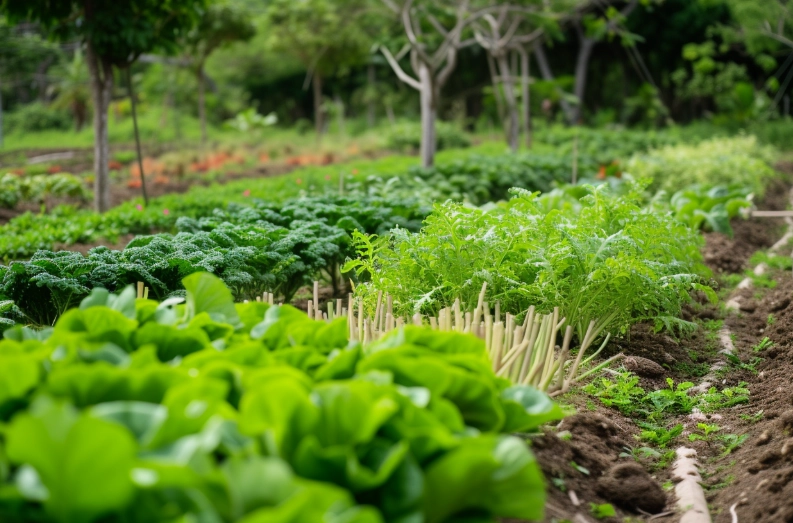
Common Mistakes & Expert Insights You Won't Find Elsewhere
After observing hundreds of transitions, here are the pitfalls that rarely get airtime.
Mistake 1: Treating it as a checklist. Planting a cover crop just to say you did it, without thinking about its purpose (nitrogen fixation, compaction busting, weed suppression), is a waste. Every action should have an intended ecological function.
Mistake 2: Overgrazing in the name of "mob grazing." The recovery period is more important than the grazing intensity. If plants don't have time to fully recover and rebuild root reserves, you're just mining your pasture's health. I've seen more damage from poorly understood intensive grazing than from set-stocking.
Mistake 3: Ignoring mineral balances. You can't biology your way out of a severe mineral deficiency. If your soil is drastically low in phosphorus or has a wildly imbalanced pH, soil life will struggle. A basic soil test is still your friend; think of minerals as the foundation and biology as the house.
Mistake 4: Going it alone and not monitoring. This isn't a "set it and forget it" system. It requires constant observation and adaptation. What works for Gabe Brown in North Dakota might need serious tweaking for a farm in Georgia.
Expert Insight: The single most leveraged practice is getting living roots in the ground for as long as possible. Those roots are exuding sugars (exudates) that feed the soil microbiome. That microbial activity is what builds stable soil aggregates, sequesters carbon, and makes nutrients available. Prioritize this above all else.
Your Burning Questions, Answered
The journey into regenerative agriculture is exactly that—a journey, not a destination. It asks you to become a better observer, a more patient manager, and a participant in your ecosystem rather than its controller. The rewards aren't just a healthier planet abstractly, but a more resilient, profitable, and rewarding life on the land. The best time to start was yesterday. The second-best time is now. Pick one thing from this guide and try it this season.
Reader Comments