You don't need a rural plot to grow your own food. Urban farming is exploding in cities worldwide, from balcony herbs to rooftop tomatoes. I've seen friends turn fire escapes into mini-farms and backyards into veggie havens. But it's not just about tossing seeds in a pot. After a decade of trial and error—including a failed attempt at growing carrots in a dark corner—I've learned what works. This guide cuts through the hype to give you actionable steps for fresh produce, even in tiny spaces.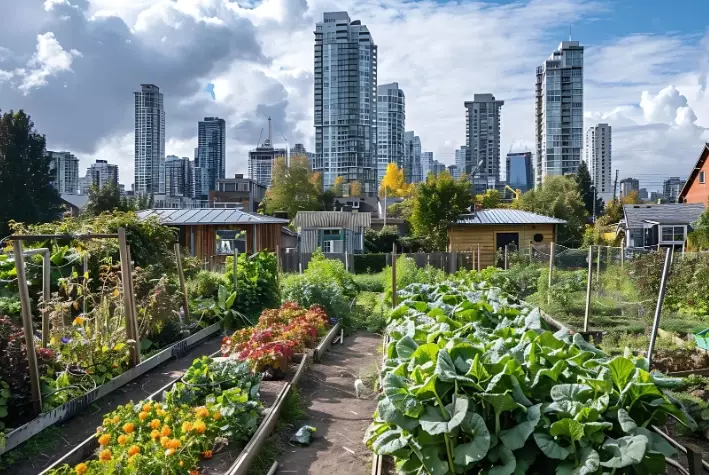
Jump to What You Need
What Urban Farming Really Means Today
Forget the textbook definitions. Urban farming is simply growing food where people live densely—apartments, townhouses, or shared lots. It's not just a hobby; it's a response to food deserts and climate worries. The USDA notes that urban agriculture can boost local food security, but many beginners miss the community aspect. I've joined neighborhood gardens where we swap kale for tomatoes. That social layer keeps you motivated when pests attack.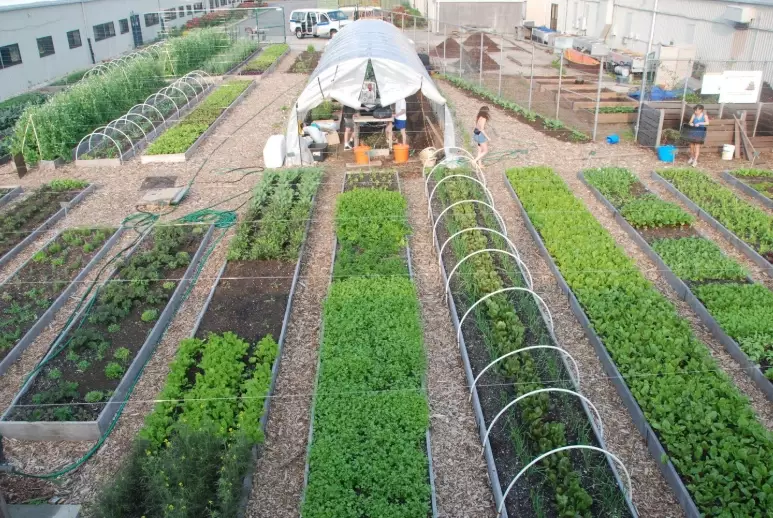
Why Bother? Benefits Beyond the Plate
Sure, fresh salads are great. But urban farming cuts grocery bills—I save about $30 a month on herbs alone. It reduces food miles, and studies like those from the UN Food and Agriculture Organization highlight its role in sustainability. Mentally, digging in soil is a stress-buster. My partner calls our balcony farm "therapy with tomatoes."
Quick reality check: Urban farming isn't a magic bullet. You won't feed a family entirely from a windowsill, but you can supplement staples like herbs, greens, and cherry tomatoes. Start small to avoid overwhelm.
How to Start an Urban Farm: Your First 7 Days
Most guides overcomplicate this. Here's a stripped-down plan based on my experience in a 500-square-foot apartment.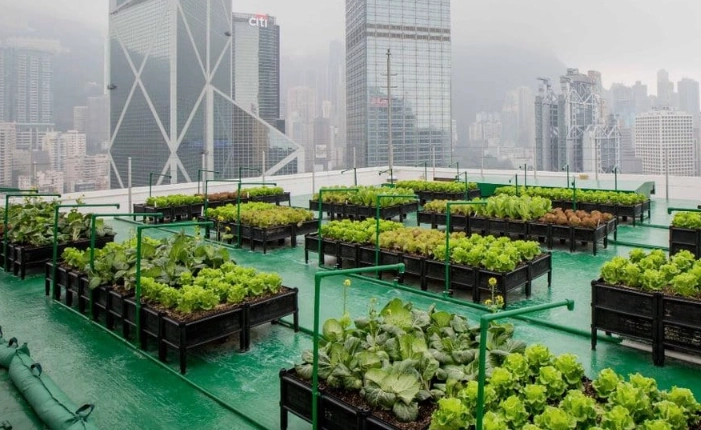
Day 1-2: Audit Your Space Honestly
Grab a notebook. Walk around your home and note sunlight hours. South-facing windows get the most sun in the Northern Hemisphere. My balcony gets 4 hours of direct light—enough for lettuce but not peppers. Measure dimensions: a 2x4 foot balcony rail can hold several containers. Check water access; dragging a hose upstairs is a pain, so I use a watering can with a long spout.
Day 3-4: Gather Supplies on a Budget
You don't need fancy gear. Hit a local garden center or reuse containers. Drill holes in old buckets for drainage. Soil is critical—don't skimp. I use a mix of potting soil and compost, which costs about $20 for a starter batch. Seeds are cheaper than seedlings; try easy ones like radishes or basil.
Day 5-7: Plant and Set a Routine
Follow seed packet instructions, but plant a bit deeper in windy spots. Water deeply but infrequently to encourage root growth. I set phone reminders for watering every other day initially. The first week is about observation, not perfection.
Best Plants for Small Spaces: A Quick Pick List
Not all plants thrive in containers. Based on yield and ease, here are my top picks for beginners.
| Plant | Why It Works | Container Size | Time to Harvest |
|---|---|---|---|
| Leafy Greens (Spinach, Lettuce) | Fast-growing, tolerates partial shade | 6-inch deep pot | 4-6 weeks |
| Herbs (Basil, Mint) | High value, regrows after cutting | Small pots or hanging baskets | 3-4 weeks |
| Cherry Tomatoes | Compact varieties like 'Tiny Tim' | 5-gallon bucket | 8-10 weeks |
| Radishes | Almost foolproof, good for kids | Shallow tray | 3-4 weeks |
| Peppers (Dwarf varieties) | Thrives in warm, sunny spots | 3-gallon pot | 10-12 weeks |
Avoid plants like corn or pumpkins—they need too much space. I learned this after a pumpkin vine took over my balcony and blocked the door.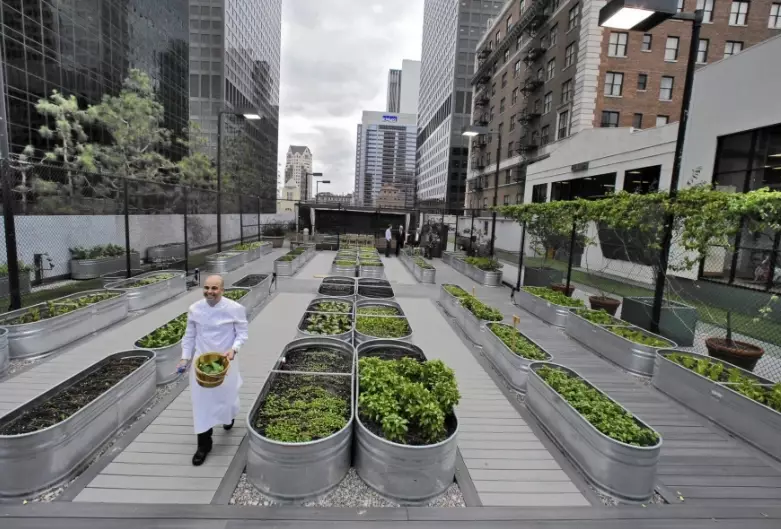
Top 3 Mistakes That Kill Urban Crops
Newbies often fail here. I've made all these errors, so learn from my blunders.
Overwatering: The Silent Killer
It's tempting to water daily, but soggy soil rots roots. Stick a finger an inch into the soil; if it's damp, wait. In my first year, I lost a basil plant to root rot. Now, I water only when the top feels dry.
Ignoring Sunlight Needs
Plants like tomatoes need 6+ hours of direct sun. If your space is shady, stick to greens or herbs. I tried peppers in a north-facing window—they grew leggy and never fruited.
Using Poor Soil
Garden soil from outside compacts in pots. Invest in a quality potting mix. A neighbor used backyard dirt and wondered why nothing grew; it was too heavy and lacked nutrients.
Advanced Tricks for Bigger Harvests
Once you've got basics down, try these to boost yield.
Vertical Farming: Stack Up
Use wall planters or trellises. I grow beans upward on a mesh grid, saving floor space. Vertical farming isn't just for commercial setups; a simple shoe organizer can hold herbs.
Composting in Small Spaces
Bokashi bins or worm composters fit under sinks. They turn kitchen scraps into fertilizer. My worm bin produces rich compost that makes plants thrive.
Season Extension with Cold Frames
Use clear plastic covers to grow into winter. I built a mini cold frame from an old window frame, extending my kale harvest by months.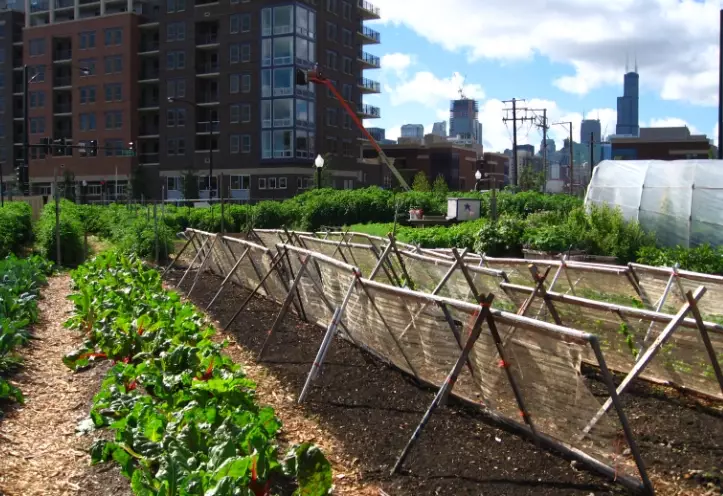
Your Urban Farming Questions Answered
Urban farming is a journey, not a destination. Start with one pot of basil. See how it goes. Share your failures and wins with neighbors—that's how communities grow. If I can turn a gloomy balcony into a salad bar, you can too. Just remember: plants want to grow; your job is to not get in the way too much.
Reader Comments