I used to think gardening was just a summer thing. Then I built my first greenhouse ten years ago, and everything changed. Suddenly, I was harvesting tomatoes in December and starting seeds in February. Greenhouse gardening isn't just a hobby; it's a way to take control of your food supply, save money, and enjoy fresh produce regardless of the weather outside. In this guide, I'll walk you through everything from picking the right structure to avoiding the mistakes that cost me time and plants early on.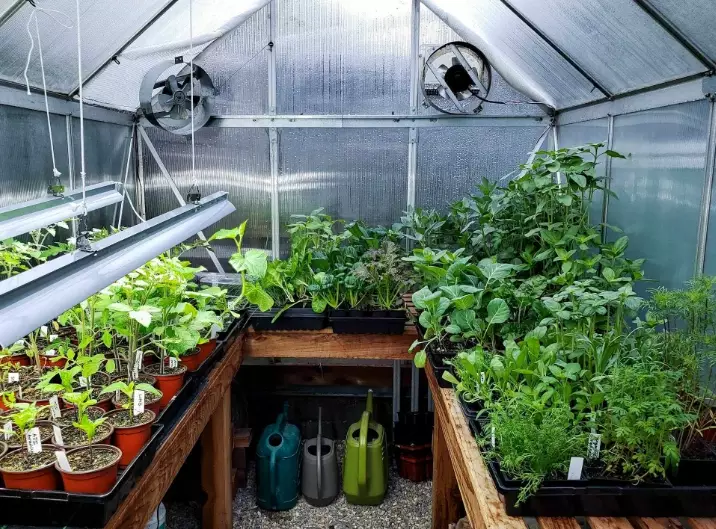
What You'll Learn in This Guide
- Why Greenhouse Gardening is Worth the Effort
- Getting Started: Your Greenhouse Blueprint
- The Nitty-Gritty of Greenhouse Setup
- Planting and Maintenance: Keeping Your Greenhouse Thriving
- Troubleshooting Common Greenhouse Problems
- Pro Tips from a Decade of Greenhouse Gardening
- Frequently Asked Questions (FAQ)
Why Greenhouse Gardening is Worth the Effort
Let's cut to the chase. A greenhouse extends your growing season by months, sometimes year-round depending on your climate. I live in a zone 6 area, and without my greenhouse, I'd be limited to about five months of outdoor gardening. With it, I grow cool-weather crops like kale and spinach through the winter, and heat-lovers like peppers start thriving in early spring.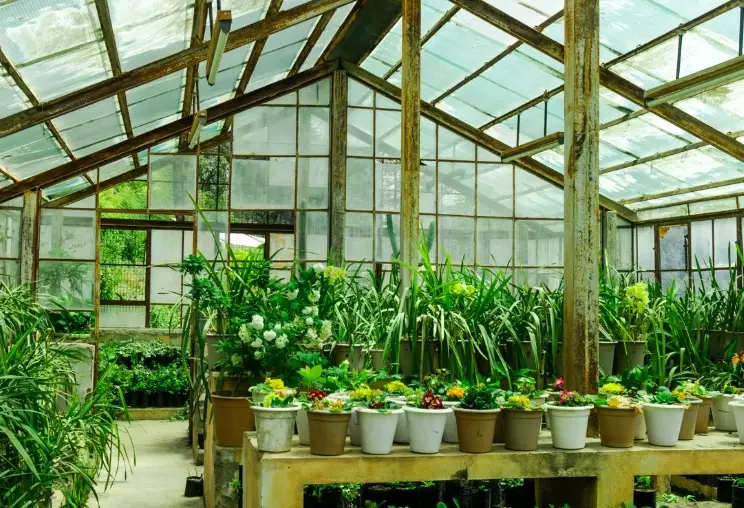
But it's not just about more time. Greenhouses protect plants from pests, wind, and heavy rain. You'll see fewer losses to rabbits or hailstorms. Plus, you can experiment with plants that wouldn't survive outdoors in your region—think tropical herbs or delicate flowers.
The cost savings add up. I calculate that my greenhouse pays for itself in two years through reduced grocery bills, especially for organic veggies. And there's a mental health boost: having a green, warm space in the middle of winter is a game-changer.
Getting Started: Your Greenhouse Blueprint
Before you buy anything, think about your goals. Are you growing food for a family, or just starting seedlings? My first greenhouse was a small hoop house, which worked but had limitations. Here's a breakdown to help you choose.
Greenhouse Types: From Hoop Houses to Glass Palaces
Not all greenhouses are created equal. I've tried several, and each has pros and cons.
| Type | Best For | Cost Estimate | Key Consideration |
|---|---|---|---|
| Hoop House (Polyethylene) | Beginners, seasonal use | $200 - $800 | Cheap but less durable; can tear in high winds. |
| Polycarbonate | Year-round gardening, moderate climates | $1000 - $3000 | Good insulation, diffuses light well. My personal favorite for balance. |
| Glass Greenhouse | Serious gardeners, aesthetics | $5000+ | Excellent clarity, but heavy, expensive, and can break. Requires a solid foundation. |
| Lean-To | Small spaces, attached to a house | $1500 - $4000 | Saves space, uses existing wall for heat, but limited sunlight on one side. |
I started with a hoop house and upgraded to polycarbonate after a storm damaged it. Glass looks beautiful, but the maintenance—cleaning and potential breakage—wasn't for me.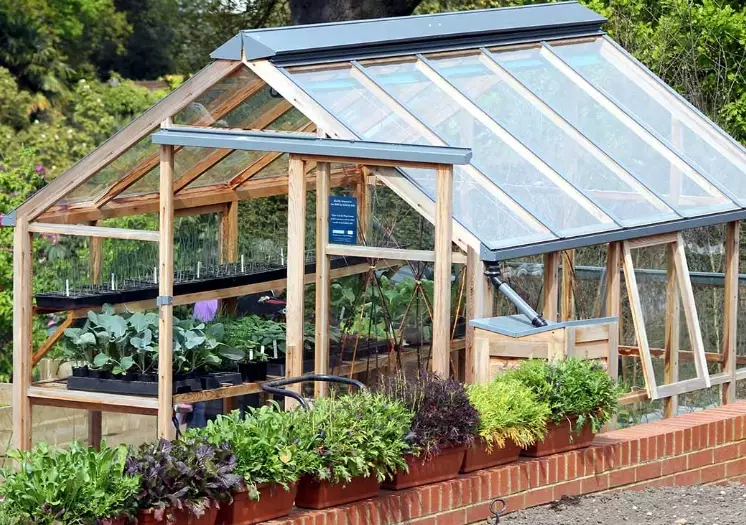
Location, Location, Location: Where to Place Your Greenhouse
This is where many beginners mess up. I placed my first greenhouse in a shady spot because it was convenient, and my plants struggled. Here's what I learned:
- Sun exposure: Aim for at least 6 hours of direct sunlight daily. South-facing is ideal in the Northern Hemisphere. Use a sun calculator app to check before building.
- Wind protection: Avoid open, windy areas. A fence or hedge on the windward side helps. My current greenhouse is sheltered by a shed, reducing heating costs in winter.
- Accessibility: You'll be hauling water, soil, and tools. Place it near a water source and path. I ran a hose line directly to mine—worth every penny.
- Drainage: Ensure the site doesn't flood. Raised beds or a gravel base can prevent waterlogging.
Take a week to observe the spot at different times of day. It sounds tedious, but it saves headaches later.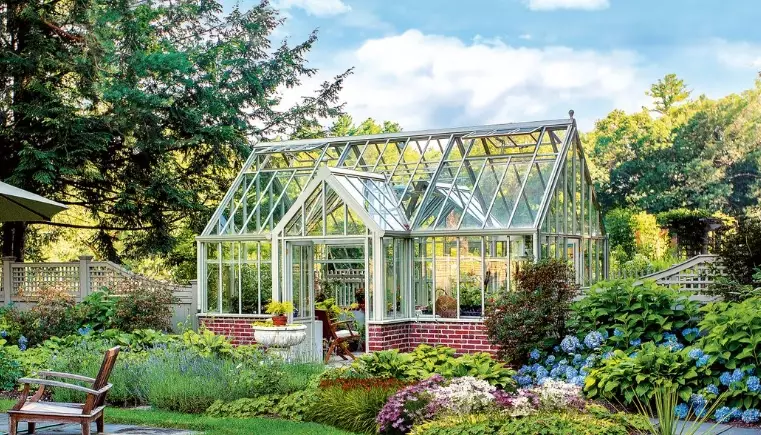
The Nitty-Gritty of Greenhouse Setup
Once you've picked your greenhouse and location, the real work begins. Don't rush this part; a solid setup prevents problems down the line.
Essential Equipment You Can't Skip
Beyond the structure itself, you'll need a few key items. I made the mistake of skipping ventilation initially, and my plants got moldy within weeks.
- Ventilation: This is non-negotiable. Automatic vent openers are a lifesaver—they adjust based on temperature. I use ones from a brand like Bayliss, and they've never failed.
- Heating and cooling: For year-round use, a small heater (like a propane one) for winter and shade cloth for summer. In my zone, I keep a heater set to 45°F minimum.
- Shelving and benches Use rust-resistant materials. I built wooden benches, but they rotted over time. Now I use metal shelving with plastic tops.
- Watering system: A drip irrigation system saves time and ensures consistent moisture. I set mine on a timer, which cut my watering chores by half.
- Thermometer and hygrometer: To monitor temperature and humidity. Get one with a min/max memory to track fluctuations.
You don't need everything at once. Start with ventilation and monitoring tools, then add as you go.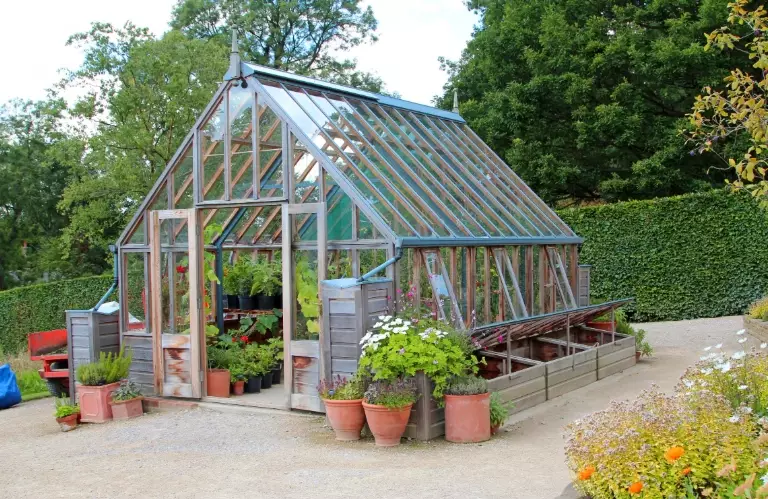
A Step-by-Step Setup Checklist
Here's how I set up my current greenhouse, based on trial and error:
- Prepare the foundation: Level the ground, add a layer of landscape fabric, and top with gravel for drainage. For permanent structures, a concrete slab is better.
- Assemble the frame: Follow the manufacturer's instructions, but double-check all connections. I once missed a bolt, and the frame wobbled in the wind.
- Install covering: If using polycarbonate, ensure the UV-protected side faces out. Seal edges with tape to prevent dust and pests.
- Set up ventilation: Install roof vents and side vents. Place fans if needed for air circulation. I use a small oscillating fan to keep air moving.
- Add utilities: Run electricity for lighting (LED grow lights for winter) and water access. Hire an electrician if you're not confident—safety first.
- Organize interior: Place benches along the sides, leaving a central aisle. Reserve one area for potting and storage.
This took me a weekend with help from a friend. Don't skip the foundation step; it ensures stability.
Planting and Maintenance: Keeping Your Greenhouse Thriving
With the setup done, it's time to grow. But greenhouse gardening isn't "set and forget." It requires daily attention, especially in extreme weather.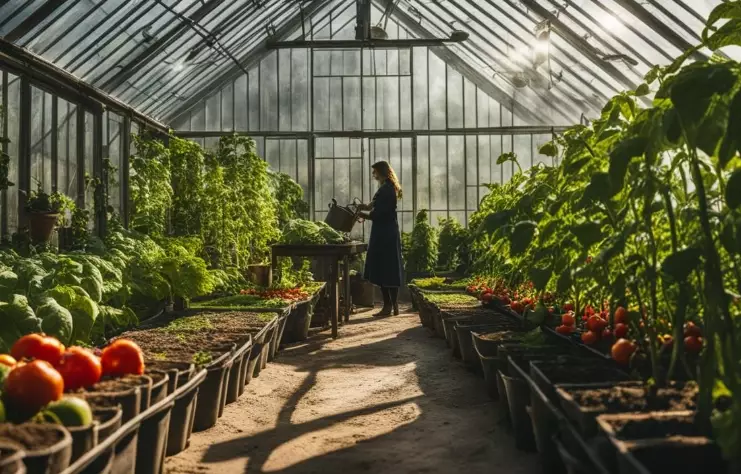
Choosing the Right Plants: A Seasonal Guide
You can grow almost anything, but some plants thrive better. I focus on high-value crops that are expensive to buy organic.
My go-to plants: In winter, I grow leafy greens (spinach, lettuce), herbs (parsley, cilantro), and root veggies (carrots, radishes). In spring and summer, I switch to tomatoes, cucumbers, peppers, and eggplants. For fun, I add flowers like marigolds to deter pests naturally.
Start with easy plants like lettuce or herbs to build confidence. Avoid plants that need pollination by large insects unless you're willing to hand-pollinate. I learned this the hard way with zucchini—no bees in winter meant no fruit.
Watering, Feeding, and Pruning: The Daily Grind
Greenhouses can create a microclimate that demands specific care.
- Watering: Plants dry out faster in warm, enclosed spaces. Water in the morning to reduce humidity at night. I use a moisture meter to avoid overwatering—a common rookie mistake.
- Feeding: Soil nutrients deplete quickly. I apply compost every season and use a balanced organic fertilizer every two weeks during peak growth. Liquid seaweed works wonders for plant health.
- Pruning and training: Keep plants tidy to improve air circulation. I prune tomato suckers and train cucumbers on trellises. It reduces disease risk and maximizes space.
Spend 10 minutes daily checking for issues. It's easier to fix a small problem than a full-blown infestation.
Troubleshooting Common Greenhouse Problems
Even with care, problems arise. Here's how to handle the big ones based on my experience.
Pest and Disease Management: An Ounce of Prevention
Greenhouses can become pest havens if you're not careful. I once had an aphid outbreak that spread to every plant.
- Prevention: Inspect new plants before bringing them in. Quarantine them if possible. Keep the greenhouse clean—remove dead leaves and debris where pests hide.
- Natural controls: Introduce beneficial insects like ladybugs or lacewings. I order them online each spring. Also, use neem oil sprays as a preventative measure.
- Disease control: Fungal diseases love humidity. Ensure good ventilation and avoid overhead watering. If you see mold, remove affected parts immediately and apply a copper fungicide.
Don't panic at the first sign of bugs. Often, a strong spray of water knocks them off. I keep a handheld sprayer filled with soapy water for quick treatments.
Temperature and Humidity Control: Finding the Sweet Spot
This is the trickiest part. Too hot, and plants cook; too humid, and mold thrives.
- Temperature Aim for 65-75°F during the day, 45-55°F at night for most plants. Use a thermostat-controlled heater and shade cloth. In summer, I wet the floor to cool via evaporation—a cheap trick from an old gardener.
- Humidity: Keep it between 50-70%. Use a hygrometer. If it's too high, increase ventilation; too low, add a humidifier or water trays. I run a dehumidifier in rainy seasons.
Monitor closely during weather changes. I check my greenhouse app (linked to sensors) multiple times a day during storms or heatwaves.
Pro Tips from a Decade of Greenhouse Gardening
Here are some insights you won't find in most guides—the kind of stuff you learn through mistakes.
Use thermal mass to stabilize temperature. I place black-painted water barrels inside. They absorb heat during the day and release it at night, reducing heating costs. It's a simple trick that cuts my winter energy bill by 20%.
Don't overcrowd plants. It's tempting to pack them in, but poor air flow leads to disease. I leave at least 18 inches between tomato plants now, compared to 12 inches when I started.
Keep a gardening journal. Note planting dates, weather, and problems. Over years, you'll see patterns. My journal showed that peppers do better when started in March rather than April in my setup.
Invest in quality tools. A good pruner or soil knife lasts years. I wasted money on cheap ones that broke quickly.
One non-consensus view: many experts say to sterilize soil every year, but I find that disrupts beneficial microbes. Instead, I rotate crops and add compost, which has kept my soil healthy for five years without major disease issues.
Frequently Asked Questions (FAQ)
Greenhouse gardening has transformed how I grow food, offering control and joy even in off-seasons. Start small, learn from errors, and don't be afraid to adapt. For more resources, check out guides from the National Gardening Association or your local extension office—they offer climate-specific advice that's invaluable. Happy growing!
Reader Comments