Quick Navigation to What You Need
I remember the first time I planted a garden. Spring came, everything sprouted, and by mid-summer, it was a wilted, bug-infested mess. Sound familiar? After 10 years of gardening across zones 5 to 8, I've realized that seasonal gardening isn't about fancy tricks—it's about timing, observation, and avoiding the subtle mistakes most guides don't mention. Let's ditch the vague advice and dive into seasonal gardening tips that actually work, whether you're growing tomatoes on a balcony or tending a backyard plot.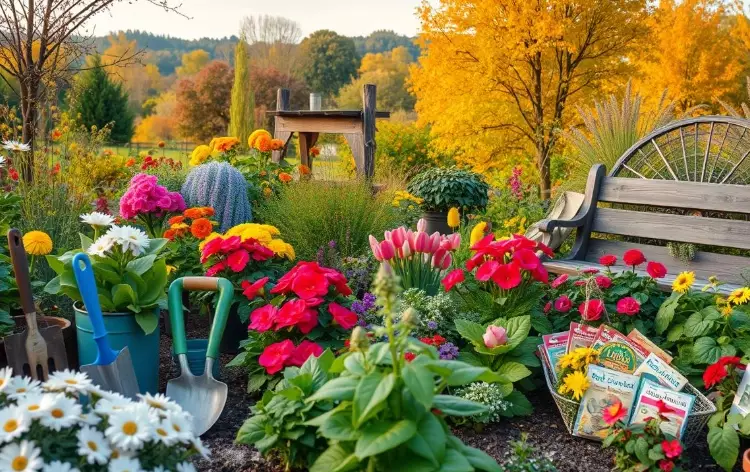
Spring Gardening: Planting and Foundation
Spring feels like a race to get plants in the ground, but rushing leads to failure. The biggest error I see? Ignoring soil temperature. Calendar dates lie. For instance, tomatoes need soil at least 60°F (15°C) to germinate well. I learned this after losing two batches of seedlings to a surprise frost in late April.
How to Test and Prepare Your Soil
Buy a soil thermometer—it's under $15 online. Stick it 4 inches deep in several spots. If it's below 50°F (10°C), hold off on warm-season crops. Instead, focus on cool-season veggies: lettuce, peas, radishes. Reference the USDA Plant Hardiness Zone Map for your area, but always cross-check with local extension services. They often have microclimate data.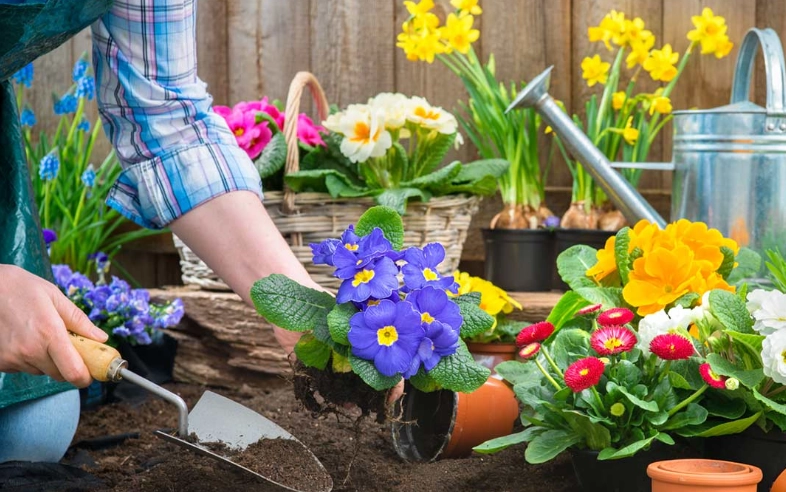
Here's my spring routine, refined over years:
- Amend the soil early: Mix in 2-3 inches of compost or aged manure. Skip fresh manure—it burns roots. I made that mistake once, and my carrots turned stunted.
- Start seeds indoors strategically: For peppers and eggplants, start 8-10 weeks before last frost. Use a seed-starting mix, not garden soil, to prevent damping-off disease.
- Direct sow with care: Plant carrots and beets as soon as soil is workable (not soggy). Sow seeds shallowly, and thin seedlings early to avoid overcrowding.
A pro tip: Keep a garden journal. Note when you plant and how plants respond. It helps you adjust next year.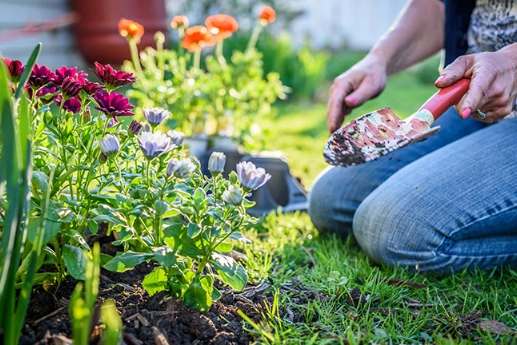
Choosing the Right Plants for Your Zone
Don't just buy what looks pretty. Check plant tags for "days to maturity" and match them to your growing season. In short-season areas, opt for early varieties like 'Early Girl' tomatoes. I've had success with 'Provider' beans—they produce fast before heat hits.
Summer Gardening: Maintenance and Challenges
Summer is when gardens thrive or dive. Heat stress and pests are the main villains. Most gardeners overwater, thinking plants need daily drinks, but that promotes shallow roots and fungus. My neighbor waters his lawn every evening, and his tomato plants always get blight.
Watering Strategies That Save Plants and Water
Water deeply once or twice a week, aiming for 1-2 inches total. Use a rain gauge or empty tuna can to measure. Early morning is best—it reduces evaporation and prevents leaf diseases. I switched to drip irrigation two years ago, and my water bill dropped 25% while plant health improved.
For containers, check soil moisture by sticking your finger an inch deep. If it's dry, water until it drains out the bottom. But don't let pots sit in saucers of water—root rot is a silent killer.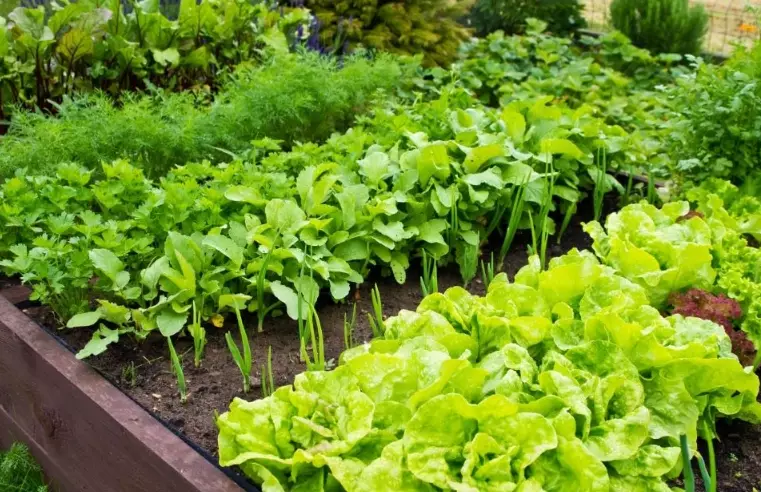
Dealing with Pests Naturally and Effectively
Aphids, Japanese beetles, and squash bugs love summer. Chemical sprays often harm beneficial insects like bees. Instead, try these methods:
- Companion planting: Plant marigolds near tomatoes to repel nematodes; basil deters flies. I interplant nasturtiums with cucumbers—they attract aphids away from the veggies.
- Hand-picking and traps: For slugs, go out at night with a flashlight and drop them in soapy water. Use yellow sticky traps for whiteflies.
- Neem oil spray: Mix 2 teaspoons neem oil with a quart of water and a drop of soap. Spray every 7-10 days. It disrupts pests without wiping out pollinators.
I used to panic at every bug, but now I accept some damage. A few holes in leaves mean a balanced ecosystem.
Managing Heat Stress
When temperatures soar above 90°F (32°C), plants like lettuce bolt (flower prematurely). Provide shade with cloth row covers or plant tall crops like corn to cast shadows. Mulch heavily with straw or wood chips to keep soil cool and retain moisture. I lost a row of spinach to a heatwave before I started using shade cloth.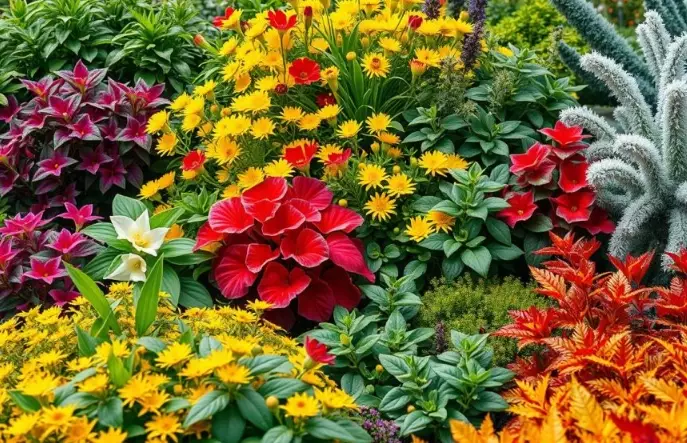
Fall Gardening: Harvest and Preparation
Fall isn't just about picking veggies; it's about setting up for winter and next spring. Many gardeners skip fall chores, then struggle with soil issues come April.
When and How to Harvest for Peak Flavor
Tomatoes should be harvested when fully colored but firm. If frost threatens, pick green ones and ripen indoors. Root vegetables like carrots and parsnips sweeten after a light frost—leave them in the ground until needed. I harvest kale and Brussels sprouts after frost; they taste less bitter.
For herbs, cut them back and dry or freeze for winter use. I bundle thyme and hang it in a dark, dry spot.
Essential Fall Garden Tasks
Here's my fall checklist:
- Clean up selectively: Remove diseased plant debris to prevent overwintering pathogens. But leave some stems and leaves for beneficial insects to shelter in.
- Plant cover crops: Sow clover or winter rye to protect soil, fix nitrogen, and suppress weeds. It's like a green blanket for your garden.
- Add mulch and compost: Spread a layer of compost topped with straw. This feeds soil microbes and insulates perennials.
- Plant garlic and onions: In late fall, plant cloves and sets for a spring harvest. I mark the rows with stakes so I don't forget where they are.
I used to neglect fall planting, but now I see it as an investment. My spring garlic harvest is always worth the effort.
Winter Gardening: Protection and Planning
Winter might seem quiet, but it's key for reflection and protection. In cold zones, plants need extra care, and it's the perfect time to plan ahead.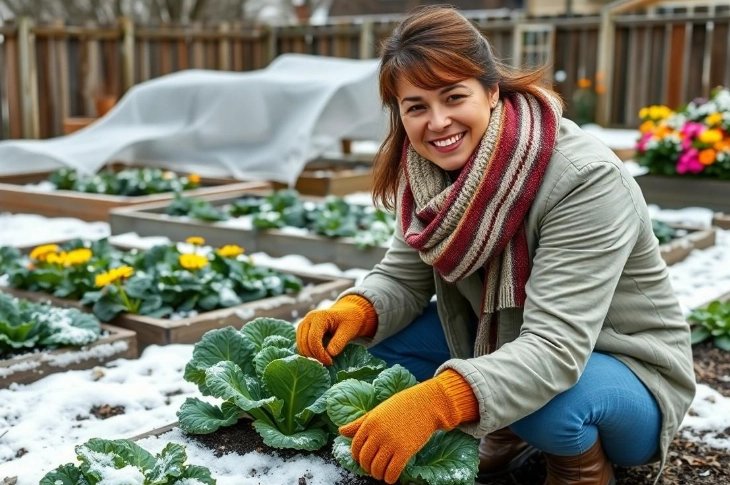
Protecting Plants from Frost and Cold
Use frost cloths or old bedsheets to cover tender plants on nights below freezing. Secure them loosely to allow air circulation. Mulch heavily around the base of perennials like roses and lavender. I lost a rosemary bush one winter because I didn't mulch—the roots froze.
For container plants, move them to a sheltered spot or wrap pots in bubble wrap. Water evergreens well before ground freezes to prevent desiccation.
Planning Next Year's Garden with Precision
Winter is when I pour over seed catalogs and sketch layouts. Rotate crops to avoid soil-borne diseases—don't plant tomatoes in the same spot two years in a row. I draw a simple map, noting what grew where.
Order seeds early; popular varieties sell out. I keep a wish list and set a budget. Last year, I splurged on heirloom tomato seeds, and the flavor was incredible.
Indoor Gardening During Winter
Start seeds indoors for early spring transplants. Use grow lights if natural light is limited. I grow microgreens on a windowsill—they're quick and nutritious.
Reader Comments