If you think fall garden cleanup is just about raking leaves, you're missing the bigger picture. After decades of gardening, I've seen too many people rush through this season and pay for it come spring. Here's the truth: a proper cleanup isn't just tidying up—it's setting the stage for next year's growth, preventing disease, and supporting local ecosystems. Let's dive into the nitty-gritty that most guides gloss over.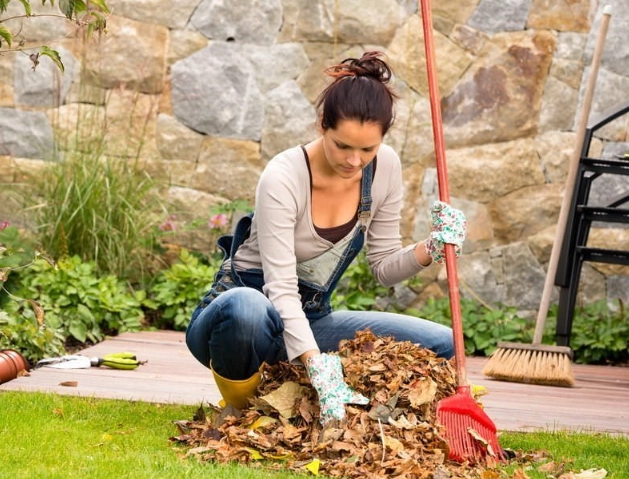
What You'll Learn in This Guide
Why Fall Garden Cleanup is More Than Just Neatness
Most folks start cleaning up because the garden looks messy. I get it—those brown leaves and dead plants aren't pretty. But the real reason goes deeper. Fall cleanup is about health. Think of it as a garden's annual check-up.
Left unchecked, plant debris can harbor pests and diseases. For example, tomato blight spores can overwinter on old stems, ready to attack next year's crop. The University of California's Integrated Pest Management Program notes that removing infected material reduces disease pressure significantly. But here's where many go wrong: they remove everything, including beneficial habitats for insects like ladybugs and lacewings.
I learned this the hard way. One year, I meticulously cleared every leaf, only to find an aphid explosion the following spring. Turns out, I'd eliminated the natural predators' hiding spots. Now, I leave some leaf litter in corners—it's a balance.
The Soil Connection: Don't Neglect the Ground
Your soil is alive. Fall cleanup isn't just about what's above ground; it's about protecting what's below. Tilling or compacting wet soil in fall can ruin its structure. Instead, focus on adding organic matter. A light layer of compost or shredded leaves acts like a blanket, insulating roots and feeding microbes through winter.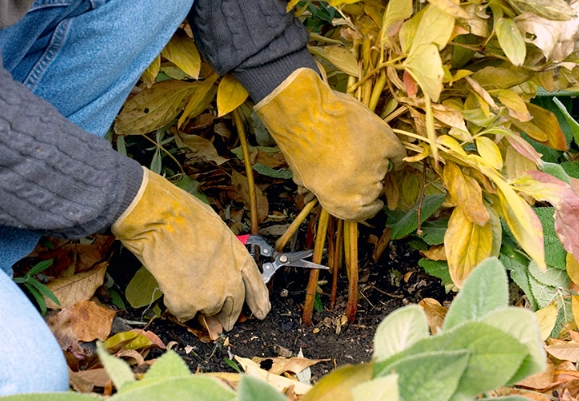
I often see gardeners bag up leaves and send them away. What a waste! Those leaves are gold for your garden. Shred them with a mower and spread them around perennials. They'll break down slowly, improving soil texture. The USDA's Natural Resources Conservation Service emphasizes that organic mulch reduces erosion and conserves moisture—key for winter survival.
A Step-by-Step Fall Cleanup Plan That Actually Works
Let's break this down into actionable steps. I've timed this for a typical weekend, assuming a medium-sized garden (about 500 square feet). Adjust based on your space.
Weekend Day 1: Assessment and Initial Clearing
Start with a walkaround. Grab a notebook—yes, old-school—and jot down what needs attention. Look for diseased plants, areas with heavy leaf buildup, and structures that need repair.
First, remove annuals that have finished blooming. Pull them up by the roots to prevent reseeding if you don't want volunteers. Compost healthy plants, but toss diseased ones in the trash (not compost). I made the mistake of composting moldy squash vines once, and it spread fungus everywhere.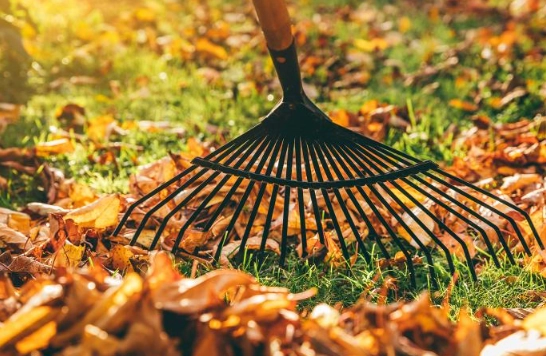
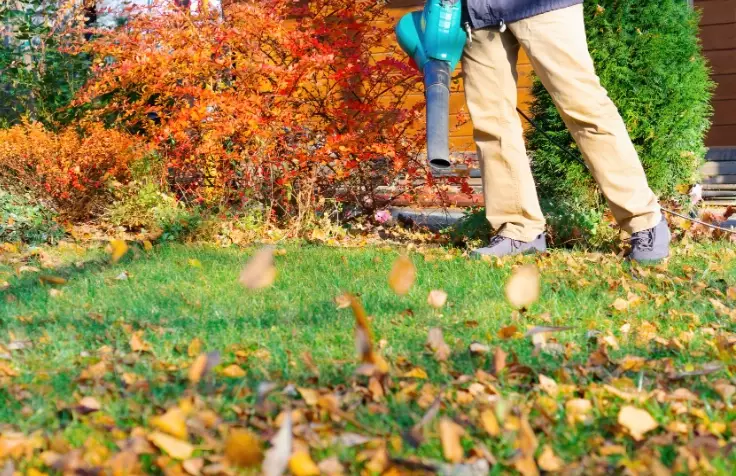
Next, tackle leaves. Don't rake when they're soggy; wait for a dry day. Use a lightweight rake or a leaf blower on a low setting. Pile leaves onto a tarp for easy transport. If you have a lawn, mow over leaves to shred them—they'll decompose faster and won't smother grass.
Weekend Day 2: Pruning and Soil Care
Pruning is tricky. General rule: prune dead or damaged branches anytime, but hold off on major cuts for most shrubs until late winter. Exceptions include plants like roses—reduce their height by a third to prevent wind rock. The Royal Horticultural Society advises against pruning spring-bloomers in fall; you'll cut off next year's buds.
After clearing, test your soil pH. Fall is perfect for amendments because rain helps them integrate. If your soil is acidic, add lime; if alkaline, add sulfur. Follow recommendations from your local extension office—they often offer free testing kits.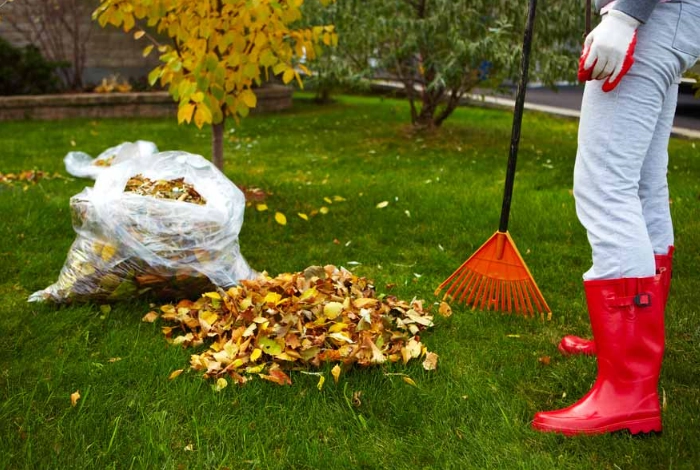
End with mulching. Apply 2-3 inches of mulch around trees and perennials, but keep it away from stems to avoid rot. I use a mix of shredded leaves and straw. It's cheap and effective.
Common Mistakes Even Experienced Gardeners Make
We all mess up. Here are subtle errors I've seen—and committed—over the years.
Over-cleaning: It's tempting to make everything spotless. But leaving some plant stalks (like coneflowers or ornamental grasses) provides winter interest and food for birds. Insects also use hollow stems for overwintering. I now mark certain areas as "wild zones" where I do minimal cleanup.
Ignoring tool maintenance: You finish cleanup, toss your tools in the shed, and forget them. Big mistake. Dirty tools can spread disease. Take 10 minutes to clean pruners with rubbing alcohol and oil hinges. Store them dry to prevent rust.
Timing errors: Cleaning up too early (before frost) can disrupt plants still gathering energy. Too late, and frozen ground makes digging impossible. In my zone (5b), I aim for after the first hard frost but before the ground freezes solid. That's usually late October to mid-November.
Personal story: One fall, I pruned my hydrangeas heavily, thinking they were dead. Come summer, no blooms. I'd cut off all the flowering wood. Now, I research each plant's pruning needs—it saves heartache.
Essential Tools and a Practical Checklist
You don't need fancy gear. Here's my go-to list, built from years of trial and error.
| Tool | Purpose | Pro Tip |
|---|---|---|
| Bypass pruners | Clean cuts on stems up to 3/4 inch | Keep them sharp; dull blades crush plants |
| Leaf rake (metal or plastic) | Gathering leaves without damaging grass | Use a fan-shaped rake for large areas |
| Garden cart or tarp | Moving debris efficiently | A tarp is cheaper; drag it to compost pile |
| Mulch fork | Spreading mulch evenly | Better than a shovel for loose material |
| Soil knife | Digging weeds, cutting roots | Versatile and sturdy—worth the investment |
Now, a checklist you can adapt. Print this out or save it on your phone.
- Remove annual plants: Pull and compost healthy ones; discard diseased.
- Clear leaves: Rake or blow, shred for mulch or compost.
- Prune selectively: Only dead/damaged wood; research perennials.
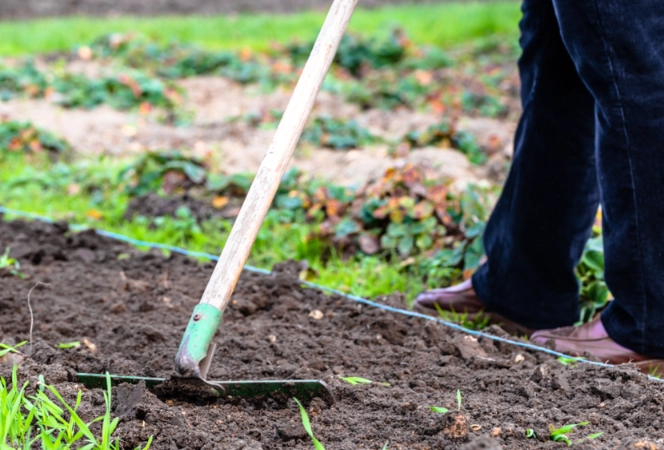
- Weed one last time: Prevent winter weeds from establishing.
- Amend soil: Add compost or lime based on test results.
- Mulch beds: 2-3 inches, avoid plant crowns.
- Clean tools: Disinfect, dry, and store properly.
- Drain irrigation: Blow out systems to prevent freezing.
- Protect tender plants: Wrap shrubs or use burlap if needed.
I keep this checklist on my shed door. It's simple, but it ensures I don't skip steps when I'm tired.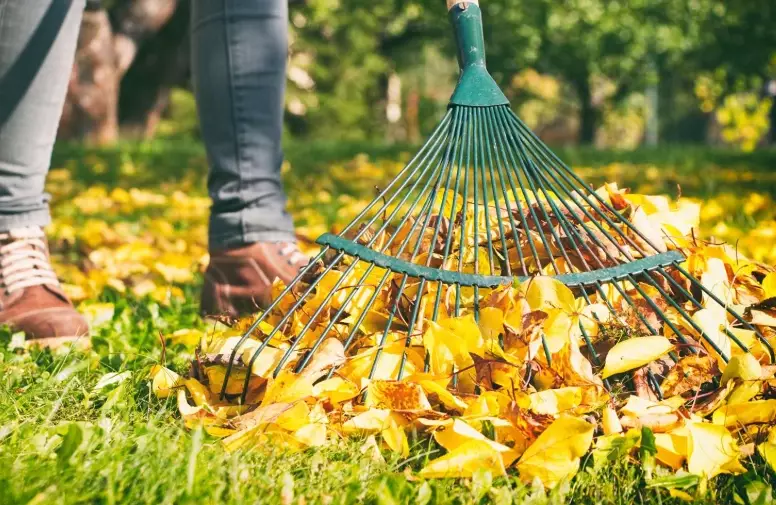
Your Burning Questions Answered (With Real-World Advice)
Fall garden cleanup doesn't have to be a chore. See it as an investment. When you're done, take a moment to look at your tidy beds. Imagine the snow covering them, protecting the life underneath. Come spring, you'll thank yourself—fewer weeds, healthier plants, and more blooms. Now, grab those pruners and get started. Your garden is counting on you.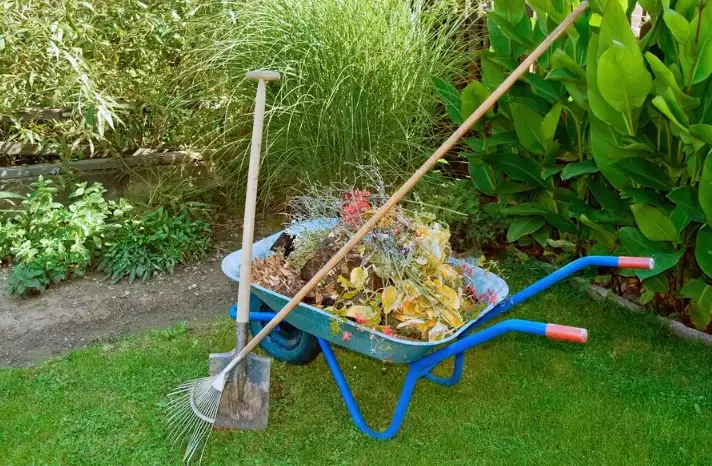
Reader Comments