Let's cut to the chase. Overwintering plants isn't just about tossing a blanket over your garden when frost hits. It's a nuanced dance with dormancy, light, and moisture that can make or break your plants come spring. I've seen too many gardeners lose prized perennials or container specimens because they followed generic advice. After a decade of trial and error—and helping neighbors rescue their frostbitten ferns—I'm sharing what actually works.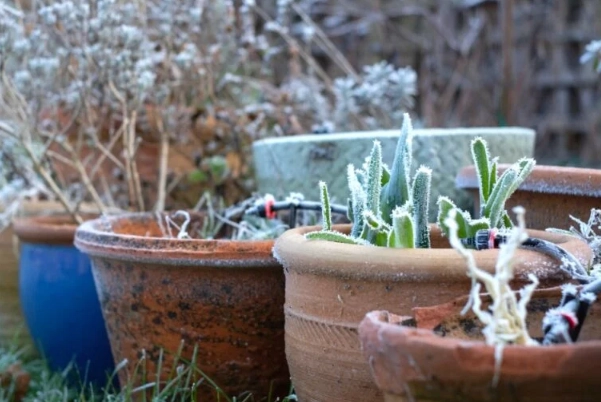
What You'll Learn
What Are Overwintering Plants and Why Should You Care?
Overwintering plants are simply plants that survive the winter, often by entering a dormant state. Think of it as their hibernation mode. But here's the kicker: not all plants overwinter the same way. Your tropical hibiscus needs a cozy indoor spot, while your hardy sedum might just shrug off the snow.
I remember one fall, I left a pot of geraniums outside, assuming they'd die back and regrow. They didn't. That's when I learned the importance of knowing your plant's cold tolerance. The United States Department of Agriculture (USDA) plant hardiness zone map is a great starting point—check it to understand your local winter severity.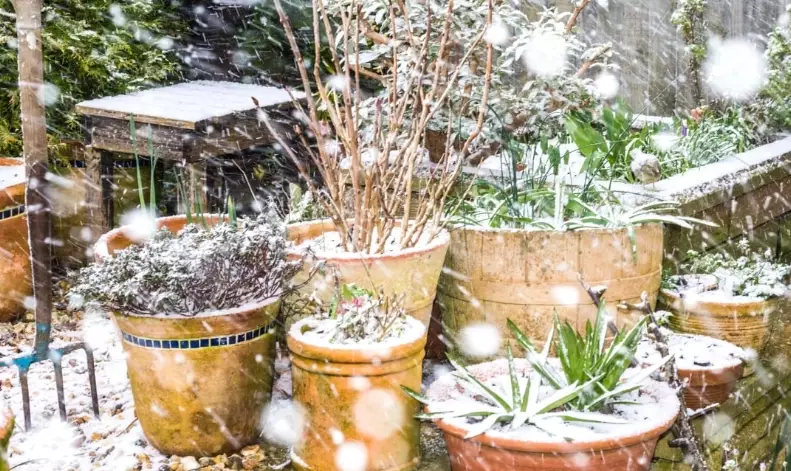
Understanding Dormancy: It's Not Just Sleeping
Dormancy is often misunderstood. Plants don't just "sleep"; they slow down metabolic processes to conserve energy. If you interrupt this by bringing a plant indoors and giving it too much light or water, you might force it to grow weakly, exhausting its reserves. I've made that mistake with a rosemary plant—it sprouted pale, spindly shoots and died by February.
How to Prepare Your Plants for Winter: A Step-by-Step Guide
This isn't a one-size-fits-all process. Break it down by plant type and location.
Outdoor Plants: Mulching and Protection Tactics
For garden beds, focus on insulation. Apply a 3-4 inch layer of mulch (like straw or shredded leaves) after the ground freezes. Why after? It prevents rodents from nesting and keeps soil temperature stable. I use shredded oak leaves—they mat down well and don't blow away.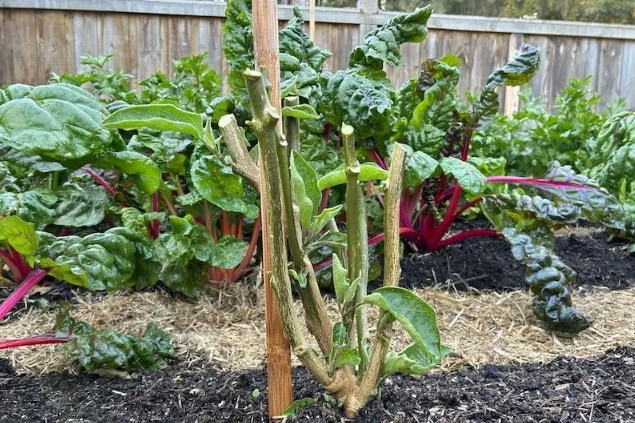
For tender shrubs, consider burlap wraps or frost cloths. But avoid plastic covers; they trap moisture and cause rot. I learned this the hard way with a young fig tree.
Indoor Overwintering: Light, Temperature, and Water Balance
Bringing plants indoors is trickier than it seems. Most failures happen due to light starvation or overwatering.
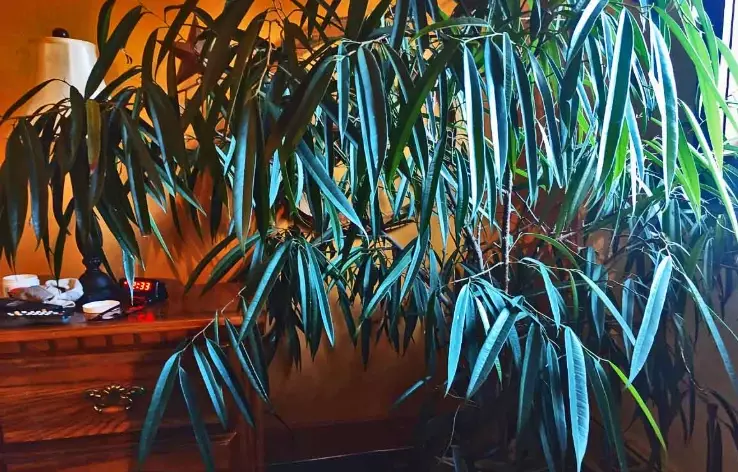
First, clean your plants before moving them—wipe leaves and check for pests. Aphids love to hitch a ride indoors. Then, find a spot with bright, indirect light. A south-facing window is ideal, but if light is low, supplement with grow lights. I use simple LED strips for my citrus trees.
Watering needs drop dramatically. Let the soil dry out more between waterings. Stick your finger an inch into the soil—if it's dry, water lightly. Overwatering is the top killer of overwintered plants indoors.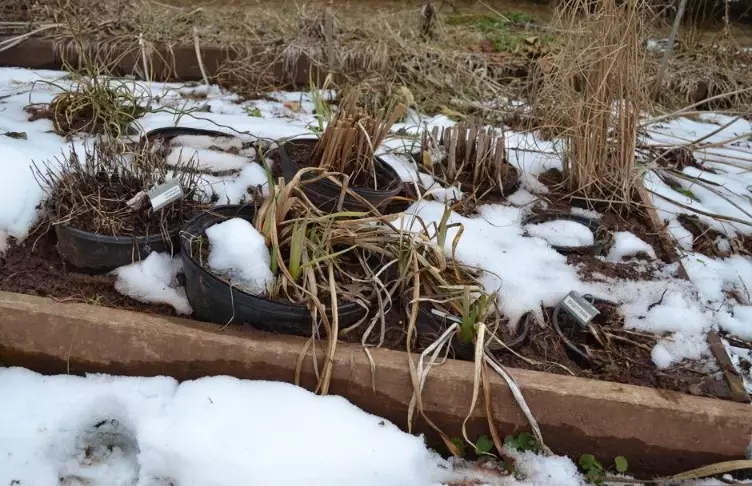
| Plant Type | Overwintering Method | Key Tip |
|---|---|---|
| Tropicals (e.g., Hibiscus) | Bring indoors, bright light | Reduce watering by 50% |
| Hardy Perennials (e.g., Coneflower) | Leave outdoors, mulch heavily | Cut back stems after frost |
| Succulents (e.g., Sedum) | Cool, bright indoor spot or garage | Water only once a month |
| Bulbs (e.g., Dahlias) | Dig up, store in cool, dark place | Keep slightly moist in peat moss |
That table sums up the basics, but the devil's in the details. For instance, with dahlias, I store them in a cardboard box with slightly damp peat moss in my basement—around 40-50°F. Too warm, and they sprout prematurely; too dry, and they shrivel.
Common Mistakes in Overwintering Plants (Based on 10 Years of Gardening)
Here's where most guides fall short. They repeat the same tips without addressing subtle errors.
Mistake 1: Assuming all plants need less water. While most do, some Mediterranean herbs like lavender prefer dry soil but still need occasional moisture to prevent desiccation. I lost a lavender plant because I didn't water it at all over winter—it dried out completely in a windy spot.
Mistake 2: Over-fertilizing in fall. Fertilizing late in the season encourages new growth that's vulnerable to frost. Stop fertilizing by early fall. I made this error with a potted rose, and it pushed out tender shoots that blackened at the first freeze.
Mistake 3: Ignoring humidity indoors. Indoor heating drops humidity drastically, stressing plants. Group plants together or use a humidity tray. My ferns used to brown at the tips until I placed them on a tray with pebbles and water.
Another overlooked point: ventilation. Stagnant air promotes fungal diseases. Crack a window occasionally or use a small fan on low.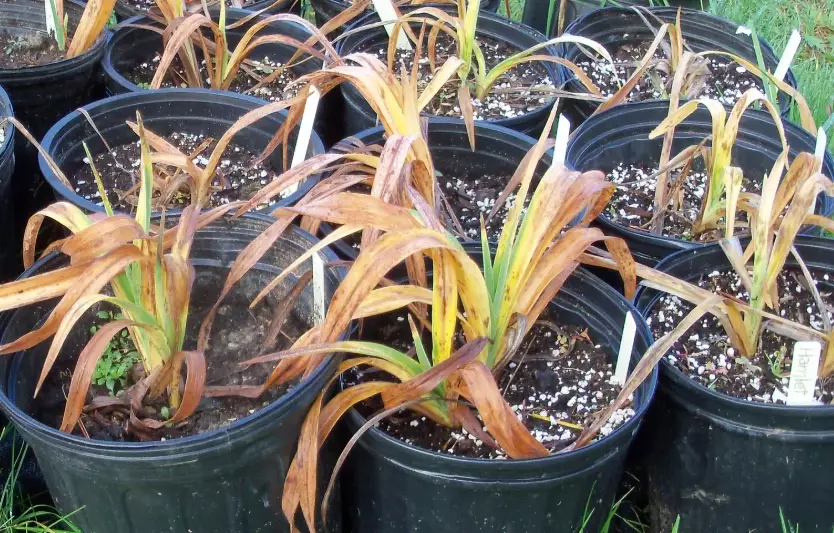
Case Study: Overwintering a Mixed Container Garden in Zone 5
Let's get concrete. Imagine you're in USDA Zone 5 (like parts of Illinois or Pennsylvania), with winters hitting -10°F. You have a container garden with a lemon tree, some herbs, and ornamental grasses.
Here's what I did last year for a similar setup:
First, I moved the lemon tree indoors to a sunroom with temperatures around 50-60°F. It got about 6 hours of indirect light daily. I watered it only when the top two inches of soil were dry—roughly every three weeks. It dropped some leaves, which is normal, but bounced back in spring.
The herbs (rosemary and thyme) went into an unheated garage with a window. They stayed dormant but alive. I watered them once in December and once in February—just enough to prevent total dryness.
Ornamental grasses were left outdoors. I cut them back to about 6 inches and mulched the pots with straw. The pots were placed against a south-facing wall for extra warmth. They survived just fine, even with snow cover.
Total cost? Almost zero, just some time and attention. The key was matching each plant's needs rather than applying a blanket approach.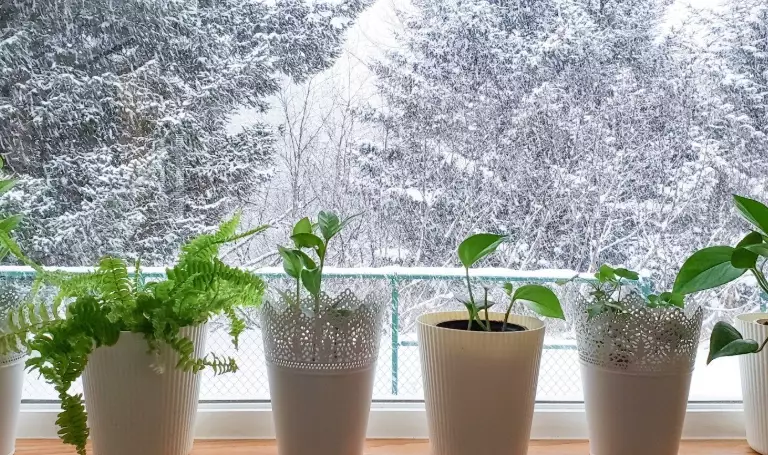
FAQ: Your Burning Overwintering Questions Answered
Overwintering plants boils down to observation and adaptation. Start early in fall, tailor your approach to each plant, and don't be afraid to experiment. Your garden will thank you come spring.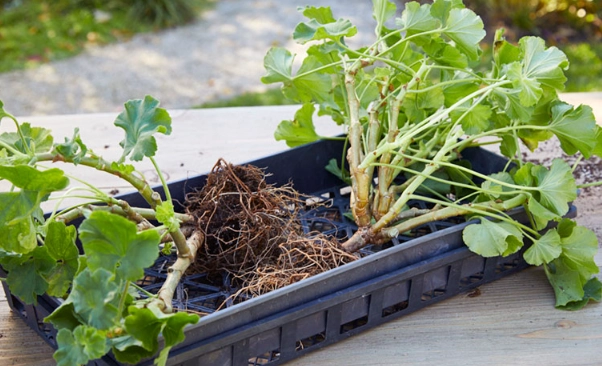
Reader Comments