You plant two identical lavender bushes. One flourishes with fragrant blooms, the other looks sad and stunted. You follow the seed packet instructions for tomatoes to the letter, but they just won't fruit like they should. The problem likely isn't your watering can or your fertilizer. It's that you're gardening in a single, imaginary climate that doesn't actually exist in your yard. Your garden is a patchwork of microclimates—small areas with unique combinations of sunlight, wind, moisture, and heat. Learning to read this hidden map is the single biggest leap from a struggling gardener to a confident one. It lets you stop fighting your space and start partnering with it.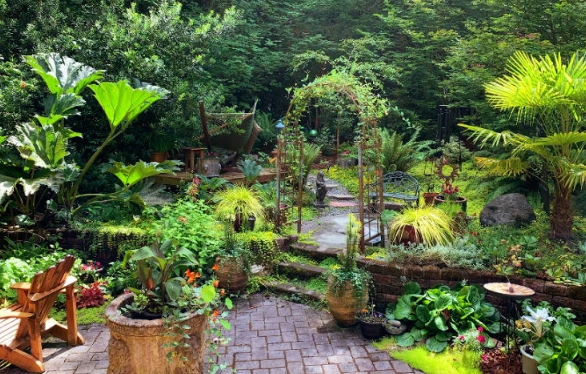
What You’ll Discover in This Guide
What Exactly Is a Garden Microclimate?
Forget the official USDA Hardiness Zone map for a second. That map, like the one from the United States Department of Agriculture, gives you a broad regional average. A microclimate is the hyper-local deviation from that average. It's the result of physics playing out in your specific space.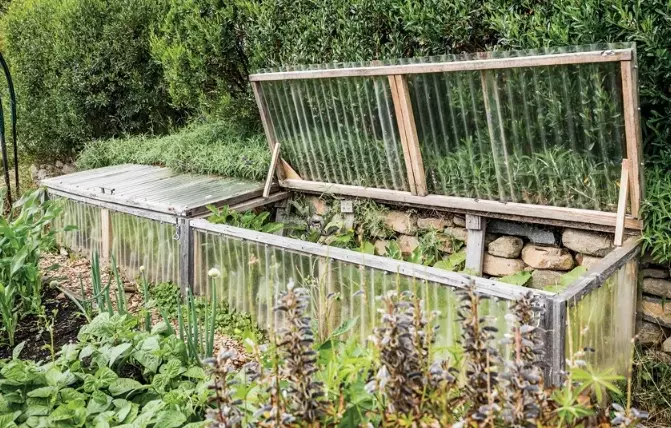
Think about the south-facing wall of your house. It soaks up sun all day, radiates heat at night, and is often protected from north winds. That wall might be a full zone warmer (5-10°F) than the open lawn just 15 feet away. That's a microclimate. Conversely, the low spot at the bottom of your slope where cold air settles—a frost pocket—can be a zone cooler. Other factors create microclimates too: a dense evergreen hedge creates a dry, shaded strip; a pond adds humidity and moderates temperature; a gravel path acts as a heat sink.
Key Takeaway: A microclimate isn't just about temperature. It's the combination of sun exposure, wind patterns, moisture (both air and soil), and thermal mass. A shady spot under a tree is cooler, but also drier because the tree roots suck up water. That's two factors changing at once.
How to Map Your Garden's Hidden Microclimates
You don't need fancy gear. You need to become a detective for a week. The best time to do this is in spring or fall when temperature swings are noticeable.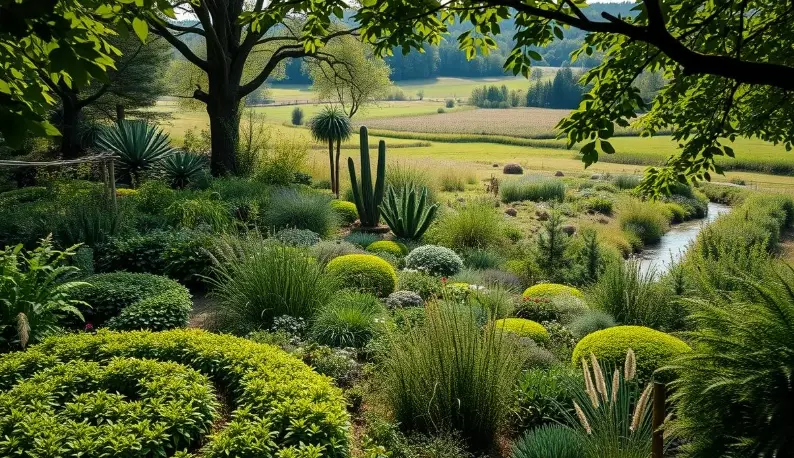
The Observation Method: Your Eyes and Hands
Start simple. Walk your garden at different times.
- Morning: Where does the frost linger longest? That's a cold spot. Where does the sun hit first? That's a potential warm spot.
- Midday: Track the shade. Draw a crude map. Note where it's deep shade (from buildings) vs. dappled shade (from trees).
- Evening: Feel for breezes. Is there a wind tunnel between your house and fence? Stand there. Is the air still behind the shed?
- After rain: Where do puddles form last? That's a drainage issue and a cool, wet microclimate. Where does the soil dry out first? That's a hot, dry spot.
The Data Method: A Cheap Thermometer is Your Best Friend
Observation gets you 80% there. For the rest, buy two inexpensive outdoor thermometers. Place one in a "control" spot—maybe the middle of your lawn. Place the other in a spot you're curious about: against the south wall, in that low corner, under the pine tree. Check them at dawn (the coldest time) and mid-afternoon (the warmest). The differences will shock you. I once recorded a 12°F (about 7°C) difference at 7 AM between my sunny patio and my vegetable garden 30 feet away.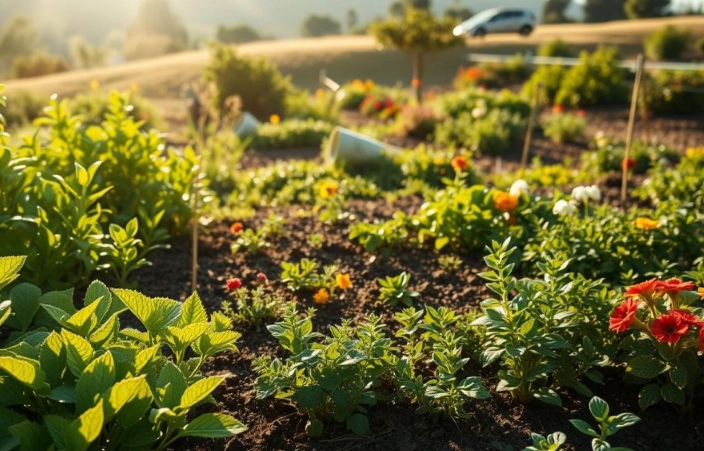
Here’s a quick-reference table for common microclimates you can probably find right now:
| Microclimate Feature | Typical Effect | Plants That Might Love It |
|---|---|---|
| South/West-Facing Wall | Warmer, drier, protected from cold winds. "Heat sink" effect. | Fig, rosemary, lavender, cacti, tender perennials. |
| North/East-Facing Wall | Cooler, shadier, often damp. Minimal direct sun. | Hostas, ferns, astilbe, hellebores, moss. |
| Low Spot or Bottom of Slope | "Frost pocket." Cold air drains here. Can be wet. | Winter-hardy plants, moisture lovers (if wet), avoid early bloomers. |
| Top of Slope or Mound | Drier, better drained, more exposed to wind. | Drought-tolerant herbs, ornamental grasses, some bulbs. |
| Under Evergreen Trees | Dry shade. Acidic soil from needles. Tough conditions. | Acid-loving shade plants: rhododendrons (if watered), some heucheras. |
| Near a Pond or Water Feature | Increased humidity, slightly moderated temperatures. | Ferns, ligularia, iris, plants prone to leaf scorch. |
How to Use Microclimates to Grow More (and Weirder) Plants
This is where it gets fun. You're not stuck with plants "for your zone." You can push boundaries.
Case Study: The Fig Tree in Zone 6. The common Chicago Hardy fig is rated for zone 6. Most people plant it in the open yard. It survives but often dies back to the ground, fruiting on new growth. I planted one against a south-facing brick wall. The brick stores summer heat and radiates it on chilly fall nights. The wall blocks the worst winter winds. My fig now acts like it's in zone 7. It maintains 4-foot woody trunks over winter and produces a massive, early crop on old wood. That's microclimate magic.
Look at your map. That hot, dry strip along the driveway? That's your Mediterranean herb garden. The damp, shady corner by the downspout? That's a prime spot for ostrich ferns or a patch of wild ginger. The windy corridor is terrible for tall delphiniums but perfect for low, sturdy sedums that won't flop over.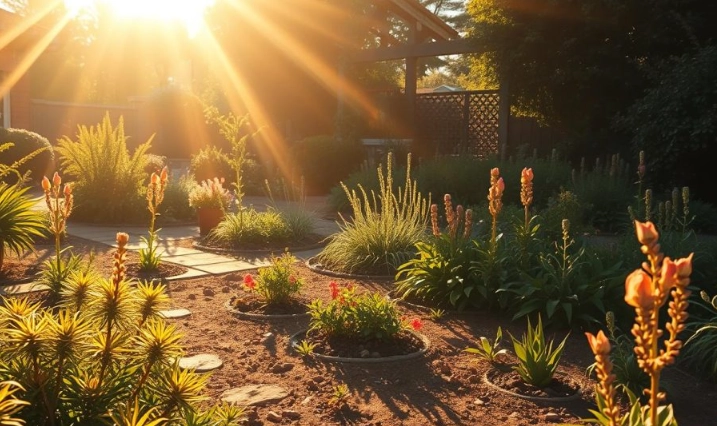
The Big Mistake: Don't just think "warm = better." A warm, sunny spot against a wall can also be a rain shadow. The roof overhang may block all natural rainfall. That lavender will love the heat but die without supplemental water its first season. You have to consider all factors together.
How to Create or Modify Microclimates
You're not just a detective; you're an architect. Don't like the microclimates you have? Build new ones.
- To Create Warmth: Use stone walls, gravel paths, or dark-colored mulch as heat sinks. Build a simple stone pile in a sunny spot to create a warm, sheltered nook for reptiles and heat-loving insects (which help pollination). Cold frames and cloches are just temporary, portable microclimates.
- To Create Shade & Coolness: Erect a pergola or arbor. Plant a fast-growing deciduous tree on the west side to block the harsh afternoon sun. A simple lattice screen can create dappled shade for lettuces that bolt in too much heat.
- To Break the Wind: A permeable windbreak (like a hedge or trellis with vines) is better than a solid fence. A solid fence creates turbulent wind on the other side. Plants like willow or privet filter the wind, slowing it down without causing damaging eddies. The Royal Horticultural Society (RHS) has excellent guides on windbreak design.
- To Increase Humidity: Grouping plants together creates a "micro" humid zone as they transpire. Adding a small water feature or even placing pebble trays around potted plants works.
Common Microclimate Mistakes Even Experienced Gardeners Make
I've made these myself. The first one cost me a beautiful Japanese maple.
1. Ignoring the Drip Line. That cozy spot under the eaves is warm and dry. Too dry. Unless you're planting a cactus, the lack of rainwater means you've signed up for permanent watering duty. Always factor in your roof's drip line as a super-dry zone.
2. Overlooking Winter Sun. A spot that's shaded in summer by a large deciduous tree might be in full, blazing sun in winter when the leaves are gone. This is a major cause of "winter scorch" on broadleaf evergreens like rhododendrons. They thaw out on a warm winter day and then get zapped by the sun, losing moisture they can't replace from frozen roots.
3. Forgetting About Reflectivity. A light-colored wall or fence doesn't just block wind; it reflects light and heat. My friend's white garden shed creates a brilliant, hot microclimate perfect for sun-loving annuals. A dark asphalt driveway does the same but also radiates a lot of heat at night.
4. Fighting the Inevitable. That low, soggy spot will never be a great place for lavender, no matter how much sand you add. Work with it. Make it a bog garden, plant iris ensata and joe pye weed. Celebrate the microclimate you have, don't just mourn the one you want.
Your Microclimate Questions, Answered
My garden's south wall gets super hot, but plants still seem to get scorched. What's going on?
You've likely hit the "heat and drought" double whammy. Walls, especially under eaves, create rain shadows. The soil there is probably bone-dry and may even be hydrophobic. The intense heat increases evaporation. The fix isn't just heat-tolerant plants, it's drought-tolerant ones suited to that specific combo. Think sedums, santolina, or thyme. And water deeply during establishment—more than you think. Mulch heavily with gravel to retain what moisture there is and reduce soil temperature spikes.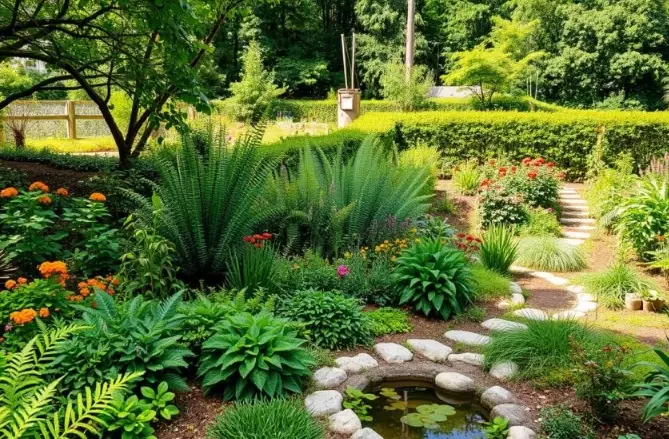
Can I use microclimates to grow vegetables that aren't normally suited for my area?
Absolutely, but be strategic. Warm-season crops like peppers and eggplants are prime candidates. Plant them against a south-facing wall or in a raised bed with dark stone edges. You'll get earlier fruiting and a longer harvest. For cool-season crops like spinach and lettuce that bolt in heat, use microclimates to extend your spring and fall seasons. Plant them on the north side of a taller crop (like corn or tomatoes) for afternoon shade, or in a spot that gets morning sun but afternoon shade.
What's the cheapest tool to start measuring my garden's microclimates?
Your hands and a $15 digital meat thermometer. Seriously. For soil temperature, push the probe a few inches into the soil in different spots. For air temperature, just hold it in the spot you're checking (out of direct sun for an accurate air reading). You can get a baseline in an afternoon. The goal isn't laboratory precision; it's understanding relative differences. Is the soil by the wall 10 degrees warmer than the open bed? That's the valuable insight.
The shift from seeing your garden as a uniform plot to a mosaic of tiny worlds changes everything. You stop blaming yourself for failures and start making smarter, more creative choices. You work with your land, not against it. Start with a walk tomorrow morning. Notice where the dew is heaviest, where the sun lands first. You've just begun reading your garden's most important map.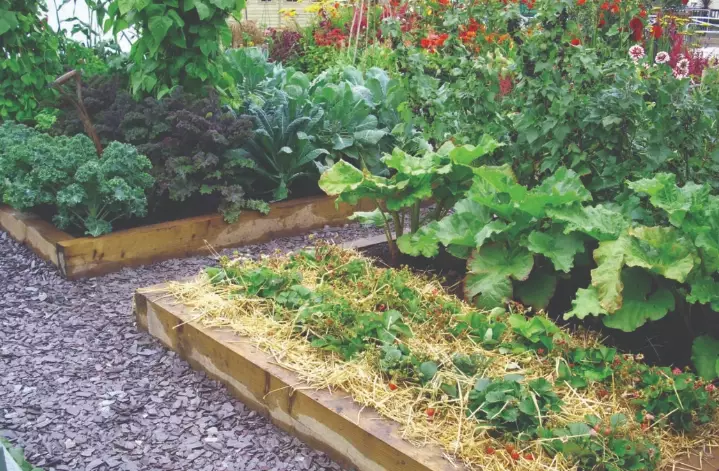
Reader Comments