Let's be honest. Most advice on saving water in the garden starts and ends with "water less." It's frustratingly vague. If you've ever watched plants wilt or struggled with a skyrocketing summer water bill, you know there's more to it. Water conservation gardening isn't about deprivation; it's about creating a self-sufficient ecosystem that thrives with what nature provides. It's the difference between constantly nursing a thirsty lawn and cultivating a landscape that bounces back after a heatwave.
I learned this the hard way after moving to a region with seasonal drought. My first summer, I was out with the hose every other evening, fighting a losing battle against brown patches. The turning point wasn't a new sprinkler; it was a complete rethink of what my garden could be.
What You'll Learn in This Guide
What Water Conservation Gardening Really Means (And What It Isn't)
Forget the image of a barren, cactus-filled yard. A true water-conscious garden is vibrant, layered, and full of life. The goal is efficiency and resilience, not just reduction. It's about directing every drop to maximum effect.
The biggest misconception? That it's only for dry climates. Even if you get regular rain, principles like soil health and smart zoning prevent runoff and make your garden more resilient during unexpected dry spells. It's good practice everywhere.
Think of it as building a sponge that stores water (your soil), planting things that are happy with occasional drinks (your plants), and then delivering water precisely where and when it's needed (your irrigation). When all three work together, you stop "watering the garden" and start "managing a watershed."
The Five Non-Negotiable Principles of a Low-Water Garden
These aren't just tips; they're the pillars. Skip one, and you're making the job harder.
1. Right Plant, Right Place (The Golden Rule)
This is the most overlooked step. A sun-loving, drought-tolerant lavender will drown and rot in a shady, damp corner. Match the plant's natural preferences to the specific conditions in your yard—sun exposure, wind, and soil type. Group plants with similar water needs together (this is called hydrozoning). Don't put a thirsty hosta in the same bed as a rugged sedum.
2. Soil is Everything, Not an Afterthought
Here's a secret from two decades of gardening: focus on your soil more than your irrigation schedule. Compacted or sandy soil lets water run right through. You need soil rich in organic matter—compost, well-rotted manure. This stuff acts like a reservoir, holding moisture and making it available to plant roots. I add a 2-inch layer of compost to my beds every spring without fail. It's the single best investment.
3. Mulch is Your Best Friend
A 3-inch layer of mulch (shredded bark, wood chips, gravel) is like putting a lid on your soil's water tank. It suppresses weeds that compete for water, keeps soil temperatures even, and dramatically reduces evaporation. The difference in soil moisture under mulch versus bare soil after a week of sun is shocking.
4. Water Deeply, Infrequently, and Smartly
Frequent, shallow watering teaches roots to stay near the surface, where they dry out fast. Instead, water thoroughly so moisture soaks down 6-8 inches. This encourages deep, resilient roots. Water in the early morning to minimize loss to wind and evaporation. Ditch the oscillating sprinkler for a drip irrigation system or soaker hoses that deliver water directly to the root zone.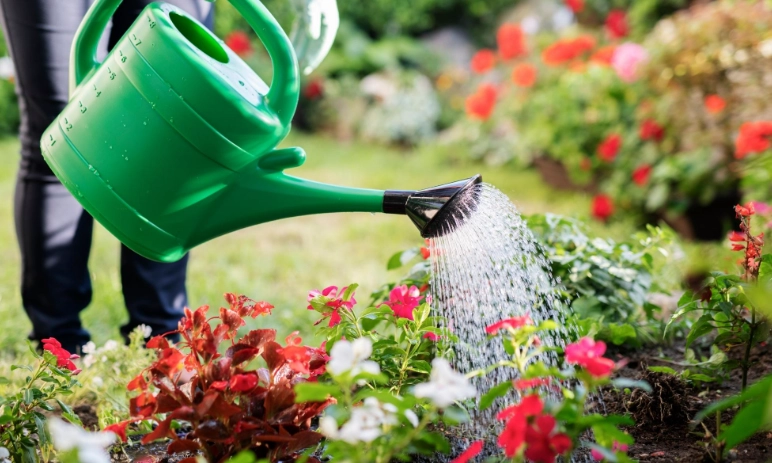
5. Accept and Embrace a Different Aesthetic
A water-wise garden won't look like a saturated English cottage garden in August. It might have more silvery foliage, interesting textures, and plants that go dormant in summer heat. The beauty is in its toughness and seasonal changes. It looks alive in a different way.
Common Mistake I See: People install a drip system but ignore soil prep. They're efficiently delivering water to soil that can't hold it. The water just percolates down past the root zone. Always, always improve your soil first.
Plant Selection: Your Master List of Drought-Tolerant Champions
"Drought-tolerant" is a broad term. Some plants survive with almost no water, others just need less than average. Here’s a breakdown of reliable performers, categorized to help you plan.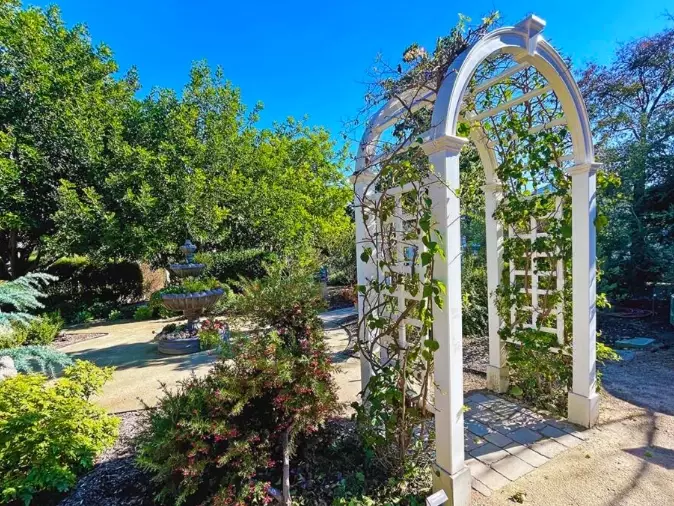
| Plant Name | Type | Key Characteristics & Why It's Tough | Best For |
|---|---|---|---|
| Lavender (Lavandula) | Perennial Shrub | Aromatic, silvery foliage, hates wet feet. Needs full sun and excellent drainage. Overwatering kills it faster than drought. | Sunny borders, herb gardens, low hedges. |
| Sedum 'Autumn Joy' | Perennial | Succulent leaves store water. Provides structure and late-season pink blooms that bees love. Almost indestructible. | Front of borders, rock gardens, mass planting. |
| Russian Sage (Perovskia) | Perennial Shrub | Airy, lavender-blue spikes on silvery stems. Loves heat and poor soil. Gets floppy if soil is too rich or wet. | Mid-border, adding height and a haze of color. |
| California Poppy (Eschscholzia) | Annual/Perennial | Self-seeds readily. Bright orange flowers close at night. Thrives on neglect in well-drained soil. | Meadows, filling gaps, sunny slopes. |
| Feather Reed Grass (Calamagrostis) | Ornamental Grass | Vertical accent, tan winter interest. Tolerates a range of soils once established. Provides movement. | Accent plant, screening, winter structure. |
| Rosemary (Rosmarinus) | Herb/Shrub | Culinary herb, can be shaped. Woody, aromatic, thrives in hot, dry conditions. Excellent in containers. | Herb gardens, containers, evergreen hedging. |
Don't forget natives. Plants indigenous to your area are genetically wired for your local rainfall patterns. Check with your local university extension service or native plant society for lists tailored to your region. The Lady Bird Johnson Wildflower Center database is an incredible resource for North American natives.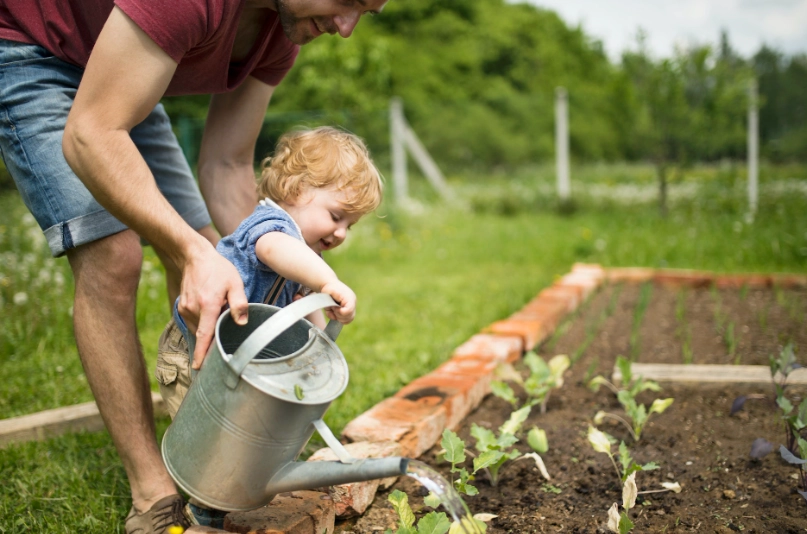
A Step-by-Step Plan to Convert Your Existing Garden
You don't need to rip everything out. Start with one area—maybe that thirsty strip of lawn by the driveway or a flower bed that always struggles.
Phase 1: The Audit (Do this on a dry day)
- Map your sun and shade: Track how sunlight moves across your yard. Full sun (6+ hours), part sun, full shade.
- Identify problem areas: Where does water pool? Where does it dry out first? Where is the soil compacted?
- Evaluate what you have: Which plants are thriving with minimal care? Which are constantly needing rescue? The thrivers are clues to your natural conditions.
Phase 2: The Plan
Sketch a rough layout. Group areas by water need: a "low-water zone" in the sunniest, driest spot, a "moderate zone" for plants that need occasional summer water, and if you must, a "high-water zone" close to the house for a few favorites. This is hydrozoning in action.
Phase 3: Soil and Infrastructure First
1. Kill or remove existing lawn/weeds in the new area (smother with cardboard, or dig out).
2. Amend the soil deeply. Work in 3-4 inches of compost. Don't just sprinkle it on top.
3. Install drip irrigation lines before planting. It's messy to do it after.
4. Plant. Water them in well to establish, then gradually stretch the time between waterings to train those deep roots.
5. Mulch immediately. Don't leave soil bare.
This process takes a season. Be patient. Establishment watering is crucial, but after 6-12 months, you'll see the payoff in dramatically reduced maintenance.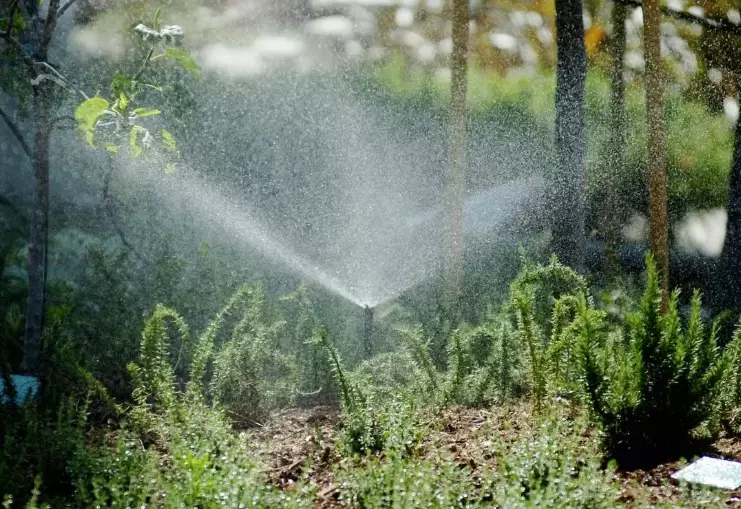
Expert Answers to Your Trickiest Water-Saving Questions
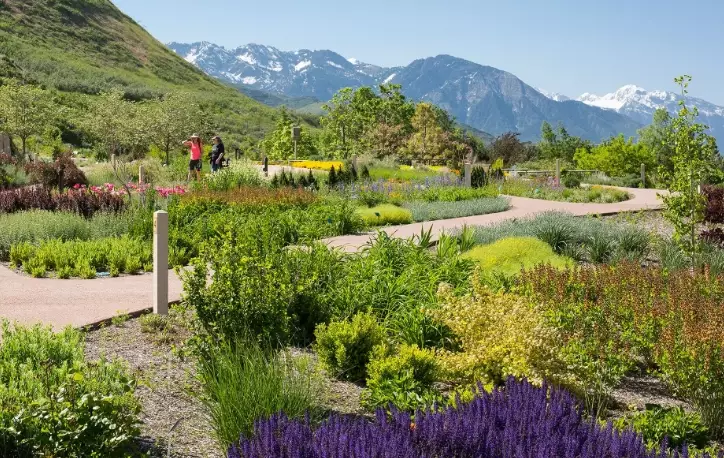
The shift to water conservation gardening is a mindset. It's about working with your local environment, not against it. You'll have fewer fungal diseases, fewer weeds, and spend less time dragging hoses. When a heatwave hits, you won't panic. You'll watch your garden endure it, and that's a deeply satisfying kind of beauty.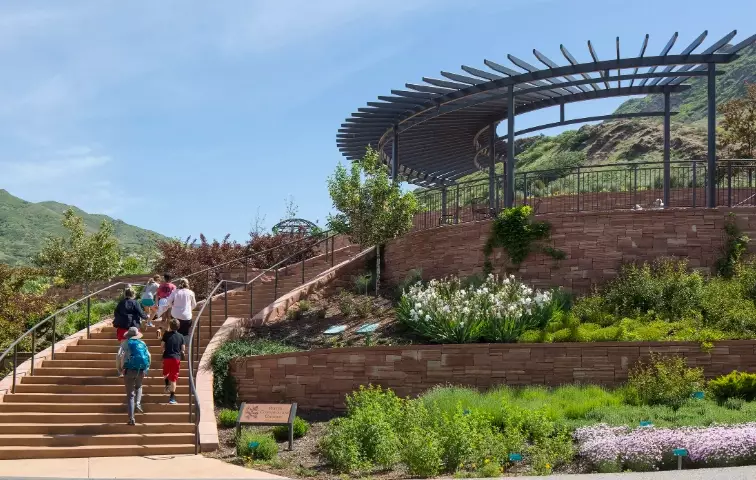
Reader Comments