For years, my garden was a quiet, tidy, and frankly, a bit lonely place. The lawn was green, the beds were weeded, but it felt static. Then, a single patch of native coneflowers changed everything. Almost overnight, it was buzzing with bees and visited by goldfinches. That's when it clicked – attracting wildlife isn't about building a zoo; it's about rolling out the welcome mat by providing the basics: food, water, shelter, and a place to raise young. The reward? A garden that's alive, dynamic, and does a world of good for local ecosystems. Let's get into how you can do the same, starting with what matters most.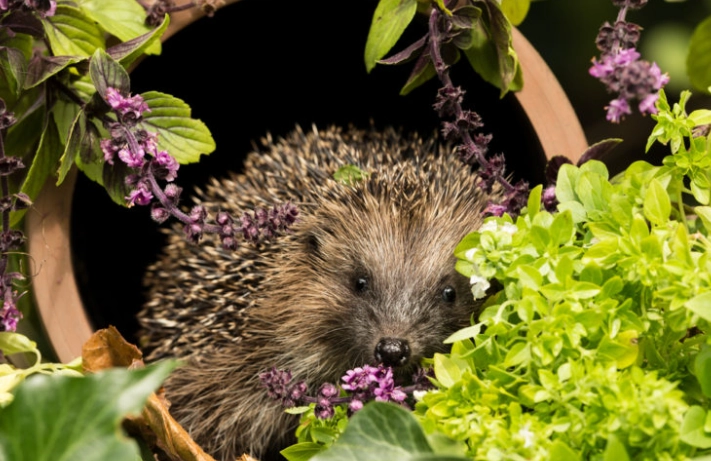
What's in this guide?
- Why Bother Attracting Wildlife? (Beyond Just Being Pretty)
- Food First: Planting a Year-Round Wildlife Café
- Water is Life: More Than Just a Birdbath
- Shelter & Security: Creating Safe Havens
- 5 Common Mistakes That Keep Wildlife Away
- Your No-Stress Getting Started Plan
- Your Wildlife Garden Questions Answered
Why Bother Attracting Wildlife? (Beyond Just Being Pretty)
Sure, watching a hummingbird hover is magical. But the benefits run deeper. A garden teeming with life is a functional ecosystem. Birds like chickadees and wrens devour thousands of insects, including caterpillars that chew on your veggies. Native bees, butterflies, and other pollinators are essential for the fruits and vegetables many of us grow. Even toads and beetles help break down organic matter and aerate the soil.
Think of it as building a neighborhood watch for your plants. You're recruiting a team of natural pest controllers, pollinators, and soil engineers. The Royal Horticultural Society and the National Wildlife Federation have long championed this approach, shifting focus from ornamentation to ecological function. Your garden becomes a small but vital patch in a fragmented landscape, offering refuge to species struggling with habitat loss.
Food First: Planting a Year-Round Wildlife Café
The biggest shift from a conventional garden is moving from seasonal bursts of food to a reliable, year-round buffetForget just summer blooms. You need plants that provide nectar in spring, berries in fall, and seeds that stand through winter.
Building Your Plant Palette
Don't just buy random "butterfly-friendly" plants. Think in layers and seasons. Here’s a simple framework:
| Season | Plant Type & Examples | Who It Attracts |
|---|---|---|
| Early Spring | Early bloomers: Pulsatilla, Willow (catkins), Native Violets | Emerging bumblebee queens, early butterflies, hungry birds. |
| Late Spring/Summer | Nectar powerhouses: Bee Balm, Coneflower, Joe-Pye Weed, Salvia | Butterflies, bees, hummingbirds, beneficial wasps. |
| Fall/Winter | Seed heads & berries: Sunflowers, Sedum (leave stalks!), Winterberry Holly, Dogwood stems | Finches, sparrows, overwintering birds. Provides crucial cold-weather calories. |
And a quick note on bird feeders: they're a great supplement, especially in winter, but they're like fast food. A garden full of native seeds and berries is the wholesome, home-cooked meal that truly sustains them. I keep a couple of tube feeders with black oil sunflower seeds, but I rely more on my standing plants.
Water is Life: More Than Just a Birdbath
Water is the most overlooked element. A clean, reliable water source will attract more species than any feeder. But it's not just for drinking. Birds bathe to keep their feathers in flight condition, and amphibians like frogs need it to survive.
The classic birdbath is fine, but it has drawbacks. It needs cleaning every few days to prevent algae and mosquito larvae. A better solution is a shallow, moving water feature.
- The Dripper or Mister: A simple device that attaches to your birdbath or hangs above it, letting water drip or mist. The sound and movement are irresistible to birds.
- The Pebble Tray: A shallow plant saucer filled with pebbles and just enough water to not cover them. This is perfect for bees, butterflies, and other insects to land and sip safely without drowning.
- The Ground-Level Dish: Place a shallow dish at ground level in a sheltered spot for mammals like hedgehogs (in some regions) or toads.
I made my own pebble tray from a terracotta pot saucer. It's the busiest spot in my garden on a hot summer day, constantly visited by tiny solitary bees I never noticed before.
Shelter & Security: Creating Safe Havens
Wildlife needs places to hide from predators, escape bad weather, and raise their young. A perfectly manicured garden is a dangerous, exposed desert.
Embrace the "Messy"
This is where most new gardeners hesitate. It feels counterintuitive.
- Leave the Leaves: Don't rake every last leaf in fall. Pile them in a corner or under shrubs. They become overwintering habitat for countless insects, butterfly chrysalises, and foraging ground for birds.
- Don't Deadhead Everything: Let some flowers go to seed. Those dried seed heads are food, and their hollow stems are perfect nesting sites for solitary bees.
- Create Brush Piles: Stack fallen branches, old logs, and pruned twigs in an out-of-the-way spot. This is a five-star hotel for reptiles, amphibians, and small mammals.
Add Specific Structures
You can also add ready-made shelters:
- Bug Hotels: Fill a wooden frame with hollow bamboo canes, pine cones, and drilled logs. Place it in a sunny, sheltered spot.
- Bird & Bat Boxes: Research the right size of entrance hole and placement for the species in your area. A box for bluebirds is different from one for chickadees.
- Rock Piles: A simple stack of rocks creates cool, damp crevices for toads, lizards, and ground beetles.
5 Common Mistakes That Keep Wildlife Away
I've made some of these myself. Avoiding them will save you time and frustration.
- Using Pesticides and Herbicides. This is the number one deal-breaker. Broad-spectrum insecticides kill the good bugs with the bad. If you must intervene, use targeted methods like hand-picking or insecticidal soap. Tolerate a little damage.
- Planting Only Non-Native Ornamentals. A bed of petunias and impatiens is a food desert for most local insects. They might look nice to you, but they're useless to the ecosystem.
- Over-Cleaning in Fall. The instinct to "tidy up" for winter destroys next year's butterfly generation and removes winter bird food. Do your major cleanup in late spring instead.
- Providing Only Seasonal Food. A garden that's glorious in July but barren in January helps no one. Plan for those lean months.
- Installing a Water Feature That's Too Deep or Slippery. A steep, deep birdbath is a death trap for small birds and insects. Always ensure shallow edges or add rocks for perches.
Your No-Stress Getting Started Plan
Feeling overwhelmed? Don't try to do it all at once. Start small and build on success.
Year 1: Pick one sunny border. Remove a non-native shrub or a section of lawn. Plant a small cluster of 3-5 native flowering perennials (like coneflower, bee balm, and salvia). Add a simple birdbath with a dripper. Commit to not spraying anything in that area.
Year 2: Expand that bed. Add a native shrub with berries (like a blueberry or serviceberry). Build or buy a simple bug hotel. Start leaving the fallen leaves in one corner.
Year 3: Assess what's working. Are more birds visiting? Do you see caterpillar nibbles? Add another layer—maybe a small pond liner for a pebble tray or a bird box. Connect with local native plant societies; they often have sales and expert advice tailored to your exact region.
The goal is progress, not perfection. My own garden took three years to really start humming with life. Now, the daily sightings—a fox sparrow scratching in the leaves, a bumblebee nest in an old mouse hole, the first monarch caterpillar on the milkweed—are the real payoff.