Let's be honest. Most advice on creating a bird friendly garden makes it sound like you need a degree in landscape architecture and a bottomless budget. You don't. I've spent over a decade turning my modest suburban plot into a certified wildlife habitat, and the biggest lesson wasn't about fancy feeders. It was about unlearning the Pinterest-perfect approach and focusing on what birds actually need: food, water, shelter, and a place to raise their young. All without turning your garden into a bug-bitten mess or a neighbor's nuisance.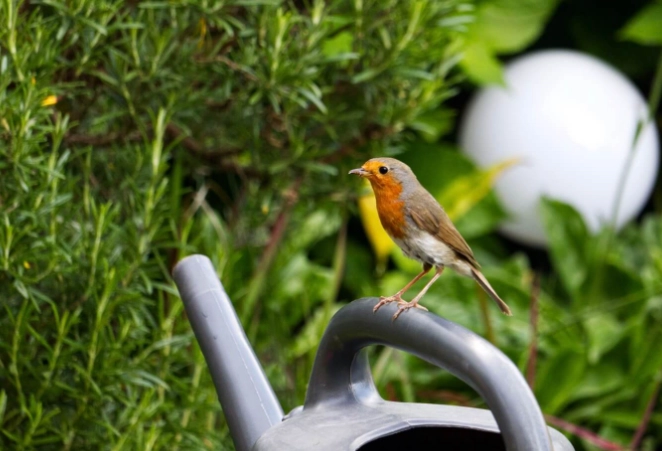
The goal isn't just a few chickadees at a feeder. It's about creating a living, breathing ecosystem that supports birds through all seasons. It's surprisingly straightforward once you know the non-negotiable elements.
Your Bird Garden Blueprint
How to Start Your Bird Friendly Garden (The Right Way)
Don't rush out and buy ten bird feeders. Start by observing. What birds are already visiting your area? Robins? Sparrows? Maybe a downy woodpecker? Your local birds are the best indicator of what your space can support.
The foundation of any habitat for birds is native plants. This isn't just eco-buzzword compliance. Native plants and the insects that co-evolved with them are the primary food source for over 90% of terrestrial bird species, especially when feeding their young. A study from the U.S. Forest Service underscores this critical link. Non-native ornamentals might be pretty, but they're often ecological deserts for local wildlife.
Here's your actionable first-step list:
- Map Your Sun: Spend a day noting which areas get full sun, part shade, and full shade. Plant placement is everything.
- Audit Your Soil: Is it clay, sandy, or loamy? You can get a simple test kit or just observe what weeds grow well—they tell you a lot.
- Think in Layers: Mimic a forest. Canopy (trees), understory (shrubs), herbaceous layer (flowers/grasses), and ground cover. Each layer hosts different bird species.
- Start Small: Convert a 10x10 foot corner this year. Success with a small plot is more motivating than overwhelm from a half-finished yard.
The Plants Birds Actually Love: Moving Beyond the Basics
Everyone says "plant native," but which ones? Avoid generic lists. You need plants that serve multiple functions: nectar for hummingbirds, seeds for finches, berries for thrushes, and most importantly, host insects for caterpillars.
I made the mistake early on of planting a "butterfly bush" (Buddleia). It attracted adult butterflies, sure, but it's non-native and doesn't support caterpillar growth. I swapped it for native milkweed and verbena, and the insect—and thus bird—activity exploded.
Top Tier Bird-Friendly Plants (A North American Example)
Your list will vary by region, but these categories are universal winners:
- The Keystone Tree: Oak A single oak tree can support over 500 species of caterpillars. It's a bird buffet. If you have space for one tree, make it a native oak.
- The Bird Feeder You Don't Fill: Sunflowers & Coneflowers Let them go to seed in fall and watch goldfinches and chickadees feast all winter. Stop deadheading in late summer.
- The Hummingbird Magnet: Native Honeysuckle or Bee Balm Avoid invasive Japanese honeysuckle. Trumpet honeysuckle (Lonicera sempervirens) is a safe, gorgeous alternative.
- The Berry Powerhouse: Serviceberry or Dogwood These shrubs provide spring flowers, summer fruit for birds, and stunning fall color for you.
The subtle mistake? Planting only for fall berries. Birds need high-protein food in spring and summer for breeding. Focus on plants that host lots of insects, like goldenrod, aster, and native grasses.
Beyond Food: The Critical Role of Water, Shelter, and Safety
Food gets all the attention, but a bird bath might attract more species than your feeder ever will. Moving water is the ultimate attractant. A simple solar-powered bubbler in a shallow basin works wonders.
Shelter is non-negotiable. It's protection from predators and harsh weather. This means:
- Leave the Leaves: That neat-freak habit of raking every leaf in fall destroys overwintering insect pupae and removes ground cover for birds like towhees. Mulch them into your beds instead.
- Create Brush Piles : That pile of fallen branches in the corner? It's a five-star hotel for wrens and sparrows. Just stack them loosely.
- Delay Garden Cleanup: Don't cut back dead perennial stems until late spring. They provide winter seeds and hollow stems for native bees to nest in.
What Most Beginners Get Wrong (And How to Fix It)
After visiting dozens of gardens, I see the same patterns.
Mistake #1: The Lonely Feeder in a Green Desert. A feeder hanging over a manicured lawn. It might attract birds, but they have nowhere to hide from hawks, no natural food to fall back on. Fix: Place feeders within 10 feet of dense shrubs or trees so birds can dart to cover.
Mistake #2: Planting in Singletons. One coneflower looks nice to you. To a bee or bird, it's not a reliable food source. Fix: Plant in drifts of at least three to five of the same species. This creates a visible, abundant target.
Mistake #3: Ignoring the Winter Garden. A garden that's cleaned up in October offers nothing from November to March. Fix: Embrace the brown. Seed heads, standing grasses, and fallen leaves are winter lifelines.
My own negative take? The popular "pre-made bird seed mixes" are often full of filler like milo that most birds here just kick to the ground. I wasted money for years. Now I buy black oil sunflower seeds and white millet separately. Less waste, happier birds.
Your Bird Garden Questions, Answered
Building a bird friendly garden isn't a weekend project you finish. It's a shift in perspective. You stop being just a gardener and start being a habitat manager. You'll notice more: the first caterpillar on your milkweed, the wren investigating your brush pile, the first time you see a parent bird gathering insects from your plants for its young.
That connection—knowing your little patch of earth is directly supporting life—is worth every bit of effort. Start with one native plant this season. See what happens.