I remember staring at my lawn a few years ago—it was green, neat, and utterly lifeless. No bees, no butterflies, just the occasional robin hunting for worms. That’s when I decided to tear it up and start creating a habitat garden. It wasn’t about pretty flowers alone; I wanted a space that hummed with life, where birds nested and pollinators thrived. If you’re feeling that itch to transform your outdoor space into something more meaningful, you’re in the right place. This guide cuts through the fluff and gives you a actionable plan to build a wildlife-friendly ecosystem from scratch. Let’s dive in.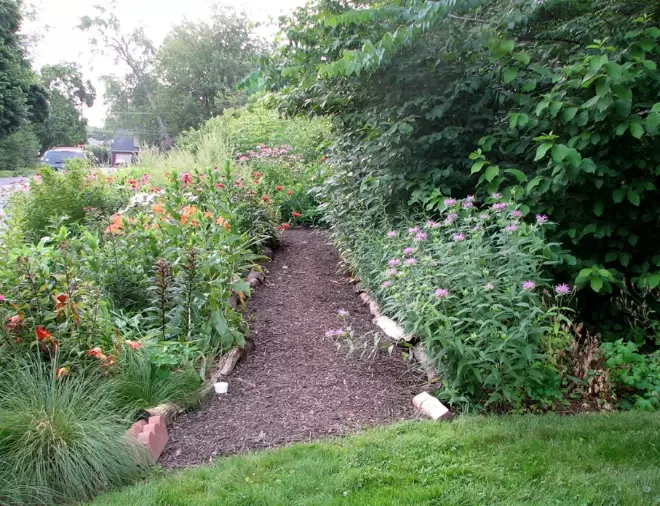
What You’ll Find in This Guide
How to Start Your Habitat Garden: A Realistic Blueprint
Forget the perfect Instagram shots for a moment. Creating a habitat garden is about function over form. Start by looking at your space—not as a blank canvas, but as a potential ecosystem. Size doesn’t matter much; even a balcony can host potted native plants. The key is to think in layers: food, water, shelter, and places to raise young. The National Wildlife Federation’s Garden for Wildlife program calls these the four essentials, and they’re spot on.
First, assess your soil. I made the mistake of skipping this and ended up with plants struggling in clay. Grab a simple test kit or check with your local extension office—they often offer free soil analysis. Next, observe sunlight patterns. Full sun? Partial shade? Note it down. This isn’t busywork; it’ll save you money and heartache later.
Choosing Plants That Actually Work for Your Region
Here’s where most beginners go wrong: they pick plants based on looks, not ecology. Native plants are non-negotiable. They’ve co-evolved with local wildlife, providing the right nectar, seeds, and shelter. For example, in the Midwest, milkweed is a magnet for monarch butterflies, while oak trees support over 500 insect species. Don’t just take my word for it; resources like the Lady Bird Johnson Wildflower Center database can help you find natives by zip code.
I’ll give you a concrete list for a temperate zone, but adjust based on your area:
- For pollinators: Purple coneflower, black-eyed Susan, bee balm. Plant in clusters so insects can find them easily.
- For birds: Sunflowers, elderberry, serviceberry. These offer seeds and berries through seasons.
- For shelter: Grasses like little bluestem, shrubs like viburnum. Leave some leaf litter—it’s a bug hotel.
And please, avoid invasive species like English ivy or butterfly bush (yes, some varieties are problematic). They can choke out natives and disrupt food chains.
Designing for Wildlife: Food, Water, Shelter
Think like a bird or a bee. They need resources year-round. Incorporate a water source—a shallow birdbath with stones for perching works wonders. I added a small pond liner buried in the ground, and now it’s a frog hotspot. For shelter, pile up logs or rocks in a corner. It’s messy, but that’s the point. Wildlife loves untidy edges.
Here’s a quick table to visualize the elements:
| Element | What to Include | Why It Matters |
|---|---|---|
| Food | Native flowers, shrubs, trees with berries | Provides nectar, seeds, and insects for birds and pollinators |
| Water | Birdbath, shallow dish, or small pond | Essential for drinking and bathing; attracts diverse species |
| Shelter | Brush piles, rock walls, dense plantings | Offers protection from predators and weather |
| Places to Raise Young | Dead trees, nesting boxes, host plants for caterpillars | Supports breeding and lifecycle completion |
Don’t overthink the layout. Start small—a corner of your yard—and expand as you learn. I began with a 10x10 foot patch and now have half an acre buzzing with life.
Common Mistakes to Avoid (From My Own Blunders)
I wish someone had told me this earlier. Creating a habitat garden isn’t just about planting and hoping. One subtle error I see: people focus too much on flowers and forget about structure. Without layers—ground cover, mid-height plants, tall trees—you get a flat garden that only attracts passing butterflies. Birds need vertical diversity to feel safe.
Another pitfall is over-maintaining. If you’re constantly deadheading flowers or raking every leaf, you’re removing food and habitat. Let seed heads stand through winter; they’re bird snacks. I used to prune shrubs into neat balls, but now I let them go wild, and the sparrows thank me.
Here’s a non-consensus take: avoid mulch volcanoes around trees. They look tidy but can rot bark and hide pests. Instead, use leaf litter or compost sparingly. It mimics natural forest floors and enriches soil.
Also, don’t ignore soil health. Adding chemical fertilizers might boost growth short-term, but they can harm soil microbes and leach into waterways. Go organic—compost and worm castings are your friends.
Maintaining Your Habitat Garden: Less Work Than You Think
Once established, a habitat garden is surprisingly low-maintenance. The whole point is to let nature do its thing. Water deeply but infrequently to encourage deep roots. I only water new plants for the first season; after that, they fend for themselves.
Weeding? Focus on invasive species, not every dandelion. Dandelions are early pollinator food, so I leave them be. Pest control is mostly hands-off—ladybugs and birds handle aphids. If you must intervene, use soap sprays or hand-picking. No broad-spectrum pesticides; they’ll wipe out the good bugs too.
Seasonal tasks are light. In fall, leave stems standing. In spring, cut them back before new growth starts. It’s a rhythm that feels more like stewardship than chore.
Your Burning Questions Answered
How small can a habitat garden be and still be effective?
Even a container garden on a patio can support pollinators. Focus on dense plantings in pots—like native herbs or compact flowers. I’ve seen bees thriving on a balcony with just five pots of lavender and salvia. Scale doesn’t limit impact; design does.
What’s the biggest mistake beginners make when selecting plants for a wildlife garden?
Choosing plants based solely on bloom color or height, without checking if they’re native to their region. Non-natives might look pretty but often don’t support local insect larvae, which are crucial for bird food chains. For instance, planting exotic ornamentals might attract adult butterflies, but if they can’t lay eggs on them, you’re missing half the lifecycle.
Can I create a habitat garden in a shady area with poor soil?
Absolutely. Shade-loving natives like ferns, wild ginger, or coral bells work well. Improve soil with compost rather than replacing it—it’s cheaper and more sustainable. I have a shady corner under a maple tree where hostas and native violets thrive, and it’s a haven for salamanders.
How do I deal with neighbors who complain about a "messy" habitat garden?
Frame it as a conservation effort. Add a small sign explaining it’s a wildlife habitat—many communities recognize certified gardens through programs like the National Wildlife Federation. Keep edges tidy if needed, but educate gently. Sometimes, inviting them over to see the butterflies can change minds.
Is it expensive to start a habitat garden from scratch?
Not necessarily. Start with seeds or divisions from friends—native plant swaps are gold. I began with free milkweed seeds from a local group. Prioritize perennials over annuals; they come back yearly, saving money long-term. Tools? A shovel and gloves are enough initially.
So, what’s stopping you?
Creating a habitat garden isn’t a one-time project; it’s a journey of watching life return to your piece of earth. Start this weekend—pick a spot, test your soil, and plant one native shrub. The bees will find it sooner than you think. For more inspiration, check out the Xerces Society for Invertebrate Conservation’s guides on pollinator habitats. They’re a treasure trove of science-backed tips. Now, go get your hands dirty.