You've planted, watered, and nurtured. Then you see it—holes in the leaves, sticky residue, or worse, a plant that's just given up. Garden pests can feel like a personal attack on your hard work. But here's the thing most beginners miss: seeing a bug doesn't mean you're at war. Your first reaction shouldn't be to grab the strongest spray you can find. Often, that makes things worse. A healthy garden is an ecosystem, and your job is to manage it, not nuke it. This guide cuts through the noise. We'll look at the usual suspects, figure out what they're really telling you about your garden's health, and walk through control methods that work without wrecking the good bugs you actually want around.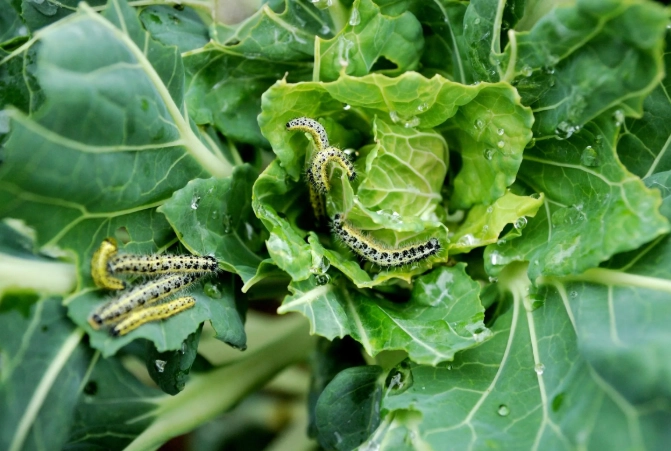
Quick Navigation: What You'll Find Here
How to Identify Common Garden Pests
Before you do anything, you need to know who you're dealing with. Misidentification is the number one reason control efforts fail. You might be spraying for caterpillars when the real culprit is a beetle. Look for the pest itself, but also pay close attention to the damage pattern and the plant affected. Here's a rundown of the most frequent offenders.
The Sap-Suckers: Aphids, Whiteflies, and Spider Mites
These guys don't chew; they pierce and suck. The damage is often subtle at first—yellowing leaves, stunted growth. Look for sticky honeydew (a shiny residue) on leaves, which can lead to sooty mold. Ants farming aphids for this honeydew is a dead giveaway.
Aphids are the classic. Tiny, pear-shaped, and they come in green, black, or even pink clusters on new growth and undersides of leaves. A strong blast of water from the hose is often enough to knock them off for good. Ladybugs and lacewings are their natural predators.
Spider mites are nearly microscopic. You'll see fine webbing on the plant, especially under leaves, and leaves that look stippled or dusty. They love hot, dry conditions. Increasing humidity and spraying the undersides of leaves regularly can deter them.
The Leaf-Munchers: Caterpillars, Beetles, and Slugs/Snails
These leave obvious holes or missing sections. The pattern tells you who it is.
Cabbage worms (the larvae of white butterflies) will skeletonize leaves, leaving only the veins. Japanese beetles are metallic green and copper and chew leaf tissue between the veins, giving leaves a lacy appearance. They're clumsy fliers and easy to pick off into a jar of soapy water in the early morning.
Slugs and snails are the nighttime raiders. They leave irregular holes and shiny slime trails. They hide under boards, pots, or dense foliage during the day. A saucer of beer sunk into the ground is a classic, effective trap. I find the cheap lager works better than the craft IPA—a pointless but true observation from my own garden.
Pro Tip: Don't Forget the Soil Pests
If your seedlings keep getting cut off at the base overnight, think cutworms. They hide in the soil by day. A simple cardboard collar (like from a toilet paper roll) pushed an inch into the soil around the stem creates a physical barrier. Grubs (beetle larvae) eat grass and plant roots from below. If you see sections of lawn peeling back like loose carpet, or plants wilting despite water, grubs might be the issue. Encouraging birds and applying beneficial nematodes (microscopic worms that parasitize grubs) are effective long-term solutions.
| Pest | What to Look For | Favorite Plants | Immediate Action |
|---|---|---|---|
| Aphids | Clusters of tiny bugs on new growth, sticky residue. | Roses, beans, kale, fruit trees. | Blast with water; introduce ladybugs. |
| Japanese Beetles | Metallic green/copper beetles, skeletonized leaves. | Roses, grapes, raspberries, linden trees. | Hand-pick into soapy water (early AM). |
| Cabbage Worms | Green caterpillars, holes in leaves, dark green frass (droppings). | Cabbage, broccoli, kale, Brussels sprouts. | Check undersides of leaves; use row covers. |
| Slugs & Snails | Irregular holes in leaves, shiny slime trails. | Hostas, lettuce, strawberries, seedlings. | Beer traps, diatomaceous earth (when dry). |
| Squash Bugs | Flat, grayish-brown bugs, wilting vines, bronze leaves. | Squash, pumpkins, cucumbers. | Check under leaves for egg clusters (remove). |
Organic Pest Control Methods That Actually Work
Reaching for a synthetic pesticide is a short-term fix with long-term problems. It kills pollinators, harms soil life, and can lead to resistant pest populations. Organic control is about strategy, not just swapping one spray for another.
Physical and Mechanical Controls
These are your first line of defense and often the most effective.
- Hand-picking: It's tedious but unbeatable for large pests like beetles and hornworms. Do it in the early morning when they're sluggish.
- Water Spray: A firm jet of water dislodges aphids, spider mites, and thrips. It disrupts their feeding and can wash away eggs. Do this in the morning so plants dry quickly.
- Row Covers: Lightweight fabric barriers like floating row covers are a game-changer for crops like cabbage and squash. They physically block pests from reaching the plants. Just remember to remove them when flowers need pollination.
- Barriers: Copper tape around pots deters slugs and snails (they get a mild electric shock). Collars for cutworms, as mentioned.
Natural Sprays and Treatments
When physical methods aren't enough, these can help tip the scales.
Insecticidal Soap: This is not dish soap. Buy a ready-made potassium salts of fatty acids product or follow a precise recipe. It works on contact by breaking down the insect's waxy coating, suffocating soft-bodied pests like aphids. It must coat the pest directly and has no residual effect. Test on a leaf first.
Neem Oil: A misunderstood tool. It's not an instant killer. It works as an antifeedant and growth disruptor. It's most effective when applied as a foliar spray at the first sign of trouble and repeated every 7-14 days. It can harm beneficials if sprayed directly on them, so apply at dusk when bees are less active.
Diatomaceous Earth (DE): A fine powder made from fossilized algae. It's sharp on a microscopic level and damages the exoskeletons of crawling insects. It only works when bone dry and must be reapplied after rain or watering. Use food-grade DE and wear a mask when applying to avoid inhalation. It's non-selective, so keep it away from flowers where bees might land.
Biological Controls: This is the expert-level move. You can buy and release beneficial insects like ladybugs (for aphids) or parasitic wasps (for caterpillars). The key is to release them when pest levels are low to moderate and to have a diverse garden with pollen sources to keep them around. The University of California's Integrated Pest Management Program has excellent guides on this strategy.
Building a Pest-Resistant Garden (The Best Defense)
Chasing pests is exhausting. The real secret is to grow a garden that's inherently less appealing to them. Pests are often nature's cleanup crew, targeting weak, stressed, or unbalanced plants.
Soil Health is Everything: Healthy soil grows healthy plants that can withstand some pest pressure. Add compost regularly. It improves soil structure and fosters beneficial microbes that help plants access nutrients.
Diversity is Your Armor: A monoculture is a pest buffet. Interplant flowers and herbs among your vegetables. Marigolds, nasturtiums, dill, and cilantro attract predatory insects and can confuse pests with their scents. This companion planting isn't magic, but it builds a more resilient ecosystem.
Right Plant, Right Place: A sun-loving tomato planted in shade will be stressed and attract more pests. Know your plants' needs.
Clean Up and Rotate: At season's end, remove spent plants that can harbor overwintering pests and diseases. Practice crop rotation—don't plant the same family (e.g., tomatoes, peppers, eggplant) in the same spot year after year. This breaks pest and disease cycles in the soil.
Accept Some Damage: This is the hardest lesson. A few holes in your kale do not mean the plant is lost. A garden with zero insects is a dead garden. Tolerating a low level of pest activity allows their natural predators to establish and do the work for you.