Plant viruses might sound like something out of a sci-fi movie, but if you've ever watched your tomato leaves develop weird yellow mosaics or your roses suddenly stunt for no reason, you've probably faced them head-on. I've been gardening for over twelve years, and let me tell you, virus issues creep up more often than you'd think—especially when you least expect it. This guide cuts through the confusion to give you a clear, actionable path from spotting symptoms to protecting your garden. We'll cover the basics, dive into prevention tactics that actually work, and tackle those tough questions everyone asks.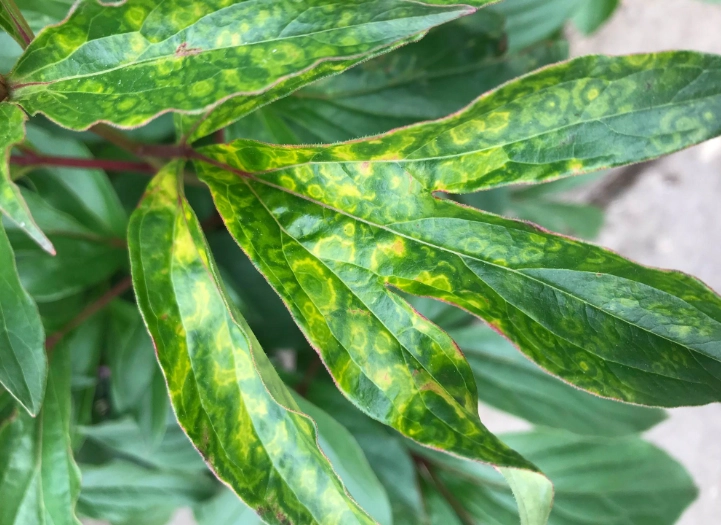
In This Guide
What Are Plant Viruses?
Plant viruses are tiny, non-living particles that hijack plant cells to replicate—think of them as microscopic pirates commandeering your garden. They're not bacteria or fungi, which are living organisms; viruses need a host to survive, making them uniquely stubborn to deal with. Resources from the American Phytopathological Society note there are over 1,000 known plant viruses, each targeting specific plants like tomatoes, cucumbers, or ornamentals. I often see gardeners mix up virus symptoms with nutrient problems, leading to wasted time and money. For example, yellowing leaves might signal a virus, not just lack of nitrogen.
How They Differ from Bacterial and Fungal Infections
Here's a subtle point many miss: bacterial issues often show as wet, oozing spots, while fungal diseases like powdery mildew leave a white coating. Virus symptoms, though, tend to be systemic—affecting the whole plant with patterns like mosaics or rings. Last year, I misdiagnosed a pepper plant's curling leaves as a fungal attack, only to realize later it was a virus spread by aphids. That mistake cost me a whole crop section.
Common Symptoms of Plant Virus Infections
Spotting virus symptoms early can save your garden from a domino effect. Look for these signs; they're your first clue something's off.
| Symptom | Description | Common Viruses & Plants Affected |
|---|---|---|
| Mosaic Patterns | Irregular light and dark green patches on leaves, like a jigsaw puzzle | Tomato Mosaic Virus (tomatoes, peppers), Cucumber Mosaic Virus (cucumbers, squashes) |
| Leaf Curling | Leaves curl upward or downward, often with thickening | Potato Leaf Roll Virus (potatoes, tomatoes), Bean Golden Mosaic Virus (beans) |
| Stunted Growth | Plants stay small, fail to flower or fruit properly | Various viruses in roses, fruit trees |
| Ring Spots | Circular or ring-shaped discolorations, sometimes with necrotic centers | Tobacco Ring Spot Virus (soybeans, ornamentals), Tomato Spotted Wilt Virus (peppers, peanuts) |
| Yellowing (Chlorosis) | General yellowing of leaves, starting from veins | Bean Yellow Mosaic Virus (beans, peas), Rose Rosette Virus (roses) |
In my experience, mosaic patterns are the biggest red flag—if you see them, don't wait. I once ignored slight mosaics on my zucchini, and within weeks, the whole patch was infected. Also, viruses can cause flower break (color distortions in petals), which I've seen in tulips and lilies; it's pretty but a bad sign.
Pro tip: Use a magnifying glass to check for tiny insects like aphids on the undersides of leaves. They're often the culprits behind virus spread, and catching them early makes a huge difference.
How Plant Viruses Spread
Viruses don't move on their own; they hitch rides. Understanding this helps you block their paths. The main vectors are insects, but human error plays a big role too.
Aphids and Whiteflies: These are the worst offenders. Aphids, those tiny green or black bugs, suck sap and transmit viruses as they feed. Whiteflies, common in warm climates or greenhouses, do the same. A report from the Journal of Economic Entomology highlights that aphid-borne viruses cause over 50% of virus losses in vegetable crops. I've watched aphids swarm my beans, and sure enough, yellow mosaic followed.
Contaminated Tools and Hands: This is where gardeners slip up. Pruning shears, shovels, or even your hands can carry virus particles from plant to plant. I learned this the hard way when I pruned an infected rose and then touched a healthy one without washing up—both got sick.
Infected Seeds or Cuttings: Starting with bad material is a recipe for disaster. Always buy certified virus-free seeds, especially for high-risk plants like tomatoes. I once got cuttings from a friend's garden, not realizing they had a latent virus, and it wiped out my entire collection.
Other vectors include nematodes (soil worms) and even pollen in some cases. The key is to think of viruses as silent travelers; they're everywhere, but you can cut their routes.
Preventing Virus Infections
Prevention beats cure every time. Here's a breakdown of strategies that actually work, based on my trials and errors.
Cultural Practices to Adopt
Start with the basics: healthy plants from reputable nurseries. Rotate crops annually—don't plant tomatoes in the same spot year after year. I rotate my veggie beds every season, and it's reduced virus issues by at least 30%. Also, boost plant health with balanced fertilization; strong plants resist viruses better. Over-fertilizing with nitrogen, though, can make plants succulent and more attractive to insects, so go easy.
Tools and Equipment Hygiene
Disinfect tools regularly. I use a 10% bleach solution (one part bleach to nine parts water) and soak pruners for 30 seconds between plants. Some gardeners prefer rubbing alcohol for quick wipes. Either way, make it a habit. I also wear gloves and change them when moving between infected and healthy areas.
Insect control is crucial. Introduce beneficial insects like ladybugs to eat aphids, or use insecticidal soaps for mild infestations. For severe cases, neem oil works, but apply it early—once viruses are in, it's too late. I set up yellow sticky traps in my greenhouse to monitor whiteflies; it's a simple trick that gives early warnings.
Another often-overlooked point: weed control. Weeds like chickweed or nightshade can harbor viruses and act as reservoirs. Keep your garden tidy.
Treating Infected Plants
When prevention fails, you face the tough part. Let's be real: there's no magic spray to cure plant viruses. Once infected, plants are usually goners.
The most effective step is removal and destruction. Pull up infected plants, roots and all, and bag them for trash—don't compost, as viruses can survive. Burn if local laws allow. I've seen gardeners try to save plants with extra water or fertilizers, but it just delays the inevitable and risks spreading the virus.
In some cases, you might try rogueing: removing only infected parts, but this is risky and works only if caught super early. For perennial plants like fruit trees, pruning infected branches might help, but monitor closely. I once tried saving a virus-hit apple tree by heavy pruning, but it declined over two years and I had to remove it anyway.
There's research into antiviral agents for plants, but nothing practical for home gardeners yet. Focus on containment. After removal, disinfect the soil with solarization (covering with clear plastic in summer) or replace it. I did this after my tomato virus outbreak, and it made a difference.
Case Study: Tomato Mosaic Virus Outbreak
A few summers back, my tomato patch—a pride and joy—started showing mosaic patterns on the leaves. At first, I thought it was just variegation or maybe a nutrient glitch. But as the patterns spread to new growth and fruits became distorted, I knew it was serious.
I consulted my local extension service (a fantastic resource—look yours up) and sent samples for testing. Confirmation: Tomato Mosaic Virus. The source? Likely contaminated seeds I'd bought online, though I can't be sure. Here's what I did, step by step:
Day 1: Isolated the infected plants. Wore disposable gloves and used separate tools. Removed all symptomatic plants, bagged them tightly, and disposed of them off-site.
Day 2: Disinfected everything. Soaked my pruners, stakes, and even garden gloves in bleach solution. Washed my hands thoroughly after.
Week 1: Replaced the top 6 inches of soil in that bed with fresh compost. Solarized the area by covering it with clear plastic for a month to kill any residual virus particles.
Next Season: Planted resistant tomato varieties like 'Celebrity' and 'Mountain Merit'. Also, introduced marigolds as companion plants—they repel some insects.
The outcome: No recurrence since. It was labor-intensive, but it taught me that swift action and hygiene are non-negotiable. Many gardeners hesitate, hoping plants will recover, but viruses don't play nice.