I remember the first time I lost an entire row of tomatoes to bacterial wilt. One day they were thriving, the next they looked like someone poured hot water over them. That's the sneaky nature of bacterial wilt—it strikes fast and leaves devastation in its wake. If you're dealing with drooping plants that won't perk up no matter how much you water, you might be facing this bacterial disease. Let's dive into what bacterial wilt is, how to spot it, and most importantly, how to fight back.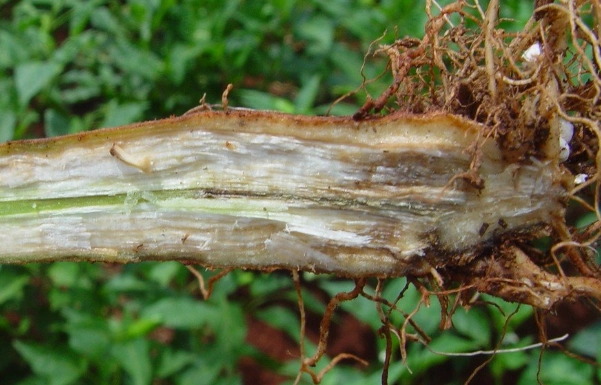
In This Guide
- What is Bacterial Wilt and How Does It Spread?
- Identifying Bacterial Wilt: Symptoms You Can't Ignore
- How to Prevent Bacterial Wilt Before It Strikes
- Effective Treatment Strategies for Infected Plants
- Case Study: Saving Tomatoes from Bacterial Wilt
- Common Mistakes Gardeners Make with Bacterial Wilt
- FAQ: Your Burning Questions Answered
What is Bacterial Wilt and How Does It Spread?
Bacterial wilt is caused by the bacterium Ralstonia solanacearum. It's a soil-borne pathogen that attacks the vascular system of plants, blocking water flow and causing rapid wilting. Think of it as a clog in the plant's plumbing. The bacteria enter through wounds in the roots, often from gardening tools, insects, or even just natural root growth.
Spread happens through contaminated soil, water, or infected plant material. I've seen it move from one bed to another just by using the same shovel without cleaning it. According to the University of California's Integrated Pest Management Program, this bacterium can survive in soil for years, making it a persistent threat. Warm, moist conditions—like those in summer gardens—accelerate its spread.
Common host plants include tomatoes, potatoes, eggplants, and peppers. But don't assume it's limited to nightshades; some strains affect bananas and other crops. The key is understanding that once it's in your soil, it's tough to eradicate.
Identifying Bacterial Wilt: Symptoms You Can't Ignore
Spotting bacterial wilt early can save your garden. The classic sign is sudden wilting during the heat of the day, even if the soil is moist. Leaves go limp, often starting from the top of the plant. Unlike fungal wilts, recovery at night is minimal or absent.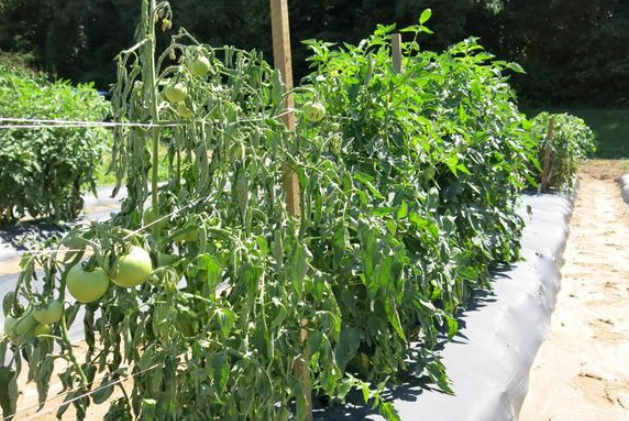
Pro tip: Do the stem test. Cut a lower stem and squeeze it. If a milky, sticky ooze comes out, that's bacterial wilt. Sometimes, you can see bacterial streaming in water—place the cut stem in a glass of water, and if cloudy strands appear within minutes, it's confirmed.
Early Signs vs. Advanced Stages
Early on, you might notice slight yellowing of lower leaves or a general dullness. Within days, wilting becomes severe. In advanced stages, the entire plant collapses, stems turn brown, and roots rot. I've noticed that infected plants often have a distinct sour smell—a detail many guides miss.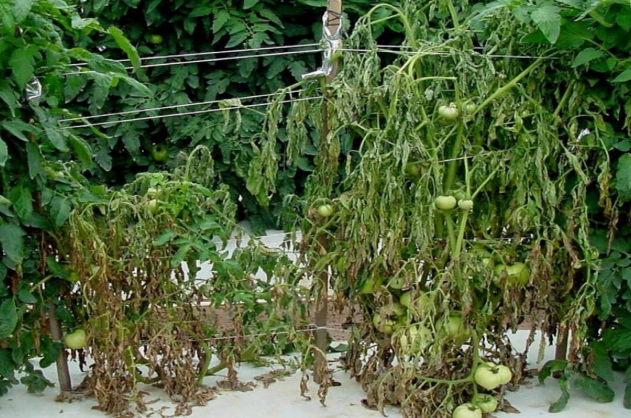
Here's a quick table to compare bacterial wilt with other common wilts:
| Symptom | Bacterial Wilt | Fungal Wilt (e.g., Fusarium) | Drought Stress |
|---|---|---|---|
| Wilting speed | Rapid (hours to days) | Slow (weeks) | Gradual |
| Recovery at night | Little to none | Some improvement | Full recovery with water |
| Stem ooze test | Positive (milky fluid) | Negative | Negative |
| Soil moisture | Irrelevant—wilts even when wet | May worsen with dry soil | Directly linked to dryness |
How to Prevent Bacterial Wilt Before It Strikes
Prevention is your best weapon. Once bacterial wilt sets in, options are limited. Start with soil health. Well-draining soil reduces bacterial activity. I add compost annually to boost beneficial microbes that compete with pathogens.
Rotate crops. Don't plant tomatoes or other susceptible crops in the same spot for at least three years. This breaks the disease cycle. Many gardeners ignore this, thinking a season off is enough, but bacteria linger.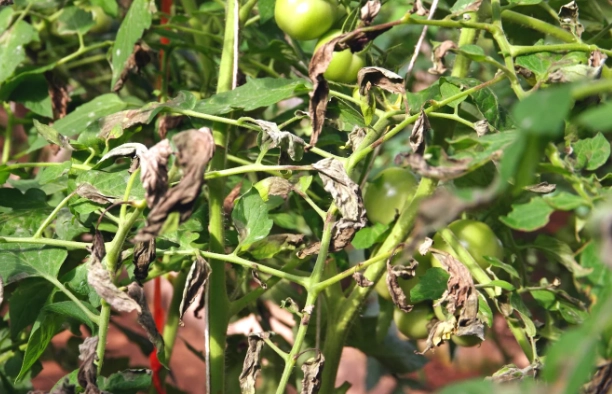
Choose resistant varieties. Look for seeds labeled "bacterial wilt resistant." For tomatoes, varieties like 'Celebrity' or 'Mountain Merit' show some tolerance. It's not foolproof, but it helps.
Sanitize tools. After working in infected areas, clean tools with a bleach solution (1 part bleach to 9 parts water). I keep a spray bottle handy during gardening sessions. Also, avoid working in wet soil to prevent spreading bacteria.
Control insects. Cucumber beetles and other pests can vector the bacteria. Use row covers or organic insecticides like neem oil. A study from the USDA highlights that insect management reduces bacterial wilt incidence by up to 40%.
Effective Treatment Strategies for Infected Plants
If you find bacterial wilt in your garden, act fast. First, remove and destroy infected plants. Don't compost them—the bacteria survive composting temperatures. Bag them and trash them.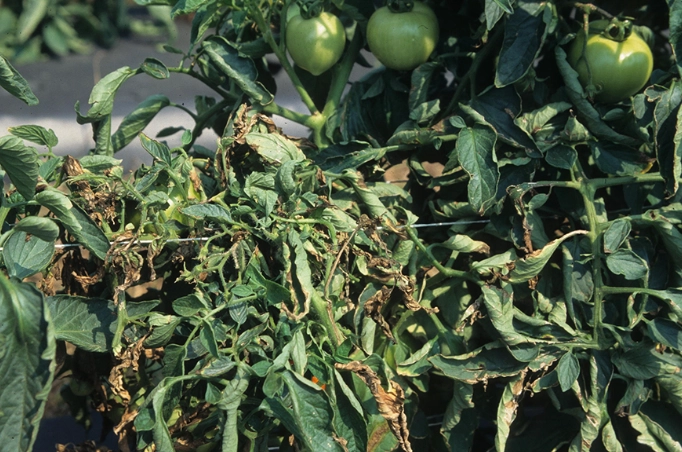
Soil solarization can help in infected beds. Cover the soil with clear plastic during hot summer months for 4-6 weeks. The heat kills many pathogens, though it's not 100% effective for deep soil layers.
Chemical Controls vs. Organic Methods
Chemical options are limited. Copper-based bactericides might slow spread if applied early, but they rarely cure established infections. I've found them useful as a preventative spray in high-risk areas.
Organic approaches focus on boosting plant immunity. Apply compost tea or mycorrhizal fungi to enhance root health. Some gardeners swear by hydrogen peroxide drenches (1 tablespoon per gallon of water), but evidence is anecdotal. From my experience, it's more about containment than cure.
Biological controls like introducing beneficial bacteria (e.g., Bacillus subtilis) show promise. Research from agricultural extensions suggests they can suppress Ralstonia populations.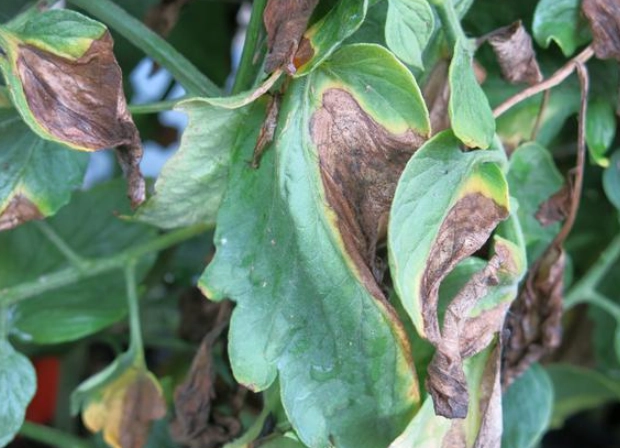
Case Study: Saving Tomatoes from Bacterial Wilt
Last summer, my neighbor's tomato patch got hit. Plants wilted overnight. We implemented a multi-step plan. First, we removed all visibly infected plants—about 30% of the crop. Then, we solarized the soil around remaining plants using small plastic sheets.
We switched to drip irrigation to keep foliage dry and reduce spread. Applied a copper spray weekly for three weeks. Surprisingly, 50% of the plants recovered partially, yielding a reduced harvest. The key was early intervention and not giving up on all plants. This case taught me that bacterial wilt isn't always a death sentence for the entire garden if managed aggressively.
Common Mistakes Gardeners Make with Bacterial Wilt
Overwatering is a big one. People see wilting and drown the plants, but bacterial wilt thrives in wet conditions. It exacerbates the problem.
Ignoring crop rotation. I've seen gardeners replant tomatoes in the same bed year after year, wondering why wilt returns. Rotate with non-host crops like beans or corn.
Using contaminated tools. That trowel you used in an infected area? It's a Trojan horse. Clean it before moving to healthy plants.
Relying on miracle cures. Online forums push all sorts of home remedies, like aspirin or vinegar sprays. Most lack scientific backing and can harm plants. Stick to proven methods.