You walk out to your garden one morning and see it. A ghostly white film dusting the leaves of your squash, your roses, your phlox. It looks like someone sprinkled talcum powder on your plants. That's powdery mildew, and if you've gardened for more than a season, you've probably met it. Let's be honest, it's frustrating. But here's the thing most articles don't tell you right away: it's also one of the most manageable plant diseases out there. Panic isn't necessary. A solid plan is.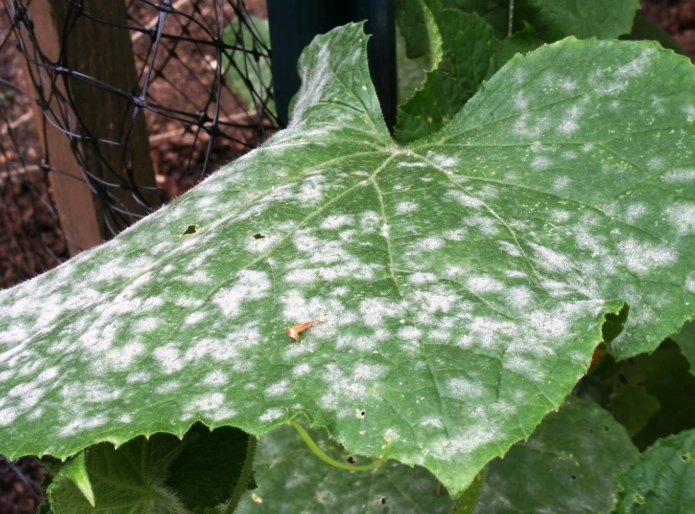
This guide isn't just a rehash of the same old tips. I've spent over a decade battling this stuff in everything from commercial greenhouses to my own backyard veggie patch. I'll show you not just what to do, but why certain methods work (and why some popular ones can backfire). We'll cover identification, immediate treatment steps, long-term prevention, and tackle those specific, nagging questions you won't find easy answers to elsewhere.
In This Article
- What Exactly Is Powdery Mildew? (It's Not What You Think)
- How to Spot Powdery Mildew: Don't Mistake It for Something Else
- How to Treat Powdery Mildew: From Homemade Sprays to Commercial Fungicides
- Building a Powdery Mildew Prevention Strategy That Actually Works
- Your Powdery Mildew Questions, Answered
What Exactly Is Powdery Mildew? (It's Not What You Think)
Most people call it a fungus. Technically, it's caused by a whole group of obligate biotrophic pathogens in the Erysiphales order. What does that mouthful mean for you? It means these organisms need a living plant host to survive – they can't feed on dead matter. They're also host-specific. The mildew on your lilac likely won't jump to your cucumber. That's a small relief.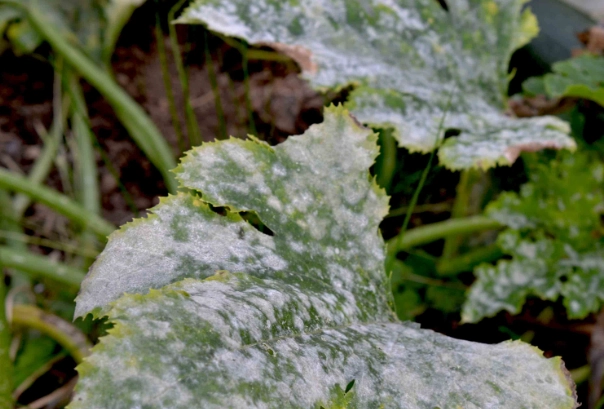
Here's a critical nuance most beginners miss: powdery mildew loves dry foliage and humid air. This is the opposite of most other fungal diseases like black spot or blight, which need free water on leaves to germinate. Think of a dry, shady, still corner of your garden on a cool night – that's prime real estate for powdery mildew spores. They land on a dry leaf, sense the right conditions, and send out tiny structures called haustoria that pierce the plant cells to suck out nutrients. The white powder you see is the fungal threads and spores on the surface.
How to Spot Powdery Mildew: Don't Mistake It for Something Else
Early detection is everything. The classic sign is those circular, powdery white or gray spots. They usually show up first on the upper surfaces of lower, shaded leaves. Don't just look at the top of the plant.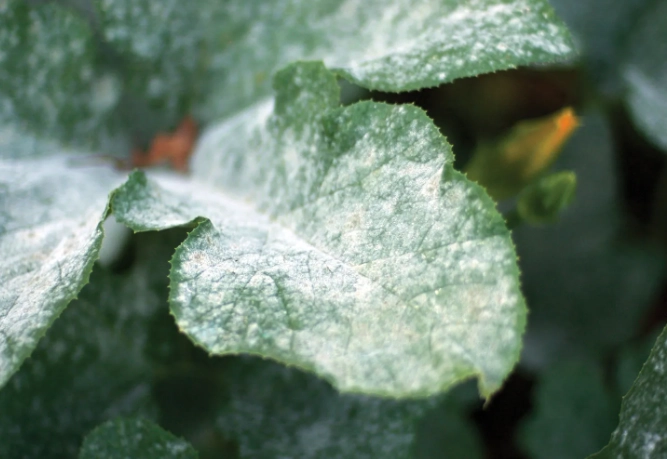
As it progresses, the spots merge into larger patches. The leaves might turn yellow, purple, or brown around the infected areas, then curl, twist, or become brittle. In severe cases, you'll see stunted growth, deformed buds (especially on roses), and poor fruit development on veggies like squash.
One thing I always check for that many guides omit: look for a slight chlorotic (yellow) halo around the very early white spots. It's subtle, but it's a dead giveaway you're dealing with a pathogen, not just dust or residue.
How to Treat Powdery Mildew: From Homemade Sprays to Commercial Fungicides
Okay, you've found it. Now what? Your action plan depends on the severity. Always start with the least invasive method.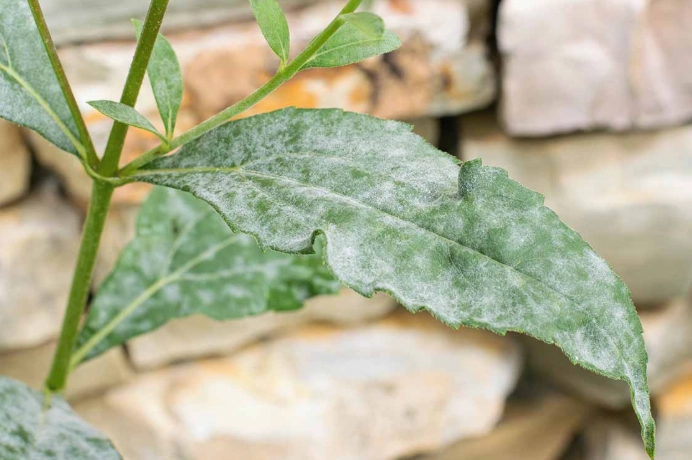
Step 1: Immediate Physical Action
Put on some gloves. Seriously prune out the worst-affected leaves. Don't be shy. For a heavily infected leaf, it's a net drain on the plant. Bag these leaves and throw them in the trash – not the compost. Your home compost pile rarely gets hot enough to kill the resilient spores.
Improve air flow immediately. Thin out dense growth. If plants are in containers, space them apart.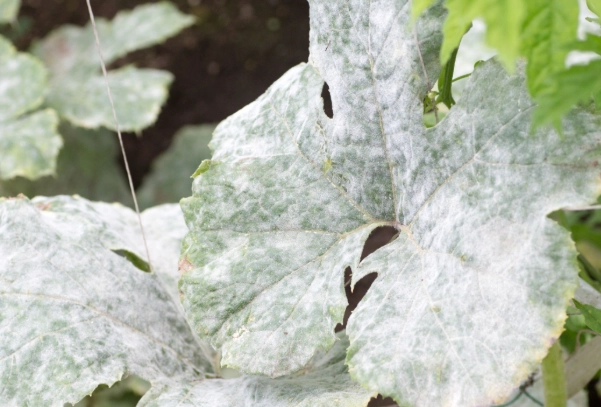
Step 2: Choosing Your Treatment Arsenal
This is where choices matter. Let's break down the options, because not all "organic" solutions are created equal.
| Treatment Option | How It Works | Best For / Notes |
|---|---|---|
| Milk Spray (1 part milk to 2-3 parts water) | The proteins in milk react with sunlight to create antiseptic compounds. It's oddly effective. | Light to moderate cases on veggies (squash, cucumbers). Use weekly. Smells a bit sour after a day. |
| Baking Soda Spray (1 tbsp baking soda, 1/2 tsp liquid soap, 1 gallon water) | Raises leaf surface pH, making it less hospitable for the mildew. | Prevention & early treatment. Warning: Overuse can harm plants. Never use in full, hot sun. |
| Potassium Bicarbonate (e.g., GreenCure, MilStop) | Similar but more potent than baking soda, directly disrupts fungal cell walls. | Moderate infections. More effective and less phytotoxic than baking soda. My go-to organic choice. |
| Horticultural Oil or Neem Oil | Suffocates existing spores and forms a light barrier. | Good for prevention and mild cases. Never apply in temperatures above 85°F (29°C) or to stressed plants. |
| Sulfur (dust or wettable powder) | A classic, broad-spectrum fungicide that prevents spore germination. | Excellent preventive measure. Do not use within 2 weeks of an oil application—they can combine to damage plants. |
| Systemic Fungicides (e.g., products containing myclobutanil or triforine) | Absorbed by the plant to protect new growth from the inside. | Severe, recurring cases on ornamentals (roses, lilacs). Read labels carefully; some are not for edibles. |
My personal protocol for a moderate outbreak on, say, my zucchini: prune heavily, then spray thoroughly with a potassium bicarbonate product. I follow up in 7 days, and then switch to a sulfur spray as a protectant for the rest of the season. This combo tackles the active infection and then shields the new growth.
Building a Powdery Mildew Prevention Strategy That Actually Works
Treatment is a reaction. Prevention is control. Here's how to build a garden that's resistant.
Plant Selection is Your First Defense. Seek out resistant varieties. For squash, look for labels like 'Dunja', 'Tigress', or 'Celebration'. For phlox, 'David' (white) is famously resistant. For roses, many Knock Out® and Drift® roses show good resistance. The University of California's Integrated Pest Management program maintains excellent lists of resistant cultivars.
Watering: Do It Like a Pro. Water the soil, not the leaves. Do it in the morning, so any accidental splashes dry quickly. Soaker hoses or drip irrigation are investments that pay off in disease reduction.
Pruning for Airflow. This isn't just about aesthetics. Open up the center of shrubs. Stake floppy perennials. In my rose garden, I prune for an "open vase" shape. The goal is to let light and air move through the plant, denying mildew its favorite stagnant, shady environment.
Fertilize Thoughtfully. Avoid high-nitrogen fertilizers. They promote soft, succulent growth that's like a buffet for powdery mildew. Opt for balanced, slow-release fertilizers that encourage sturdy growth.
One advanced tip: monitor the microclimate. Is there a corner that's always damp and still? Maybe a fence or wall is blocking air. Sometimes, removing one lower branch from a nearby shrub or replacing a solid fence with a lattice can change the air movement enough to solve the problem.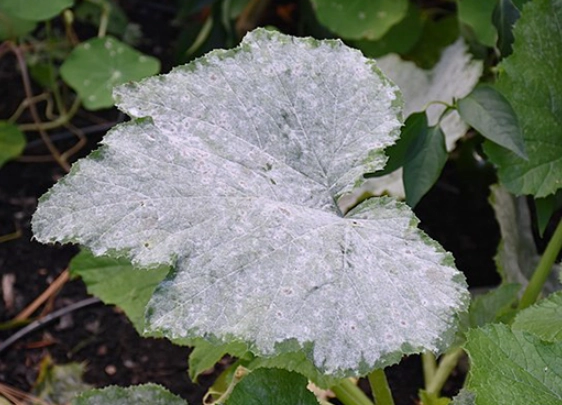
Your Powdery Mildew Questions, Answered
Why did my indoor plant (like a begonia or African violet) get powdery mildew? I thought it was an outdoor problem.
Indoor environments can be perfect traps for it—still air, moderate temperatures, and often lower light. The spores can come in on new plants, through an open window, or even on your clothes. Increase air circulation with a small fan, avoid crowding plants, and make sure they're getting adequate light. A potassium bicarbonate spray works safely indoors too; just do it in a well-ventilated area.
I keep getting powdery mildew on my roses every year, despite spraying. What am I missing?
You're likely missing the dormant season clean-up. The spores overwinter in bud scales and fallen leaf debris. After winter pruning, spray your rose bushes and the soil around them with a dormant horticultural oil or a lime sulfur spray. This nukes the overwintering sites. Combine this with the preventive pruning and resistant varieties mentioned above, and you'll break the cycle.
Is it safe to eat vegetables (like squash leaves or fruit) that have had powdery mildew?
This is a common concern. According to food safety experts from sources like university extension services, the mildew itself is not toxic to humans. The affected parts might taste bad or be tough. I cut off and discard severely infected leaves or fruit sections. For light powdery covering, a good wash removes it. The bigger issue is that a severely infected plant produces less and lower-quality food, which is why control matters.
I used a baking soda spray, and now the leaves look burned. What happened?
You've seen phytotoxicity. Baking soda is a salt, and it can dehydrate leaf tissues, especially in strong sunlight or on hot days. It also builds up in the soil over time. This is precisely why I prefer potassium bicarbonate—it's a more refined compound with less risk of burn when used as directed. Always test any spray on a few leaves first, and apply in the cooler hours of early morning.
Can powdery mildew kill my tree or shrub?
It's rare for powdery mildew to directly kill a mature, healthy tree or shrub. But it's a major stressor. It reduces the plant's ability to photosynthesize, weakening it year after year. This "slow drain" makes the plant far more susceptible to other problems like secondary pests, winter injury, or other diseases that can be fatal. So while not an immediate executioner, it's a serious chronic illness that needs management.
The white dust doesn't have to mean defeat. It's a signal—a call to adjust your garden's balance. Start with the right plant in the right place, give it room to breathe, water its roots, and keep an eye out. When you see those first spots, you now have a clear, step-by-step plan that goes beyond the generic advice. You're not just reacting; you're gardening with knowledge.