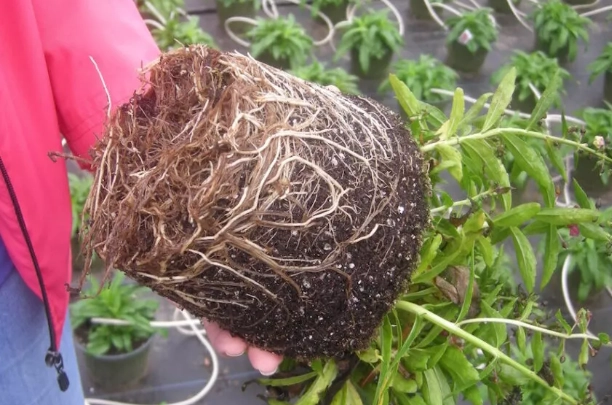
I almost lost a prized Monstera deliciosa to root rot last year. It was a gift, and for weeks I watched its leaves turn yellow and droop, despite what I thought was careful watering. When I finally pulled it from its pot, the smell hit me first—a damp, earthy decay. The roots were a slimy, brown mess. That moment of panic, digging through the soil with my hands, is what made me dive deep into understanding this common plant plague.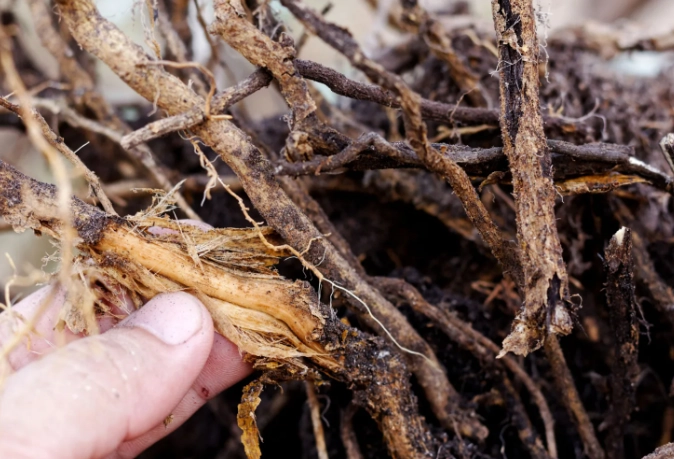
You might be here because you're seeing similar signs. Maybe the soil stays wet for too long, or new growth is stunted. Root rot is sneaky. It starts below the surface, out of sight, often doing significant damage before you notice anything wrong with the leaves above. But here's the good news: it's frequently misdiagnosed, and with the right approach, many plants can be saved.
What You'll Find Inside
What Exactly Is Root Rot (It's Not Just Overwatering)
Think of root rot as a two-part problem. First, there's the environment: consistently soggy soil. This happens from overwatering, sure, but also from poor drainage, a pot that's too large, or soil that's too dense and retains water like a sponge. When roots sit in water, they suffocate. They need oxygen from the air pockets in the soil, and waterlogged conditions push that air out.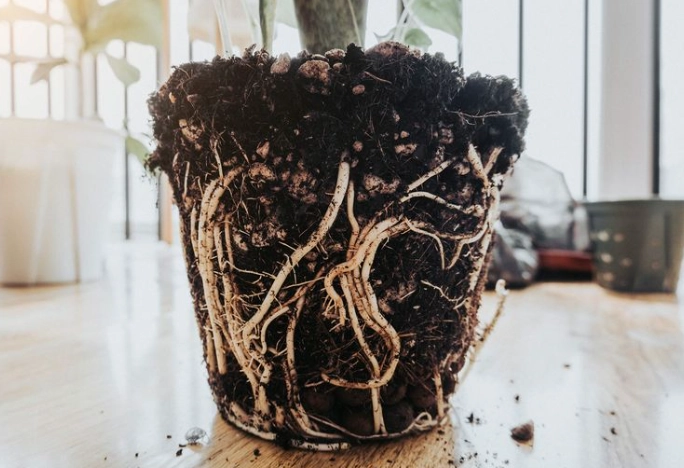
Here's where part two comes in. The weakened, suffocating roots become vulnerable to attack. Soil isn't sterile; it's teeming with microorganisms. Among them are water molds and fungi, like Pythium and Phytophthora. These are the real culprits behind the decay. They're always present, but they only become a destructive force when the roots are stressed and the soil is perpetually wet. The University of California's Statewide Integrated Pest Management Program notes these pathogens thrive in saturated soils.
So, labeling it simply "overwatering" misses the point. You're creating the perfect storm for a pathogen party. The rot spreads from the roots up the stem, blocking the plant's ability to take up water and nutrients. Ironically, the early symptoms—wilting, yellowing leaves—mimic those of underwatering, which often leads well-meaning plant owners to water even more, sealing the plant's fate.
How to Diagnose Root Rot: A Step-by-Step Check
Don't wait for every leaf to fall off. If your plant looks unwell and the soil is persistently moist, it's time for a root inspection. This isn't as scary as it sounds.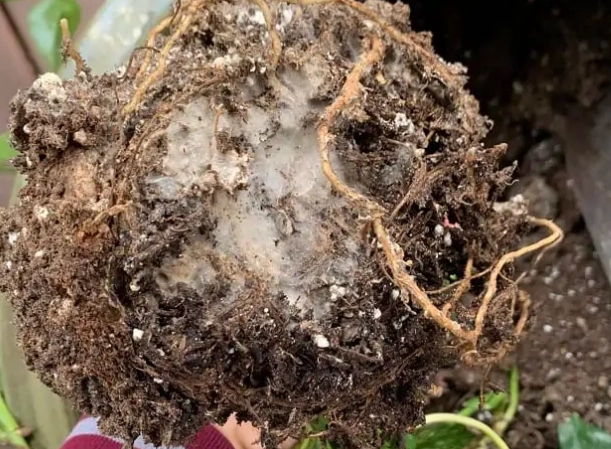
Now, let's get our hands dirty.
- Gently Remove the Plant: Tap the pot's sides, hold the plant at its base, and carefully slide it out. You might need to run a knife around the inside edge for plastic pots.
- Inspect the Root Ball: Brush away the soil to get a clear look. Here’s what you’re searching for:
- Healthy Roots: Firm, white or tan, possibly with little fuzzy white hairs (root hairs). They should feel like sturdy, fresh vegetables.
- Rotten Roots: Brown or black, mushy, and slimy. They'll often fall apart when touched. They might have a foul odor.
- Check the Stem Base: Look where the stem meets the roots. Is it firm and green, or is it soft, discolored, and constricted? Stem rot is a more advanced and serious stage.
If you find more than about a third of the root mass is soft and rotten, your plant is in the danger zone and needs immediate action.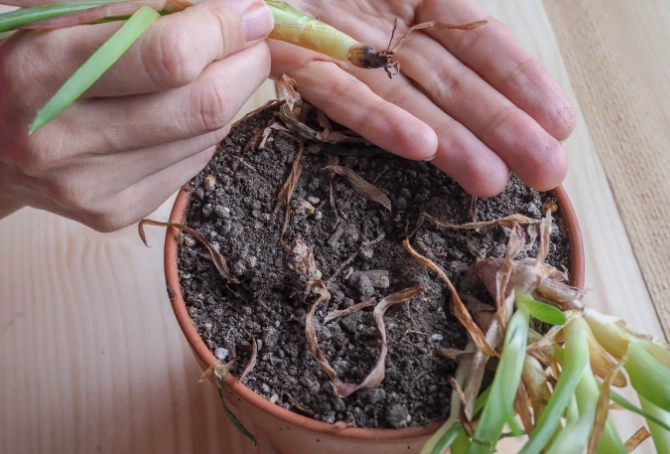
Emergency Treatment: How to Fix Root Rot
Treatment depends on the severity. I'll walk you through both scenarios.
Scenario 1: Severe Root Rot (Over 50% of roots affected)
This is plant ICU. Your goal is to save any viable growth.
Step 1: Unpot and Clean. Remove all old soil under lukewarm running water. Be gentle but thorough.
Step 2: Surgical Removal. This is critical. Using sterilized scissors or pruners (wipe with rubbing alcohol), cut away every single soft, brown, or black root. Cut back until you see healthy, white tissue. If the stem base is mushy, cut above it until you hit firm, green stem. This feels brutal, but leaving any rot behind is like leaving cancer cells—it will spread.
Step 3: Disinfect. Soak the remaining root system in a fungicide solution for 10-15 minutes. You can use a commercial product labeled for root rot or a homemade solution of 1 part 3% hydrogen peroxide to 3 parts water. This helps kill any lingering spores.
Step 4: The Repot. Use a brand new pot or sterilize the old one with a 10% bleach solution. Never reuse old, contaminated soil. Repot in a fresh, fast-draining mix. For most houseplants, a blend of regular potting soil with added perlite or orchid bark (about a 2:1 ratio) works wonders.
Step 5: Aftercare is Everything. Do not water immediately! The plant has very few roots left to take up water. Watering now will re-saturate the soil and likely cause the remaining roots to rot. Wait at least 5-7 days, then water lightly. Place the plant in bright, indirect light and avoid fertilizing for at least 2 months. It needs to focus on root regrowth, not foliage.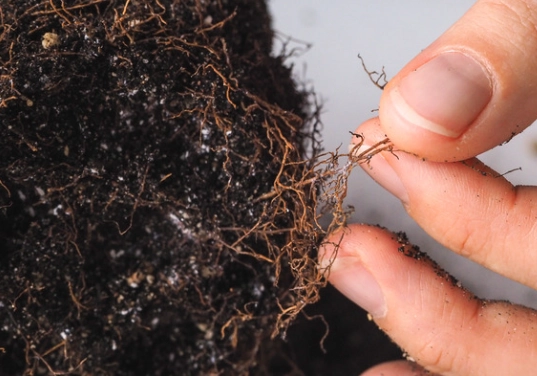
Scenario 2: Mild to Moderate Root Rot
If you've caught it early, the process is similar but less drastic.
| Action | Severe Case | Mild/Moderate Case |
|---|---|---|
| Root Pruning | Aggressive. Remove all rot until only healthy tissue remains. | Selective. Remove only the visibly affected roots. |
| Pot & Soil | Must use new/sterilized pot and all-new soil. | Can often reuse the pot if thoroughly cleaned. Must use all-new soil. |
| Initial Watering | Wait 5-7 days after repotting. | Water lightly immediately after repotting to settle soil, then let dry thoroughly. |
| Recovery Expectation | Slow. May lose most leaves. Focus is on survival. | Faster. Plant may show new growth in 3-6 weeks with proper care. |
A common mistake I see, even in some online guides, is recommending a "hydrogen peroxide drench" for a plant still sitting in its old, wet, contaminated soil. This is like putting a band-aid on a infected wound without cleaning it. It might slow things down briefly, but it won't solve the core problem. You must physically remove the rot and change the environment.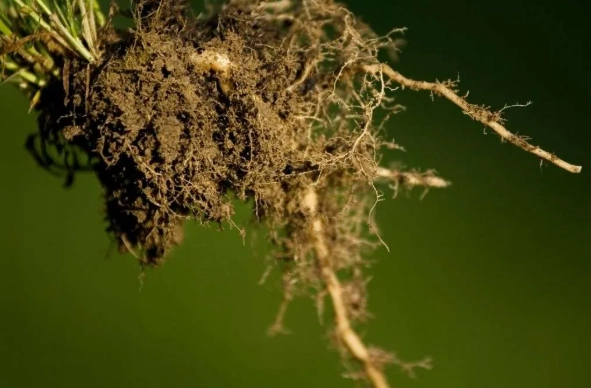
Preventing Root Rot for Good
Treatment is reactive. Prevention is proactive and much less stressful. It boils down to one core principle: managing moisture.
Water by Feel, Not by Schedule. Forget "water every Tuesday." Your plant's thirst changes with seasons, light, and humidity. Stick your finger into the top 2 inches of soil. If it's dry, water thoroughly until it runs out the bottom. If it's damp, wait. Get a moisture meter if you're unsure; they're cheap and take the guesswork out.
Choose the Right Pot. Drainage holes are non-negotiable. Terracotta pots are excellent for beginners because they're porous and help soil dry more evenly. If you love a decorative pot without holes, use it as a cache pot—keep your plant in a plain plastic nursery pot with holes, and place it inside the decorative one.
Mix Your Own "Insurance" Soil. Most generic potting mixes are too moisture-retentive for many popular houseplants like succulents, Monsteras, and Fiddle Leaf Figs. Amend them. A simple, bulletproof mix I use for most of my tropicals is: 2 parts standard potting mix, 1 part perlite, 1 part orchid bark (or coconut coir chunks). This creates air pockets and dramatically improves drainage.
Seasonal Awareness. Plants drink less in the cooler, darker winter months. Reduce your watering frequency significantly. A plant that needs water weekly in summer might only need it every 3-4 weeks in winter.