Most gardeners think about plant disease prevention when they see the first yellow leaf or fuzzy grey mold. That's like thinking about fire prevention when you smell smoke. It's too late. True prevention is a quiet, background process, a series of small, consistent choices that build a garden where diseases struggle to gain a foothold. I've watched too many enthusiastic growers pour money into fungicides and bactericides, treating symptoms while the underlying conditions—the real invitation for trouble—remain untouched. Let's flip that script.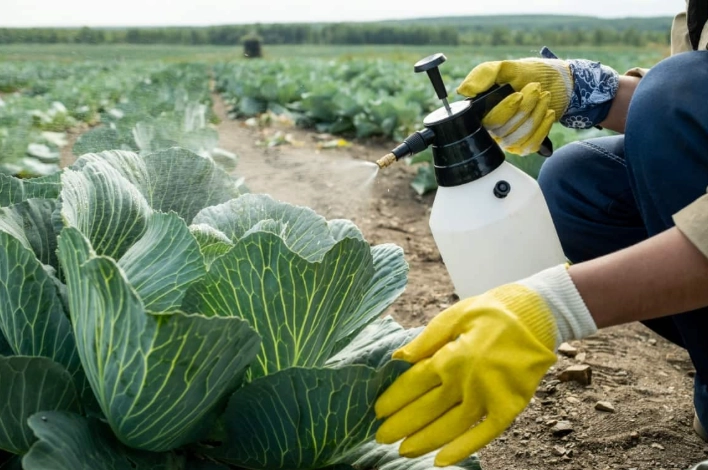
This guide isn't about identifying every blight and rust (though knowing your enemy is part of it). It's about building a resilient system. We'll move beyond the generic "water properly" advice and into the actionable, often-overlooked tactics that separate a constantly battling gardener from one who enjoys a healthy, thriving plot.
Your Quick Navigation Guide
- The Core Mindset Shift: From Reactive to Proactive
- Building Your First Line of Defense: Cultural Practices
- Choosing the Right Plants: Your Genetic Shield
- The Watering Conundrum: Precision Beats Volume
- Soil Isn't Just Dirt: It's Your Immune System
- When Prevention Isn't Enough: Smart Intervention
- Your Weekly Prevention Ritual: A 10-Minute Check
- Expert FAQs: Your Specific Problems Solved
The Core Mindset Shift: From Reactive to Proactive
Reactive gardening is exhausting. You see a problem, you spray, you prune, you hope. Proactive gardening is about creating an environment where problems are less likely to start. The biggest mistake I see? Focusing 95% of energy on the 5% of plants that are sick. Shift that energy. Spend it on the 95% that are healthy, making them stronger.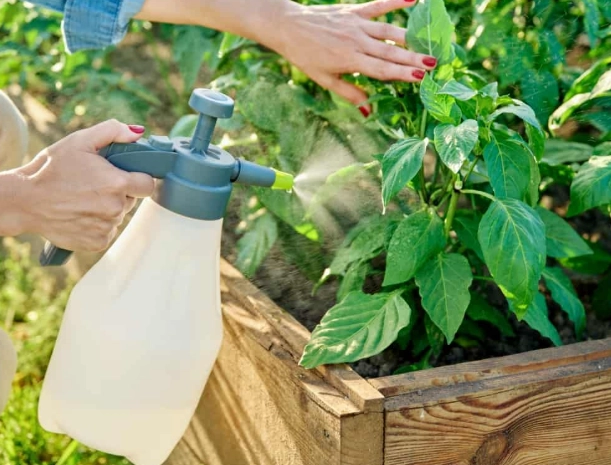
Think of your garden as a neighborhood. A disease pathogen is like a burglar. A reactive approach is installing an alarm after the break-in. A proactive approach is having good streetlights, neighbors who look out for each other, and doors that lock properly. It's less exciting, but far more effective.
Building Your First Line of Defense: Cultural Practices
These are the non-chemical, management-based strategies. They're the foundation.
Sanitation Isn't Just for Hospitals
Fall cleanup is the most important disease prevention event of the year, and most people half-do it. Leaving infected leaves and fruit on the ground or in the compost pile is like leaving a loaded gun for next season. Those fungal spores and bacterial cells overwinter right there, waiting for spring rains to splash them back onto your new plants.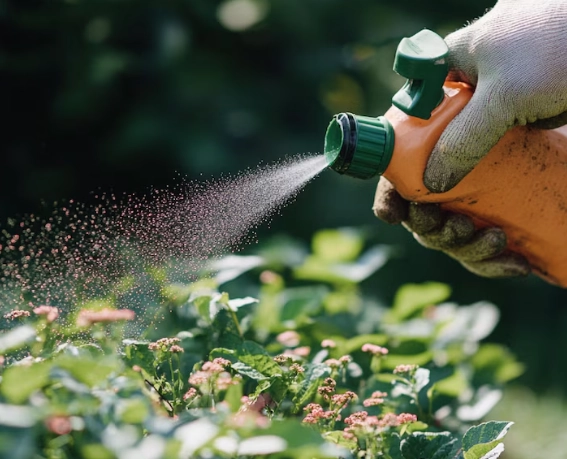
Airflow is Your Invisible Fungicide
Crowded plants create a humid, still microclimate that fungi love. It's a perfect storm: leaves stay wet longer, and spores can easily jump from one leaf to another.
When planting, respect the "mature spread" on the plant tag. It's not a suggestion. For tomatoes, suckering (removing those leafy shoots in the crotches) isn't just about bigger fruit; it's about opening the plant's core to light and air. For perennials, don't be afraid to divide them when they get too dense. That mid-summer "haircut" for overgrown bee balm or phlox can thwart powdery mildew before it starts.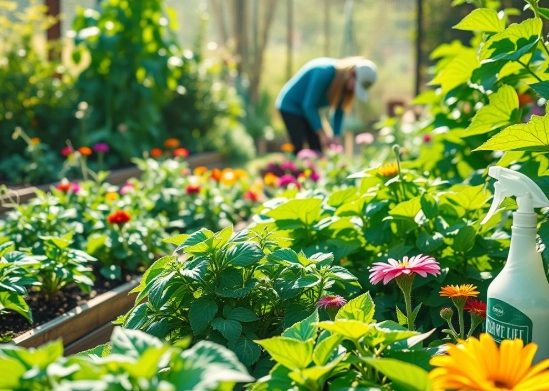
Choosing the Right Plants: Your Genetic Shield
This is the single most powerful prevention tool you have, and it's decided before you even put a plant in the ground. Planting a rose that's susceptible to black spot in a humid climate is setting yourself up for a fight. Why start with a handicap?
Look for codes on plant tags or in catalog descriptions: VFN on tomatoes (Resistant to Verticillium wilt, Fusarium wilt, Nematodes), PM for Powdery Mildew resistance, or HR/IR (High Resistance/Intermediate Resistance). Resources from universities like Cornell University's Vegetable Varieties for Gardeners database are gold mines for this info.
| Plant | Common Disease | Resistant Varieties to Look For |
|---|---|---|
| Tomato | Early Blight, Late Blight | 'Defiant', 'Mountain Merit', 'Jasper' |
| Cucumber | Powdery Mildew, Downy Mildew | 'Diva', 'Marketmore 76', 'Salad Bush' |
| Rose | Black Spot | 'Knock Out', 'Carefree Beauty', 'David Austin's 'Olivia Rose Austin'' |
| Apple | Apple Scab, Cedar Apple Rust | 'Liberty', 'Freedom', 'Enterprise' |
| Zinnia | Powdery Mildew | 'Zahara', 'Profusion', 'Queen Lime' series |
Resistance isn't immunity. A resistant variety in terrible conditions can still get sick, but it will fight it off much better and give you time to act.
The Watering Conundrum: Precision Beats Volume
Overhead watering is the number one way gardeners spread disease. Water splashes soil (which contains pathogens) onto leaves. Leaves stay wet for hours, inviting fungal spores to germinate. It's a delivery service for disease.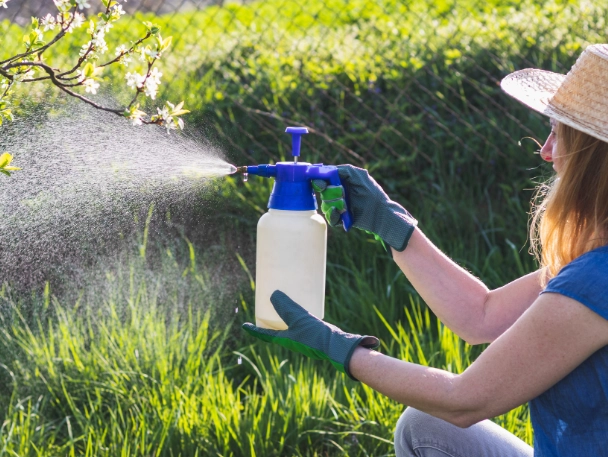
Soaker hoses or drip irrigation are game-changers. They deliver water directly to the soil line, keeping leaves dry. If you must water overhead, do it in the morning so the sun can dry the foliage quickly. Evening watering guarantees a long, damp night—a disease party.
Here's a subtle error: watering on a strict schedule. Plants don't drink by the calendar. Stick your finger in the soil. If it's dry an inch down, water. If it's damp, wait. Constantly soggy soil stresses roots, making plants vulnerable to root rots like Phytophthora.
Soil Isn't Just Dirt: It's Your Garden's Immune System
Healthy, living soil is your best ally. It's not just about nutrients; it's about biology. A diverse soil microbiome is a competitive environment where beneficial bacteria and fungi can out-compete or even directly antagonize pathogenic ones.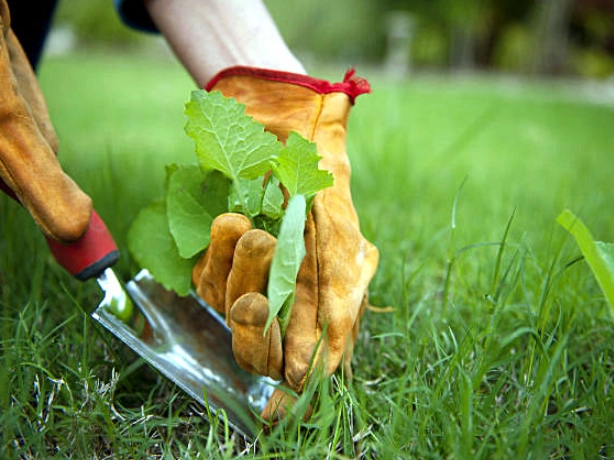
Adding well-finished compost every year is the best thing you can do. It introduces beneficial microbes and improves soil structure, which in turn improves drainage and root health. I'm skeptical of most bottled "soil probiotic" products. They often contain a handful of lab-grown strains that may or may not establish in your unique soil. Compost is the complex, whole-food version.
Crop rotation is critical, especially in the vegetable patch. Pathogens that target plant families (like tomatoes, peppers, eggplants—the nightshades) build up in the soil if you plant the same family in the same spot year after year. A simple 3-4 year rotation breaks their cycle. Keep a garden journal to remember where things were.
When Prevention Isn't Enough: Smart Intervention
Sometimes, despite your best efforts, disease hits. Maybe you inherited a sickly tree, or a freakishly wet season creates impossible conditions. Now you need to intervene without wrecking your garden's ecosystem.
First, diagnose correctly. Is it a disease, an insect, a nutrient issue, or environmental stress? Your local university extension service is an invaluable, often free, resource for plant disease diagnosis. Don't just spray something and hope.
If you need to spray, start with the least toxic option. Horticultural oils and insecticidal soaps can smother some fungal diseases like powdery mildew in early stages. Baking soda sprays (1 tablespoon baking soda, 1 teaspoon horticultural oil, 1 gallon of water) can alter leaf surface pH, inhibiting some fungi. These are contact treatments, not systemics, so coverage must be thorough.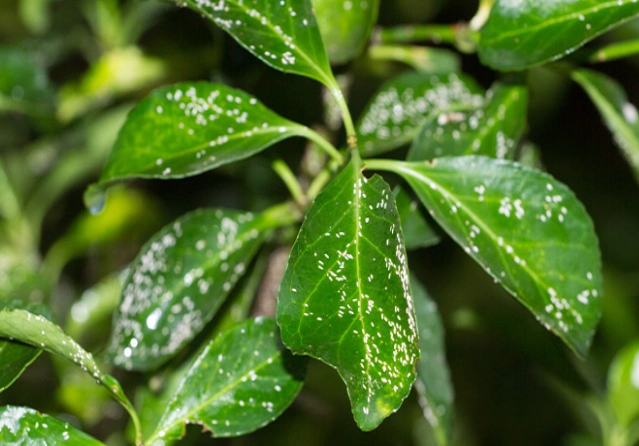
For synthetic fungicides, think of them as a targeted antibiotic, not a vitamin. Use them sparingly, precisely as the label directs, and only when necessary. Overuse breeds resistant pathogen strains and harms soil life.
Your Weekly Prevention Ritual: A 10-Minute Check
Prevention is a habit. Build this into your weekly garden walk, coffee in hand.
- Look down, then look up. Check the undersides of leaves. Many pests and diseases start there. Look for discoloration, spots, or wilting from the bottom of the plant up.
- The finger test. Check soil moisture before you even think about watering.
- One clean-up task. Pick up those few fallen leaves, deadhead spent blooms, or prune one crowded branch. Small, consistent effort beats a massive, dreaded cleanup.
- Scout one "problem" plant. Have a rose that's prone to black spot? Give it 30 seconds of extra attention. Catching a problem when just a few leaves are affected means you can often simply remove them and stop the spread.
This isn't about being paranoid. It's about being observant. You start to notice the subtle changes, the slight yellowing, the first spot. That's when you have the most control.