You walk out to your garden or check on your favorite houseplant, and there it is—the leaves are curling, twisting, or cupping. That sinking feeling hits. Is it dying? What did I do wrong? Before you panic and drown it in water or spray it with anything you can find, stop. Leaf curl is a symptom, not a disease itself. It's your plant's way of crying out for help, and the message can mean a dozen different things.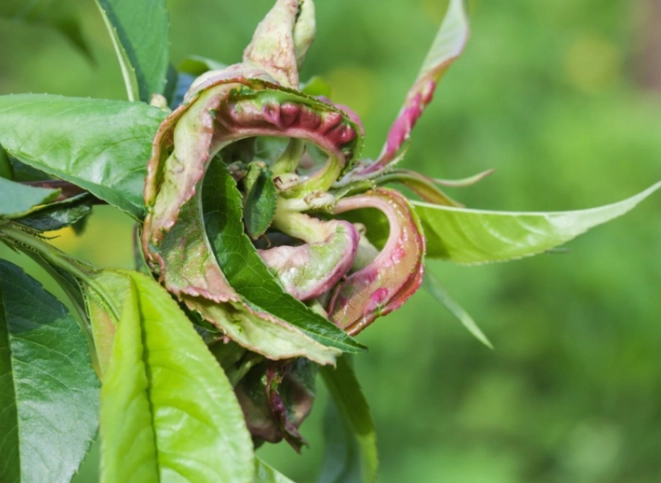
I've spent over a decade nursing everything from rare orchids to backyard fruit trees back to health, and I can tell you the most common mistake is treating the curl before identifying the cause. Spraying fungicide on a thirsty plant just adds stress. This guide will cut through the noise. We'll go beyond the basic "check for bugs" advice and dive into the subtle signs that tell you exactly what's wrong.
What You'll Learn in This Guide
The Real Reasons Your Plant Leaves Are Curling
Forget the generic lists online. Based on what I see most often in home gardens, here’s how I'd rank the culprits, from most to least frequent.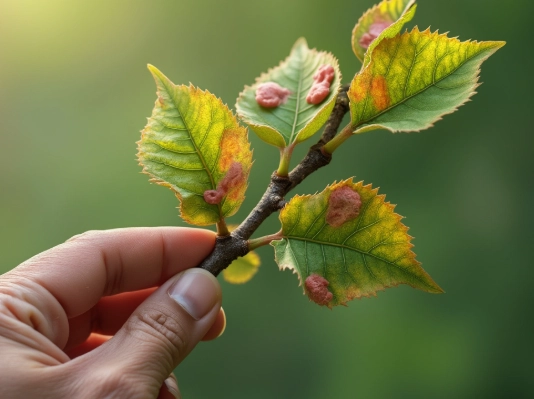
| Cause | How the Curl Looks | Other Clues | Plants Most Affected |
|---|---|---|---|
| 1. Sap-Sucking Pests (Aphids, Whiteflies, Mites) | Upward curl, leaves may feel sticky or have fine webbing. | Tiny insects on undersides, shiny "honeydew," sooty mold. | Tomatoes, Peppers, Roses, Houseplants. |
| 2. Watering Issues (Too much or too little) | General upward or downward cup, often with color change. | Soil bone dry or soggy, wilt, crispy or yellow edges. | Almost all, especially potted plants. |
| 3. Fungal Disease (Like Peach Leaf Curl) | Thickened, distorted, often red or purple discoloration. | Appears in early spring, affects new growth most. | Peach & Nectarine trees, sometimes almonds. |
| 4. Environmental Stress (Heat, Wind, Sun) | Leaves curl inward, like they're trying to hide. | Occurs during hot/windy days, affects sun-facing leaves. | Young transplants, broad-leaf plants. |
| 5. Herbicide Drift or Damage | Severe, twisted distortion, often stunted. | Sudden onset, affects multiple plant types. | Plants near treated lawns or fields. |
| 6. Nutrient Deficiencies (Often Calcium) | Curling at the edges, new growth malformed. | Slow growth, blossom end rot in tomatoes. | Fast-growing vegetables in poor soil. |
See how different they are? Treating a mite problem (cause #1) requires a totally different approach than fixing a calcium deficiency (cause #6). The table is a great start, but let's get your hands dirty with diagnosis.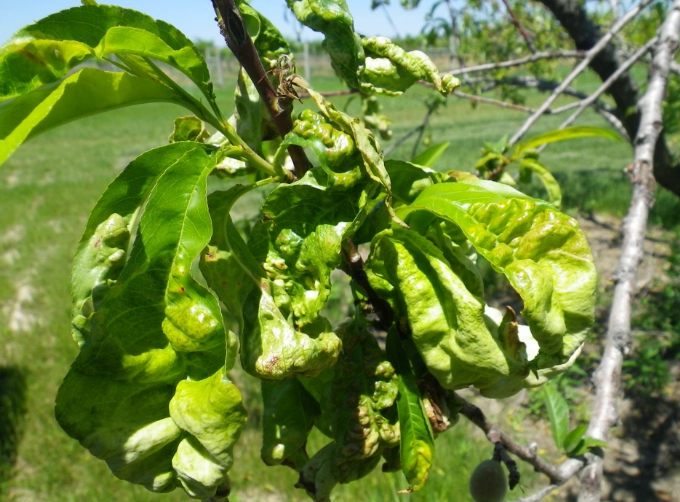
How to Diagnose Your Plant's Leaf Curl in 5 Minutes
Grab a magnifying glass if you have one. Your phone's camera zoom can work in a pinch. Go to your plant and follow this sequence. I always start here, because jumping to conclusions wastes time and money.
Step 1: Flip the Leaf
This is non-negotiable. 90% of pest problems live on the underside. Look for tiny moving dots (aphids, mites), immobile bumps (scale insects), or white fluffy patches (mealybugs). Use a piece of white paper, tap the leaf, and see if any tiny specks fall and move. If you see webbing, you've likely got spider mites.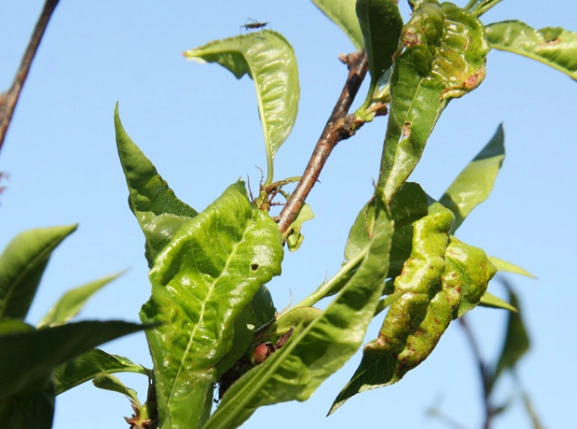
Step 2: Feel the Soil and the Leaf
Stick your finger two inches into the soil. Is it sopping wet, bone dry, or just moist? Now feel the curled leaf. Is it brittle and dry, or oddly thickened and leathery? A brittle curl plus dry soil points to thirst. A leathery, thickened curl is a classic sign of Peach Leaf Curl fungus or herbicide damage.
Step 3: Check the Pattern
Is every leaf on the plant curled, or just the new growth at the top? Or just the old leaves at the bottom? Whole-plant curling suggests a root or systemic issue (watering, herbicide). Only new growth curling points to pests (they love tender growth) or specific diseases like Peach Leaf Curl.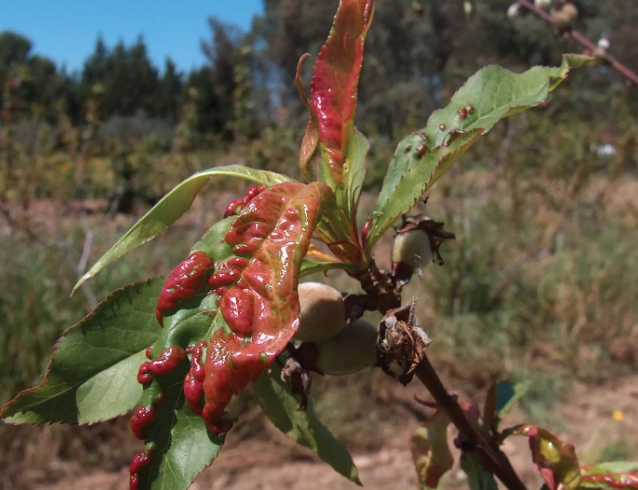
The Special Case of Peach Leaf Curl Fungus
This one deserves its own section because it's so common and so uniquely frustrating. If you have a peach or nectarine tree, you've probably met Taphrina deformans.
The leaves get thick, puckered, and turn bright red or purple. They look alien. Eventually, they turn grayish-white and fall off, weakening the tree. Here's the kicker everyone gets wrong: You treat Peach Leaf Curl in the fall and late winter, not in the spring when you see it. By the time the leaves are curled, the fungal spray window has closed for the season. You're just managing the damage.
My non-consensus advice? If you see it in spring, focus on tree health. Gently remove the worst leaves if it's a small tree, but don't defoliate it. Water and fertilize it properly so it can push out a second, healthier set of leaves later in summer. Then, mark your calendar for a dormant spray in late fall after leaf drop and again in late winter before buds swell. Use a copper fungicide or a synthetic option like chlorothalonil, following the label to the letter.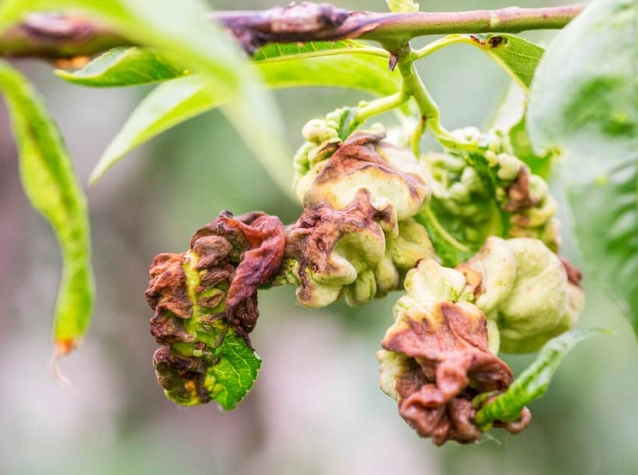
Creating Your Custom Treatment Plan
Okay, you've diagnosed it. Now let's fix it. These are targeted actions, not blanket recommendations.
For Pests (Aphids, Mites, etc.): Don't immediately reach for the hard chemicals. You'll kill the good bugs too. For a light infestation, a strong blast of water from the hose can knock aphids off for good. For mites or stubborn cases, insecticidal soap or neem oil is my go-to. The secret is coverage. You must spray it directly onto the pest, thoroughly coating the leaf undersides. Spray in the early morning or evening to avoid sun-scorching the leaves. Repeat every 5-7 days for two weeks to break the life cycle.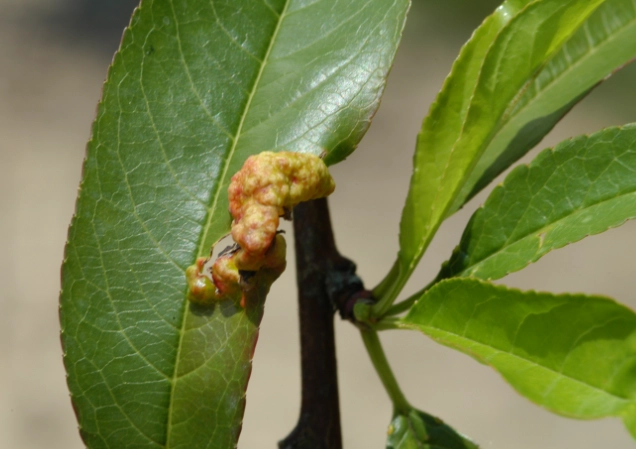
For Water Stress: If the soil is dry, water deeply until it runs out the bottom of the pot. For in-ground plants, let a hose trickle at the base for 20-30 minutes. If the soil is soggy, stop watering immediately. For potted plants, consider repotting into fresh, dry mix if roots are rotting. The curl won't reverse on old leaves, but new growth should come in normal.
For Environmental Stress (Heat/Wind): Provide temporary shade with a cloth or move potted plants. Ensure the plant is well-watered so it can cool itself through transpiration. The leaves often uncurl when the sun goes down or the wind stops—that's your confirmation.
Long-Term Prevention: Stopping Curl Before It Starts
Fixing the problem is one thing. Making sure it doesn't come back is where you save yourself future headaches.
Build Plant Health: A stressed plant is a magnet for problems. Use a balanced, slow-release fertilizer. Mulch your soil to keep roots cool and moist. Water deeply but less frequently to encourage strong roots.
Inspect Regularly: Make flipping leaves part of your weekly watering routine. Catching five aphids is easier than dealing with five hundred.
Choose Resistant Varieties: If Peach Leaf Curl is a yearly battle in your area, consider planting resistant varieties like 'Frost', 'Indian Free', or 'Q-1-8'.
Keep It Clean: Remove and destroy severely diseased leaves (like from Peach Leaf Curl) to reduce fungal spores. Don't compost them.
Expert Answers to Your Tricky Leaf Curl Questions
Leaf curl doesn't have to be a death sentence. It's a puzzle, and now you have the map to solve it. Start with the diagnosis steps—flip the leaf, feel the soil, check the pattern. Match what you see to the causes. Then take the targeted action. Your plant will thank you with new, healthy, flat leaves.