I remember the first time I tossed a handful of bright orange nasturtiums into a salad. My dinner guests were stunned. "We can eat these?" That moment of delight and surprise is exactly why I’ve spent years exploring the world of edible flowers. They’re not just pretty garnishes you push to the side of your plate. When used correctly, they add unique flavors—peppery, sweet, herbal, citrusy—and transform a simple meal into something memorable. But here’s the part most blog posts gloss over: if you get it wrong, the consequences aren’t just a ruined dish. They can be serious. Let’s cut through the fluff and talk about how to use edible flowers safely, creatively, and confidently.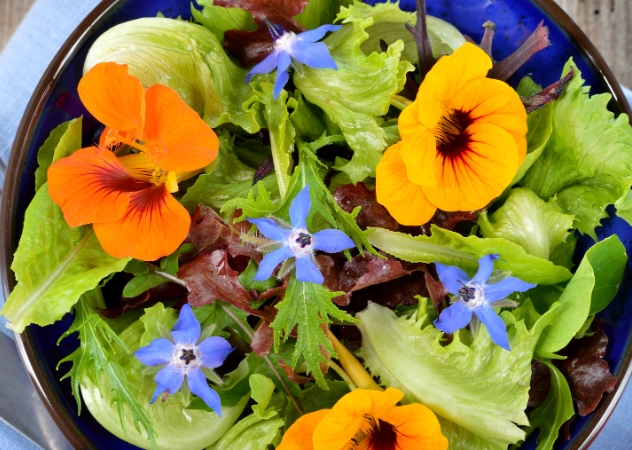
What You’ll Find in This Guide
Why Bother with Flowers on Your Plate?
It’s a fair question. Aren’t they just decoration? Not in my kitchen. I use them for three solid reasons.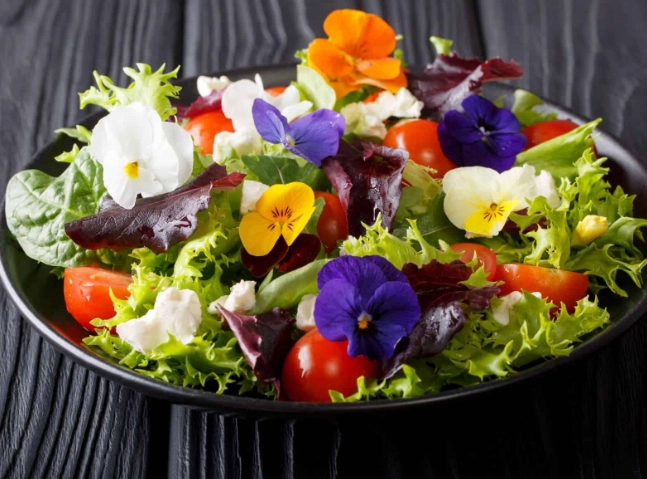
Flavor. This is the big one. A rose petal isn’t just floral; it’s fragrant and slightly sweet, perfect for infusing syrups or sugar. Nasturtium leaves and flowers have a sharp, peppery kick that wakes up a bland green salad. Borage flowers taste like a subtle cucumber, fantastic floating in a summer drink.
Visual Impact. Okay, yes, they’re beautiful. A scattering of purple chive blossoms or yellow calendula petals makes any dish look professionally plated. It’s an instant upgrade.
Connection. This might sound sentimental, but there’s something deeply satisfying about growing or foraging a tiny, beautiful ingredient and incorporating it into your food. It connects you to the season and your environment in a way a supermarket tomato never can.
The Non-Negotiable Safety Rules
This is where most beginners trip up. Enthusiasm overtakes caution. I’ve seen people at farmers' markets ready to eat any pretty bloom. Let’s be crystal clear.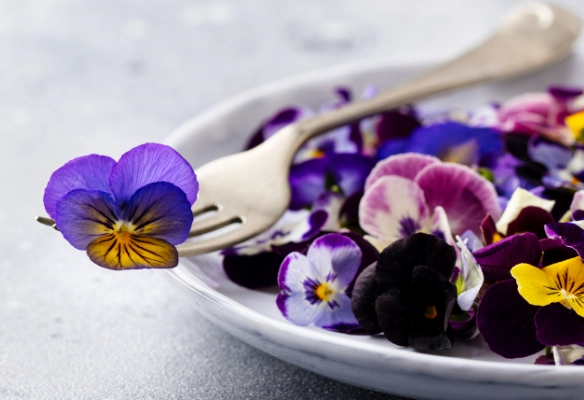
Rule 1: Positive ID is Everything. You must be 100% certain of the plant’s identity. "I think it’s a violet" isn’t good enough. Many toxic plants have harmless-looking look-alikes. Use a reliable field guide or consult with an expert. When in doubt, throw it out.
Rule 2: Know Your Source. This is my biggest piece of advice for newbies. Never, ever eat flowers from a florist, nursery, or roadside bouquet. They are almost always treated with systemic pesticides not labeled for food crops. These chemicals are inside the plant, and washing won’t remove them. Your only safe sources are:
- Your own organic garden.
- A trusted farmer’s market vendor who explicitly grows for culinary use.
- Specialist retailers selling flowers labeled for human consumption.
Rule 3: Eat Only the Edible Parts. For some flowers, like roses, you remove the bitter white heel of the petal. For others, like squash blossoms, the whole flower is fine. Know which part you’re supposed to consume.
Rule 4: Start Small. Introduce new flowers in tiny amounts. Allergies to pollen are possible, and some people have sensitive digestive systems. Don’t make a whole salad out of a flower you’ve never tried before.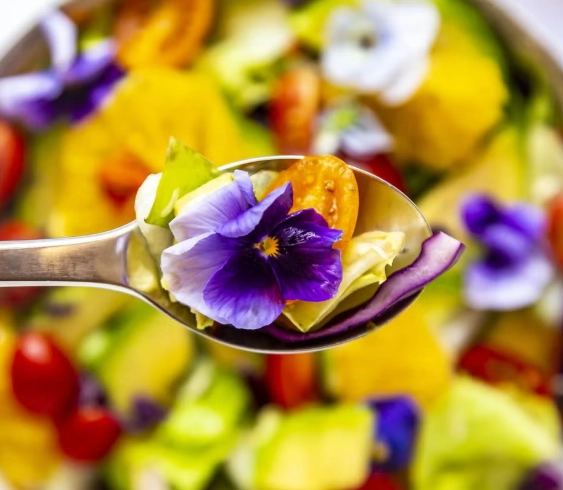
My Go-To List of Safe & Tasty Edible Flowers
Based on flavor, reliability, and ease of growing, here are my top recommendations. This isn’t just a list—it’s a curated starting point.
| Flower | Flavor Profile | Best Culinary Uses | Growing Note |
|---|---|---|---|
| Nasturtium | Peppery, spicy, similar to arugula. | Salads, savory canapés, stuffed blossoms, vinegar infusion. | Incredibly easy from seed; thrives in poor soil. The leaves are also edible. |
| Calendula (Pot Marigold) | Mildly tangy, peppery, saffron-like. | "Poor man’s saffron" for coloring rice/butter, salads, soups, herb butter. | Self-seeds readily; deadhead for continuous blooms. |
| Borage | Delicate cucumber flavor. | Floating in drinks (Pimm’s Cup!), garnishing salads, freezing in ice cubes. | Grows like a weed; bees love it. The fuzzy texture dissolves when eaten. |
| Pansies & Violas | Very mild, slightly sweet, wintergreen hint. | Primary use is decorative: cakes, desserts, candied. Adds minimal flavor. | Cool-season flowers; great for spring/fall containers. |
| Chive Blossoms | Oniony, garlicky, more concentrated than the stems. | Pull apart florets for salads, compound butter, vinegar, garnish on soups. | |
| Lavender (culinary varieties) | Highly aromatic, floral, slightly sweet. | Use sparingly! In baked goods (shortbread, scones), syrups, herbes de Provence. |
A quick note on roses: only use fragrant, old-fashioned or heirloom varieties. Modern hybrid tea roses often have little scent and flavor. Strip the petals and remove the bitter white base.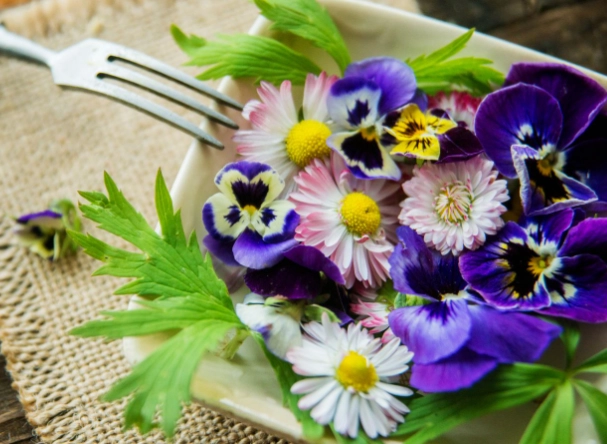
From Garden to Table: Harvesting & Prep
You’ve identified your safe source. Now, timing and handling are key to preserving flavor and appearance.
When and How to Harvest
Pick flowers in the late morning, after the dew has dried but before the midday sun wilts them. They should be fully open and look perfect. Avoid any that are wilted, bug-eaten, or past their prime. Use clean scissors or snips, and place them gently in a basket—don’t crush them.
Pro Tip: Harvest more than you think you need. You’ll lose some during cleaning, and they’re fragile. A gentle touch is non-negotiable.
The Right Way to Clean Them
This isn’t like washing lettuce. Fill a large bowl with cool water. Gently swish the flowers to dislodge any tiny bugs or dust. Lift them out and place them on a clean kitchen towel or paper towels. Pat them dry or let them air dry. Never run them under a strong tap—you’ll destroy them.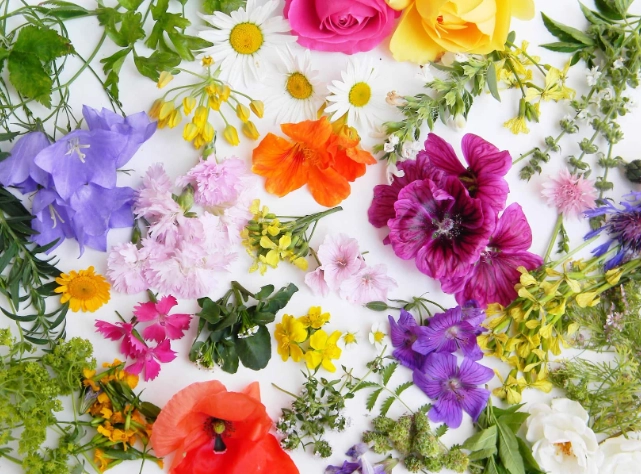
For flowers with a dense center (like calendula or chamomile), you might find tiny insects hiding. A brief soak in lightly salted water can encourage them to leave, followed by a gentle rinse.
Short-Term Storage
Edible flowers are perishable. Use them the same day for best results. If you must store them, place the dry, clean flowers in a single layer between paper towels in a sealed container in the refrigerator. Most will last 1-2 days this way. Basil flowers and chive blossoms are particularly delicate and are best used immediately.
Beyond the Salad: Creative Culinary Uses
Salads are the obvious start, but let’s get creative. Here’s how I use them throughout a meal.
Infusions. This is my favorite way to capture flavor. Steep clean petals in a simple syrup (equal parts sugar and water, heated until dissolved, then cooled) for floral sodas or cocktail mixers. Try rose, lavender, or elderflower. Pour warm vinegar over chive blossoms or nasturtiums for a vibrant, flavored vinegar.
Butters & Cheeses. Finely chop milder petals and mix into softened butter or cream cheese. Roll into a log, chill, and slice for an instant elegant touch on bread or grilled vegetables.
Frozen in Time. Place small, sturdy flowers like borage or pansies in an ice cube tray, cover with water, and freeze. Instant elegance for summer beverages.
Candied Flowers. It’s easier than you think. Brush clean, dry petals (pansies, violets, rose petals) with a thin coat of lightly beaten egg white, then dust with superfine sugar. Dry on a rack. They keep for weeks in an airtight container and are stunning on cakes.
Savory Applications. Don’t limit them to sweets. Fold chopped calendula petals into rice pilaf for color. Stuff nasturtium blossoms with herbed goat cheese. Toss whole chive florets into a potato salad.