Let's be honest. Most articles about aromatic herbs tell you the same things: basil for pasta, mint for tea, rosemary for roast chicken. It's not wrong, but it barely scratches the surface. After a decade of growing, killing, reviving, and finally mastering these plants, I've learned that the real magic—and the real frustration—happens in the details everyone glosses over.
This isn't just a list of plants. It's a roadmap to turning seeds and cuttings into a living pantry that transforms your meals, your home, and maybe even your mood. We'll skip the fluff and dive straight into the how, the why, and the "why didn't anyone tell me that sooner?"
What You'll Learn Today
What Exactly Are Aromatic Herbs?
Think of aromatic herbs as the plant world's essential oil factories. These are plants whose leaves, stems, or flowers contain concentrated volatile oils. When you brush against them, crush a leaf, or add them to heat, those oils release the scents and flavors we love: the piney punch of rosemary, the sweet licorice of tarragon, the citrusy zing of lemon verbena.
The key distinction from "herbs" in general is that intensity of aroma. Not all herbs are powerfully fragrant (think parsley or lettuce), but all aromatic herbs are, by definition, fragrant.
The Starter Trio (And Why They're Perfect for Beginners)
If you're new to this, don't plant twenty varieties. Start with three workhorses that forgive mistakes and deliver big rewards:
- Basil (Ocimum basilicum): Loves heat and sun. The classic Genovese type is a tomato's best friend. The one thing it hates? Cold drafts. A common killer.
- Mint (Mentha spp.): Spearmint or peppermint. It's famously vigorous—some say invasive. Always grow it in a pot, unless you want a mint lawn. It tolerates partial shade better than most.
- Rosemary (Salvia rosmarinus): Woody, drought-tolerant, and perennial in many climates. It needs excellent drainage. More plants die from soggy roots than from drought.
How to Grow Aromatic Herbs Successfully
This is where most guides get generic. "Sun and well-drained soil." Sure. But what does that really mean for each plant? Here’s the nuanced view.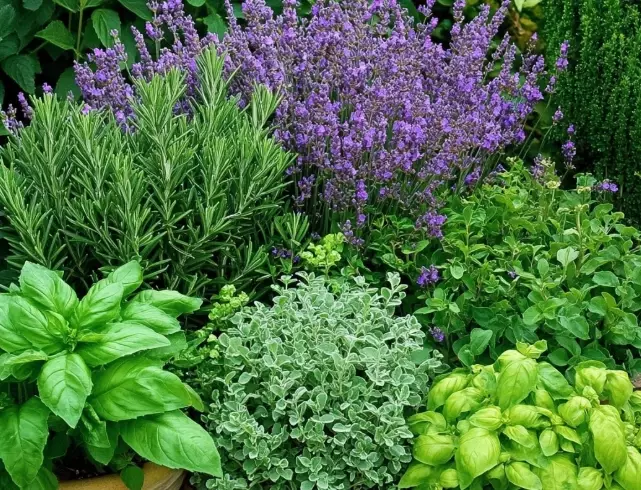
Sunlight: It's Not One-Size-Fits-All
Mediterranean herbs like rosemary, thyme, oregano, and lavender crave a minimum of 6-8 hours of direct, blistering sun. Less, and they get leggy, weak, and lose their pungency. Their oils are a direct product of solar intensity.
But herbs like mint, chives, parsley, and cilantro can thrive (and sometimes even prefer) 4-6 hours of sun or bright dappled shade, especially in hot southern climates. In full afternoon sun, cilantro bolts (goes to seed) in a heartbeat, and mint can scorch.
I learned this the hard way. I planted mint in a full-sun bed because the tag said "sun to part shade." It survived, but the leaves were small, tough, and lacked that bright, cooling flavor. Moved to a spot with morning sun and afternoon shade, it exploded.
The Soil Secret Most People Ignore
"Well-drained soil" is the mantra. But for aromatic herbs, especially the woody Mediterranean types, it's about poverty, not richness. They evolved in lean, rocky soils. Rich, moisture-retentive potting mix or heavily composted garden beds make them grow soft, floppy, and far less fragrant. They become susceptible to root rot.
My mix for pots: two parts standard potting soil, one part coarse perlite or sharp sand, and a handful of small gravel. It looks mean. The herbs love it. For in-ground planting, I dig in a generous amount of grit or builder's sand to improve drainage.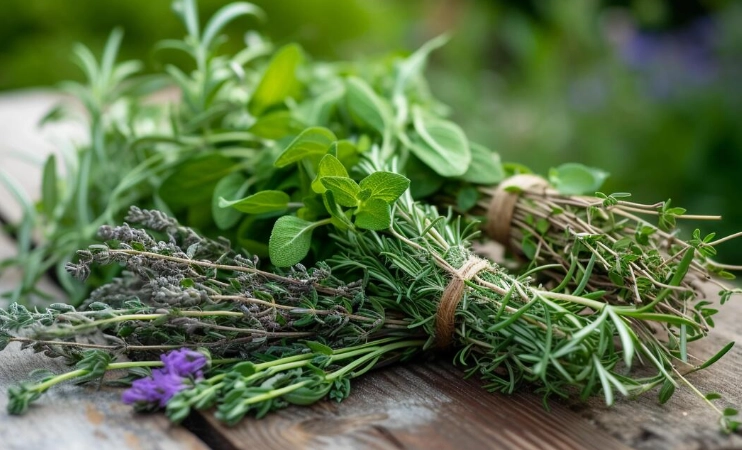
The Top 3 Mistakes That Kill Aromatic Herbs
- Overwatering with Love: This is the #1 killer. You water on a schedule, not by need. Stick your finger an inch into the soil. If it's damp, wait. Most herbs prefer to dry out slightly between waterings. Soggy soil suffocates roots.
- Planting Mint in the Ground: I know, I mentioned it. It bears repeating. Mint's rhizomes run underground like crazy. It will take over. Pot. Always a pot.
- Not Pinching and Pruning: You buy a bushy basil plant, then just pluck leaves from the top. It gets tall, spindly, and flowers. You need to pinch the main growing tip just above a set of leaves. This forces it to branch out, becoming bushier and delaying flowering (which makes leaves bitter). Do this early and often.
The Right Way to Harvest and Preserve
Harvesting at the wrong time can ruin flavor. The golden rule: harvest in the morning, after the dew has dried but before the midday sun bakes the oils away. That's when the essential oil concentration is highest.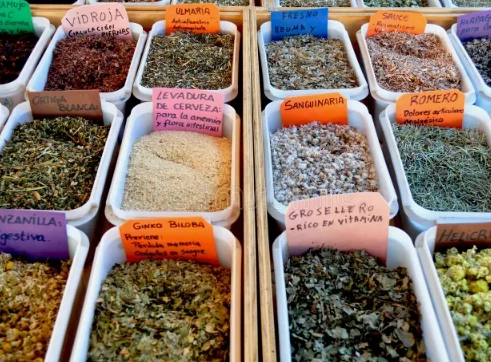
Use sharp scissors or pruners. Don't tear. For leafy herbs like basil and mint, cut just above a pair of leaves. For woody herbs like rosemary and thyme, you can cut longer sprigs from newer, greener growth.
Preservation: Drying vs. Freezing
Drying is classic, but it's terrible for some herbs. Delicate leaves like basil, chives, parsley, and cilantro lose most of their fresh flavor and turn to dust. They are much better frozen.
- Best for Drying: Rosemary, thyme, oregano, marjoram, sage. Their woody structure holds up. Hang small bunches upside down in a warm, dark, well-ventilated place. Or use a dehydrator on its lowest setting.
- Best for Freezing: Basil, chives, parsley, cilantro, dill, tarragon. Chop them, pack into ice cube trays, cover with water or olive oil, and freeze. Pop out the cubes into a bag. Toss a cube straight into soups, stews, or sauces.
I used to dry basil every year and end up with a jar of brown, tasteless flakes. Switching to frozen basil cubes was a revelation—pesto in January that tastes like August.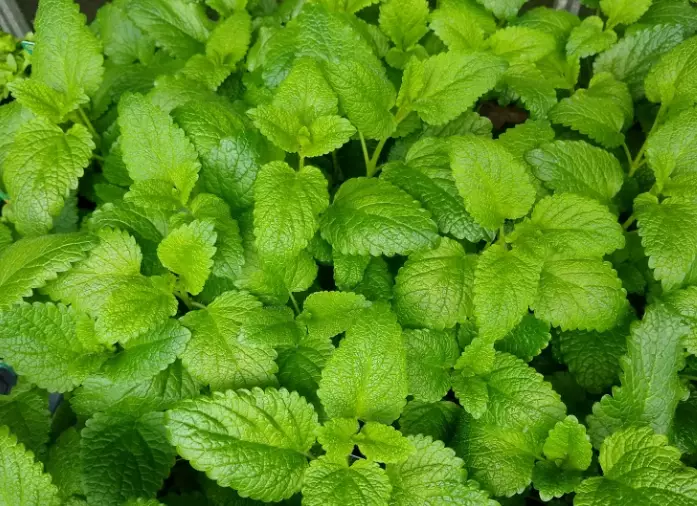
Using Herbs in Your Kitchen and Home
This is the payoff. Fresh herbs aren't just a garnish; they're a core ingredient.
Culinary Uses: A Quick Reference
Rosemary & Thyme: Robust. Add early to roasts, stews, bread dough, or roasted vegetables so their flavors have time to meld.
Basil, Cilantro, Dill, Parsley: Delicate. Add them at the very end of cooking, or use raw. Heat destroys their bright, fresh character. Think pesto, salsa, chimichurri, tabbouleh, garnishes.
Sage & Oregano: Powerful, can be bitter if overused. A little goes a long way. Sage with brown butter for pasta or pumpkin dishes. Oregano in tomato sauces and marinades.
Beyond the Plate: Home and Wellness
This is an area ripe for exploration. I'm not making medical claims, but traditional uses are well-documented for promoting relaxation and a pleasant environment.
- Simple Herbal Sachets: Dry lavender flowers, rose petals, and a bit of mint. Sew into a small cotton pouch. Tuck into drawers or under a pillow for a natural, gentle fragrance.
- Herbal Steam for Congestion: A handful of fresh or dried thyme, rosemary, and eucalyptus leaves (if you have it) in a bowl. Pour boiling water over, drape a towel over your head, and carefully inhale the steam for a few minutes (avoiding burns). The menthol-like compounds can be very soothing. Research published in sources like the Journal of Ethnopharmacology has explored the traditional use of such aromatic steams.
- Herb-Infused Vinegars & Oils: Steep sprigs of tarragon, thyme, or rosemary in white wine vinegar or olive oil for a few weeks. Strain. You've got instant gourmet ingredients.
Answers to Your Trickiest Herb Questions
The journey with aromatic herbs is never really finished. There's always a new variety to try, a different preservation method, or a novel way to use them. It starts with a single pot of basil on a sunny ledge. It might lead to a garden corner dedicated to scent and flavor, or simply a freezer stocked with green cubes of summer. The point is to start, pay attention to what the plants are telling you, and enjoy the process. The flavors you grow yourself just taste different. Better.
Reader Comments