You've probably seen them – those cute little wooden boxes filled with holes or bundles of reeds, hanging on a fence or sitting in a flower bed. A solitary bee house. Maybe you bought one on impulse, thinking it would help the bees. I did that too, years ago. It turned into a moldy, abandoned mess by the second season. That failure sent me down a rabbit hole, talking to entomologists, master gardeners, and bee nerds. What I learned changed my entire approach. Most commercial bee houses are designed to sell, not to support bees. But a good one? It's a powerhouse for your garden's health.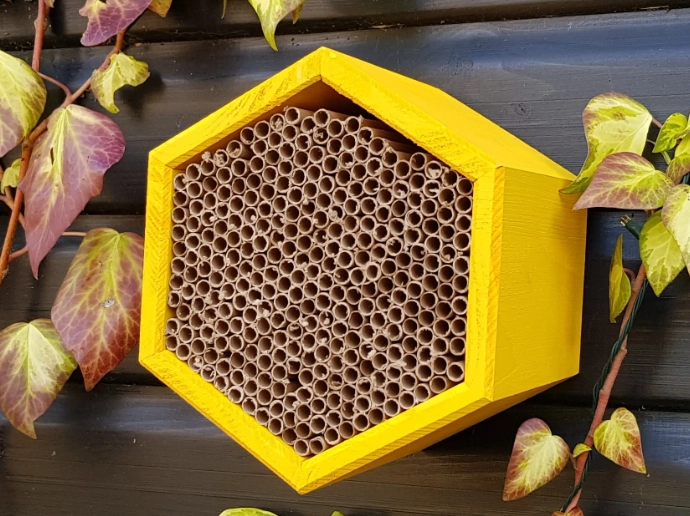
This isn't just about providing shelter. It's about tapping into an army of super-efficient, non-aggressive pollinators that are often more effective than honeybees for your fruits and veggies. And doing it right means avoiding the common pitfalls that can actually harm the bees you're trying to help.
What's Inside This Guide?
- Why Solitary Bees Are Your Garden's MVP
- Anatomy of a Good Solitary Bee House (And What to Avoid)
- How to Build a Simple, Effective DIY Solitary Bee House
- Where to Put It and How to Care for It (The Non-Negotiables)
- 3 Common Solitary Bee House Mistakes and How to Fix Them
- Your Solitary Bee House Questions, Answered
Why Solitary Bees Are Your Garden's MVP
Forget the hive. Solitary bees, like mason bees and leafcutter bees, live alone. Each female is a queen, worker, and forager all in one. She finds a tube (like the ones in your bee house), lays an egg, provisions it with pollen, seals it off, and moves on. No honey, no complex social structure. Just pure pollination machines.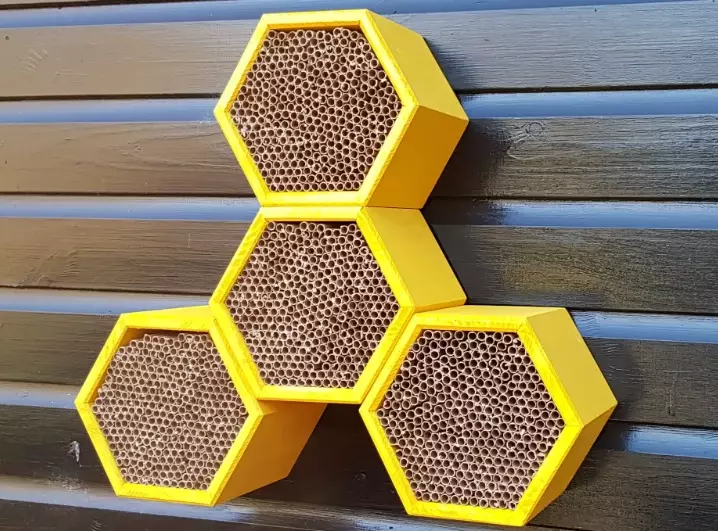
Here's the kicker: they're messier pollinators than honeybees. A mason bee is basically a flying teddy bear covered in hair. When it visits a flower, pollen sticks all over its belly. It loses a lot as it flies, cross-pollinating like crazy. Studies, like those referenced by the Xerces Society for Invertebrate Conservation, show that a few hundred mason bees can do the pollination work of tens of thousands of honeybees in an orchard.
They're also gentle. Males have no stingers. Females can sting, but you practically have to squeeze them to provoke it. You can sit and watch them work from inches away.
The problem? They need nesting sites. In nature, it's hollow plant stems, beetle burrows in dead wood, or sandy banks. Our tidy gardens and parks have wiped most of that out. A well-made solitary bee house directly replaces that lost habitat.
Anatomy of a Good Solitary Bee House (And What to Avoid)
Walk into any garden center and you'll see the problem. Bamboo shoots glued into a frame. Drilled blocks of wood with no back. Brightly painted designs. These are often death traps, promoting mold, mites, and disease.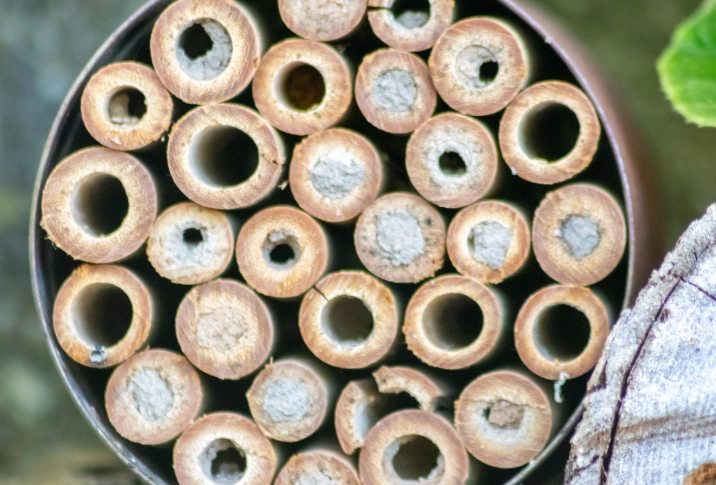
A proper solitary bee hotel has one core feature: replaceable nesting materials.
Materials That Work (and Why)
Paper Tubes or Reed Segments: These are the gold standard. You buy them as inserts—cardboard tubes or cut reeds (like Phragmites) that fit into a protective outer box. At the end of the season, you harvest the plugged tubes, store them safely over winter, and insert fresh, clean ones next spring. This breaks the pest cycle. Brands like Crown Bees sell these, but you can also find them from many bee supply shops.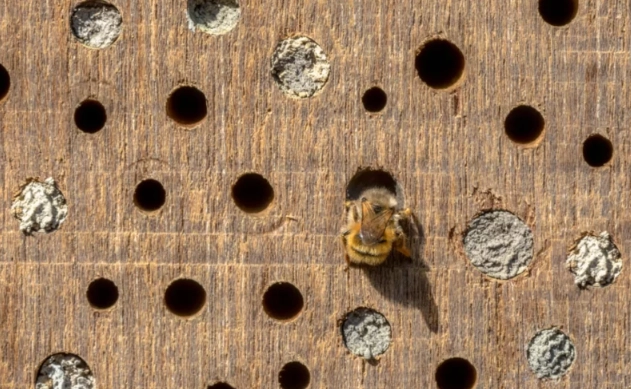
Drilled Wood Blocks (Done Right): If you use wood, it must be untreated, unpainted hardwood (like oak, maple, ash). Softwoods like pine soak up moisture and split. The holes must be drilled to specific depths (ideally 6 inches/15 cm) and only between 5/32" and 3/8" (4mm-9.5mm) in diameter to attract the right bees. Crucially, the back must be solid—no through-holes. And you need to be prepared to replace the block every 2-3 years as it degrades.
Natural Stem Bundles: Cutting and bundling stems from plants like elderberry, raspberry, or bamboo can work, but they must be cut cleanly at the node (the solid joint) to create a closed back. These also need annual replacement.
How to Build a Simple, Effective DIY Solitary Bee House
Let's build one. This design focuses on the replaceable tube system, which is the most sustainable method. You'll need an outer weatherproof box and the paper tube inserts.
Materials:
- 1x untreated cedar fence picket (for the box - cedar resists rot)
- Wood screws (exterior grade)
- Waterproof wood glue
- A small piece of hardware cloth or chicken wire (optional, for predator guard)
- Paper bee tubes (5/16" or 8mm diameter are a versatile size)
- Waterproof paint or stain for the exterior only (use latex-based, bee-safe options).
Steps:
1. Build the Box: Cut your cedar into five pieces: a back (about 8" x 8"), a roof (9" x 8" for overhang), a floor (8" x 4"), and two sides (8" tall, angled to fit under the sloped roof). Assemble them into a simple open-front box with the roof sloping forward to shed rain. Screw and glue everything. Leave the front completely open.
2. Add a Predator Guard (Optional but Smart): Staple a piece of hardware cloth over the open front. The holes should be about 1/2".- This keeps out birds and larger insects but lets bees pass through.
3. Finish the Exterior: Paint or stain the outside of the box. Do not paint the inside. This extends the life of the wood.
4. Insert the Tubes: Pack your paper tubes tightly into the open cavity of the box. They should fit snugly so they don't fall out. Fill the space.
That's it. The complex part isn't the box; it's managing the tubes, which we'll cover next.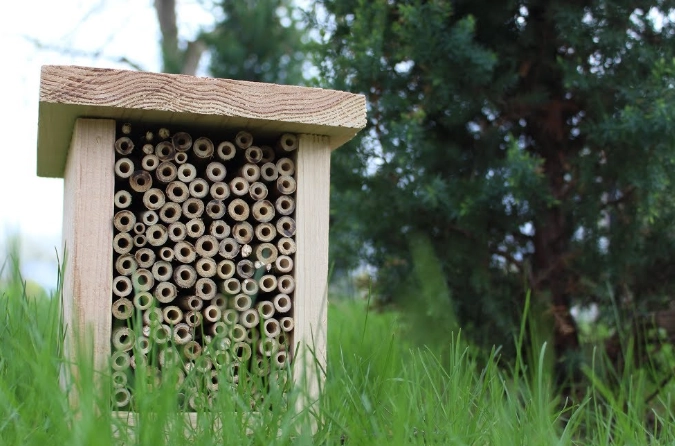
Where to Put It and How to Care for It (The Non-Negotiables)
Placement is half the battle. I see bee houses hanging from thin branches in deep shade. No wonder they're empty.
Location Rules:
- Full Morning Sun: Bees are cold-blooded. They need the morning sun to warm up and get active. Face your bee house between southeast and south.
- Solid Mounting: Mount it on a sturdy post, fence, or wall. No swinging in the wind. About 4-5 feet off the ground is ideal.
- Near Mud and Food: Mason bees need mud to seal their nests. A damp, bare patch of clay-rich soil nearby is essential. And of course, have pollen-rich flowers (native plants are best) within a 100-200 foot radius.
The Annual Maintenance Cycle (This is Critical):
This is where most people drop the ball. You can't just hang it and forget it.
- Spring/Summer: Hang the house with fresh, clean tubes. Watch for activity (usually starting when temps hit 55°F/13°C).
- Late Fall: Once all activity has stopped for weeks, carefully remove the plugged tubes. You'll see the ends sealed with mud (mason bees) or leaves (leafcutters).
- Winter Storage: Place these tubes in a breathable container (like a cardboard box with ventilation holes) in an unheated, protected space like a garage or shed. This mimics natural conditions and protects them from birds and extreme wet. Do not bring them indoors where it's warm; the bees need the cold cycle.
- Next Spring: Place the overwintered tubes in a bee emergence box (a simple box with a single exit hole) near your freshly stocked bee house. The new adults will emerge, mate, and find the clean tubes you've provided. The cycle continues.
3 Common Solitary Bee House Mistakes and How to Fix Them
Based on a decade of trial and error and conversations with experts, here are the subtle errors that ruin bee houses.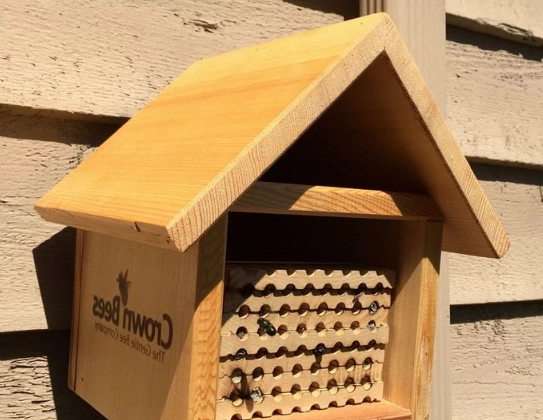
Mistake 1: Using Glass or Clear Plastic Tubes for Observation. It seems like a great idea – watch the bees develop! But light triggers algae growth and confuses developing bees. The tubes become green, slimy, and lethal. Fix: Use only opaque materials like paper, reed, or wood.
Mistake 2: Mounting the House Under a Eave or Deep in Foliage. You think you're protecting it from rain. Instead, you're creating a cold, damp, shaded environment bees will avoid. They need that solar warmth. Fix: Ensure it gets direct morning sun, even if it means the roof gets wet. A good overhang is enough protection.
Mistake 3: Not Providing a Mud Source. You have the perfect house, plenty of flowers, but no bees. Mason bees, the most common tube-nesters, need mud to build their cell walls and seal the entrance. If your garden is all mulch and lawn, they can't move in. Fix: Create a "mud puddle." Dig a small hole, line it with clay soil or bentonite clay, and keep it damp. It's as important as the house itself.
Reader Comments